
Staffa, Fingal’s Cave — History & Facts
In Turner’s Staffa, Fingal’s Cave, the tumultuous sea dances beneath a celestial light, transcending the boundaries of reality and inviting viewers into a realm of sublime beauty. Focus first on the dynamic interplay of colors swirling across the canvas. The deep blues and greens of the water contrast sharply with the warm, golden hues illuminating the cave’s entrance. Notice how the jagged rock formations loom above, rendered with a dramatic intensity that draws the eye toward the ethereal glow emanating from within.
The artist’s rapid brushwork creates a sense of movement, as if the waves are caught in an eternal moment, perpetually crashing against the rugged coast. Delve deeper into the emotional resonance of the work. The contrasting forces of nature emerge vividly; the fierce, tumultuous sea represents chaos, while the cave’s tranquil light symbolizes a sanctuary amidst turbulence. This tension invites contemplation on the human experience, suggesting that beauty often arises from the clash of opposing elements.
The way light breaks through darkness can be seen as a metaphor for transcendence, encouraging viewers to seek harmony even in the midst of life’s storms. Turner painted this piece between 1831 and 1832, during a period when he was increasingly exploring the emotive potential of color and light. He was captivated by the sublime aspects of nature, influenced by the Romantic movement sweeping through Europe. This painting reflects not only his personal evolution as an artist but also a broader cultural shift toward appreciating the overwhelming power and beauty of the natural world.
More Artworks by Joseph Mallord William Turner
Browse all →
Dort or Dordrecht- The Dort Packet-Boat from Rotterdam Becalmed
Joseph Mallord William Turner
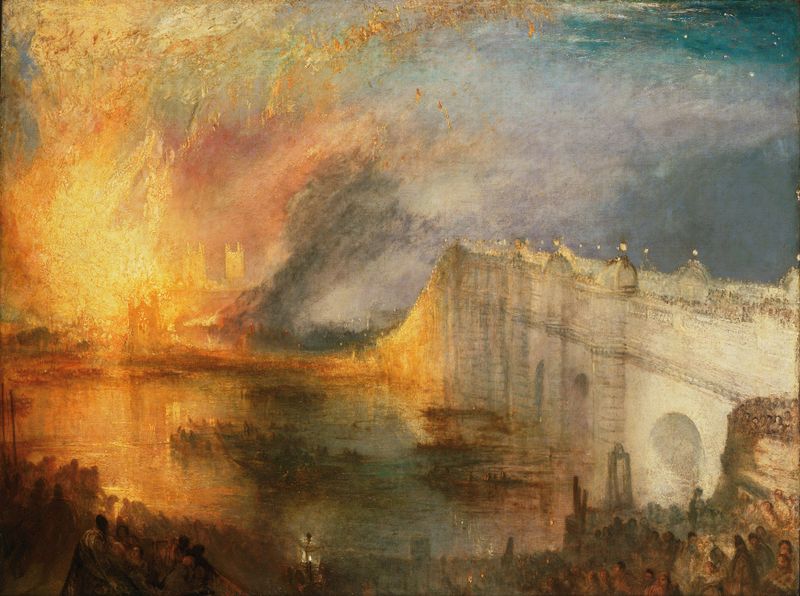
The Burning of the Houses of Lords and Commons, October 16, 1834
Joseph Mallord William Turner
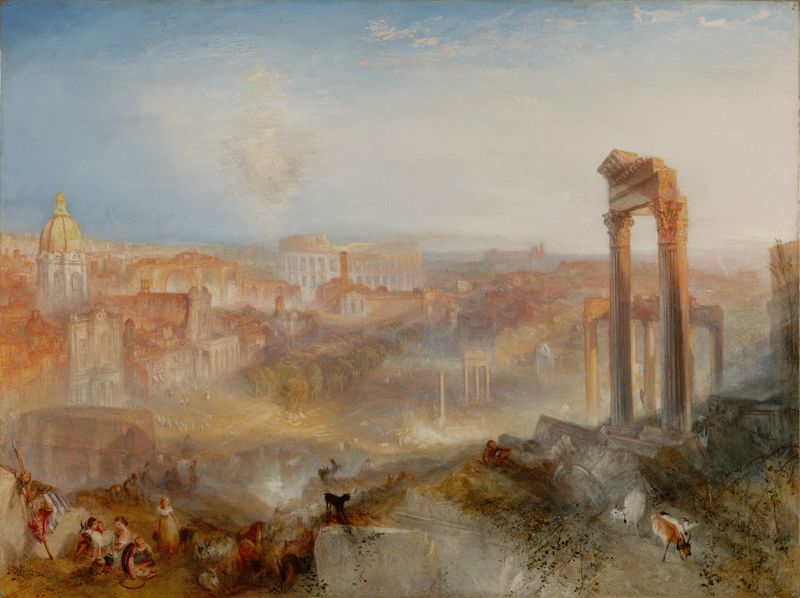
Modern Rome – Campo Vaccino
Joseph Mallord William Turner
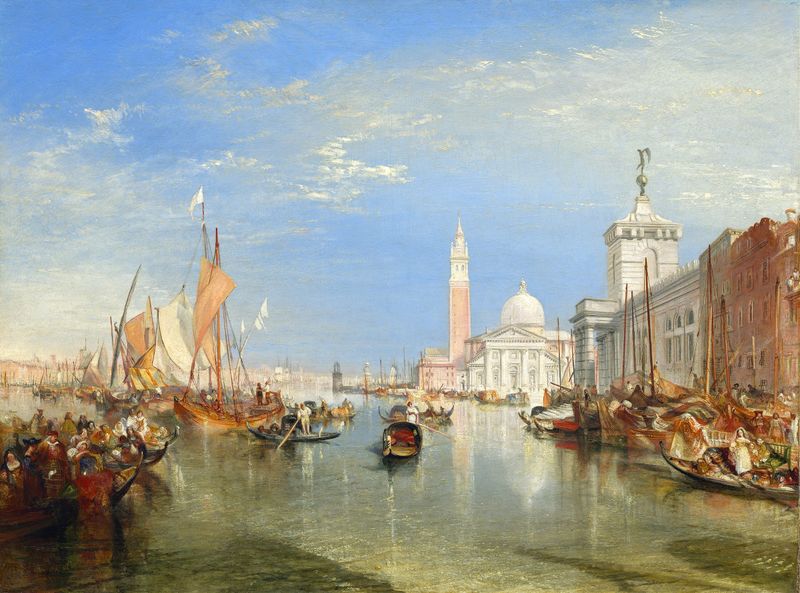
Venice – The Dogana and San Giorgio Maggiore
Joseph Mallord William Turner

The Burning of the Houses of Lords and Commons, 16 October 1834
Joseph Mallord William Turner
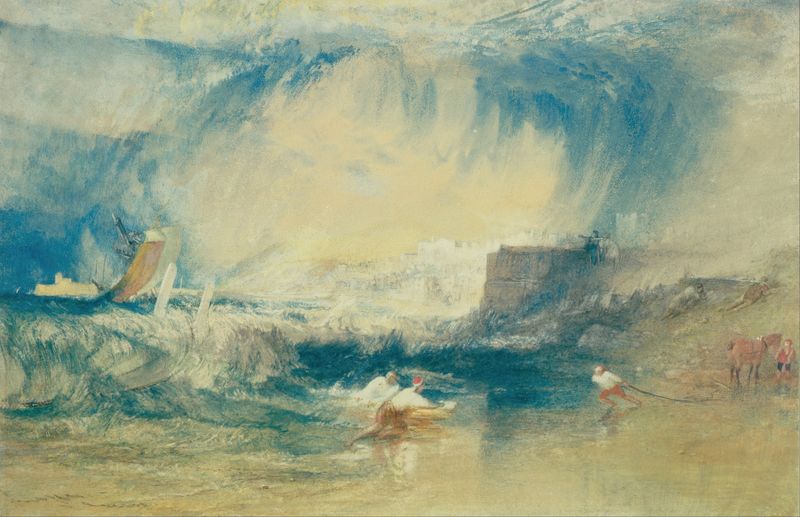
Lyme Regis, Dorsetshire, England
Joseph Mallord William Turner
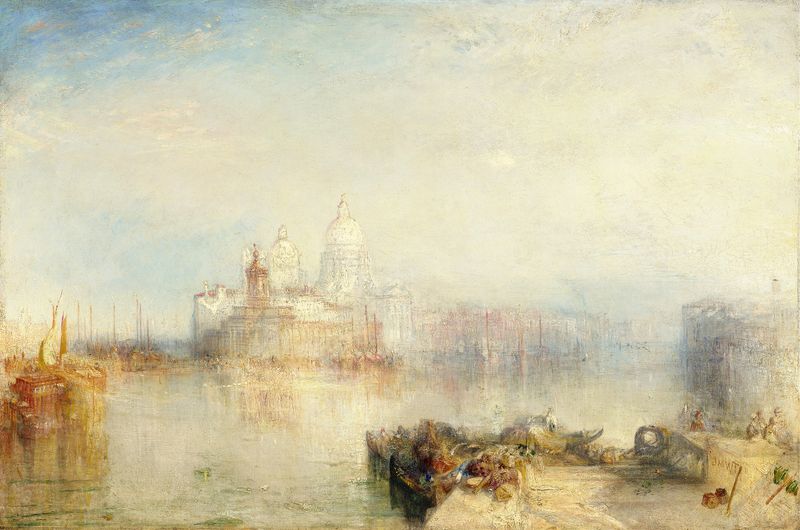
The Dogana and Santa Maria della Salute, Venice
Joseph Mallord William Turner
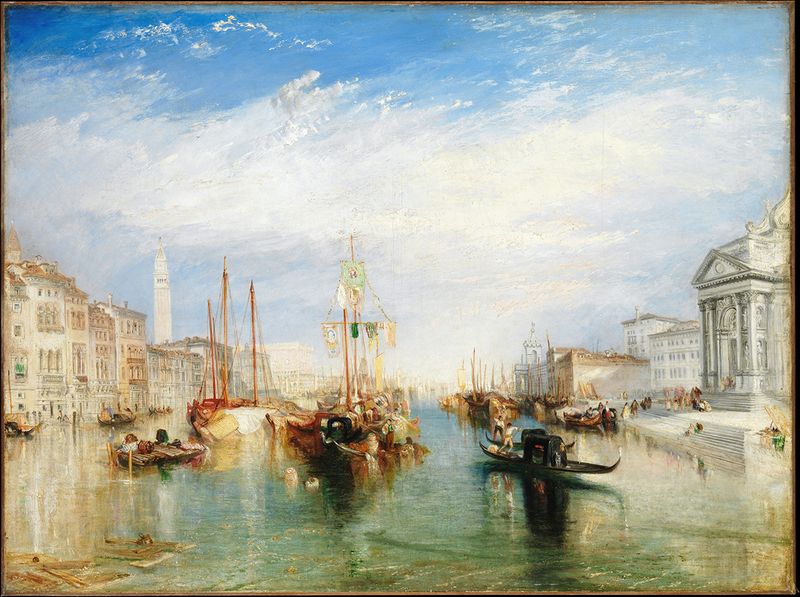
Venice, from the Porch of Madonna della Salute
Joseph Mallord William Turner
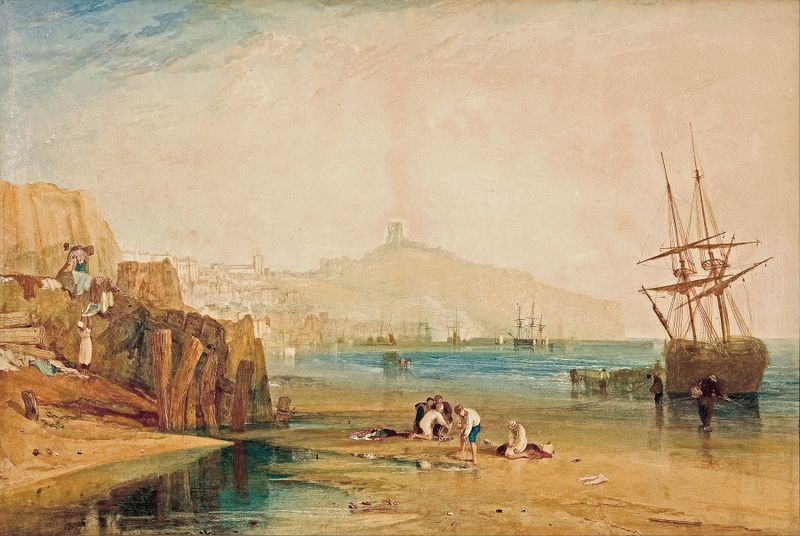
Scarborough town and castle; morning; boys catching crabs
Joseph Mallord William Turner
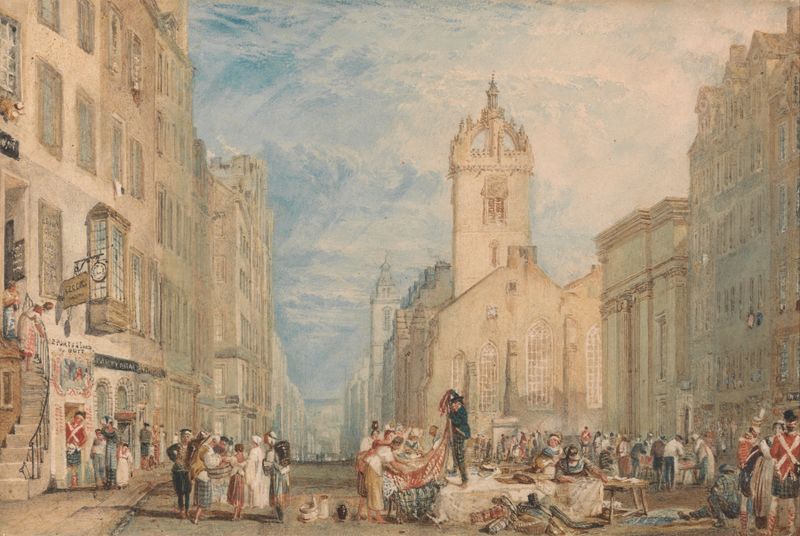
High Street, Edinburgh
Joseph Mallord William Turner




