Stained glass. Church interior — History & Facts
Who listens when art speaks of silence? Within the intricate details of stained glass lies a profound void, inviting contemplation amidst vibrant colors. Look to the left at the luminescent patterns, where shards of glass weave together to form a kaleidoscope of sacred narratives. The interplay of light and shadow dances across the church interior, illuminating the textures of the stone walls and the soft contours of wooden pews. Notice how the hues—emerald green, deep ruby, and sapphire blue—evoke a celestial rhythm, creating a harmonious atmosphere that beckons stillness. Delve deeper, and you’ll find that every piece of glass reflects both the grandeur and fragility of faith.
The radiance filtering through evokes a sacred time, yet the fragmented nature symbolizes the human experience of seeking wholeness amid chaos. This juxtaposition of light and void challenges the viewer to acknowledge their own yearning for connection, while hinting at the isolation that can accompany spiritual journeys. In 1913, Feliks Jabłczyński created this piece during a period marked by rapid change in art and society. He was exploring modernist ideas, seeking to fuse tradition with innovation in his works.
Amidst the backdrop of a world on the brink of upheaval, the artist’s vision sought to capture the transcendental beauty of faith, speaking to the universal longing for solace in the face of uncertainty.
More Artworks by Feliks Jabłczyński
Browse all →
Villa Borgia in Rome
Feliks Jabłczyński

Mariensztat Street in Warsaw
Feliks Jabłczyński
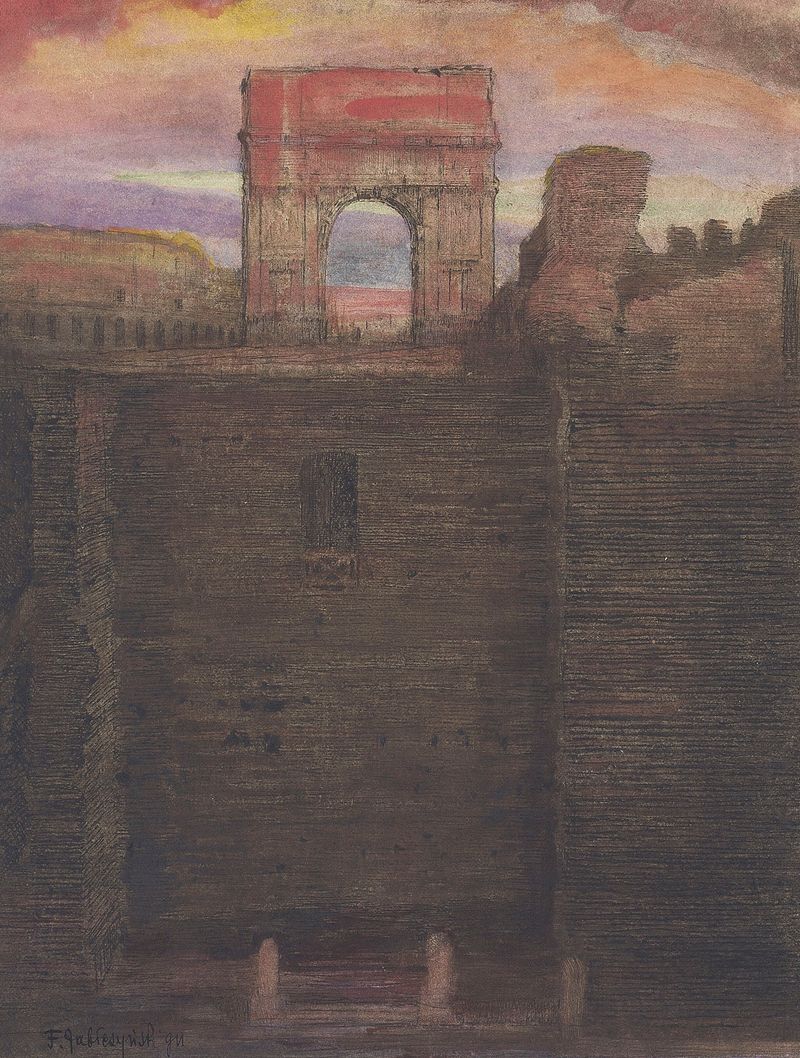
The House of Vestals and the Arch of Titus in the background
Feliks Jabłczyński
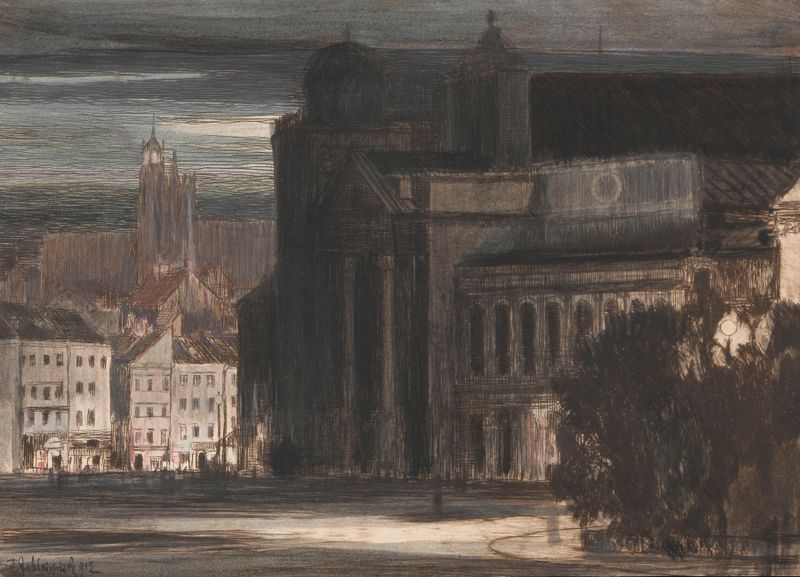
View of the Church of St. Anna and the Castle Square in Warsaw
Feliks Jabłczyński

Kaplica Boimów we Lwowie
Feliks Jabłczyński
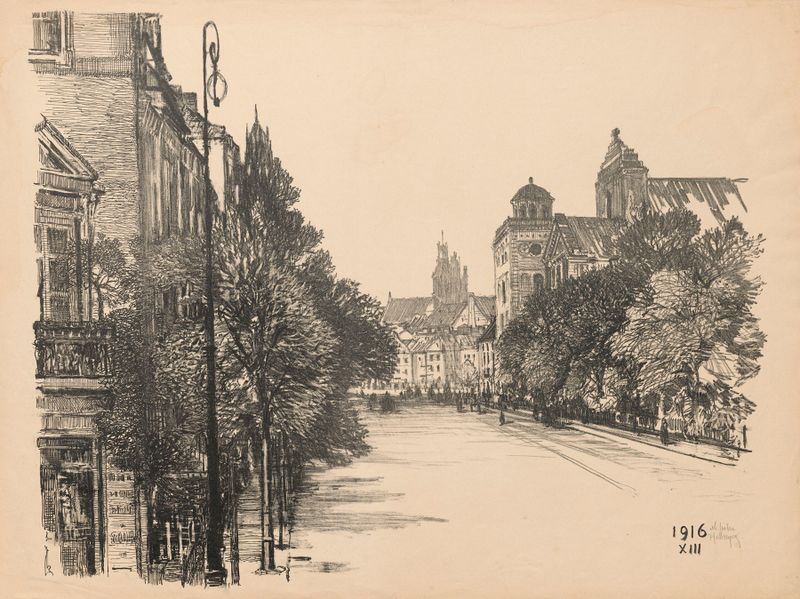
Krakowskie Przedmieście Street
Feliks Jabłczyński
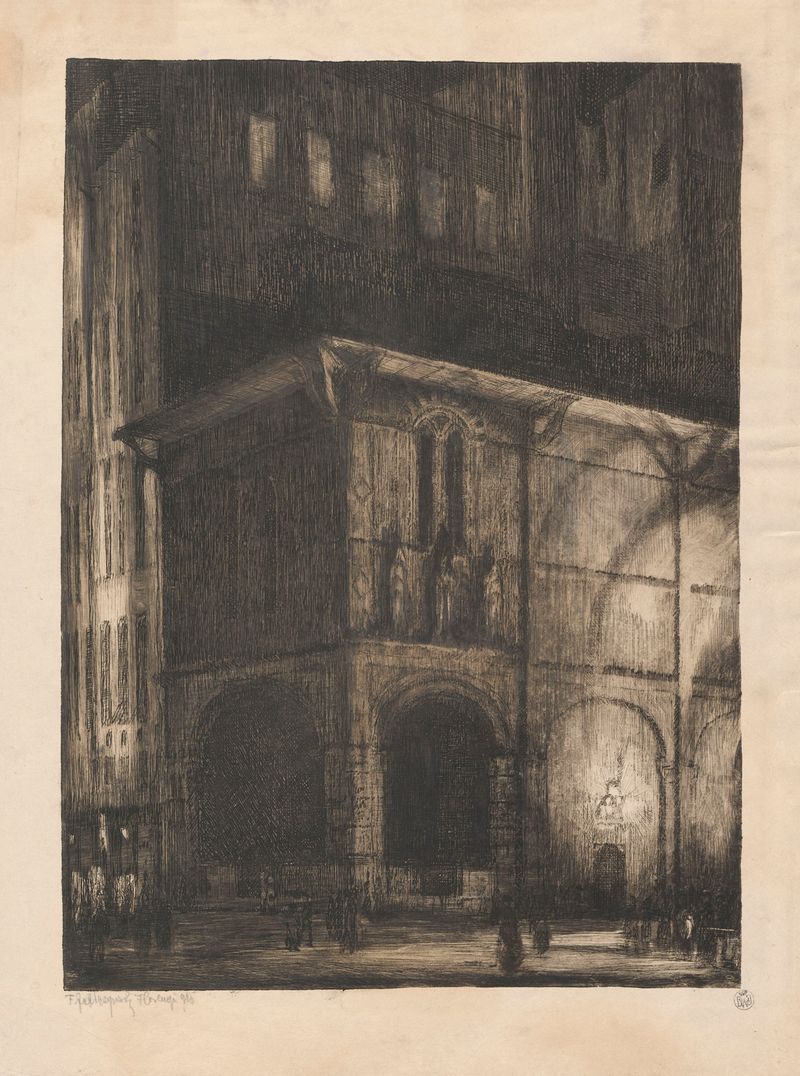
Florence
Feliks Jabłczyński
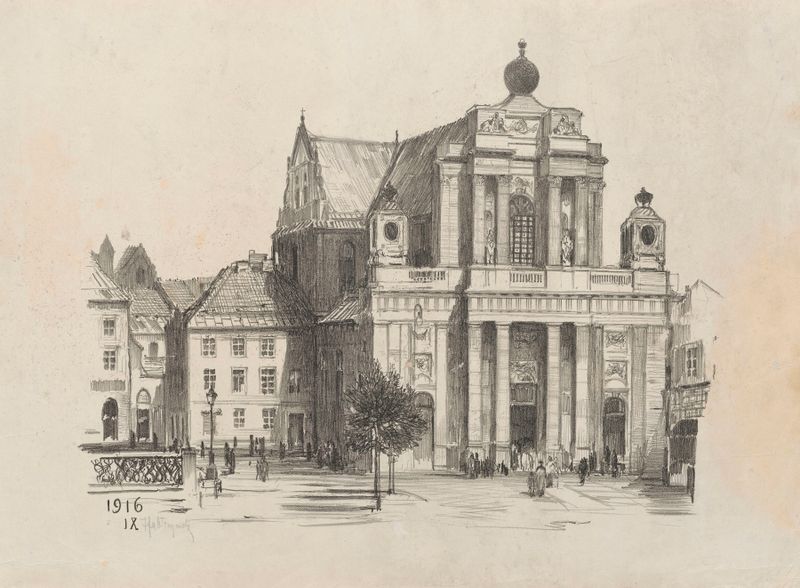
Carmelite Church.
Feliks Jabłczyński

The Visitation Sisters Church
Feliks Jabłczyński
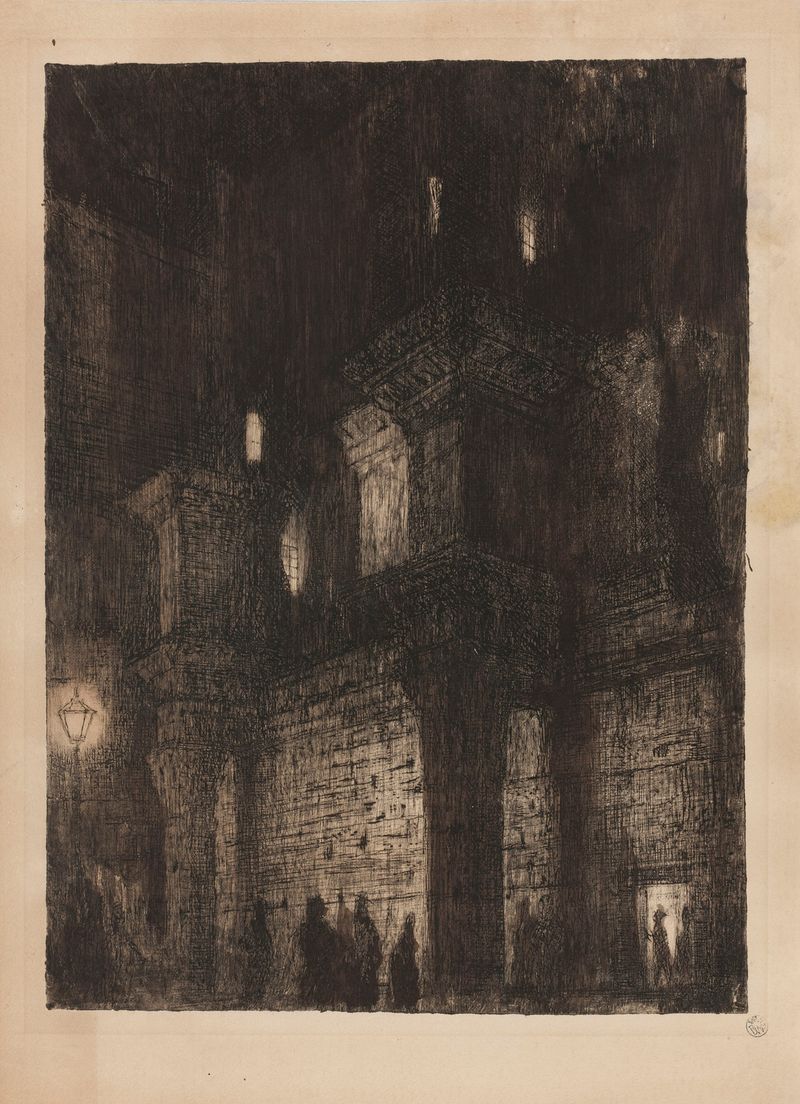
Forum Nervae
Feliks Jabłczyński