
Stal in de Binckhorst in Den Haag — History & Facts
Who listens when art speaks of silence? In a world often dominated by noise, the fragility of quiet moments captured in paint can resonate like a whisper in the ear of the observer. Focus first on the muted palette that envelops the canvas; soft browns and gentle greys interlace, evoking a sense of stillness. Observe how the horizon gently curves, leading your gaze toward the distant buildings that seem to peer cautiously into the scene. The delicate play of light across the surface hints at an early morning haze, emphasizing the isolation of the solitary figure.
Each brushstroke is deliberate, creating a textured landscape that feels both intimate and expansive. Upon closer inspection, the figure standing amidst the empty space embodies a profound emotional tension. This solitary presence suggests a poignant vulnerability amidst the vastness of the environment, reflecting existential themes of solitude and connection. The sparse surroundings amplify the fragility of human existence in contrast with the enduring structures of the city, inviting questions about our place within the world.
The silence portrayed here resonates with the subtle yet powerful yearning for connection, evoking a deep sense of empathy in the viewer. In 1914, when this work was created, the artist was based in The Hague, navigating a rapidly changing art world that was beginning to embrace modernism. Grondhout found himself amidst an era marked by both personal and global upheaval; the impending clouds of war loomed over Europe, influencing the emotional weight of his work. This painting reflects not just the external landscape, but also the internal struggles of a society on the brink of transformation, echoing the fragility of life itself.
More Artworks by Willem Adrianus Grondhout
Browse all →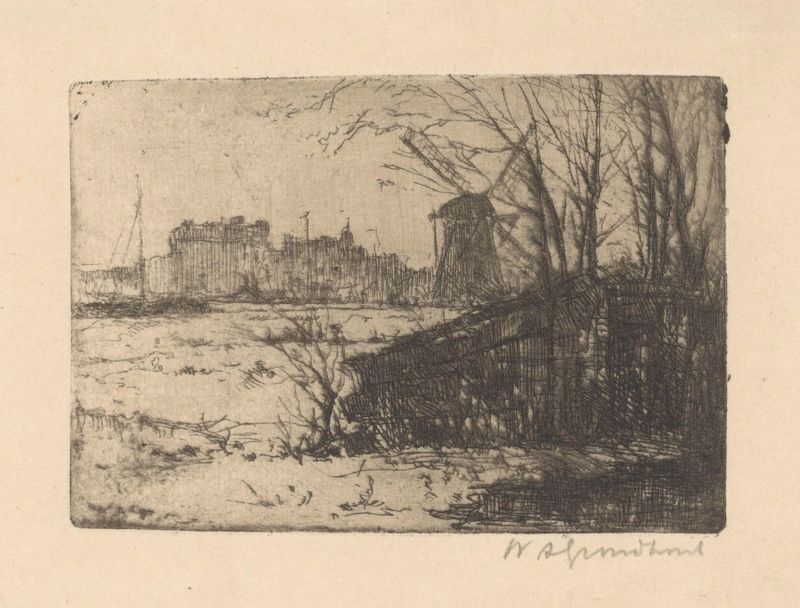
Landschap met molen in de Binckhorst in Den Haag
Willem Adrianus Grondhout
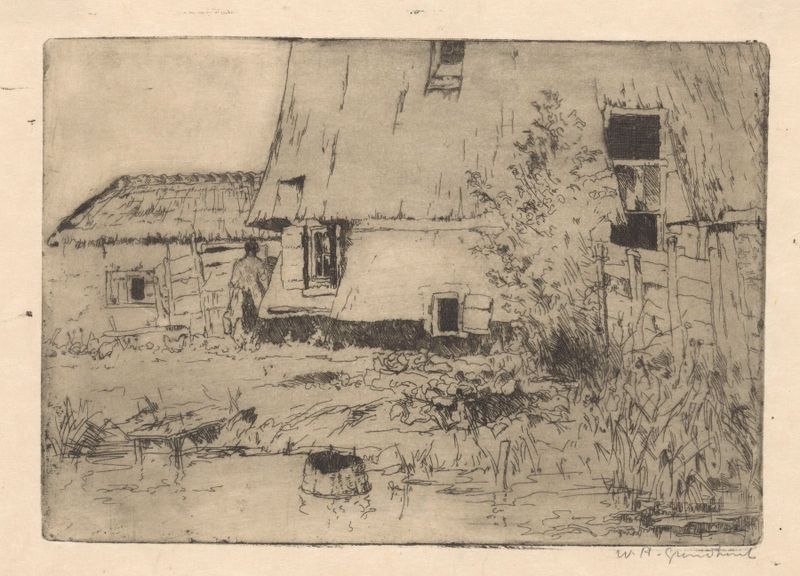
Voet van een molen in Voorburg
Willem Adrianus Grondhout
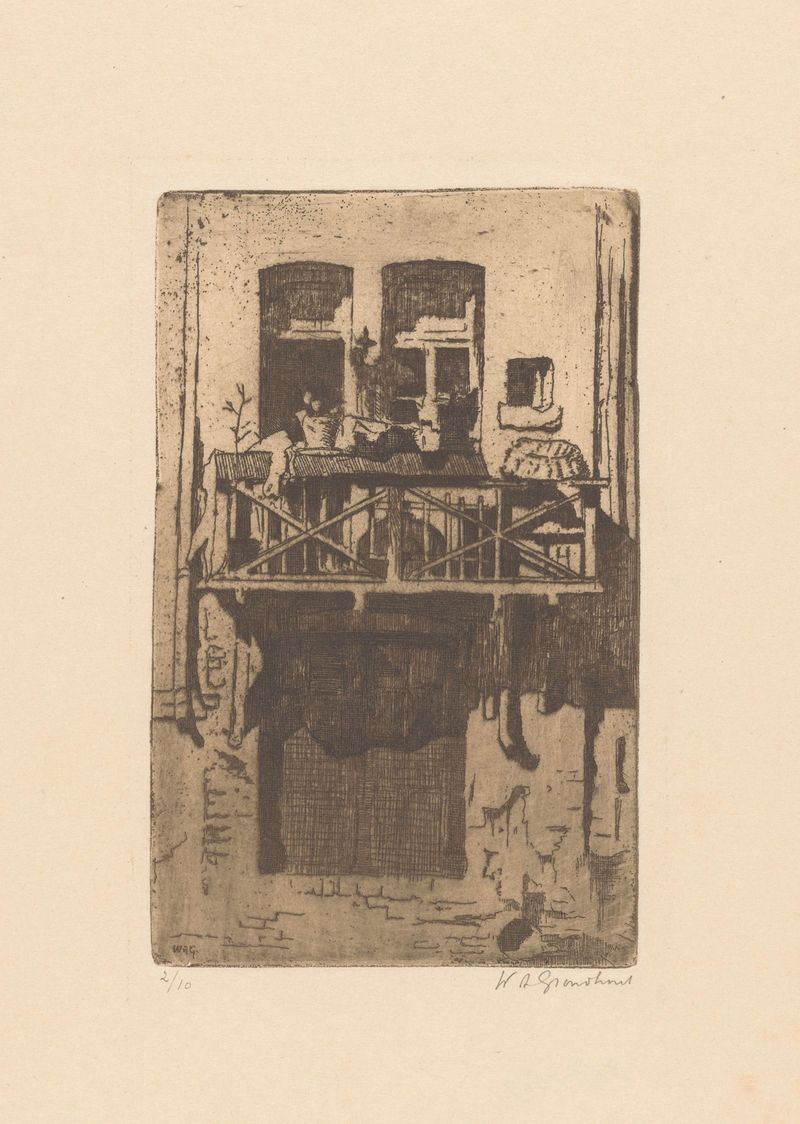
Balkon van een huis aan de Oudezijds Kolk in Amsterdam
Willem Adrianus Grondhout
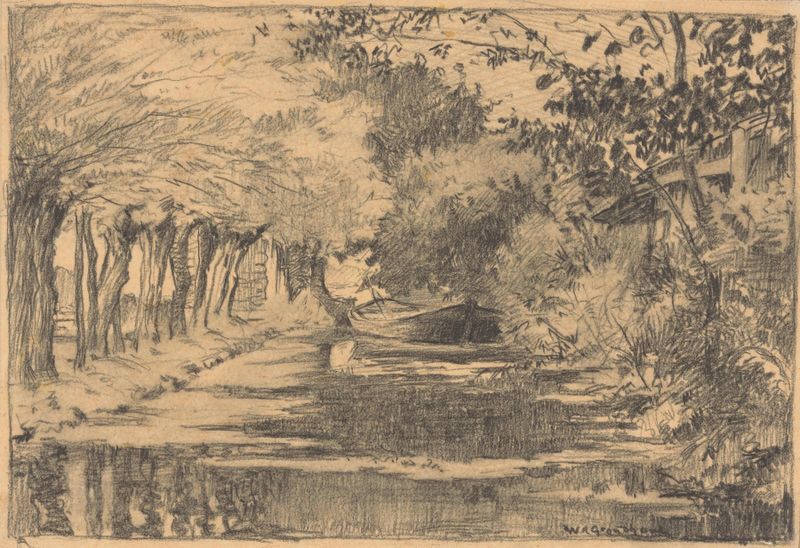
Broeksloot bij Voorburg
Willem Adrianus Grondhout
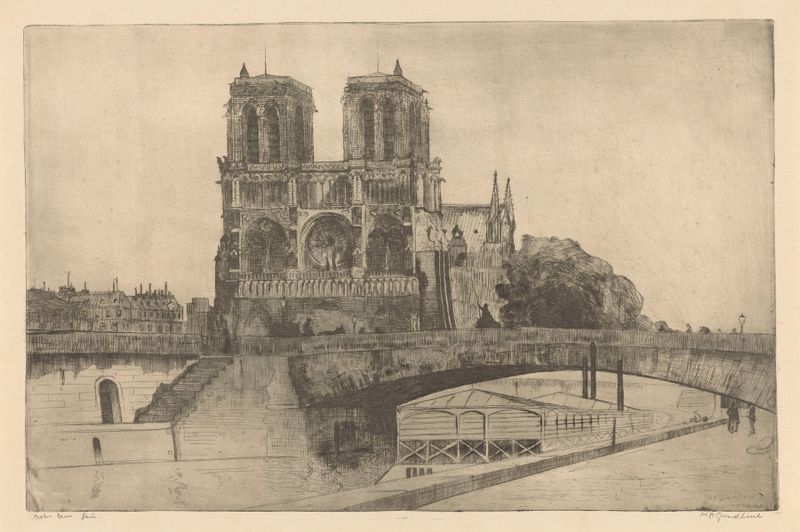
Notre-Dame, Paris
Willem Adrianus Grondhout
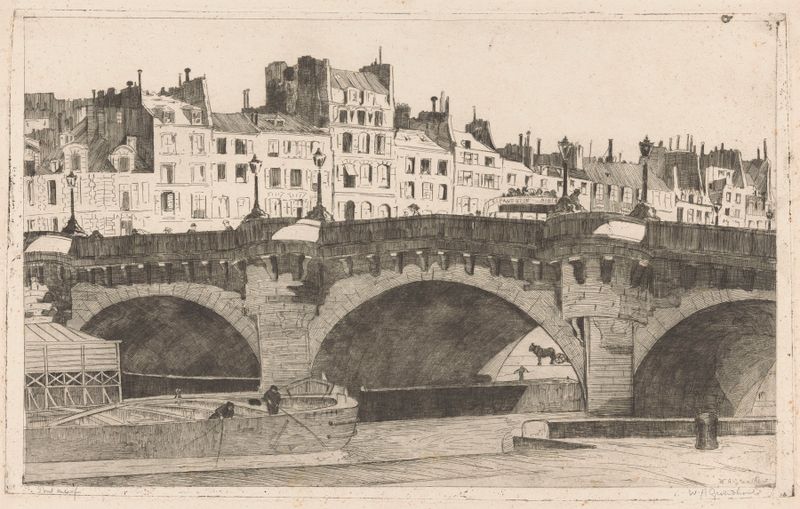
Pont Neuf
Willem Adrianus Grondhout
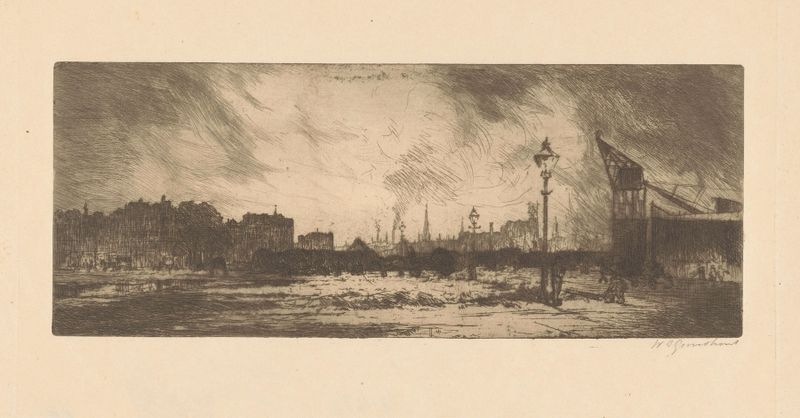
Havenkade met lantaarnpalen in Rotterdam
Willem Adrianus Grondhout
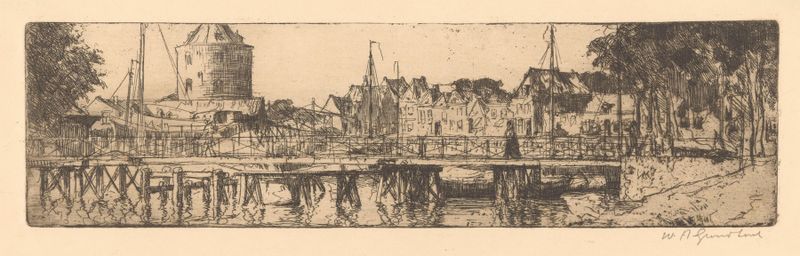
Enkhuizen
Willem Adrianus Grondhout
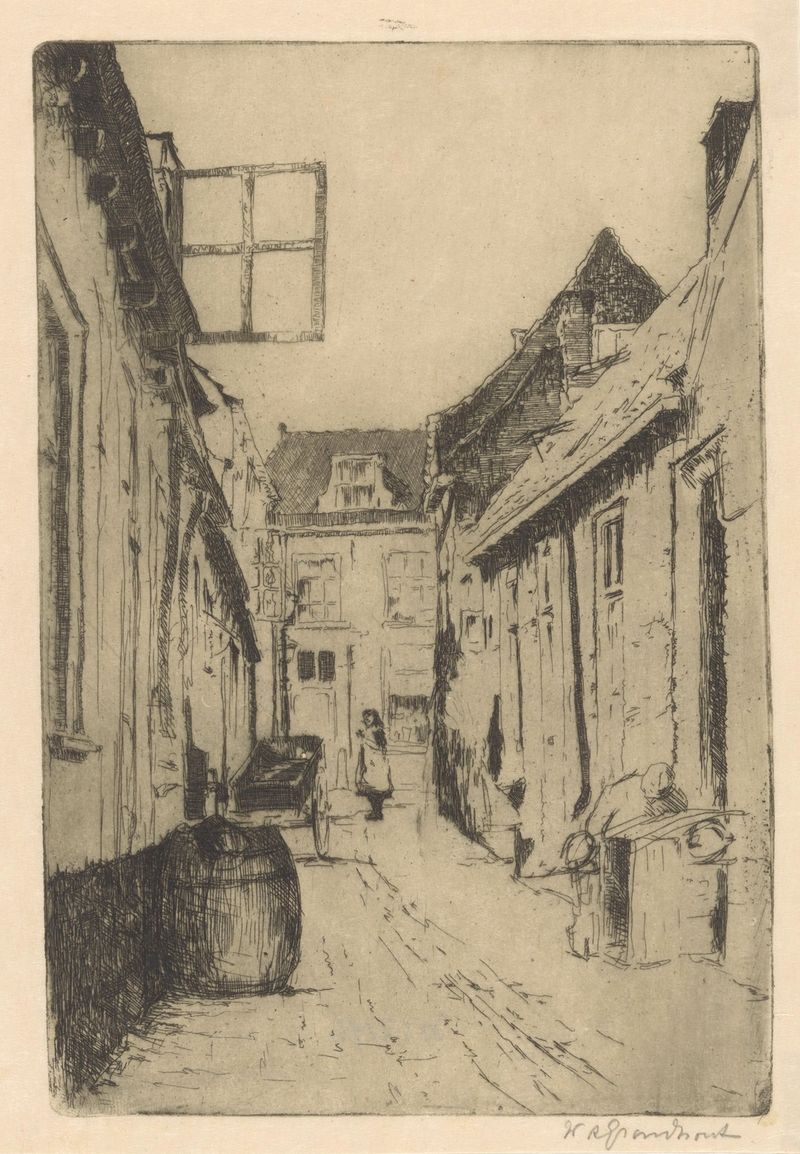
Straatje in Voorburg.
Willem Adrianus Grondhout
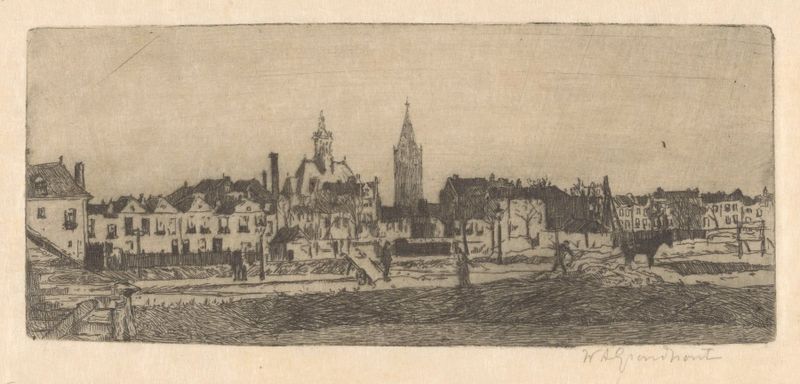
Delft
Willem Adrianus Grondhout





