Standing Man with a Stick, Facing Right — History & Facts
What first draws the eye in this drawing is the quiet, almost meditative pause of the figure—caught mid-thought, his weight resting on a simple stick. The confident, fluid lines of Standing Man with a Stick, Facing Right guide us from the tilt of his cap down to the gentle bend of his knees, suggesting both age and experience. The stick is not just a prop but a signal: this is a man at rest, perhaps after a long walk or a day’s labor, his pose relaxed yet dignified.
Rembrandt’s hand is unmistakable in the swift, searching marks that shape the folds of the coat and the suggestion of a beard, giving the figure a lived-in presence. Drawings like this, made in the early 17th century, were often exercises in observation—tools for artists to study gesture, clothing, and character. In Rembrandt’s time, such studies were rarely meant for public display; they served as the private laboratory of the artist’s eye and hand. The year 1629 places this work in the artist’s early career, when he was already gaining a reputation in Leiden for his penetrating studies of ordinary people.
History has kept few traces of the specific stories behind these models, but the immediacy of the line invites us to imagine the world they inhabited—one where the everyday was always worthy of close attention. Look again at the man’s stance and the play of shadow: in these simple marks, a whole life seems to flicker into view.
More Artworks by Rembrandt van Rijn
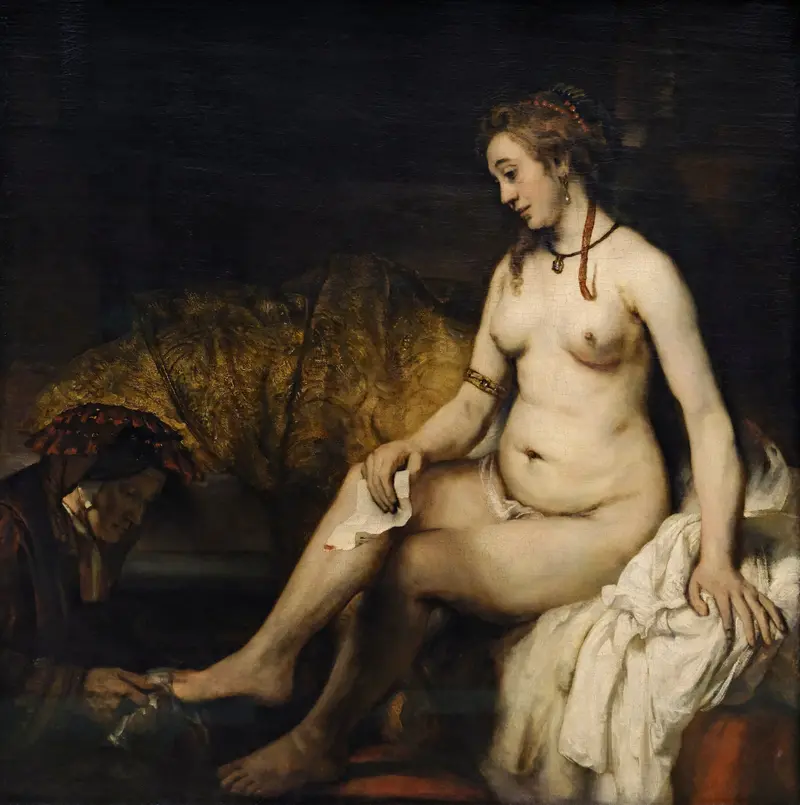
Bathsheba at Her Bath
Rembrandt van Rijn
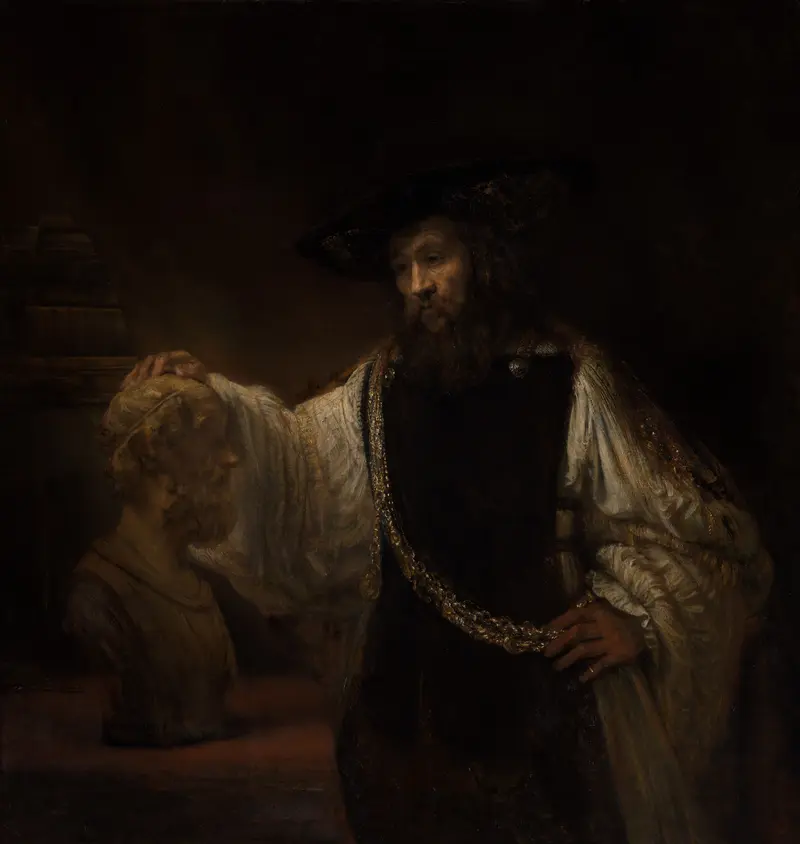
Aristotle with a Bust of Homer
Rembrandt van Rijn
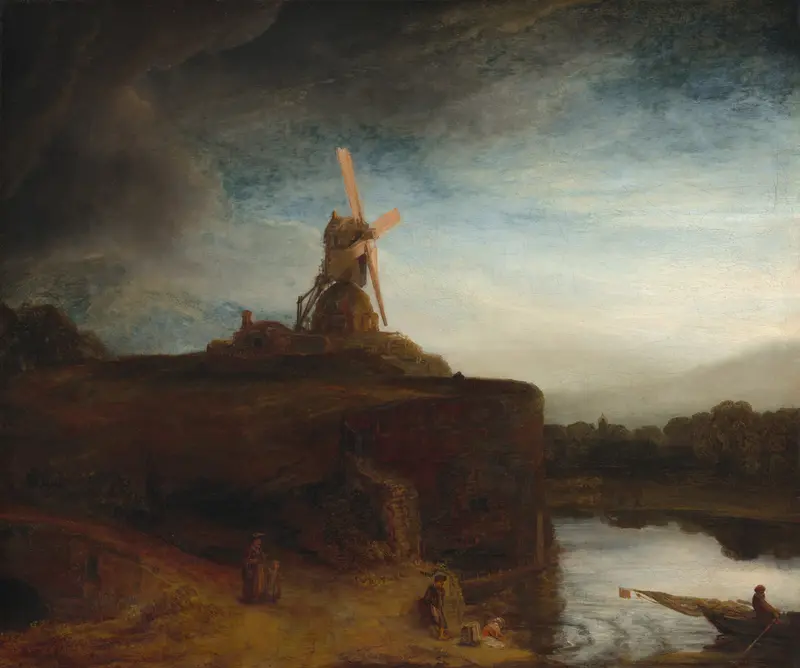
The Mill
Rembrandt van Rijn
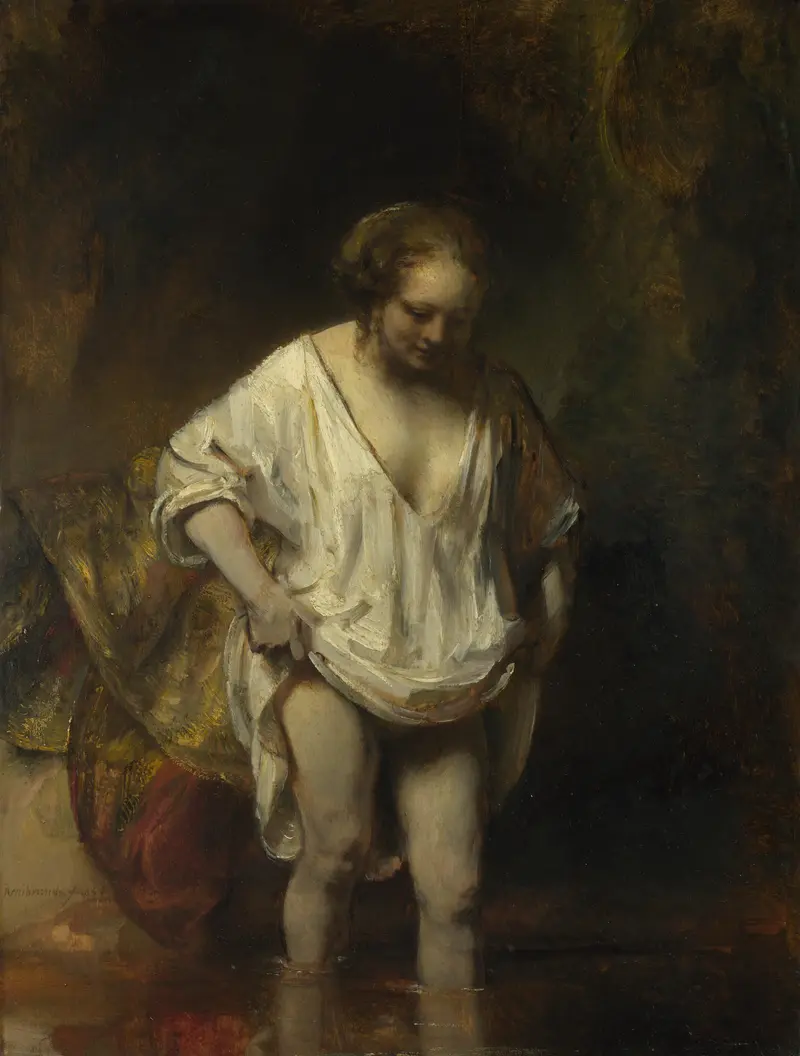
A Woman Bathing in a Stream
Rembrandt van Rijn
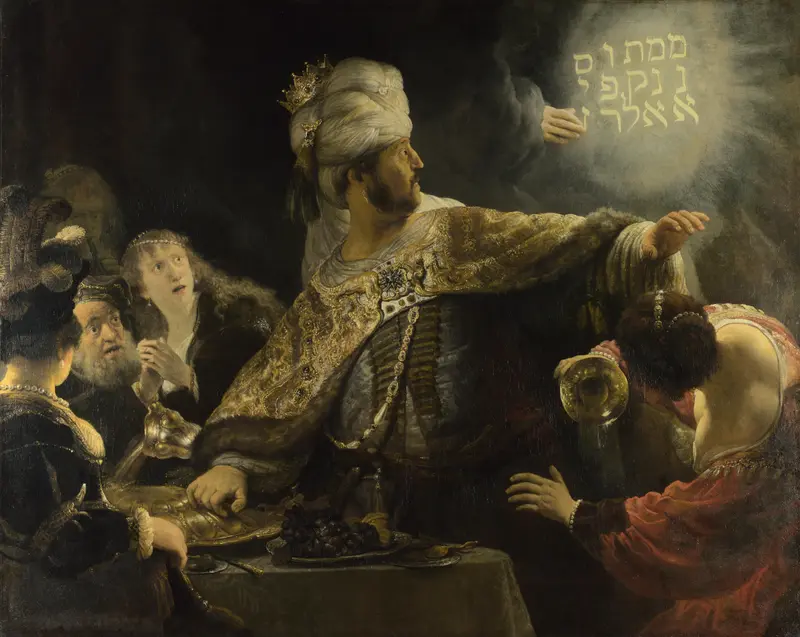
Belshazzar’s Feast
Rembrandt van Rijn
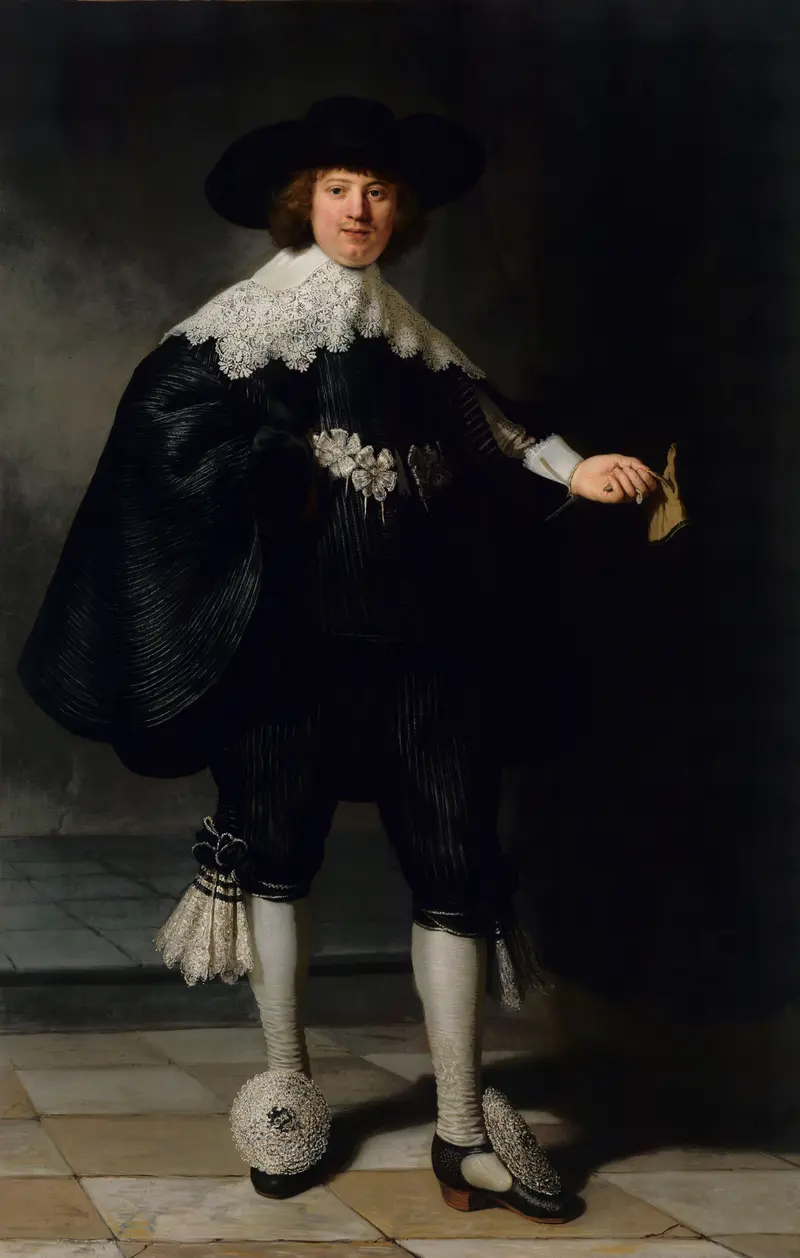
Portrait of Marten Soolmans
Rembrandt van Rijn
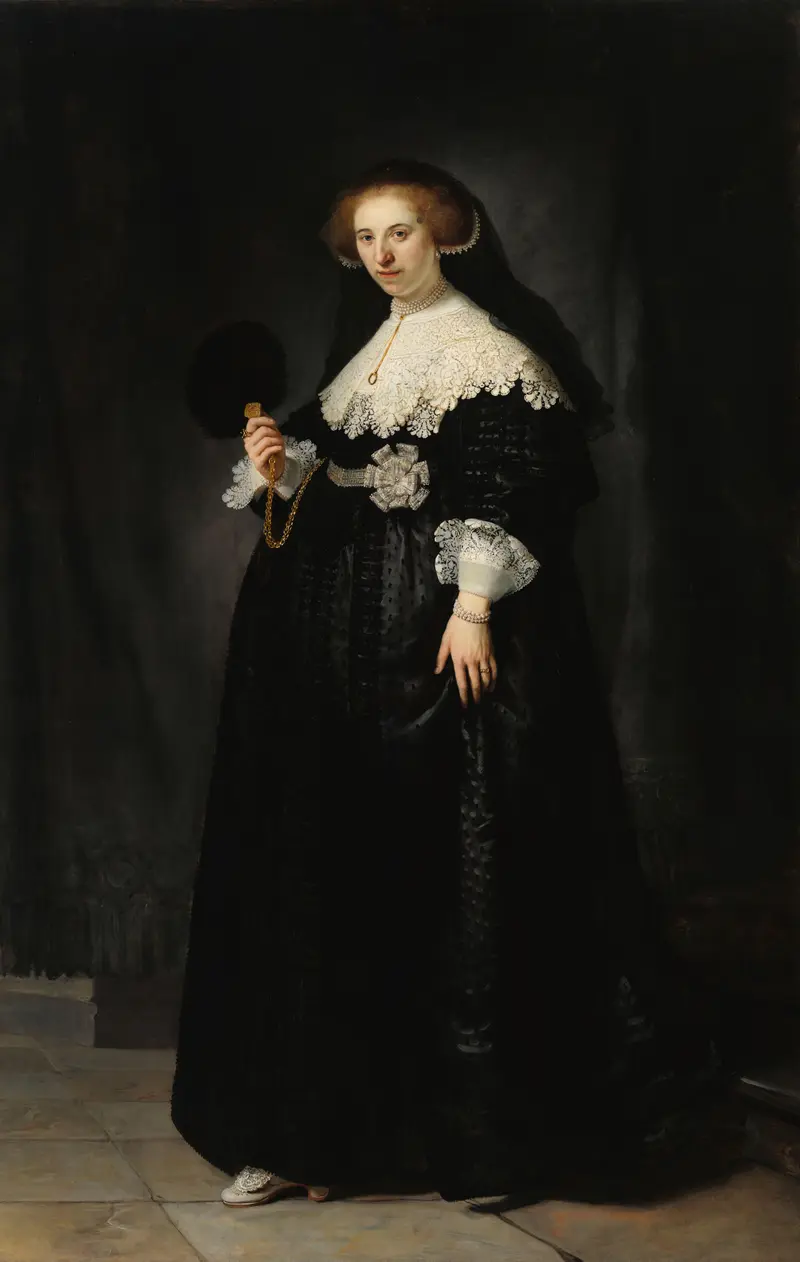
Portrait of Oopjen Coppit
Rembrandt van Rijn

The Prodigal Son in the Tavern
Rembrandt van Rijn
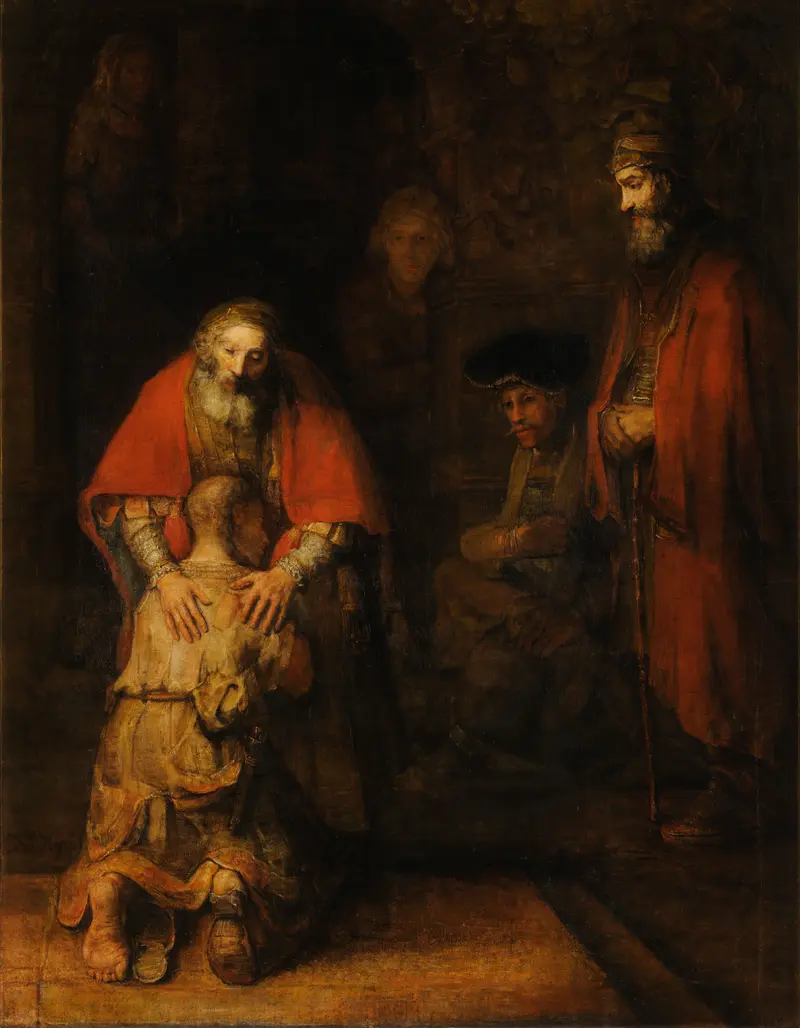
The Return of the Prodigal Son
Rembrandt van Rijn
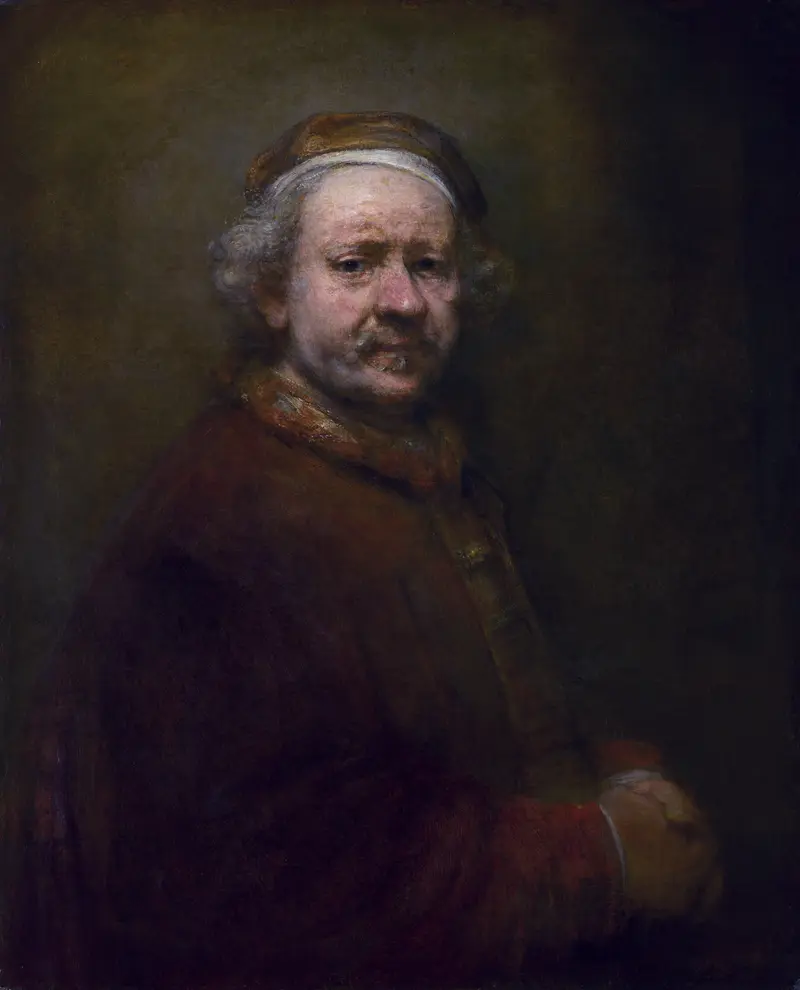
Self-Portrait at the Age of 63
Rembrandt van Rijn