
Stapel hout voor een boerderij in het weiland — History & Facts
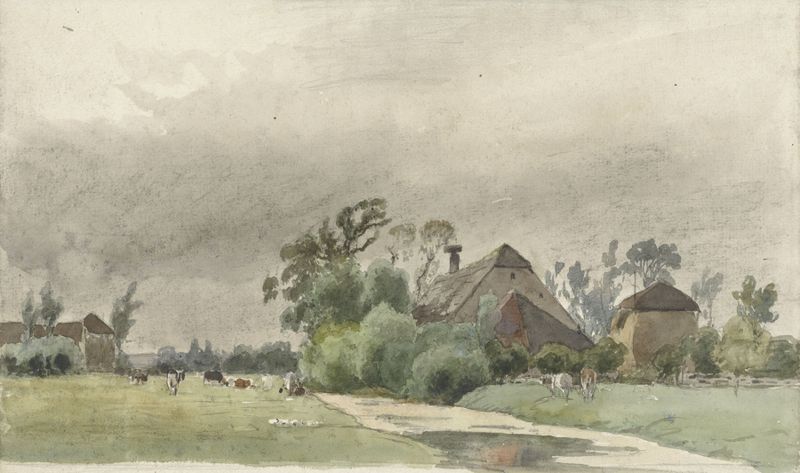
Could beauty survive in a century of chaos? This question hangs over the tranquil landscape captured in Stapel hout voor een boerderij in het weiland, inviting us to explore the delicate balance between nature and human endeavor. Look to the foreground where neatly stacked wood forms a serene focal point, drawing the viewer's eye. The earthy tones of the timber contrast beautifully with the vibrant greens of the surrounding fields, while soft morning light caresses the scene, illuminating the subtle textures of both wood and grass. The barn in the background, partially obscured by a gentle haze, suggests a harmonious coexistence with its environment, evoking a sense of peace and stability. Delving deeper, we uncover the emotional tension inherent in the composition.
The stacked wood signifies preparation and industriousness, a quiet nod to the relentless march of time and the survival instincts of rural life. Yet, the pastoral setting evokes a fleeting tranquility that may be threatened by the encroachment of modernity. This juxtaposition between the steady hands of labor and the ephemeral beauty of the landscape prompts reflection on the fragility of our connection to nature. Julius Jacobus van de Sande Bakhuyzen created this work in the early 20th century, a period marked by rapid industrialization and social upheaval.
Living in the Netherlands, he sought to capture the essence of rural life during a time when such depictions were increasingly rare. As artists began to explore the tumult of modernity, he remained committed to portraying the harmonious relationship between man and nature, emphasizing the importance of balance in an ever-changing world.
More Artworks by Julius Jacobus van de Sande Bakhuyzen
Browse all →
Bomen zich spiegelend in het water bij een bewolkte lucht
Julius Jacobus van de Sande Bakhuyzen

Koe grazend in een weide
Julius Jacobus van de Sande Bakhuyzen
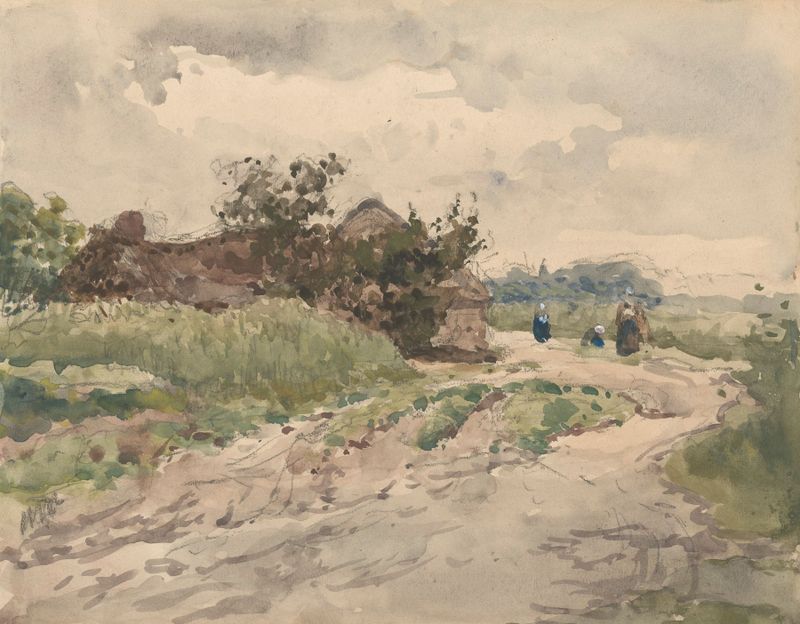
Landweg met enkele figuren, leidend naar een boerderij
Julius Jacobus van de Sande Bakhuyzen

Tropisch kustlandschap
Julius Jacobus van de Sande Bakhuyzen
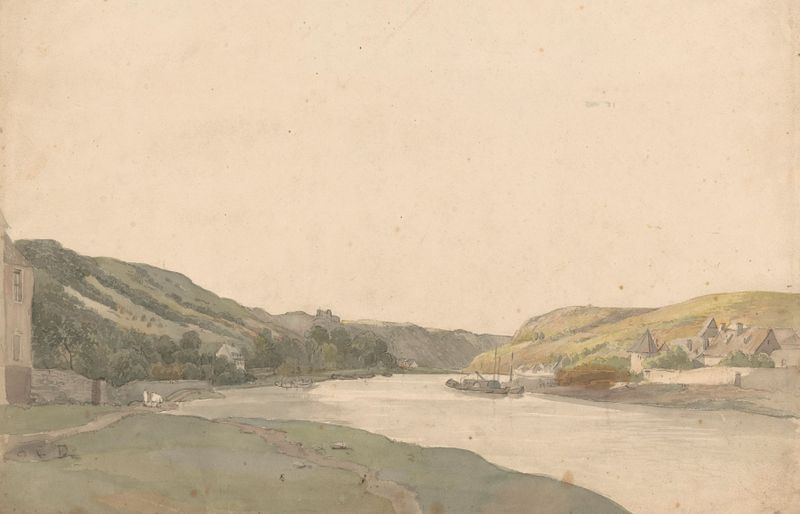
Gezicht op de Maas
Julius Jacobus van de Sande Bakhuyzen
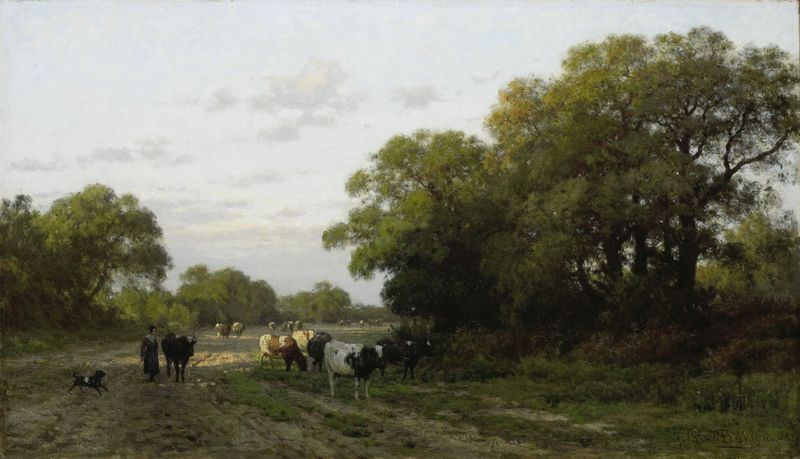
Landschap in Drenthe
Julius Jacobus van de Sande Bakhuyzen

Beboste kust van een meer
Julius Jacobus van de Sande Bakhuyzen

Boerderij onder hoge bomen met water op de voorgrond
Julius Jacobus van de Sande Bakhuyzen
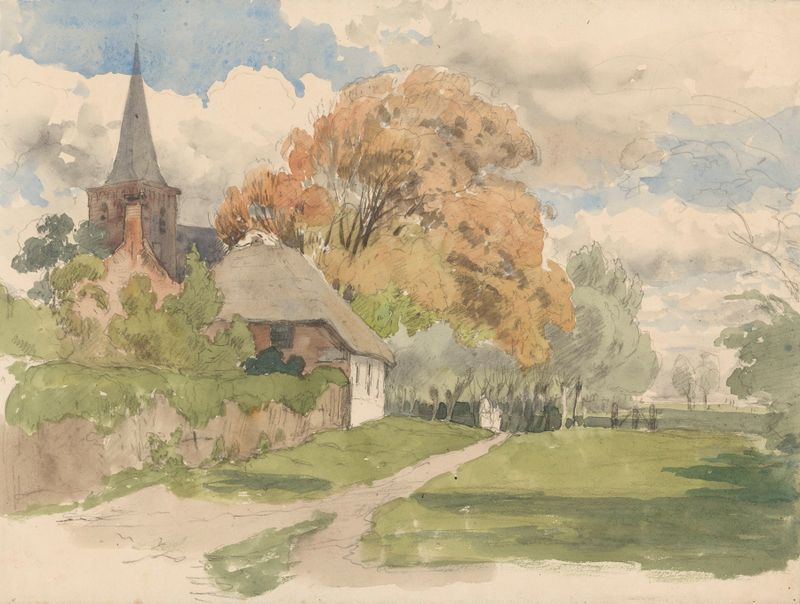
Erf bij een dorpskerk
Julius Jacobus van de Sande Bakhuyzen
Vaart leidend naar een boerderij
Julius Jacobus van de Sande Bakhuyzen





