Static-Dynamic Gradation — History & Facts
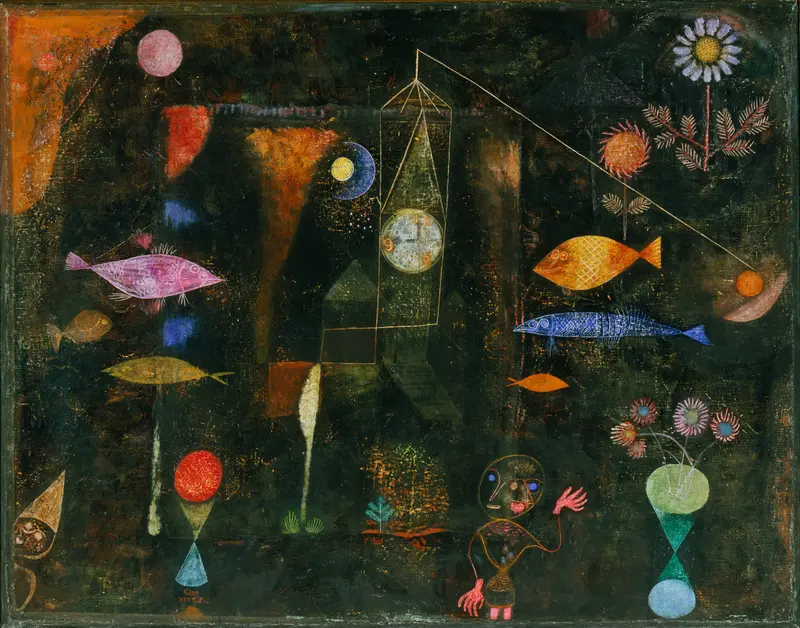
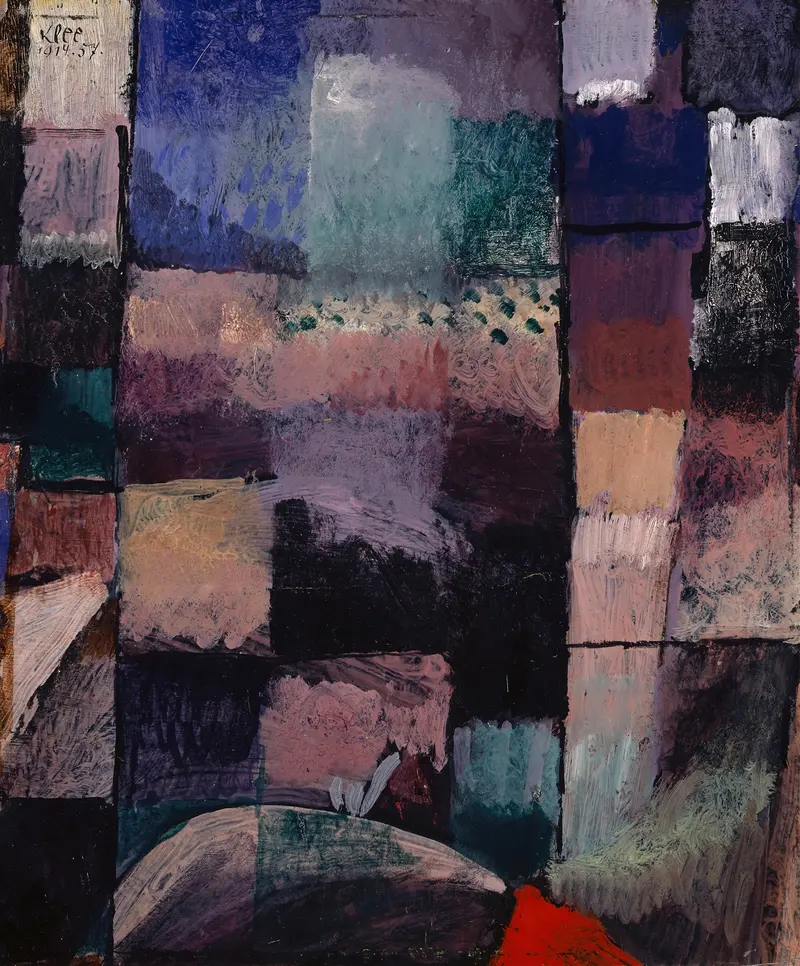
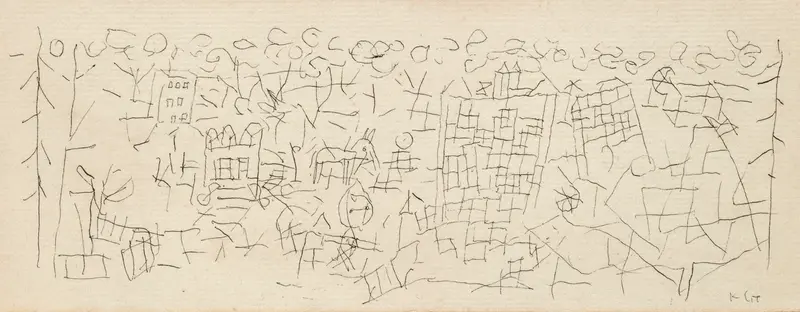
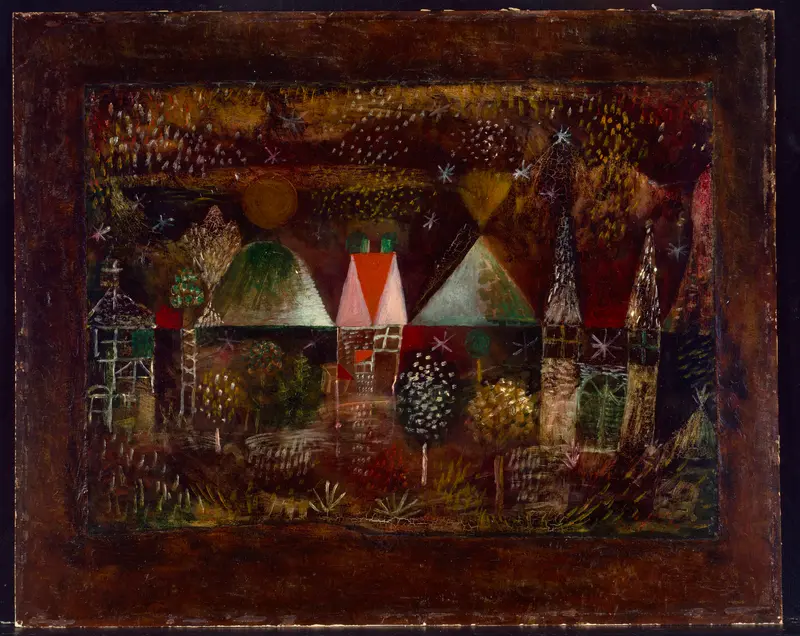
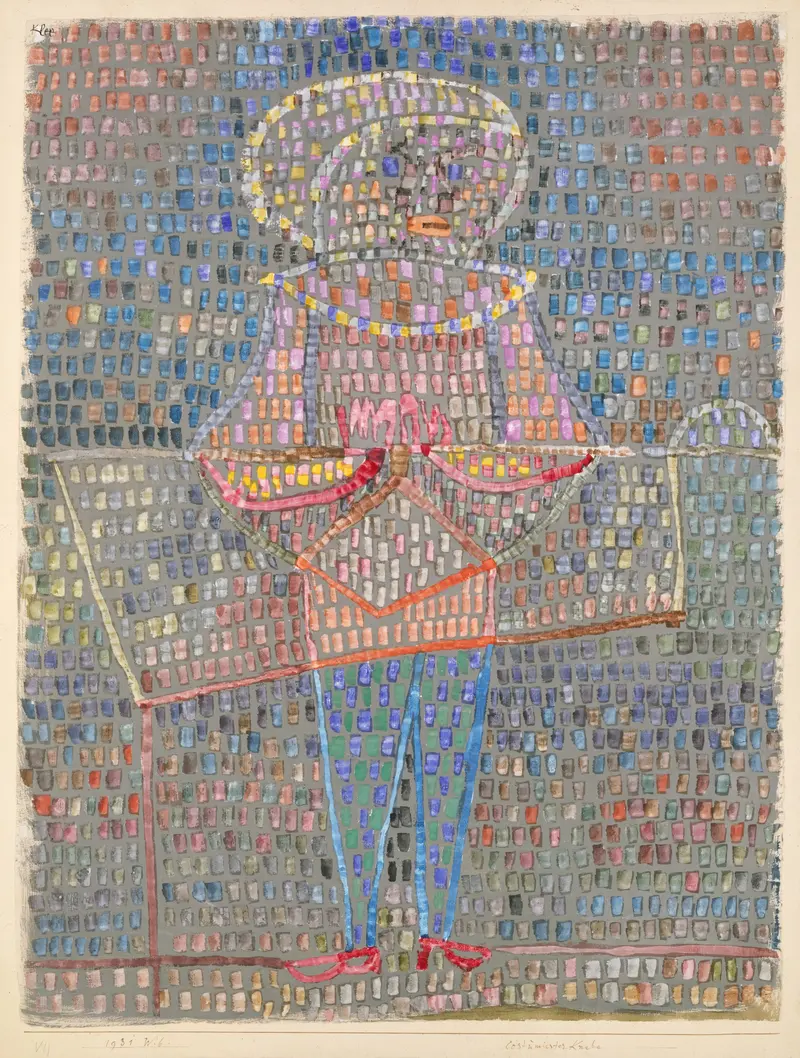
In Static-Dynamic Gradation, Paul Klee uses a vibrant palette of colors that blend and contrast with one another. The composition features geometric shapes and lines that create a sense of movement and rhythm. The interplay of static and dynamic elements invites the viewer to explore the balance between stability and change.
Overall, the painting evokes a feeling of energy and fluidity. The painting is characterized by its use of bold colors and abstract forms, typical of Klee's modernist style. The layering of colors creates depth, while the geometric shapes suggest a structured yet dynamic composition. Viewers can observe Klee's unique brushwork, which adds texture and complexity to the piece.
The work exemplifies Klee's exploration of color theory and its emotional impact. Paul Klee was a key figure in the development of modern art, known for his innovative use of color and form. Static-Dynamic Gradation reflects his interest in the relationship between color and emotion. An interesting fact about this work is that it was created during a period when Klee was experimenting with the concept of 'invisible' forms, aiming to express ideas beyond the visible world.
This painting is a testament to his unique vision and artistic exploration.