
Steeg in Leiden — History & Facts
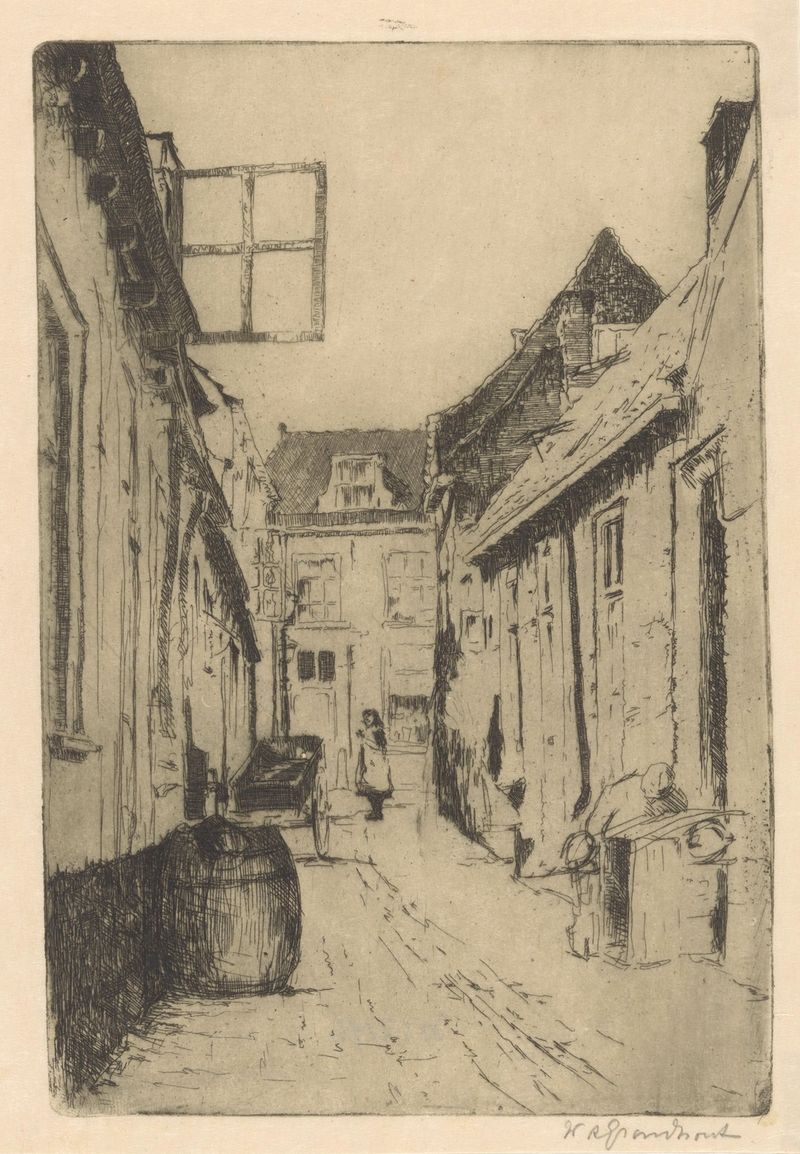
In the realm of color, hidden truths emerge, whispering secrets to those who dare to listen. Look to the left at the brilliant hues of blue, where the water reflects a soft, ethereal light that dances over its surface. This serene palette draws you in, inviting contemplation, while the gentle strokes of muted green frame the scene, grounding the composition in earthly tones. Notice the poised architecture of the buildings, their façades rendered with precise detail, each window a portal to untold stories that await discovery. Delve deeper into the interplay of color and light; the vibrant blues contrasted with earthy greens evoke a serene harmony, yet there’s an underlying tension.
The stillness of the scene belies a sense of longing, as if the muted emotions of those who once walked these streets echo in the silence. Keep an eye on the subtle gradients where shadows meet light, hinting at the duality of existence—both tranquil and turbulent. Created between 1888 and 1934, this work hails from a period when Willem Adrianus Grondhout was exploring the beauty of everyday life in the Netherlands. During this time, Europe was undergoing significant cultural transitions, and the art world was grappling with movements that sought to redefine reality.
Grondhout’s focus on the quiet moments of life reflects this complexity, capturing the essence of a world in transformation, yet rooted in the familiar serenity of its landscapes.
More Artworks by Willem Adrianus Grondhout
Browse all →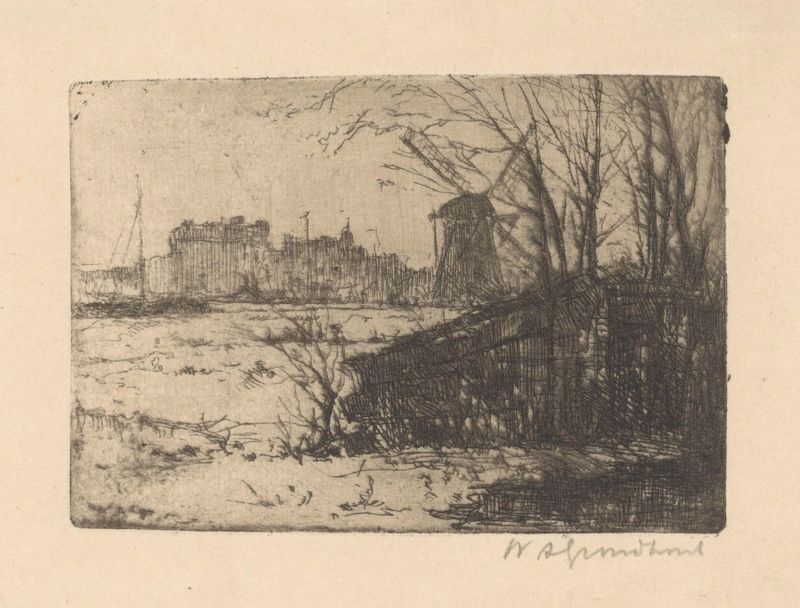
Landschap met molen in de Binckhorst in Den Haag
Willem Adrianus Grondhout
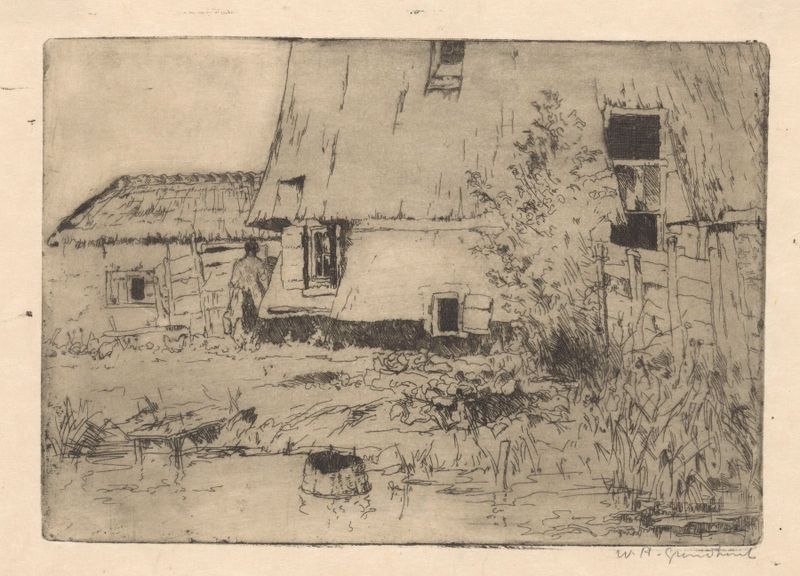
Voet van een molen in Voorburg
Willem Adrianus Grondhout
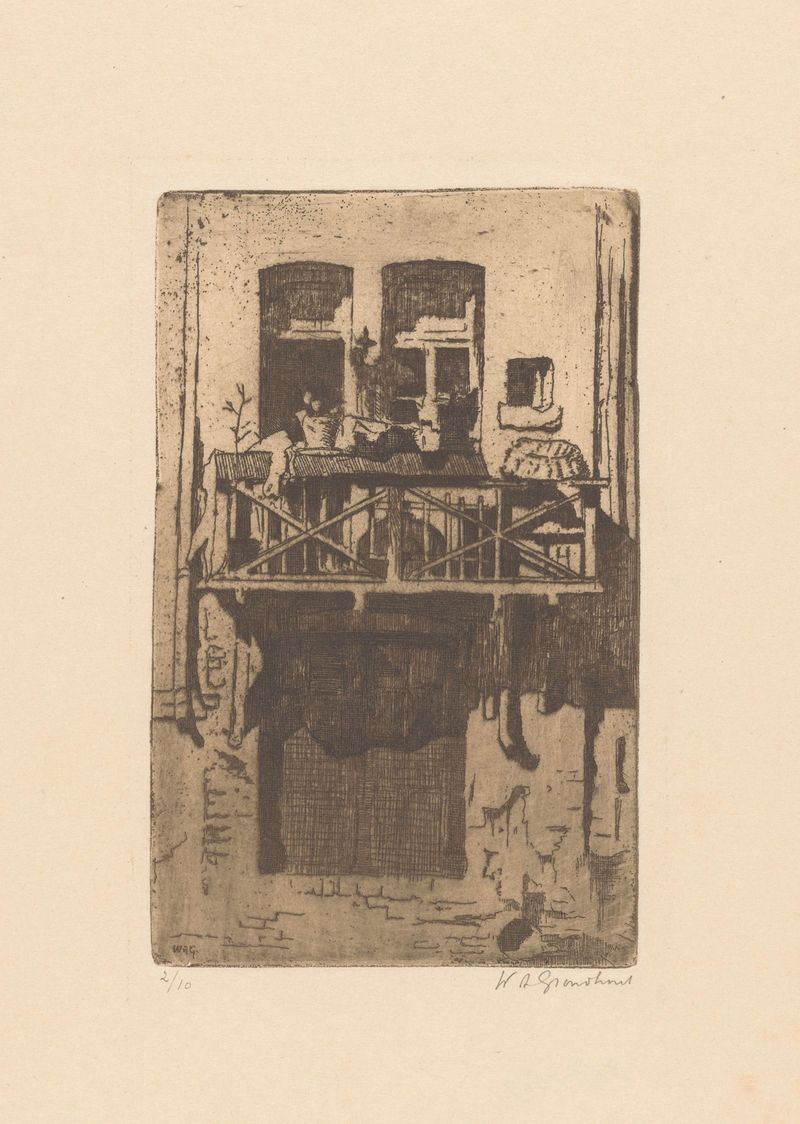
Balkon van een huis aan de Oudezijds Kolk in Amsterdam
Willem Adrianus Grondhout
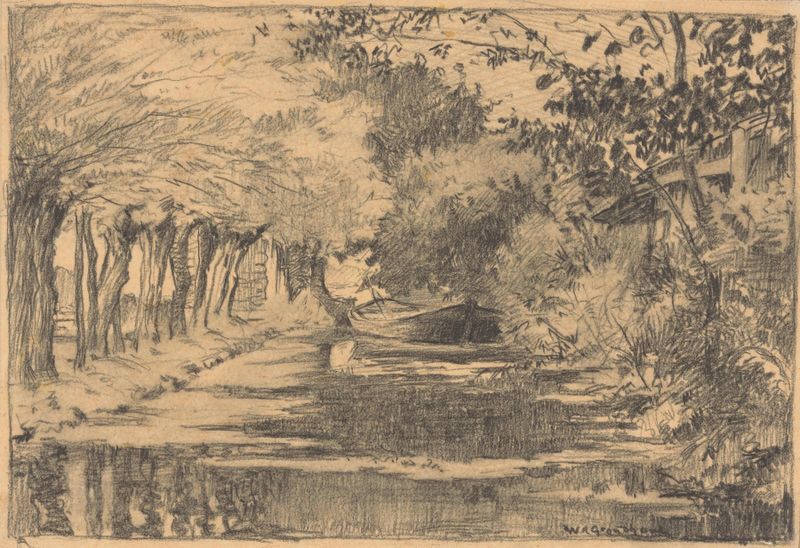
Broeksloot bij Voorburg
Willem Adrianus Grondhout
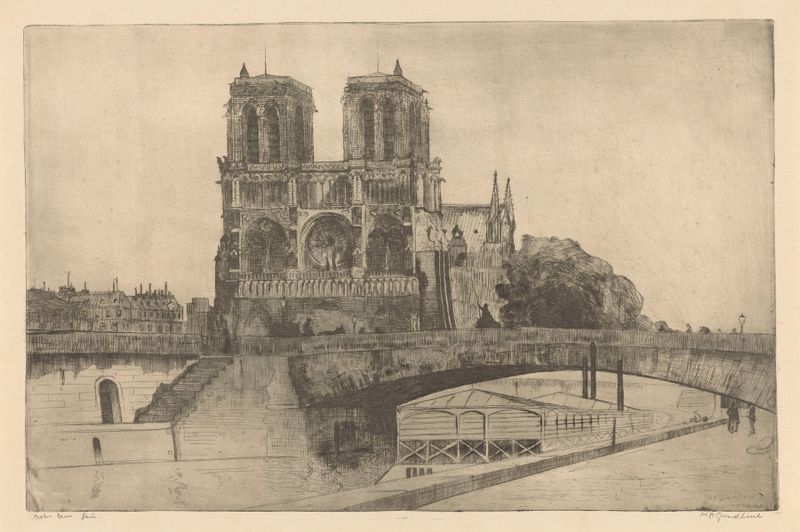
Notre-Dame, Paris
Willem Adrianus Grondhout
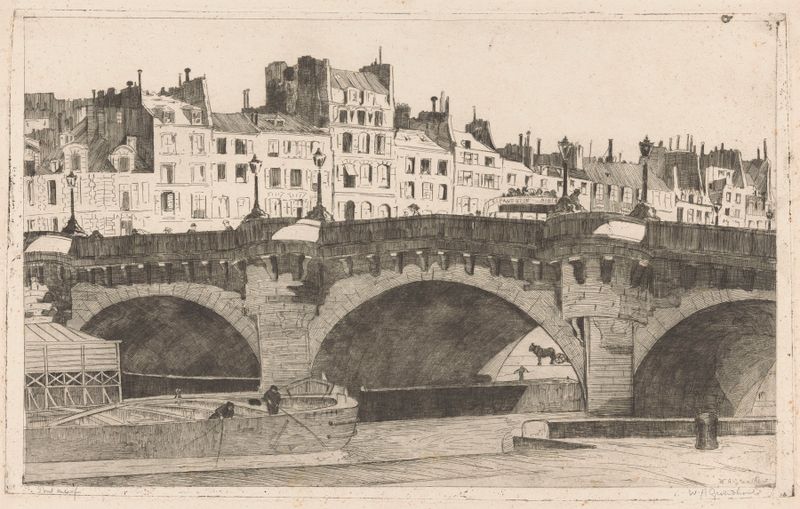
Pont Neuf
Willem Adrianus Grondhout
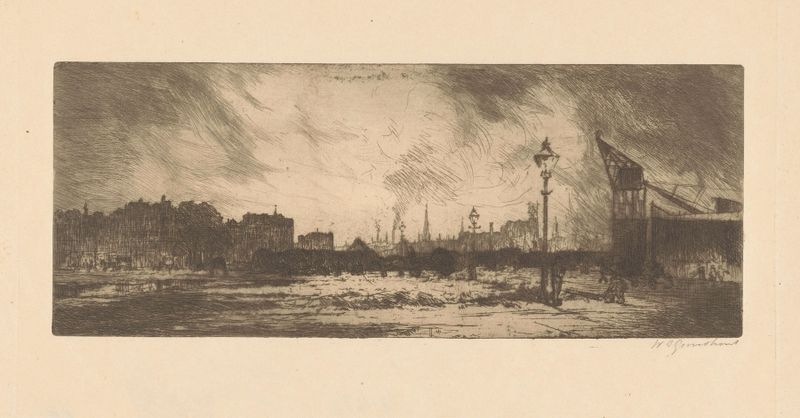
Havenkade met lantaarnpalen in Rotterdam
Willem Adrianus Grondhout
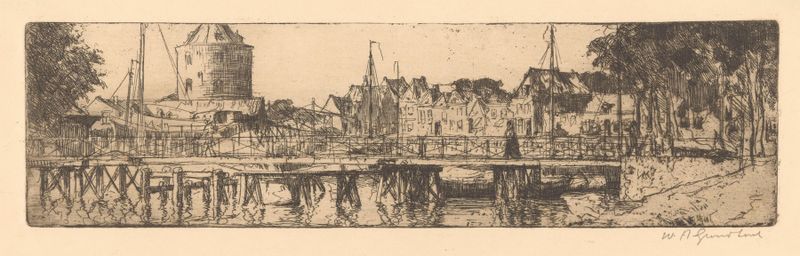
Enkhuizen
Willem Adrianus Grondhout
Straatje in Voorburg.
Willem Adrianus Grondhout
Delft
Willem Adrianus Grondhout





