
Steppe foothills of the South Urals (South foothills of the Urals) — History & Facts
The first thing that catches the eye in Steppe foothills of the South Urals (South foothills of the Urals) is the sheer breadth of space: a sweep of grass and rolling hills that seems to stretch beyond the edges of the canvas itself. The artist, Apollinari Mikhailovich Vasnetsov, leads the viewer’s gaze from the pale, textured grasses in the foreground to the distant, blue-shadowed ridges, creating a sense of endless openness. There is no dramatic event or bustling scene—just the quiet, persistent presence of the land.
The subtle shifts in green and gold, the scattered touches of brown, and the faint outline of a building or two all serve to anchor the viewer in a specific place, yet the horizon remains elusive, almost dreamlike. The sky, pale and softly clouded, dominates the upper half, lending the scene a gentle, contemplative mood. Painted in 1890, this landscape belongs to a moment in Russian art when painters turned their attention to the vastness and variety of their homeland. Works like this, often commissioned or collected by those with a growing sense of national identity, were not just records of geography but invitations to reflect on the character of Russia itself.
The South Urals would have been both familiar and remote to many viewers, a symbol of the country’s immense scale and natural wealth. While little is recorded about the particular journey of this painting, it now resides in a Russian collection, as documented in the state catalogue. Its quiet presence reminds us that sometimes, the most enduring stories are those told by the land itself—inviting us to linger, to look again, and to imagine the lives shaped by such horizons.
More Artworks by Apollinari Mikhailovich Vasnetsov

Landscape With Lake
Apollinari Mikhailovich Vasnetsov
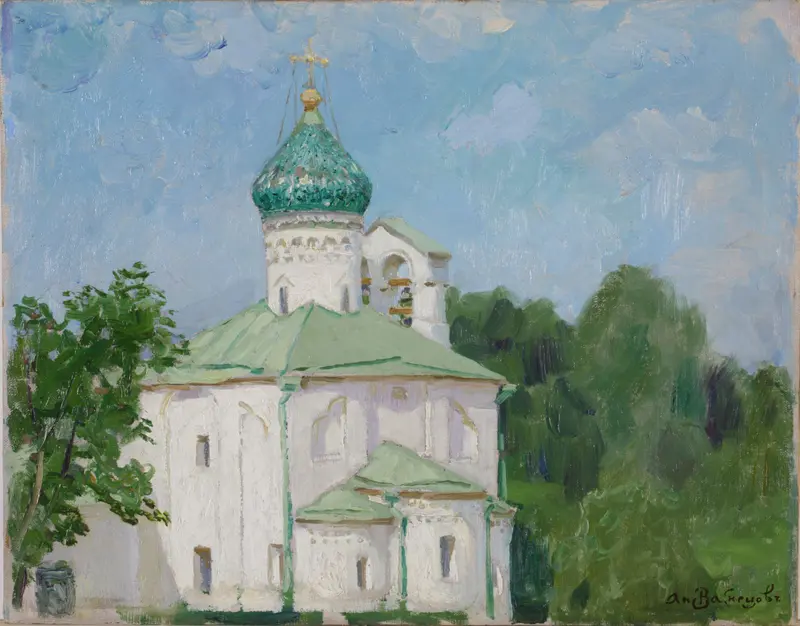
Sergius Luzhki
Apollinari Mikhailovich Vasnetsov
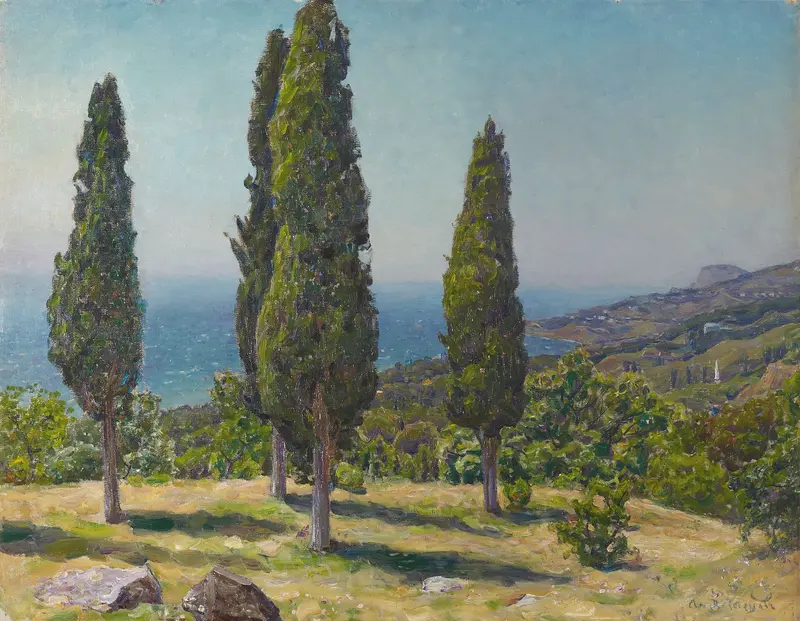
cypresses. Crimea
Apollinari Mikhailovich Vasnetsov
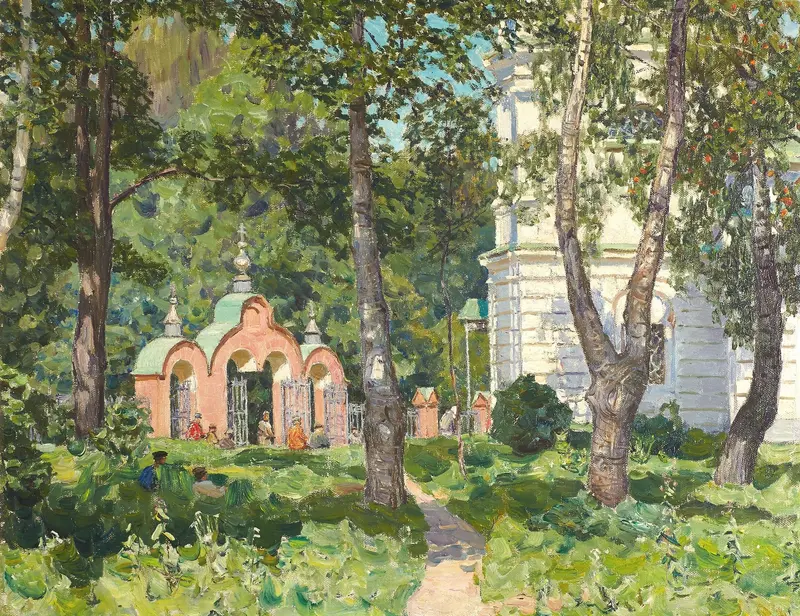
Demyanovo. At the churchyard
Apollinari Mikhailovich Vasnetsov
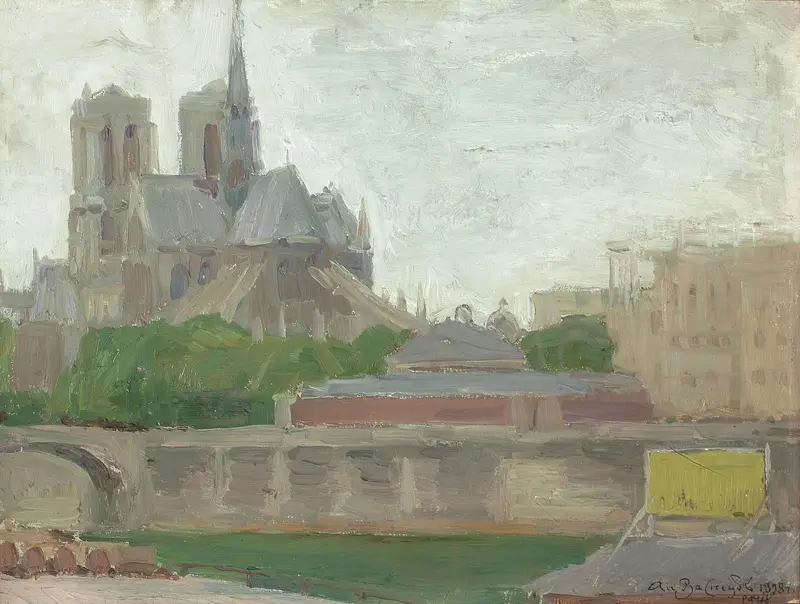
Notre Dame de Paris
Apollinari Mikhailovich Vasnetsov
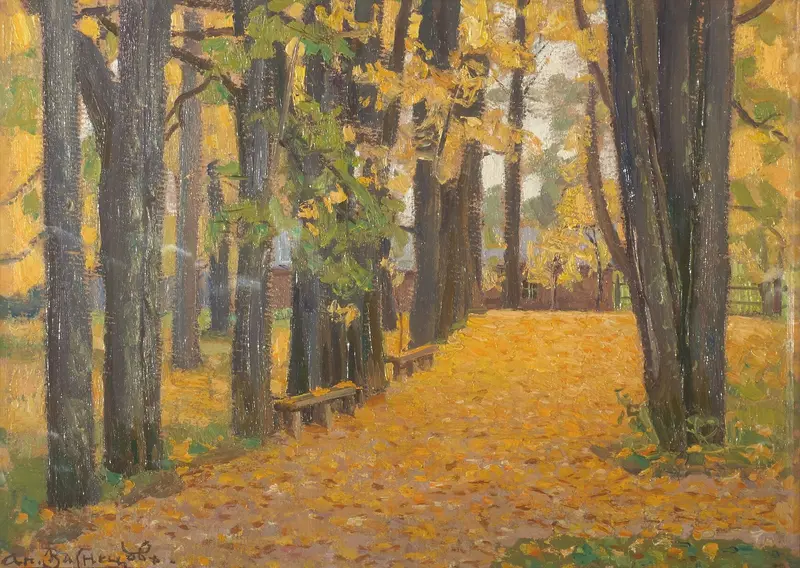
Autumn park
Apollinari Mikhailovich Vasnetsov
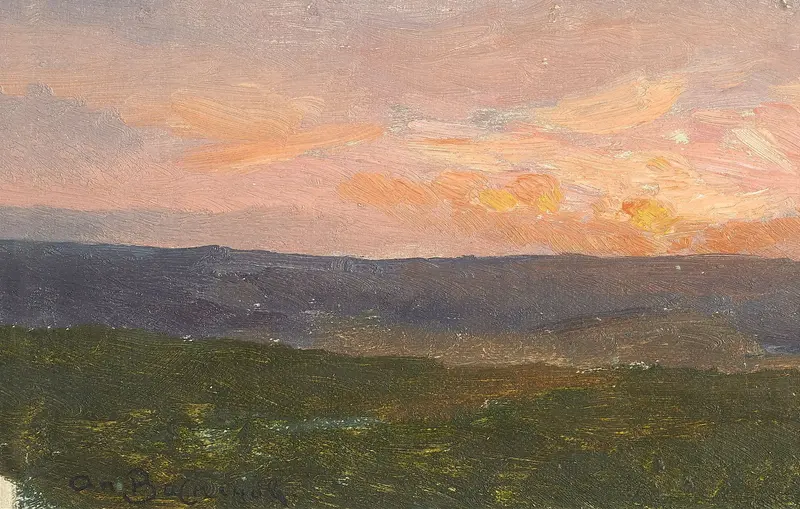
Sunset. Shurma
Apollinari Mikhailovich Vasnetsov

Via delle Tombe Pompeii
Apollinari Mikhailovich Vasnetsov
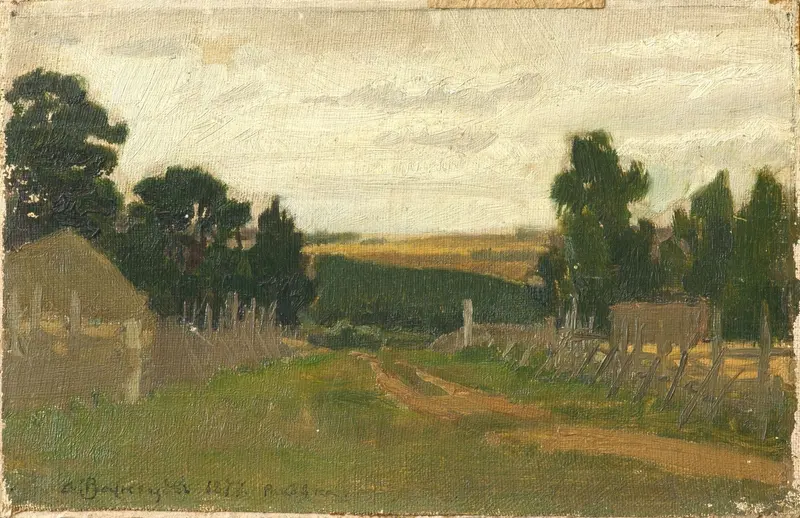
Rakovka
Apollinari Mikhailovich Vasnetsov
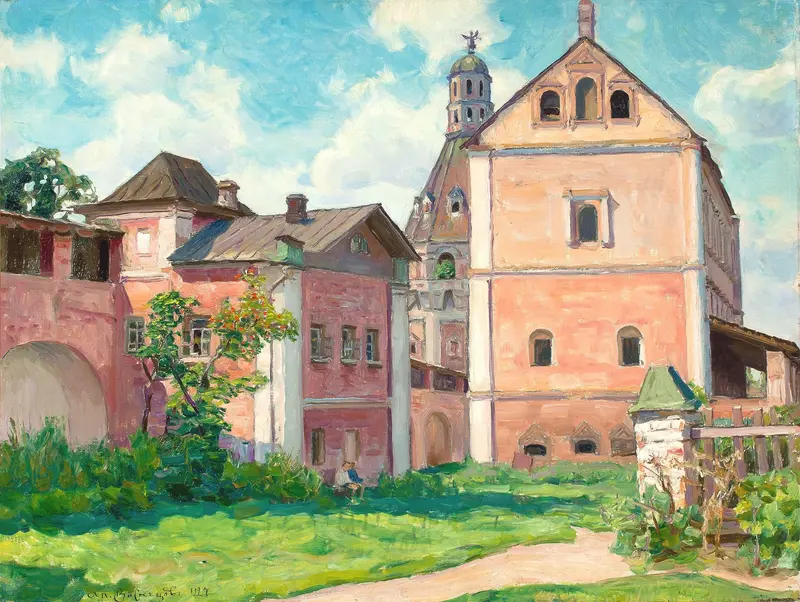
Simonov tower
Apollinari Mikhailovich Vasnetsov
More Landscape Art

The Starry Night
Vincent van Gogh

View of Delft
Johannes Vermeer

Water Lilies
Claude Monet

The Grand Canal, Venice, looking north-west from the Ca' Corner to the Ca' Contarini degli Scrigni, with the campanile of Santa Maria della Carità
Canaletto

Windsor Castle
Canaletto

The Grand Canal looking North-East from the Palazzo Dolfin-Manin to the Rialto Bridge
Canaletto