Still Life — History & Facts
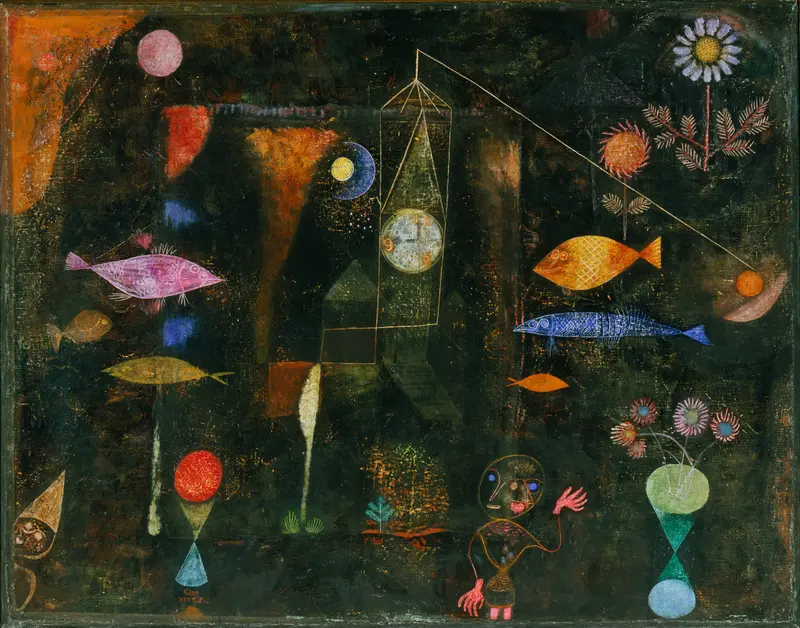
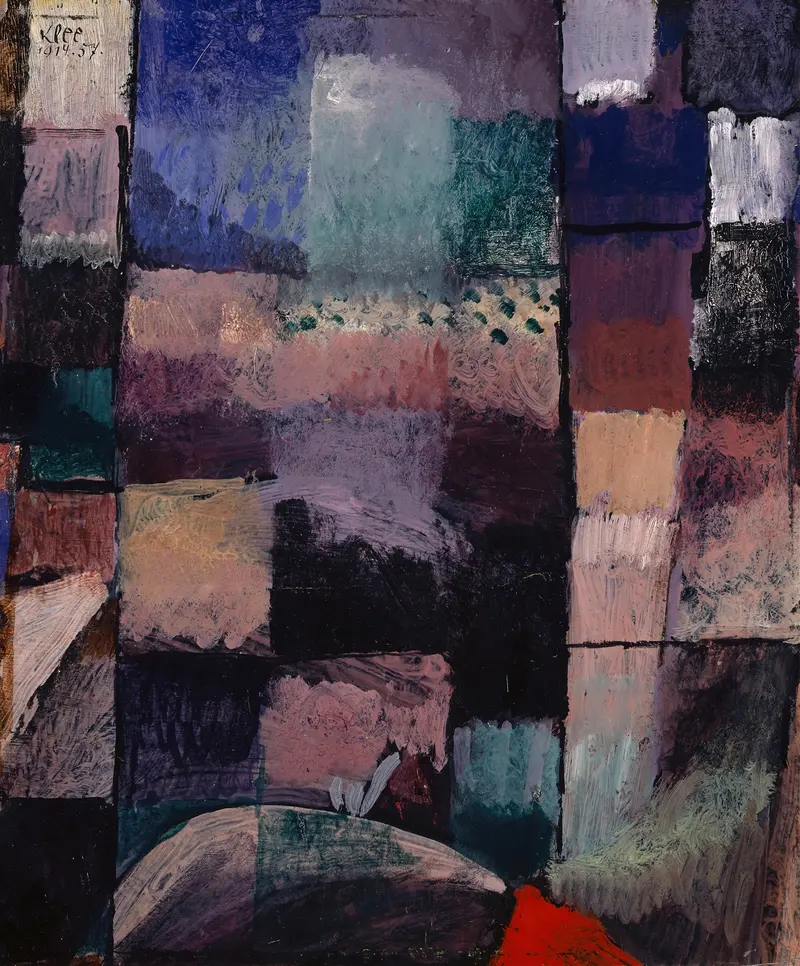
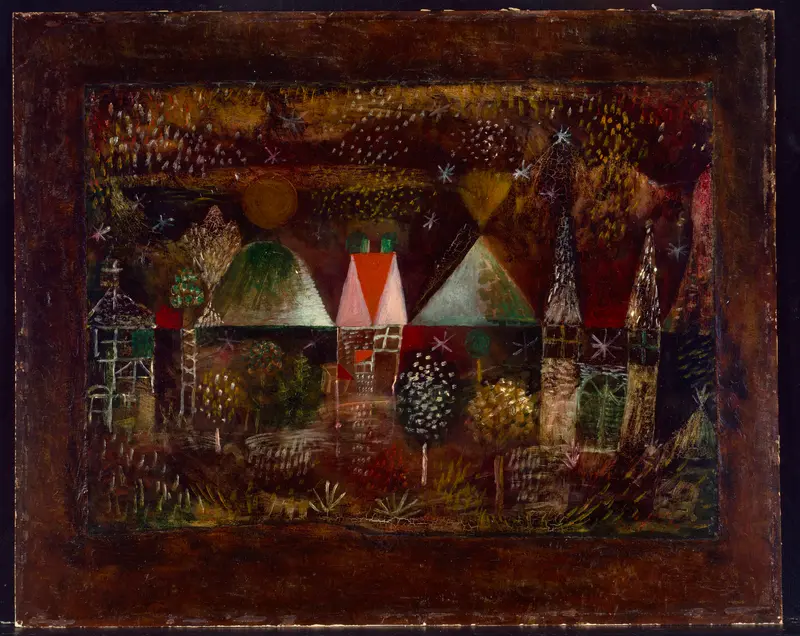
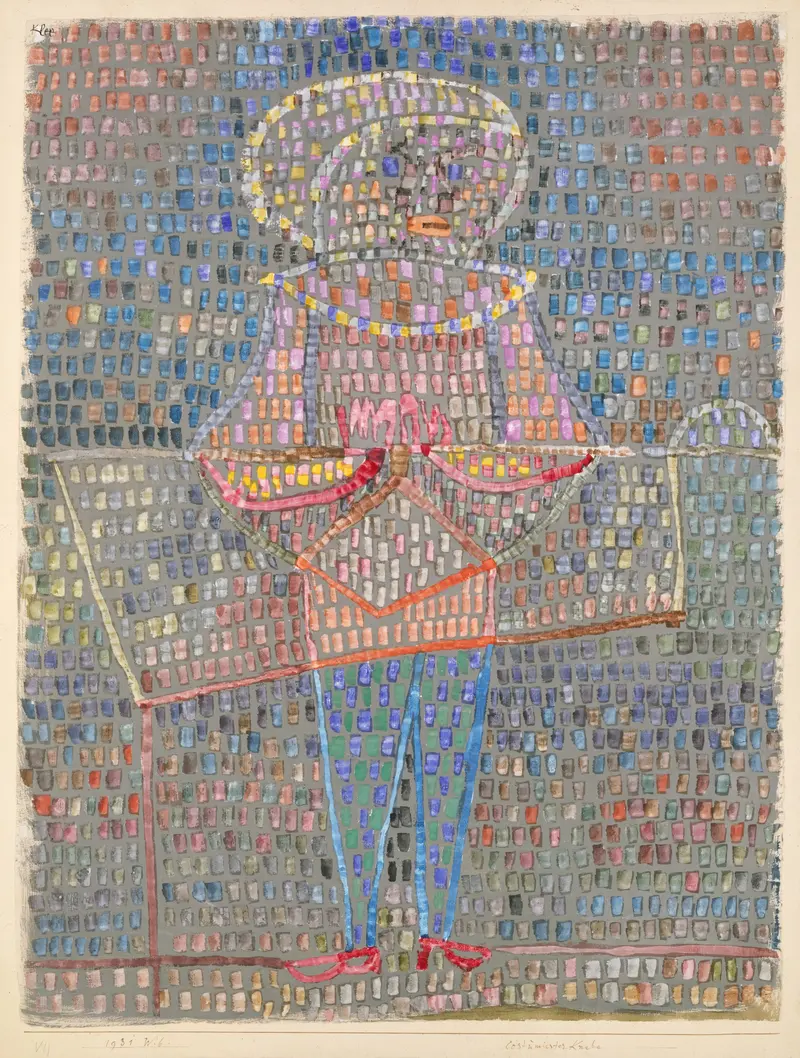
In Still Life, Paul Klee uses a vibrant palette filled with reds, yellows, and blues. The composition features abstract forms that suggest various objects, yet they remain ambiguous. The background is a blend of colors that adds depth to the painting.
Overall, the work exudes a sense of playful energy and creativity. Klee employs oil on canvas for this piece, showcasing his signature style of abstraction. The brushwork is loose, allowing colors to blend and interact in a dynamic way. The shapes are not defined but rather suggestive, inviting viewers to interpret the objects in their own way.
The dimensions are approximately 60 x 80 cm, making it a medium-sized work. Paul Klee was a key figure in the development of modern art, known for his unique approach to color theory and abstraction. Still Life reflects his interest in the interplay of colors and forms, a hallmark of his work during the 1920s. An interesting fact about this painting is that it exemplifies Klee's belief that art should be a reflection of the artist's inner feelings and thoughts.
This work remains a significant example of his innovative style.