Still Life with Apples and a Pomegranate — History & Facts
A battered pomegranate, its skin torn and flesh exposed, commands the scene with an honesty that is almost defiant. In Still Life with Apples and a Pomegranate, Augustin Théodule Ribot draws the viewer’s eye not to perfection, but to the vivid reality of fruit at the edge of decay. The apples, dappled with bruises and subtle reds, cluster quietly in the shadow, their surfaces catching the same stark light that rakes across the pomegranate’s battered form.
Each highlight and shadow is deliberate, guiding the gaze from the quiet solidity of the apples to the drama of the pomegranate’s rupture, suggesting a narrative of time passing—of ripeness tipping into decline. This is a painting that refuses ornament or distraction. The background is a deep, almost impenetrable darkness, setting off the fruit with theatrical intensity. Ribot’s brushwork is thick and tactile, especially in the broken pomegranate, where the paint seems to mimic the sticky, uneven surface of the fruit itself.
The composition is spare, yet every detail is purposeful: the green apples’ subdued sheen, the glistening seeds, and the careful placement of each object create a sense of intimacy and gravity. Painted around 1865, this work belongs to a moment when French artists were turning their attention to the humble realities of daily life, elevating the ordinary to the level of the monumental. In the quiet company of these apples and this pomegranate, the viewer is invited to linger, to notice, and to reflect on the beauty found in imperfection.
More Artworks by Augustin Théodule Ribot

The Scullion
Augustin Théodule Ribot

The Artist's Daughter
Augustin Théodule Ribot
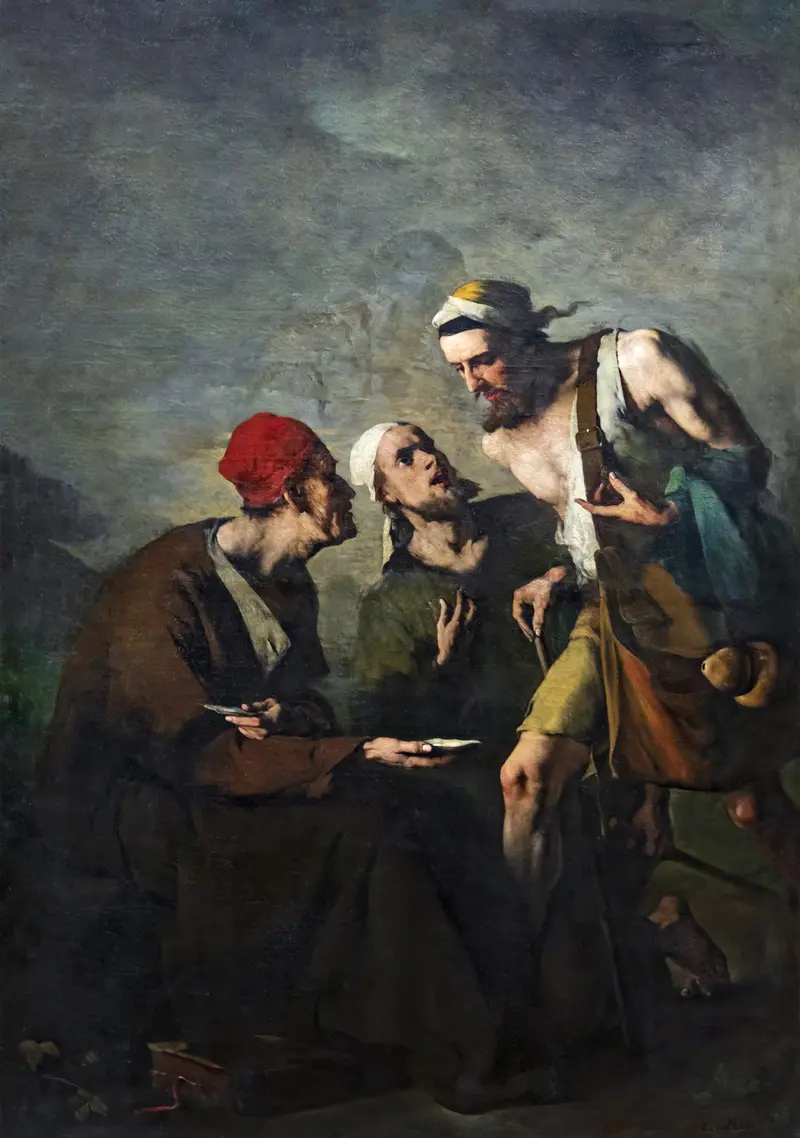
The oyster and the Litigant's
Augustin Théodule Ribot

The philosophers
Augustin Théodule Ribot

Singers
Augustin Théodule Ribot

Oyster and timbale
Augustin Théodule Ribot
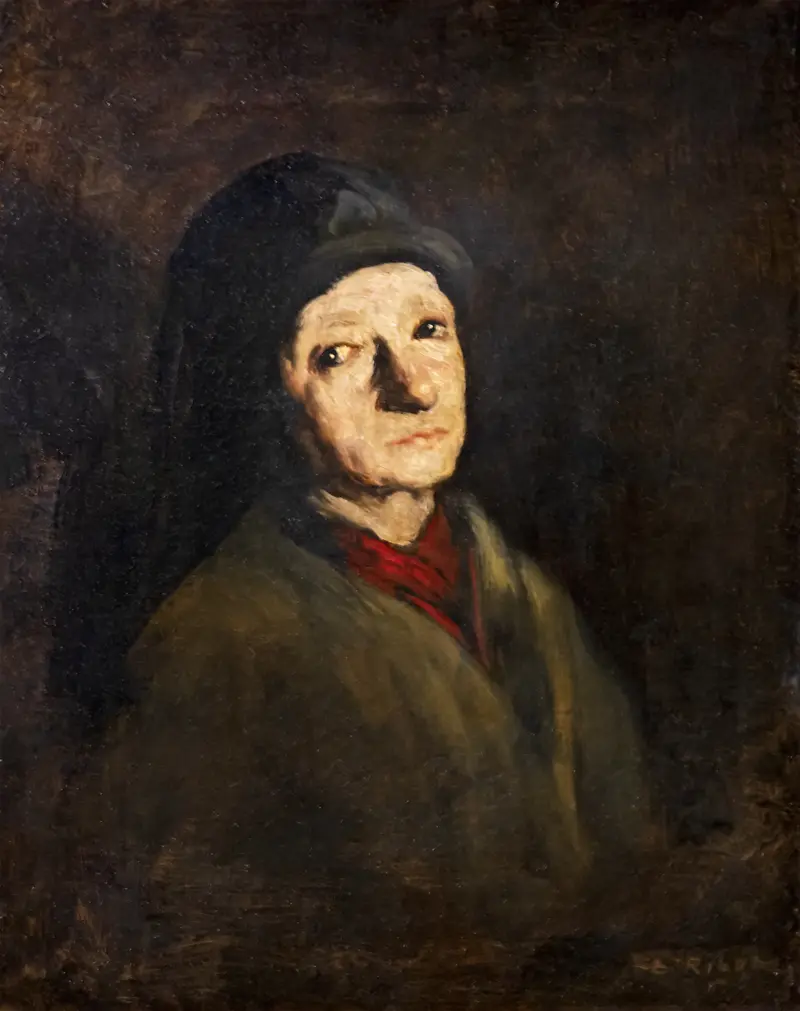
Portrait of the artist's mother
Augustin Théodule Ribot

Three old jews
Augustin Théodule Ribot

' Landscape ', known as ' La Maison de Corot in Ville-d'Avray '
Augustin Théodule Ribot
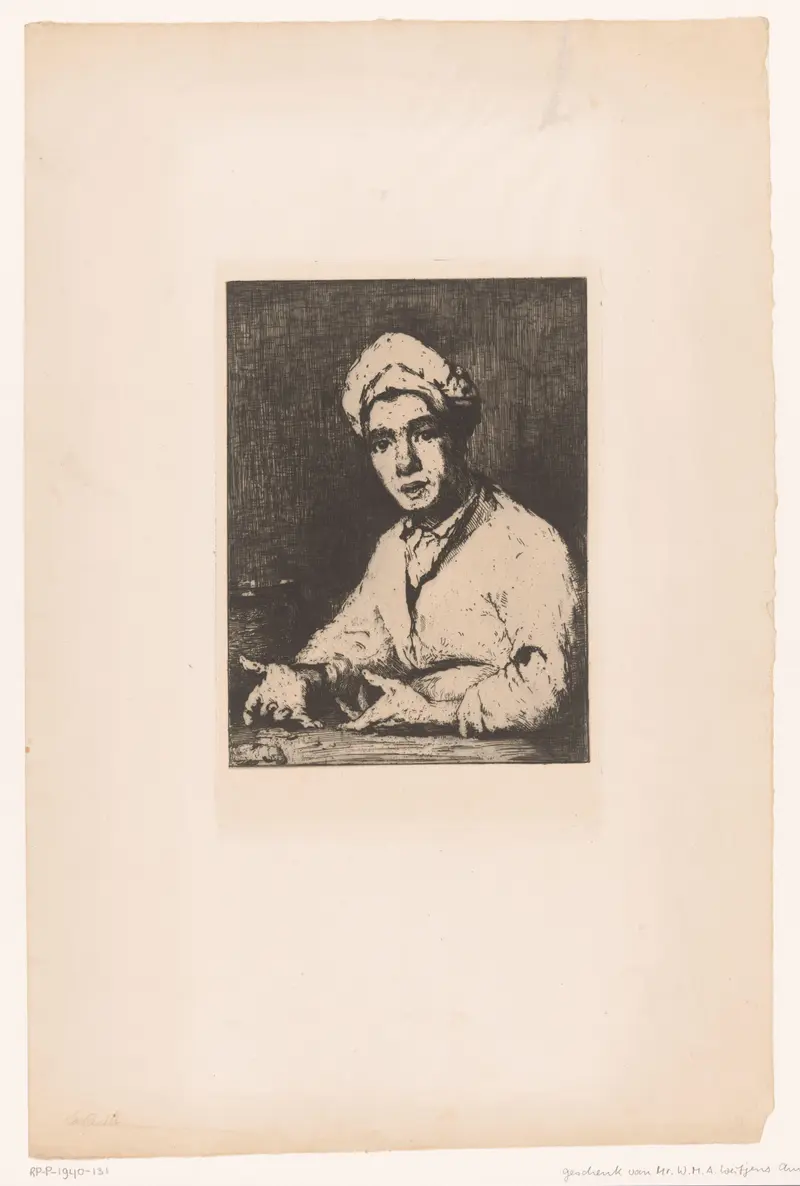
La recette du cuisinier
Augustin Théodule Ribot