Still life with eggs — History & Facts
A single cracked egg, its golden yolk spilling onto the dark tabletop, draws the eye into the quiet drama of Still life with eggs by Augustin Théodule Ribot. The composition is an exercise in restraint: a sturdy earthenware jug, a glass half-filled with water, a lemon, and a humble red pot with a spoon punctuate the scene. The light, cool and focused, falls directly on the eggs, making their fragile shells and the glistening yolk almost tactile.
The surrounding darkness presses in, heightening the sense of solitude and lending a gravity to these everyday objects. Ribot’s brushwork is deliberate, the textures of clay, glass, and raw egg rendered with a care that invites close inspection and rewards patience. Works like this belong to a tradition that flourished in 19th-century France, when artists looked to the Dutch and Spanish still life masters for inspiration and sought to elevate the ordinary to the level of the monumental. Such paintings were rarely grand commissions; they were often made for private collectors or as exercises in technical mastery, prized for their honesty and the painter’s ability to conjure richness from the mundane.
The date of this particular work’s documentation—11 November 2021—and its status as “own work” remind us that history has kept few traces of many such still lifes, their quiet beauty surviving in private hands or modest collections. As you linger on the broken shell and the glimmering glass, consider how much feeling can be conjured from so little, and how the everyday, in the right hands, becomes worthy of endless looking.
More Artworks by Augustin Théodule Ribot

The Scullion
Augustin Théodule Ribot

The Artist's Daughter
Augustin Théodule Ribot
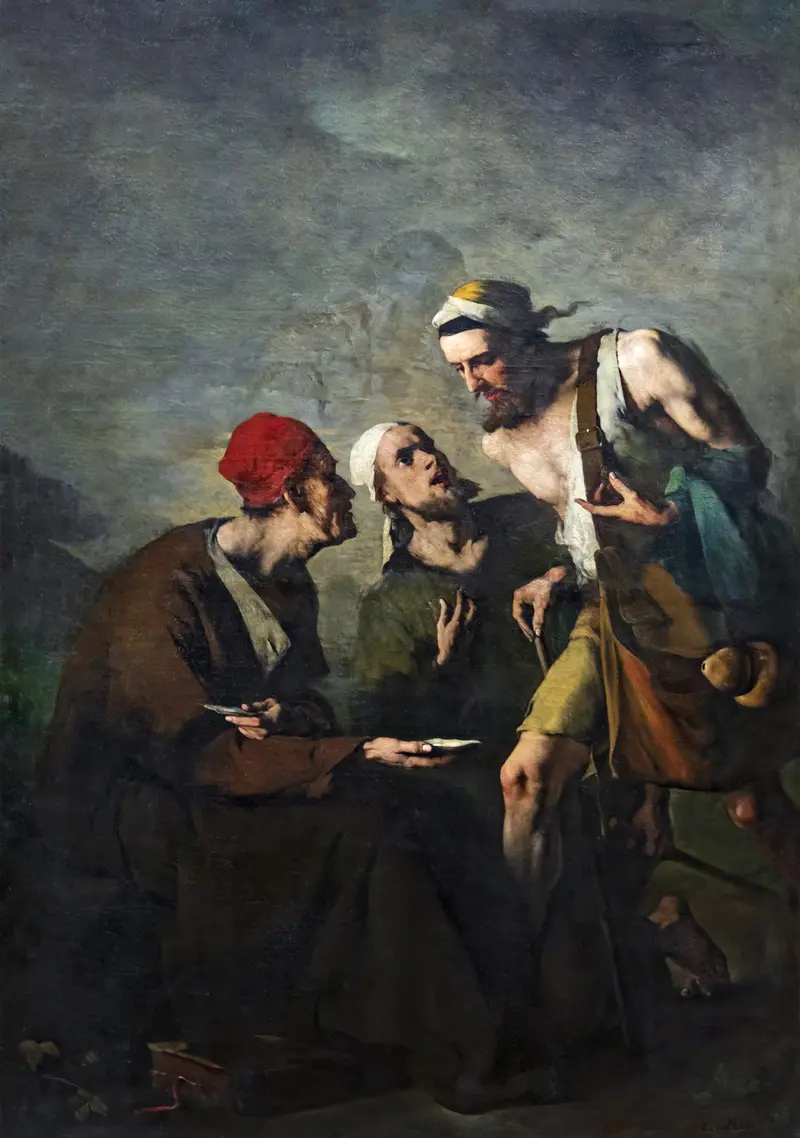
The oyster and the Litigant's
Augustin Théodule Ribot

The philosophers
Augustin Théodule Ribot

Singers
Augustin Théodule Ribot

Oyster and timbale
Augustin Théodule Ribot
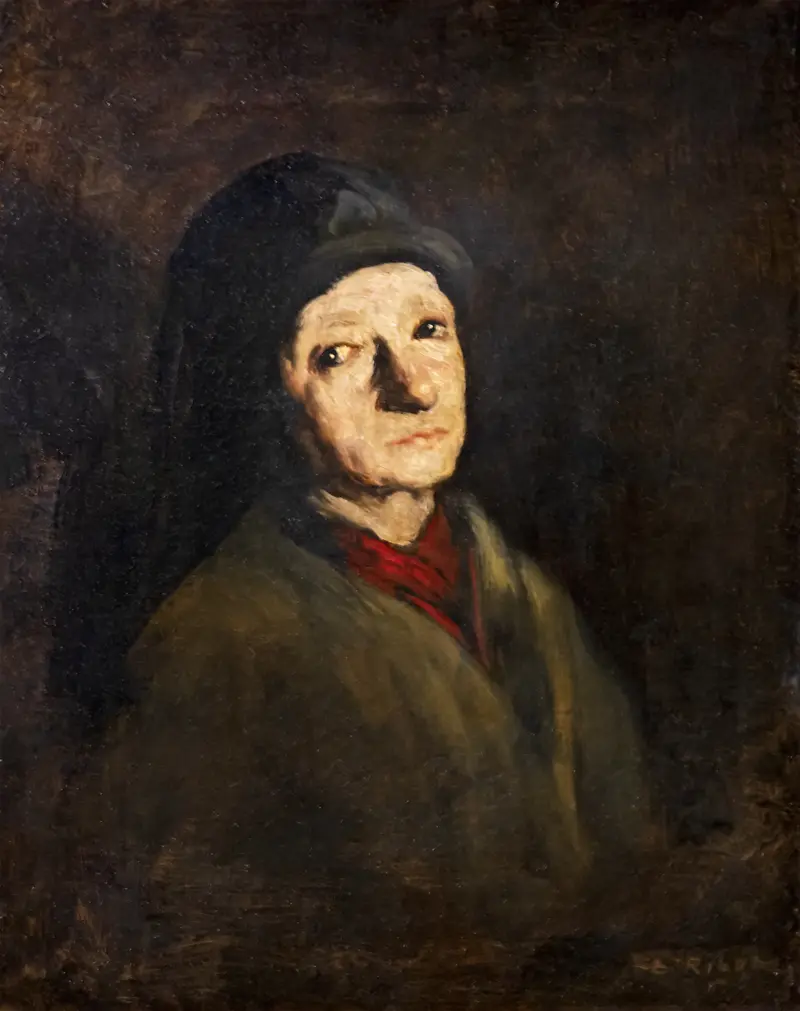
Portrait of the artist's mother
Augustin Théodule Ribot

Three old jews
Augustin Théodule Ribot

' Landscape ', known as ' La Maison de Corot in Ville-d'Avray '
Augustin Théodule Ribot
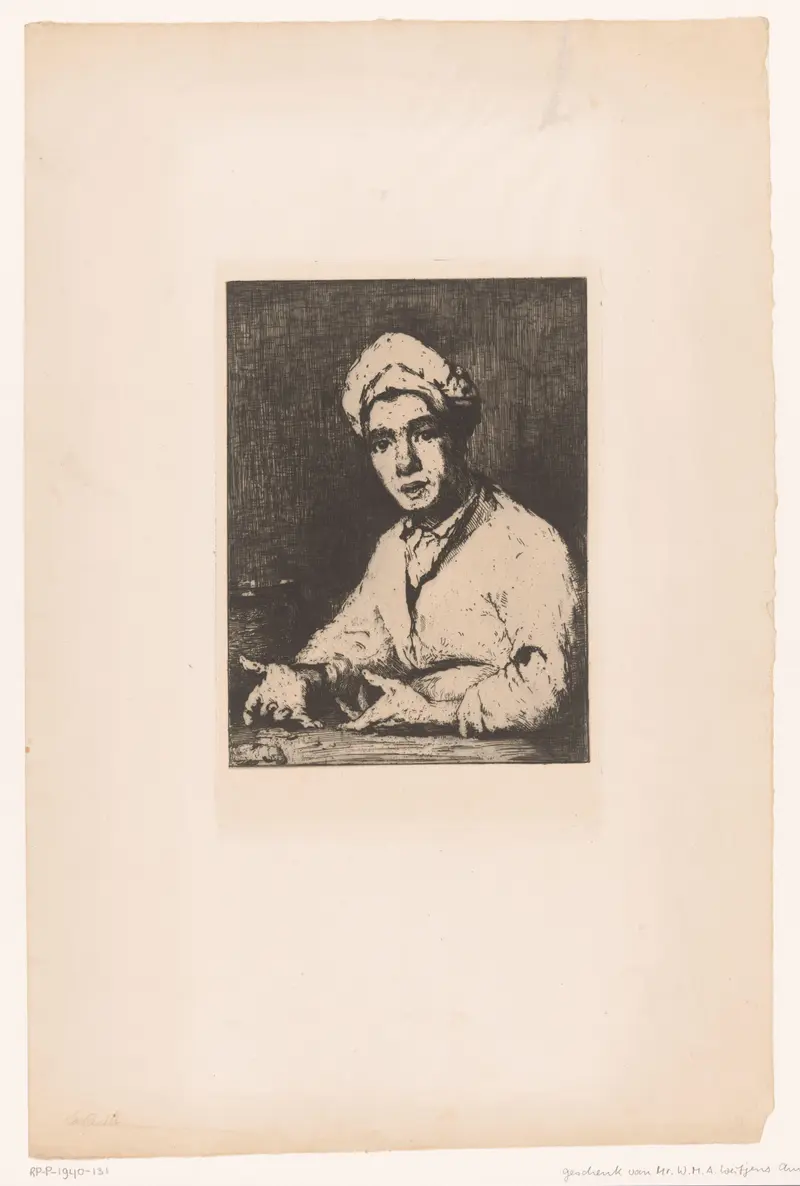
La recette du cuisinier
Augustin Théodule Ribot