Still Life with Figurine — History & Facts
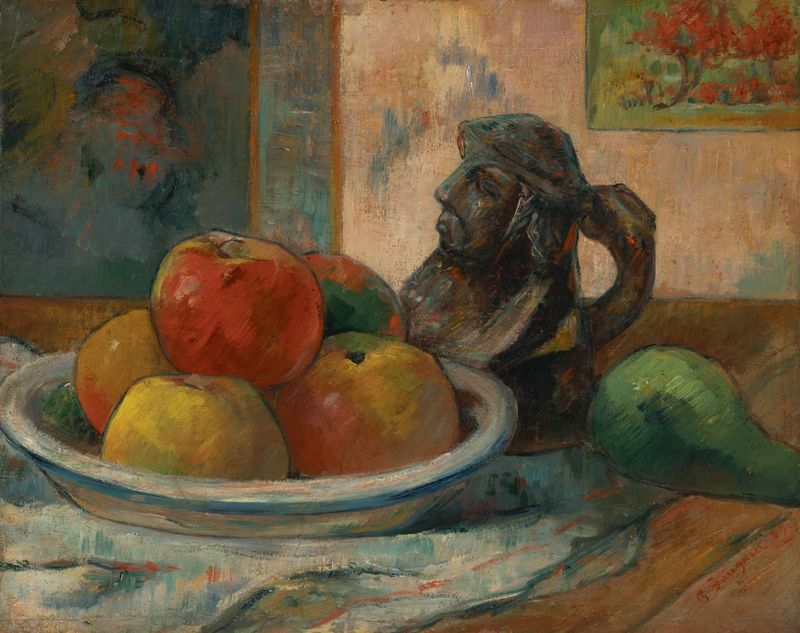
In the stillness of the moment, the viewer is invited to contemplate the weight of presence and absence, as if time itself has paused to allow for reflection. This composition creates a bridge between the mundane and the transcendent, where everyday objects become vessels of deeper meaning. Look to the center, where the delicate figurine commands attention, its smooth contours harmonizing with the surrounding fruits and vessels. Notice how the light caresses the surfaces, casting gentle shadows that dance across the table, creating a tapestry of texture and depth.
The artist’s use of muted earth tones complements the vibrant hues of the fruit, establishing a dialogue between lifelessness and vitality, inviting exploration of both form and color within a carefully crafted space. As your gaze wanders, the juxtaposition of the fragile figurine and the opulent fruits unfolds layers of interpretation. The figurine, representing an idealized beauty, stands in contrast to the natural imperfection of the ripened fruits, suggesting themes of aspiration and the transient nature of life. The subtle play of light hints at a spiritual undercurrent, evoking a sense of reverence that underscores the mundanity of daily existence, elevating these objects beyond their ordinary purpose. Created during the 19th-20th century, Nakamura's Still Life with Figurine reflects a period of artistic exploration where the boundaries between fine art and craft blurred.
Living in Japan, he was influenced by both Eastern aesthetics and Western techniques, navigating a world rapidly changing under modernization. This piece captures his search for balance between tradition and innovation, inviting viewers to pause and contemplate the quiet beauty found in the stillness of life.
More Artworks by Kanji Nakamura
Browse all →
Courtyard of an Old Palace, Palermo
Kanji Nakamura
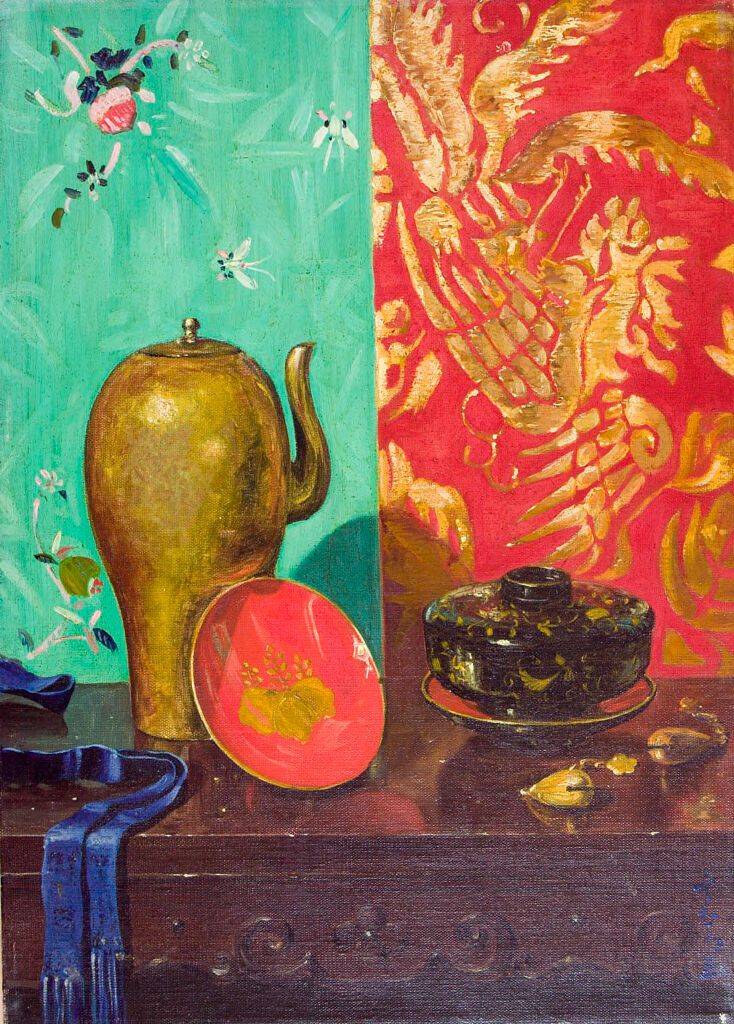
Still Life with Vessel, Plate and Ink Jar
Kanji Nakamura
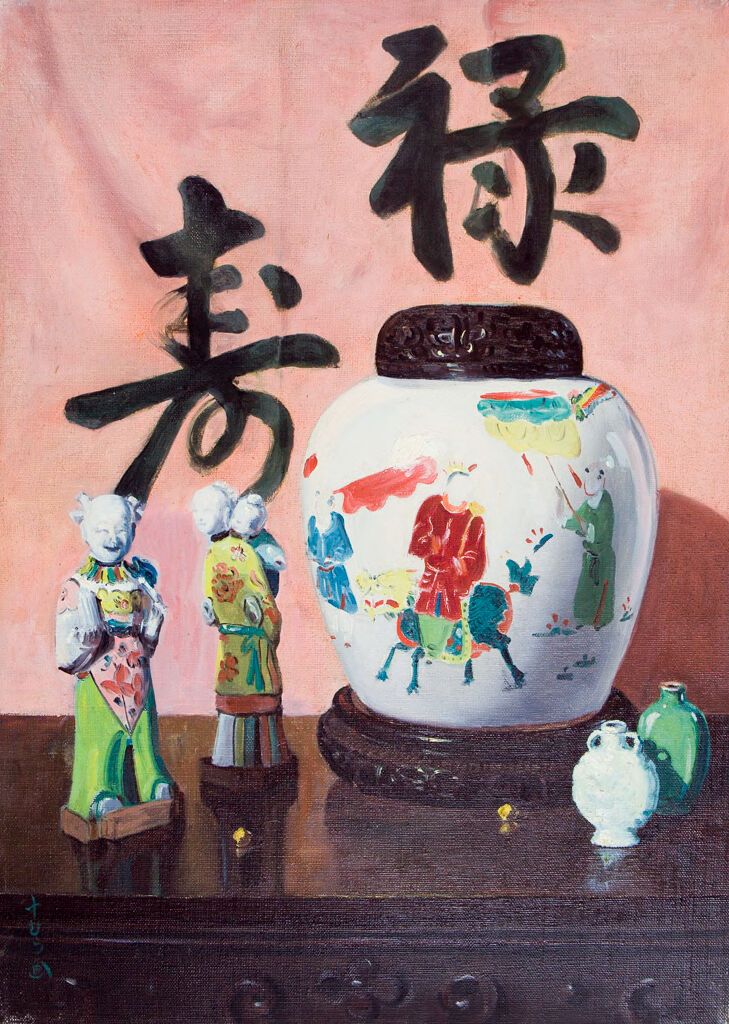
Still Life with Jars and Figurines
Kanji Nakamura
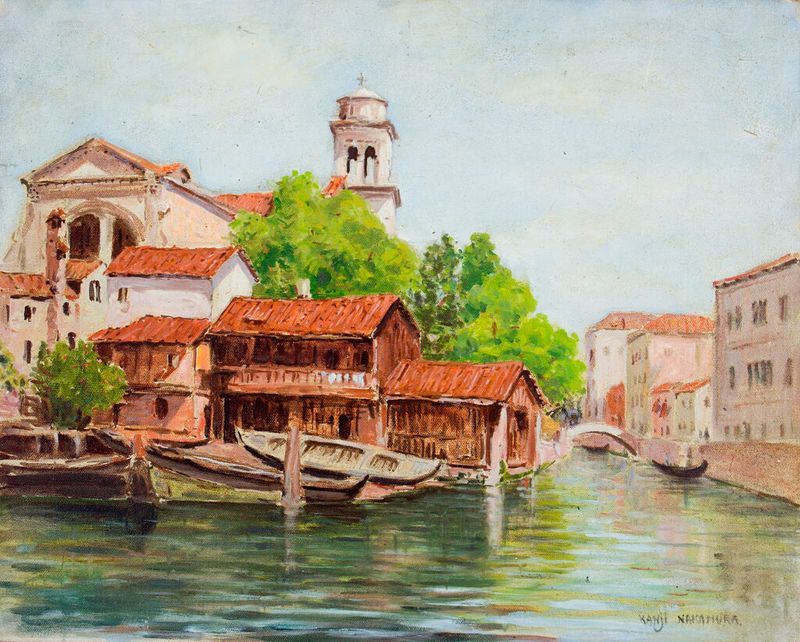
Canal Scene with Buildings and Steeple
Kanji Nakamura

Flowers
Kanji Nakamura

Orizaba, Mexico
Kanji Nakamura

Self-Portrait
Kanji Nakamura

Still Life with Oriental Head
Kanji Nakamura
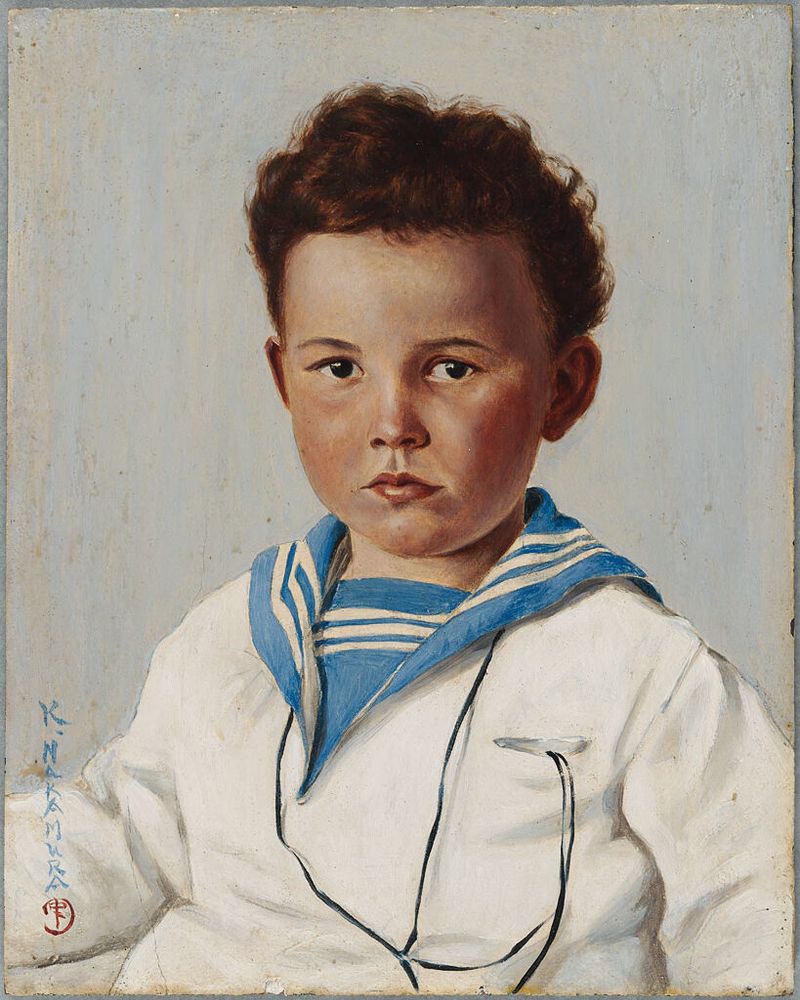
Portrait of a Boy
Kanji Nakamura

Still Life with Grapes and Pomegranates
Kanji Nakamura