Still life with fried eggs — History & Facts
A single shaft of light slices through the gloom, catching the glisten on a pair of fried eggs and the rough, tactile surface of a heavy earthenware jug. The drama is not in the subject, but in the way Augustin Théodule Ribot lets the objects emerge from darkness, as if discovered by accident on a kitchen table at dawn. The eggs, their whites still molten, are laid out with a spoon ready—an invitation to pause and imagine the meal about to be eaten.
The jug, toppled and monumental, dominates the right half of the canvas, its weight and volume rendered with a sculptor’s care. Every highlight and shadow is a decision, guiding the viewer’s gaze from the crisp metallic glint of the spoon to the deep, enveloping brown that swallows the rest of the scene. Still lifes like this one flourished in the nineteenth century, when artists and collectors alike found new fascination in the ordinary. Painters such as Ribot, working in the wake of the Dutch Golden Age and the Spanish bodegón tradition, brought a sense of gravity to the simplest foods and vessels.
These works were rarely grand commissions; more often, they were made for private collectors, or for artists themselves to hone their craft and explore the effects of light on humble surfaces. This particular painting, documented as photographed on 11 November 2021 and listed as part of a private collection, is a reminder that history has kept few traces of many such works, yet their quiet power endures. Stand before it, and let your eye linger on the way the light transforms the everyday into something quietly momentous.
More Artworks by Augustin Théodule Ribot

The Scullion
Augustin Théodule Ribot

The Artist's Daughter
Augustin Théodule Ribot
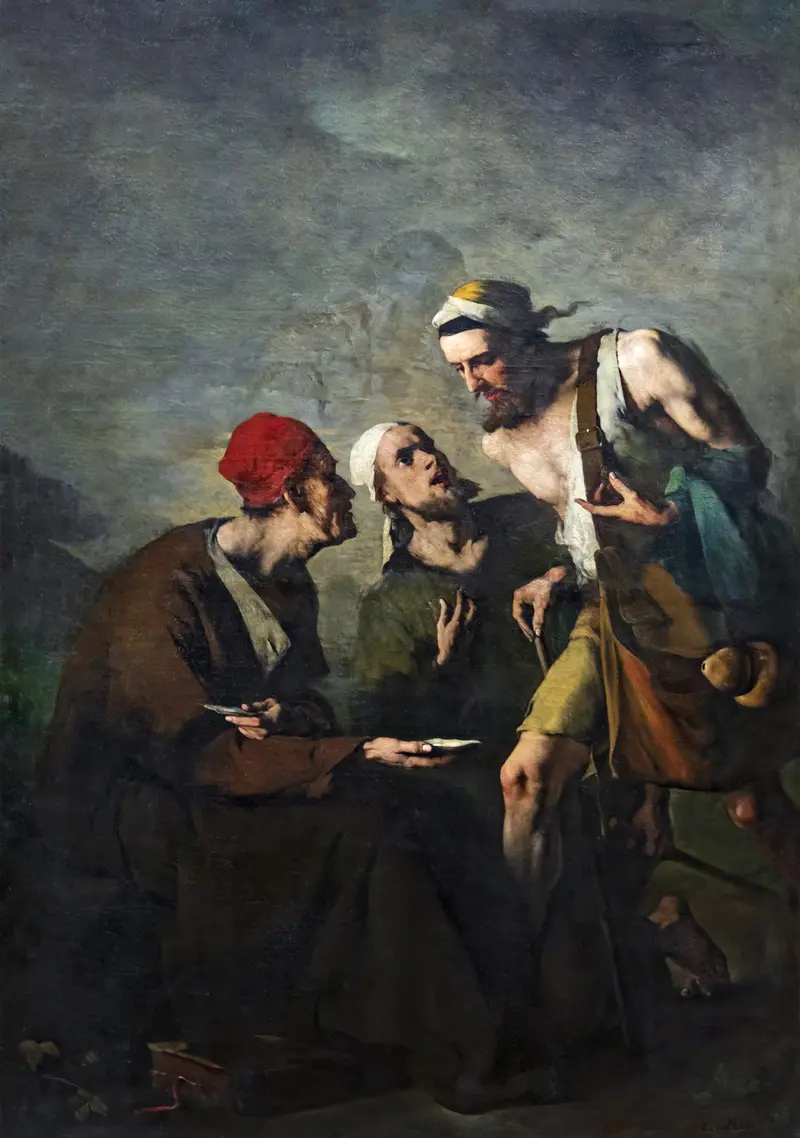
The oyster and the Litigant's
Augustin Théodule Ribot

The philosophers
Augustin Théodule Ribot

Singers
Augustin Théodule Ribot

Oyster and timbale
Augustin Théodule Ribot
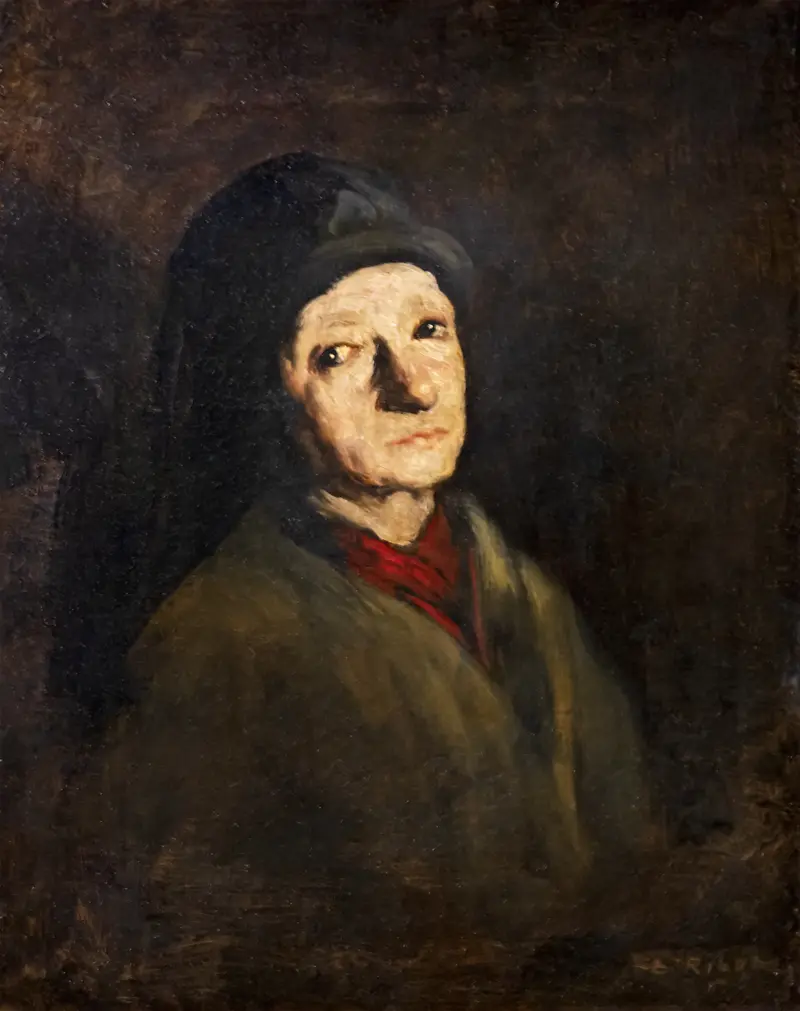
Portrait of the artist's mother
Augustin Théodule Ribot

Three old jews
Augustin Théodule Ribot

' Landscape ', known as ' La Maison de Corot in Ville-d'Avray '
Augustin Théodule Ribot
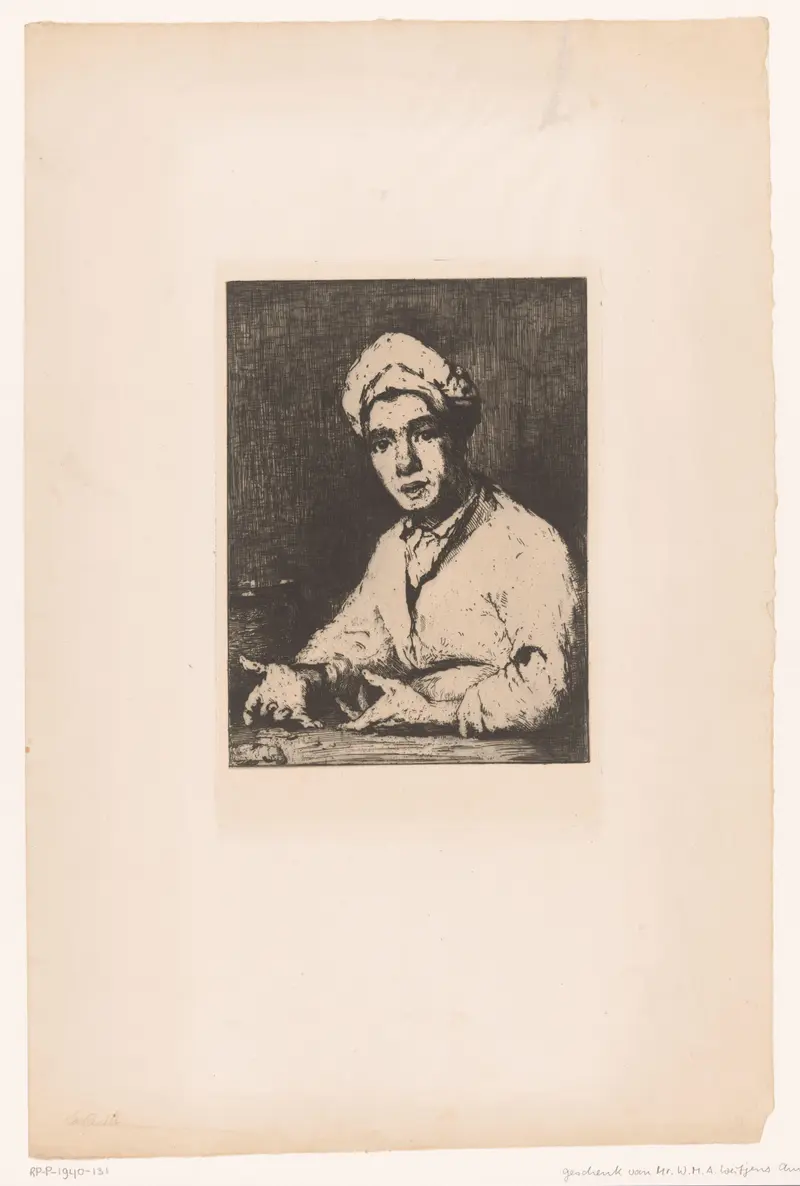
La recette du cuisinier
Augustin Théodule Ribot