
Still life with parrot, an allegory of fire — History & Facts
A scarlet parrot stands sentinel above a riot of precious objects, its vivid feathers drawing the eye even amid the shimmer of gold and the cool gleam of porcelain. The bird’s upright pose and the glint of its intelligent eye lend a sense of watchfulness, as if it alone guards the treasures below. The table is a stage for opulence: chased silver, delicate glass, and lustrous ceramics tumble together, their surfaces catching the light in a deliberate display of wealth and taste.
To the left, a small scene unfolds—a figure tending a glowing forge, surrounded by the tools of alchemy or metallurgy, the fire echoing the parrot’s plumage and hinting at the elemental forces that shaped these luxuries. Every detail is chosen to speak of transformation, value, and the fleeting nature of possession. Painted in 1636, Still life with parrot, an allegory of fire by Adriaen van Utrecht belongs to a moment when Flemish artists reveled in the still life’s ability to dazzle and instruct. Such works were prized by collectors who sought not only to display their riches but to meditate on their origins and meanings.
The presence of the forge and the parrot—both symbols of fire—suggests an allegory about creation, destruction, and the passions that drive human ingenuity. History has kept few traces of this particular canvas, now in the collection of Coudenberg, but its theatrical composition and coded imagery invite the viewer to linger, searching for the spark that animates both the objects and the world they inhabit.
More Artworks by Adriaen van Utrecht
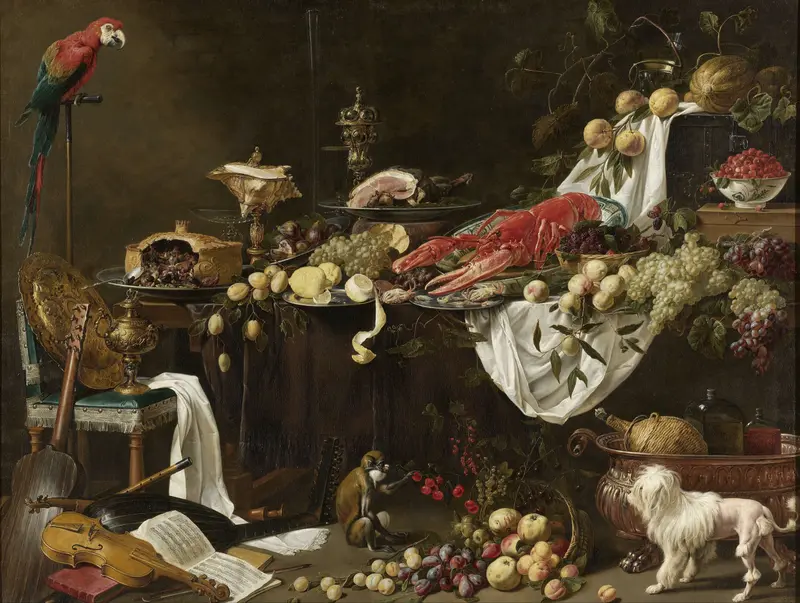
Banquet Still Life
Adriaen van Utrecht
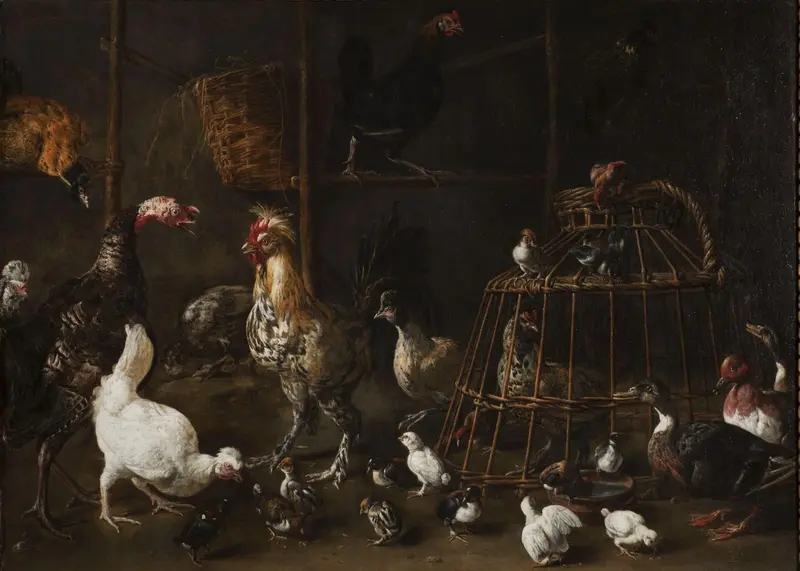
A barn interior with a turkey
Adriaen van Utrecht
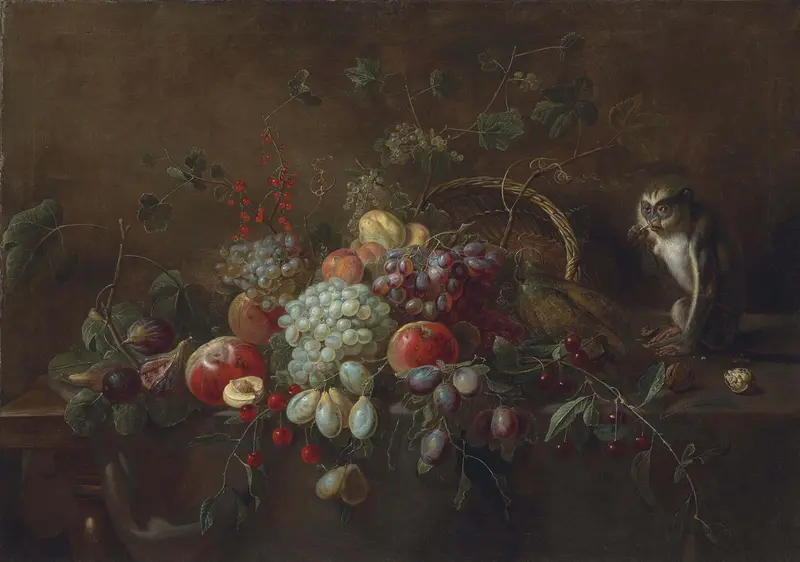
Grapes, apples, plums, figs and other fruit on a partly draped wooden table, a monkey eating walnuts by an upturned woven basket
Adriaen van Utrecht
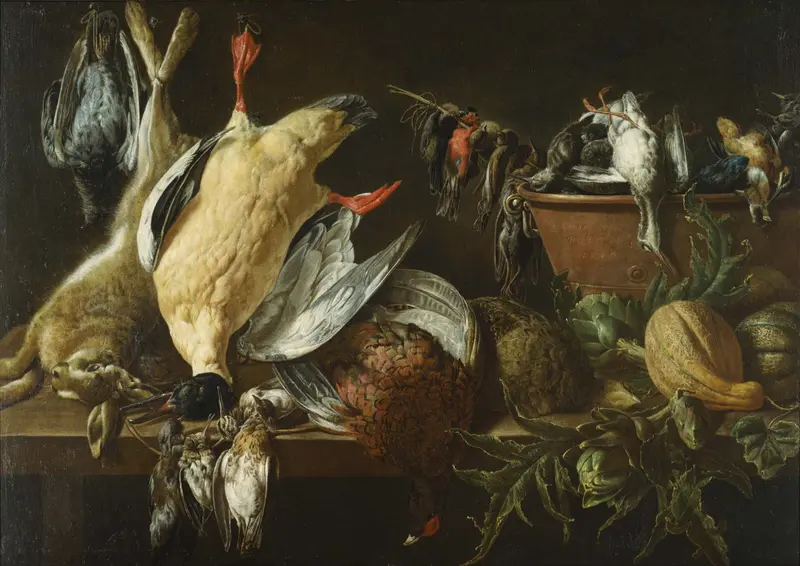
Still Life with Games and Vegetables
Adriaen van Utrecht
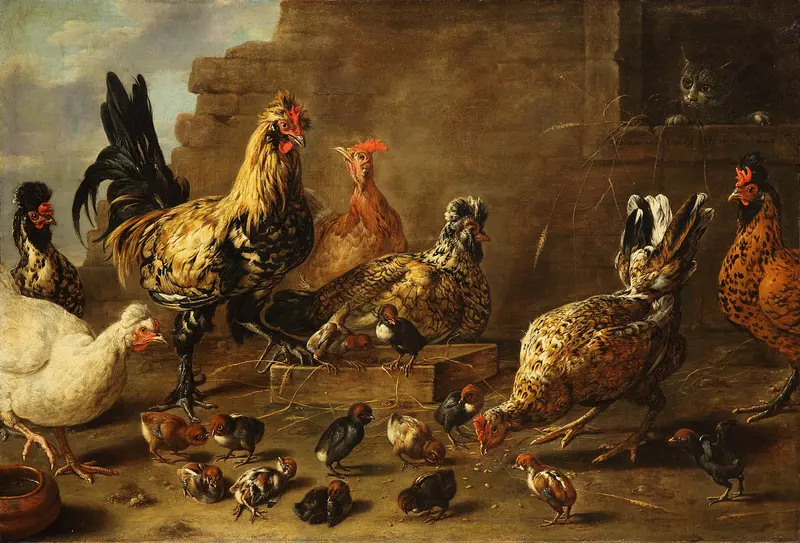
The chicken yard
Adriaen van Utrecht
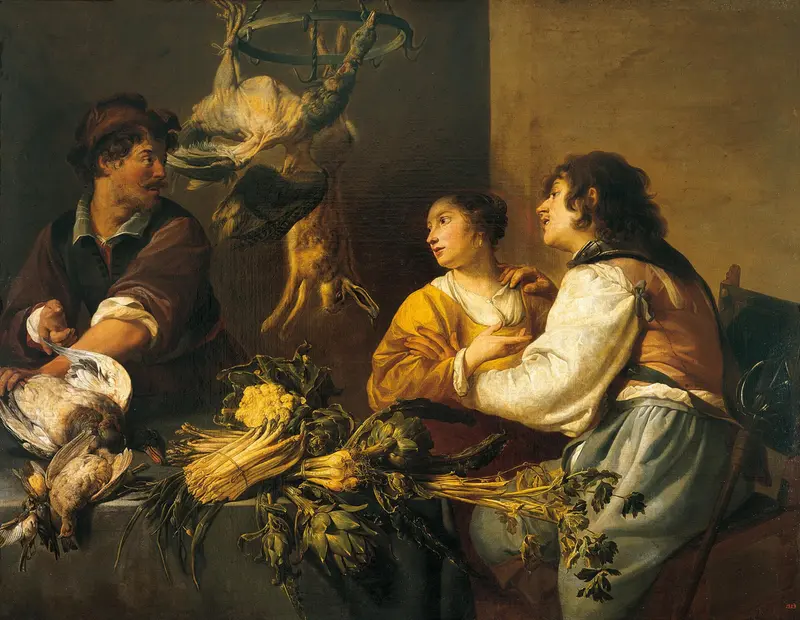
Kitchen
Adriaen van Utrecht
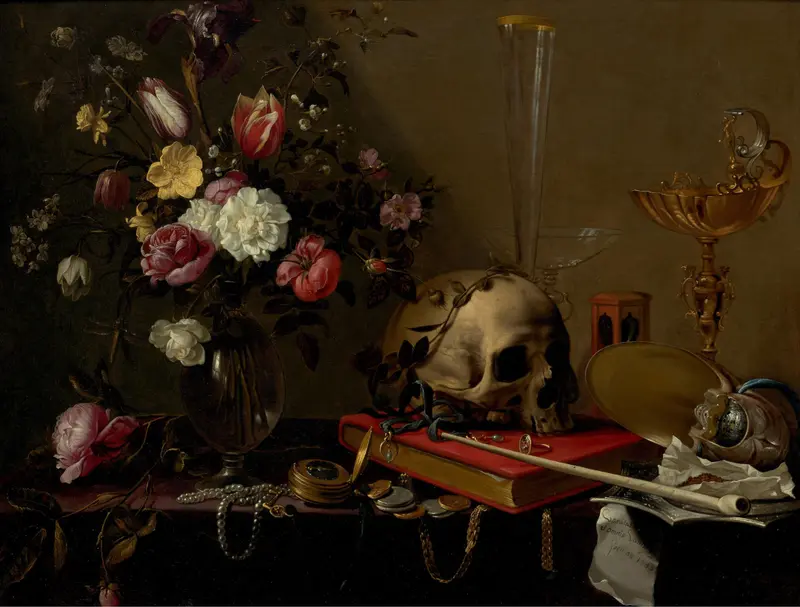
Vanitas - Still Life with Bouquet and Skull
Adriaen van Utrecht
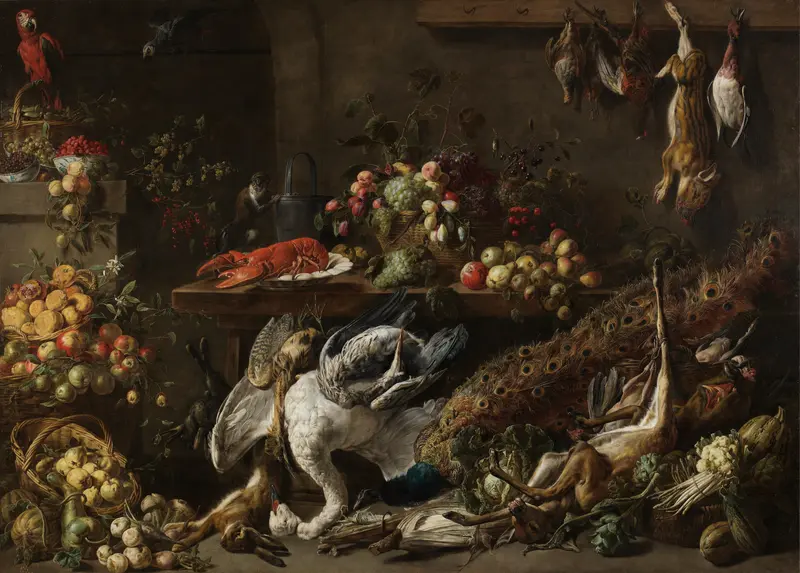
A Larder
Adriaen van Utrecht
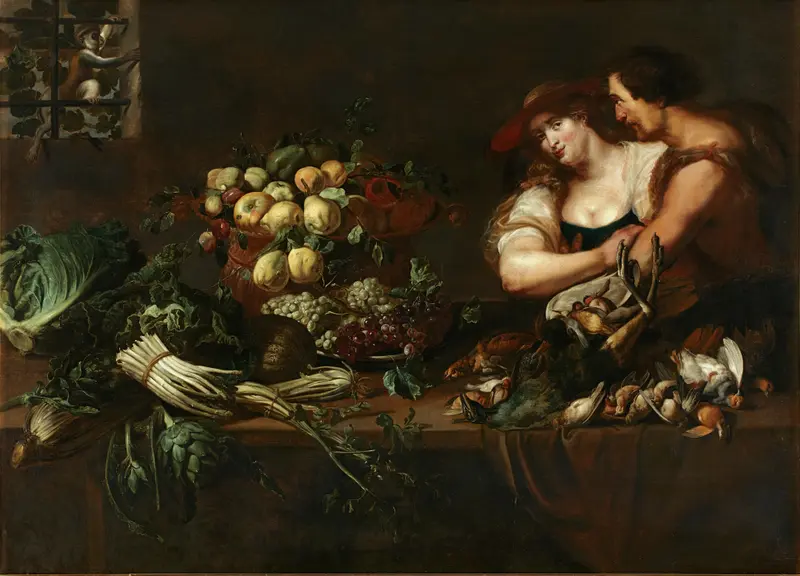
A Kitchen Still Life with Figures
Adriaen van Utrecht
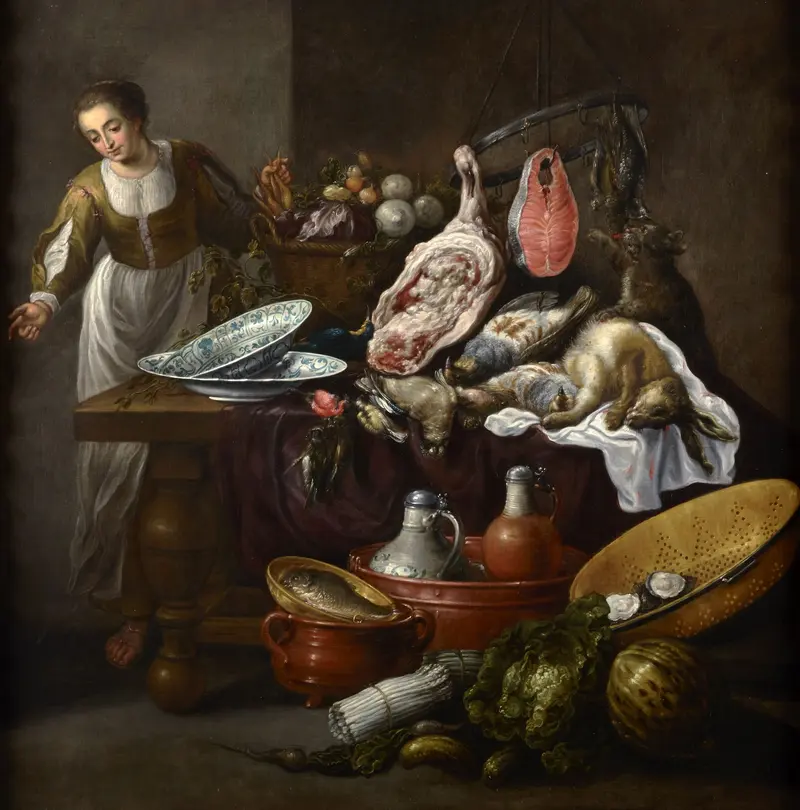
Large kitchen still life with a young woman
Adriaen van Utrecht





