
Vanitas - Still Life with Bouquet and Skull — History & Facts
A single, hollow skull commands the center, but it is the riot of life around it that first seizes the eye—tulips and roses, their petals impossibly fresh, crowd the glass vase, while pearls spill in a careless arc across the table’s edge. Every object seems chosen for its double meaning: the golden goblet, the timepiece, the opulent books, all gleam with the allure of worldly pleasure, yet are stilled in the same hush as the skull. The painter’s light is deliberate, spotlighting the flowers and treasures, then letting the shadows pool behind, as if to remind us that all this brilliance is fleeting.
A slip of paper, half-crumpled, bears a Latin inscription—a silent messenger, urging the viewer to read the lesson in these riches and remains. This is a vanitas still life, a genre that flourished in the Dutch and Flemish world of the seventeenth century, when prosperity and piety lived side by side. In 1643, when Adriaen van Utrecht painted this work, such compositions were prized by merchants and scholars alike, not merely as displays of wealth but as meditations on the brevity of existence and the futility of earthly pursuits. The skull and wilting flowers speak of mortality, the watch and hourglass of time’s passage, while the luxurious objects tempt and warn in equal measure.
Though little is recorded of this specific painting’s early life, its presence in a modern collection reminds us that the questions it asks—about what endures and what fades—are as current now as they were nearly four centuries ago. Look again: what would you keep, and what would you let go?
More Artworks by Adriaen van Utrecht
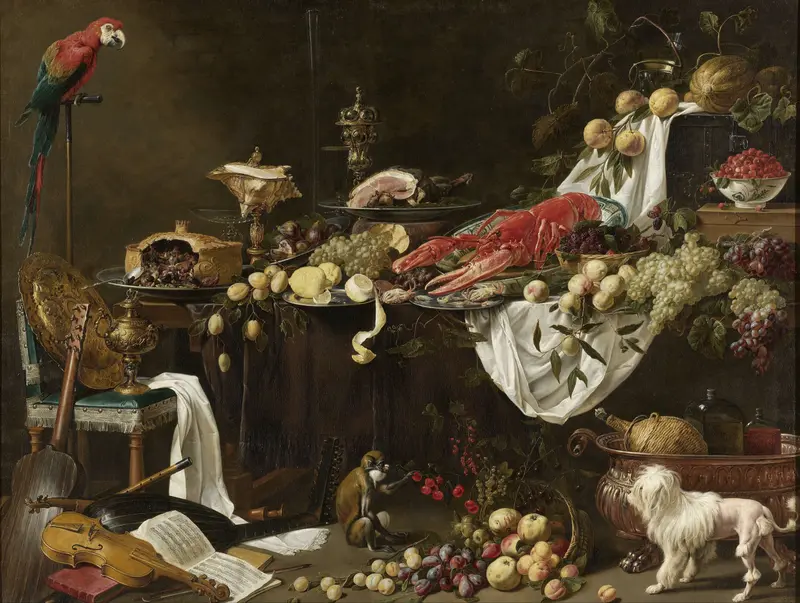
Banquet Still Life
Adriaen van Utrecht
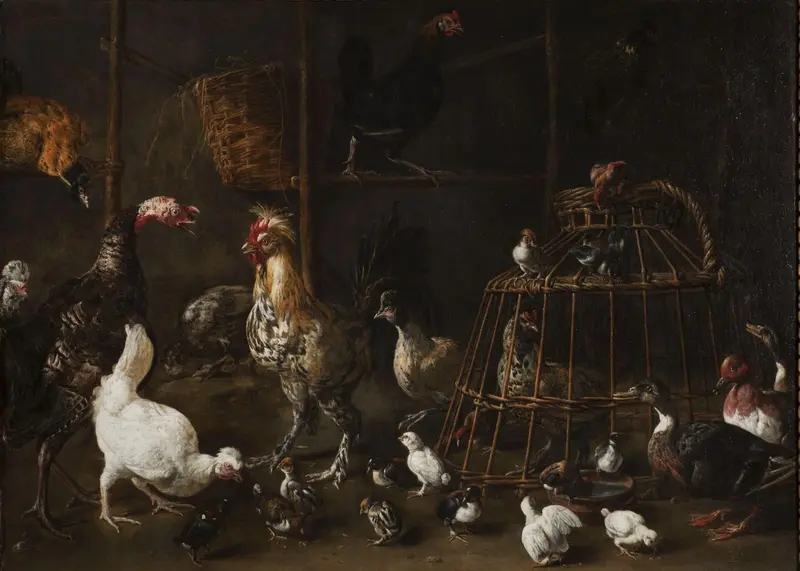
A barn interior with a turkey
Adriaen van Utrecht
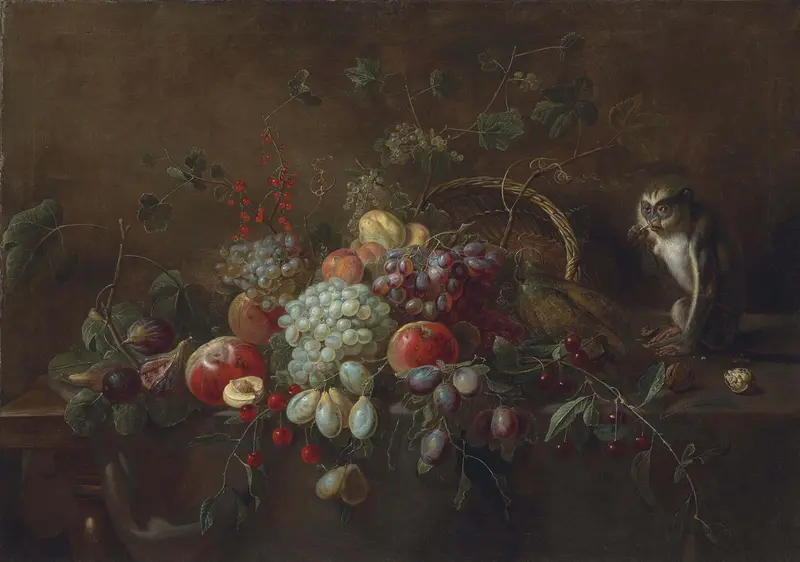
Grapes, apples, plums, figs and other fruit on a partly draped wooden table, a monkey eating walnuts by an upturned woven basket
Adriaen van Utrecht
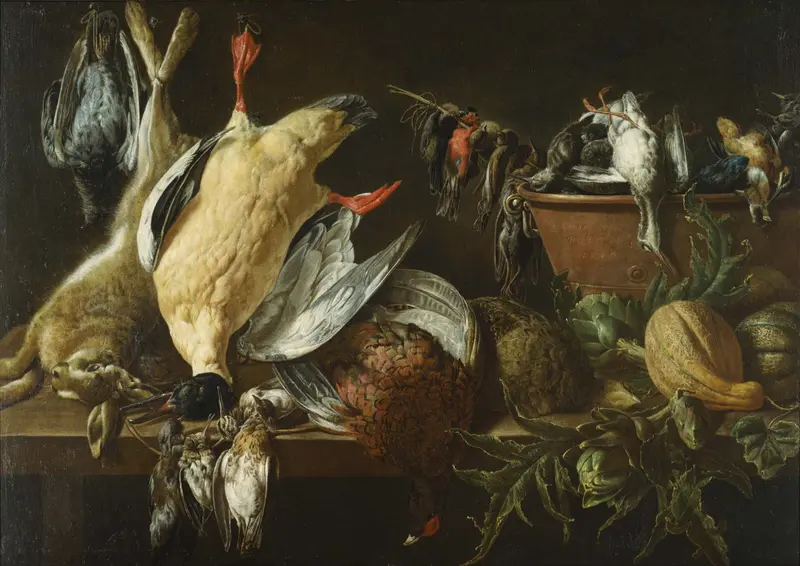
Still Life with Games and Vegetables
Adriaen van Utrecht
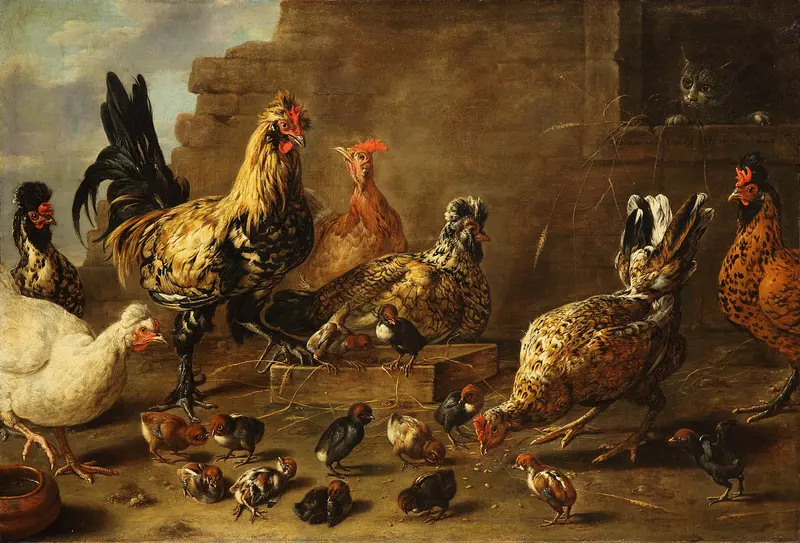
The chicken yard
Adriaen van Utrecht
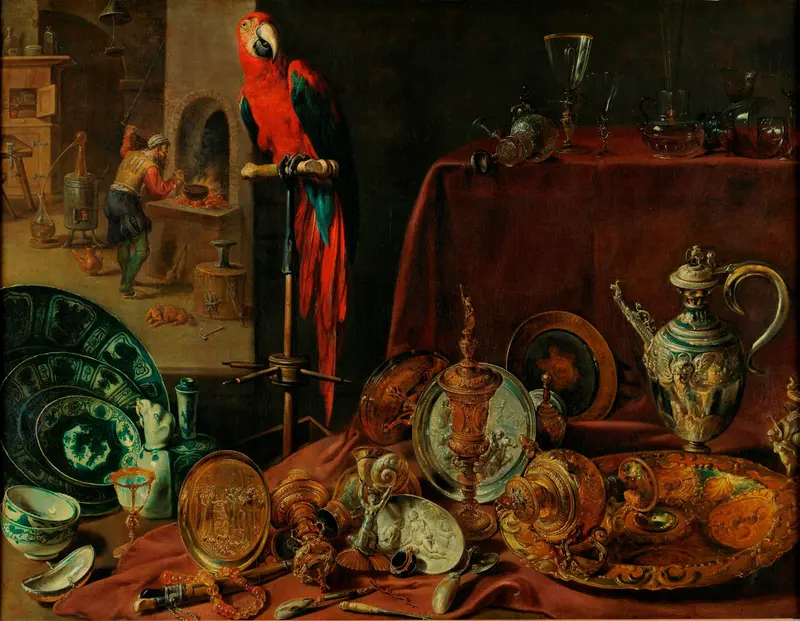
Still life with parrot, an allegory of fire
Adriaen van Utrecht
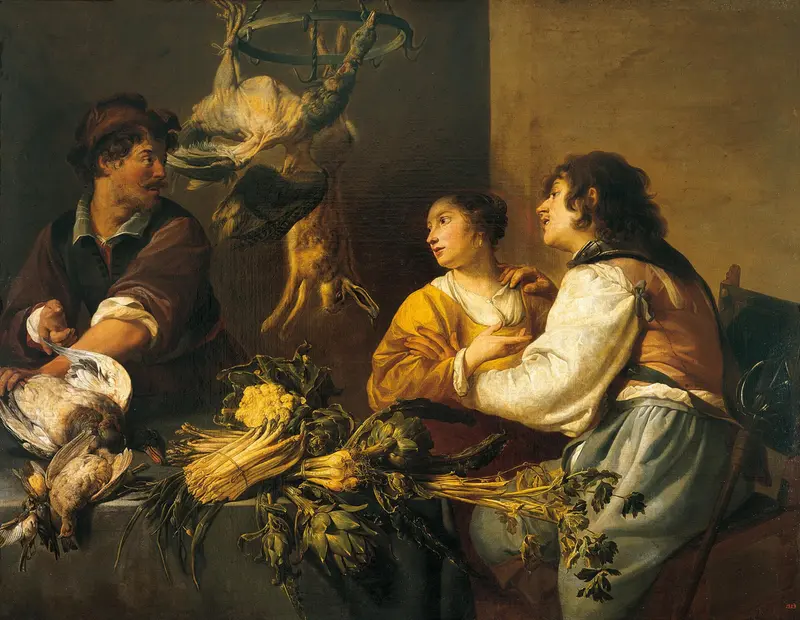
Kitchen
Adriaen van Utrecht
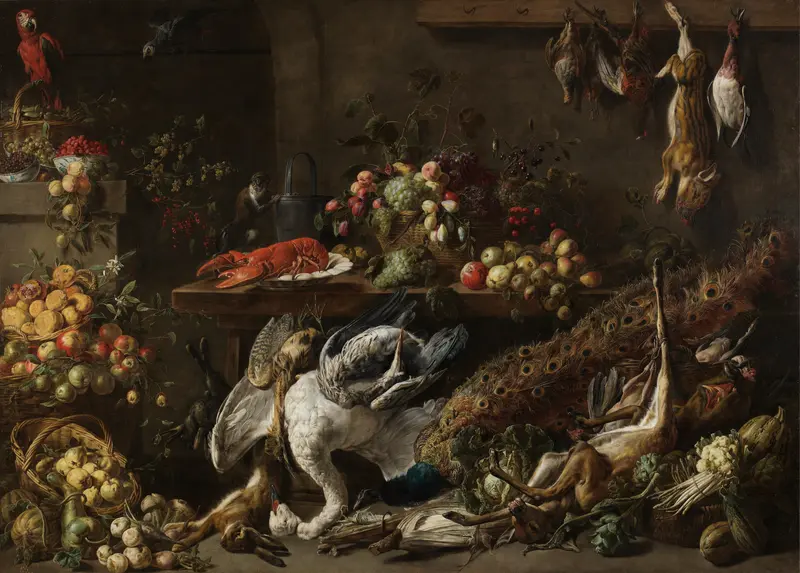
A Larder
Adriaen van Utrecht
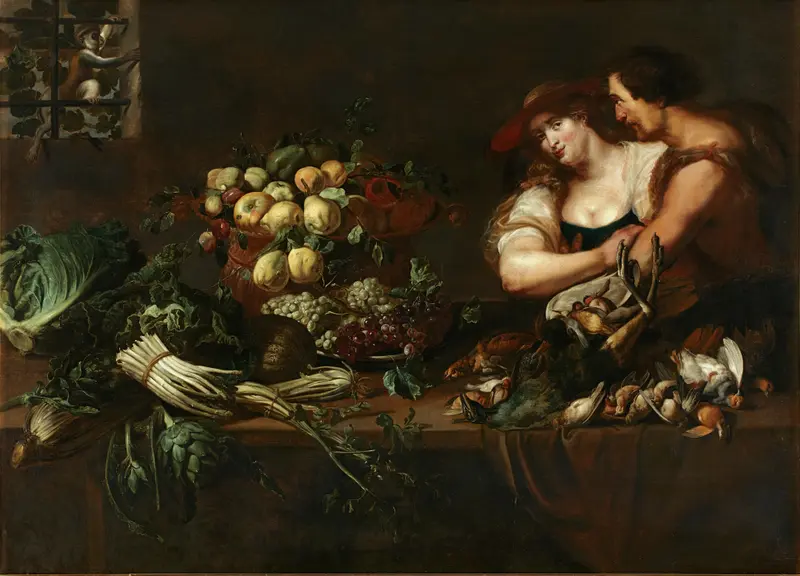
A Kitchen Still Life with Figures
Adriaen van Utrecht
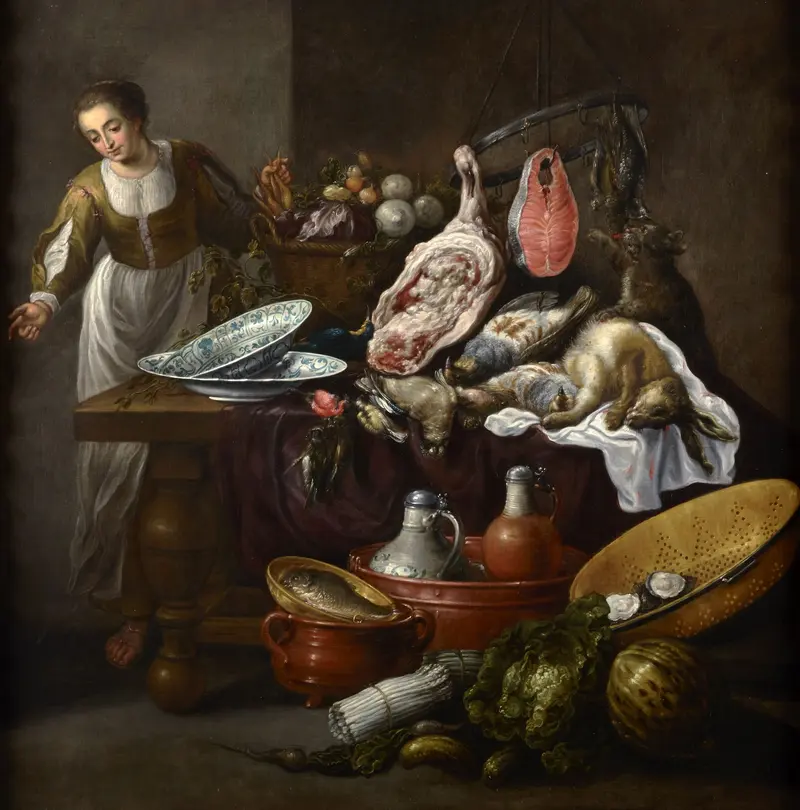
Large kitchen still life with a young woman
Adriaen van Utrecht





