Discover insights about this artwork
Still Life with Plaster Cupid — History & Facts
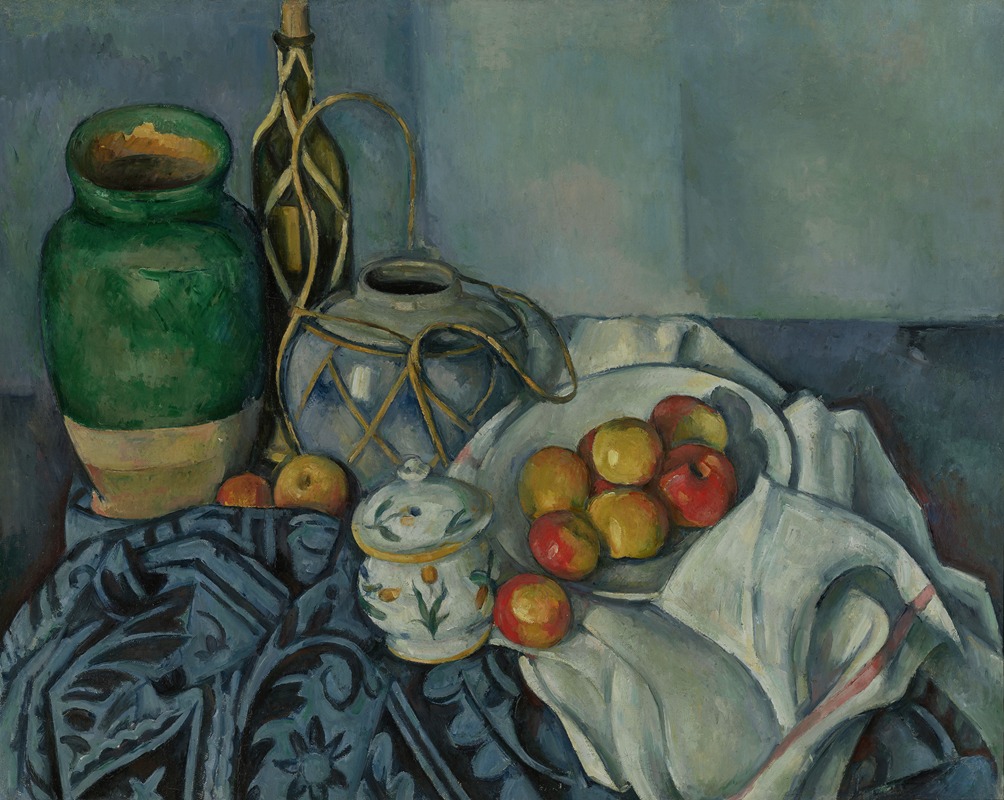
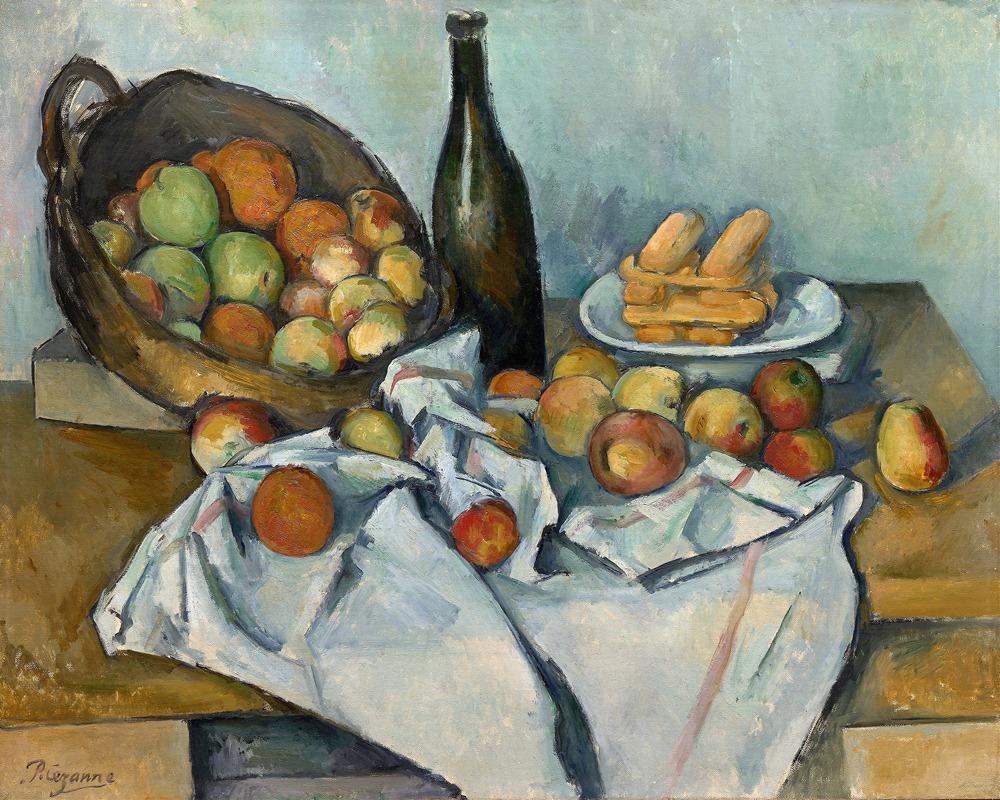
In Still Life with Plaster Cupid, Paul Cézanne presents a carefully arranged composition featuring a plaster statue of Cupid. The color palette is rich, with warm tones of yellow, orange, and green dominating the scene. The objects are placed on a table, surrounded by a soft, muted background that enhances their presence.
The overall effect is one of harmony and balance, typical of Cézanne's style. The painting is executed in oil on canvas, a medium that allows for the layering of colors and textures. Cézanne's brushwork is distinctive, with visible strokes that create depth and dimension. The arrangement of objects is not random; each element is thoughtfully placed to guide the viewer's eye throughout the composition.
This technique reflects Cézanne's interest in the structure and form of still life. Paul Cézanne was a pivotal figure in the transition from Impressionism to modern art. He often explored the theme of still life, using it as a way to study color and form. An interesting fact about Still Life with Plaster Cupid is that it exemplifies his innovative approach to perspective, where objects are depicted from multiple viewpoints.
This painting is a testament to his belief that art should reflect the complexity of nature.
More Artworks by Paul Cézanne
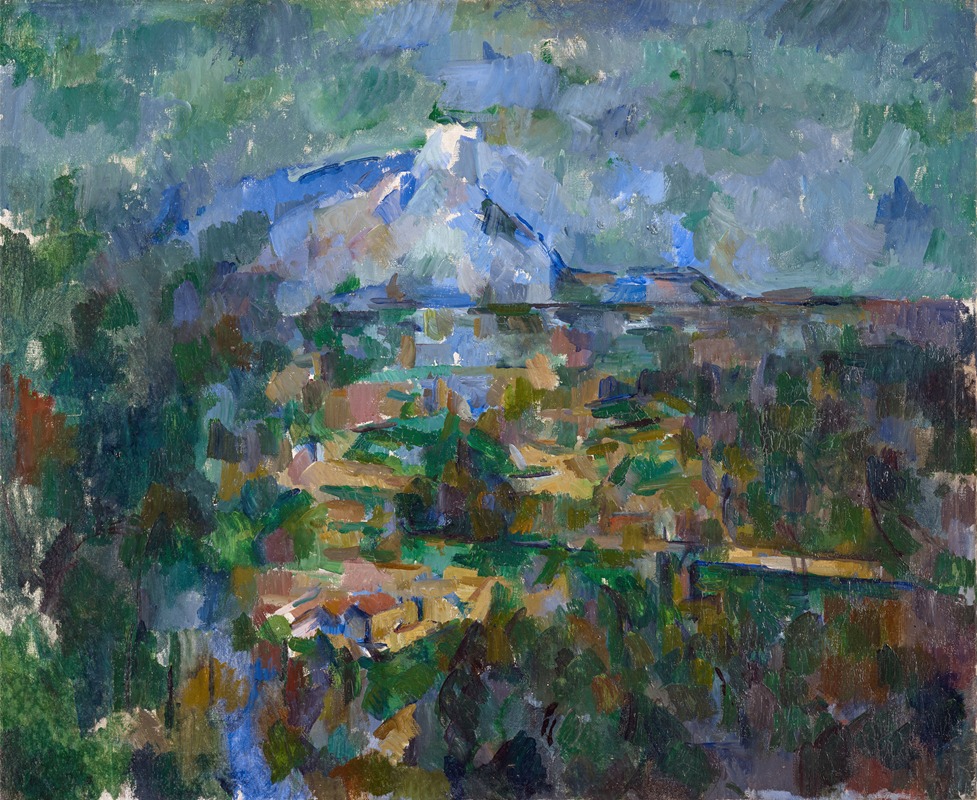
The Mont Sainte-Victoire Seen From Les Lauves
Paul Cézanne
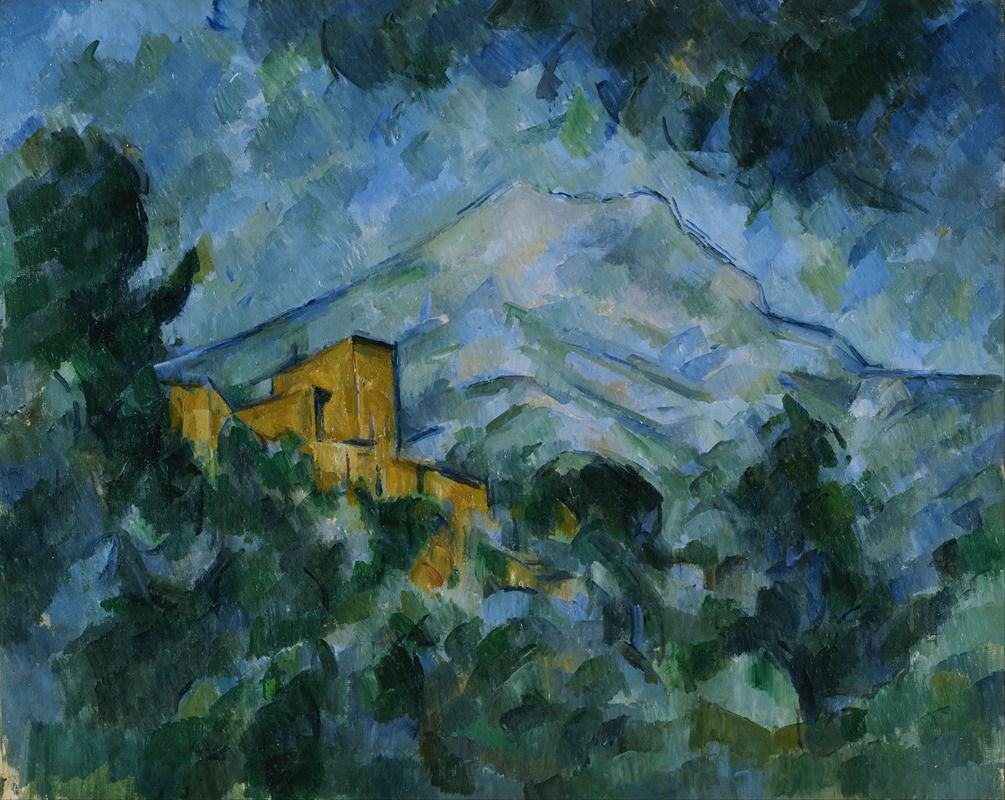
Mont Sainte-Victoire and Château Noir
Paul Cézanne
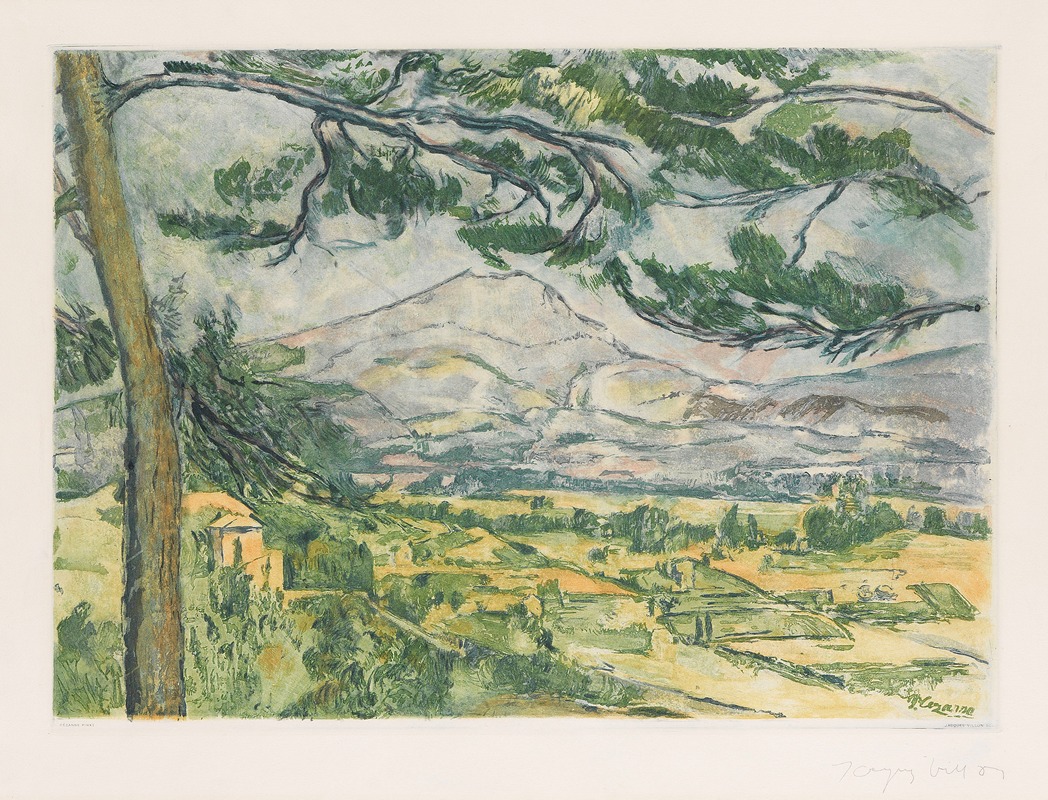
La Montagne Sainte-Victoire
Paul Cézanne
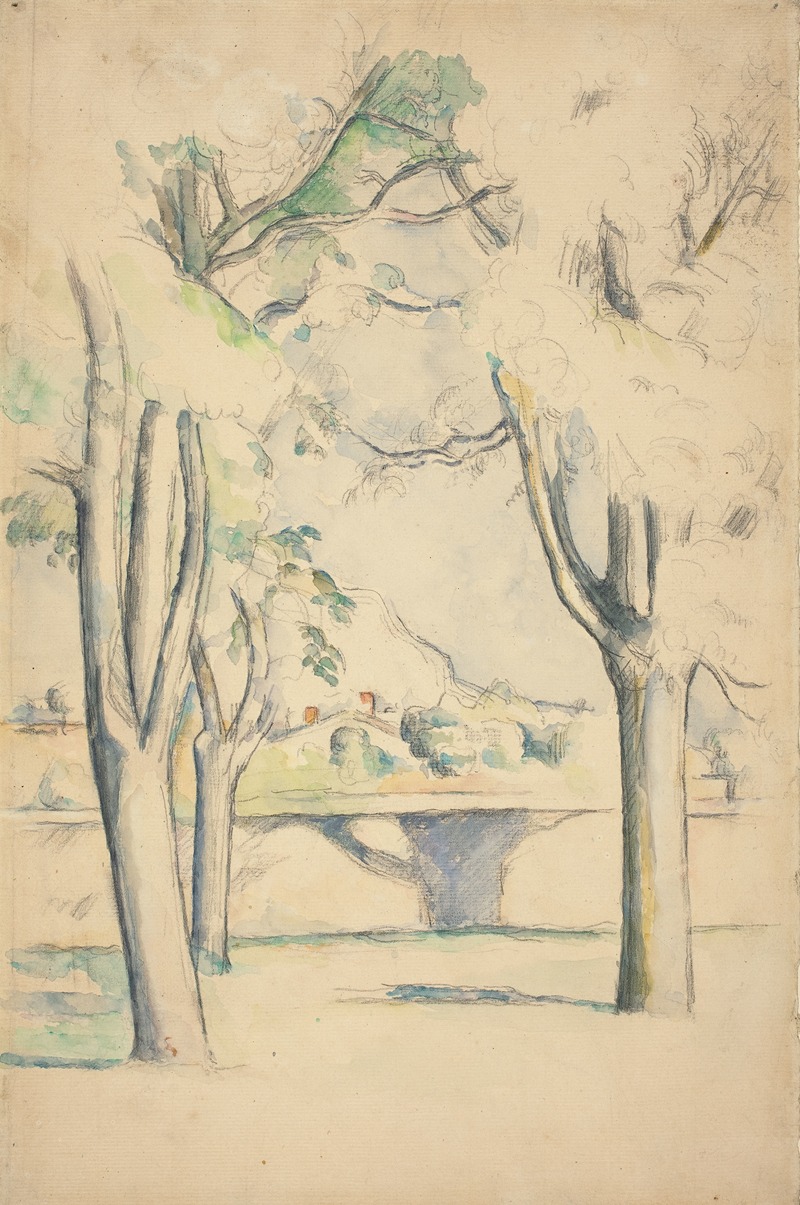
Mont Sainte-Victoire Seen beyond the Wall of the Jas de Bouffan
Paul Cézanne
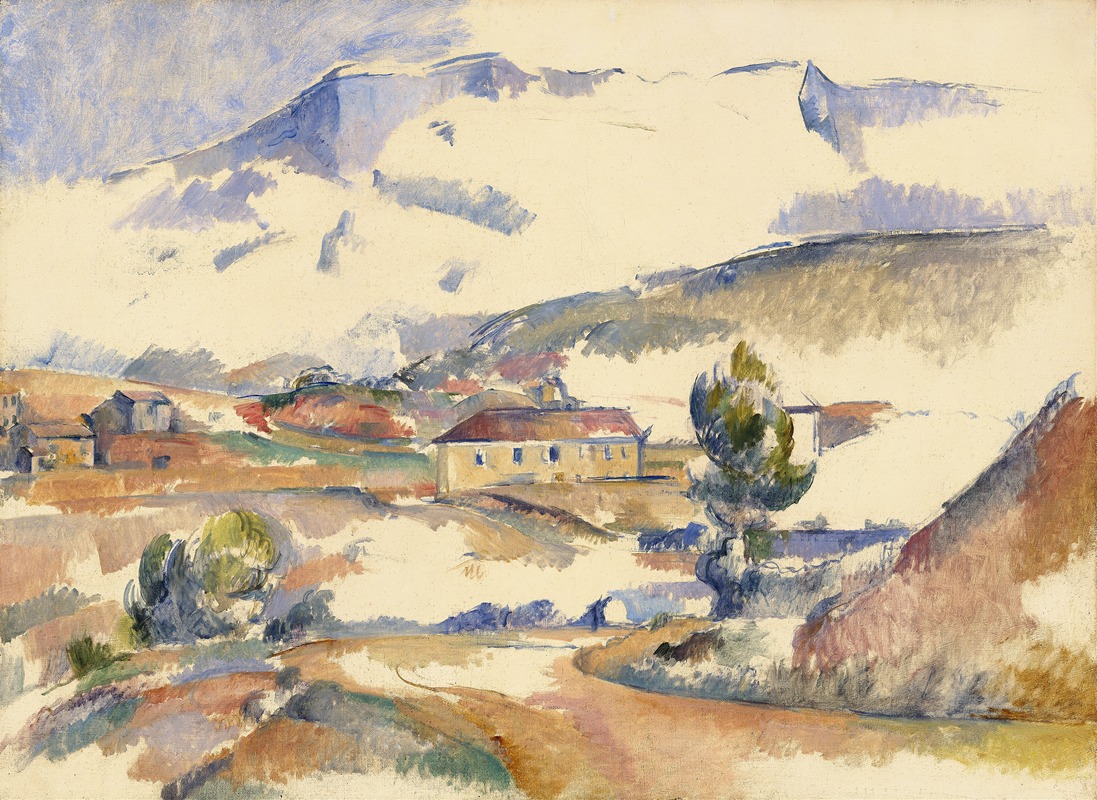
Montagne Sainte-Victoire,from near Gardanne
Paul Cézanne
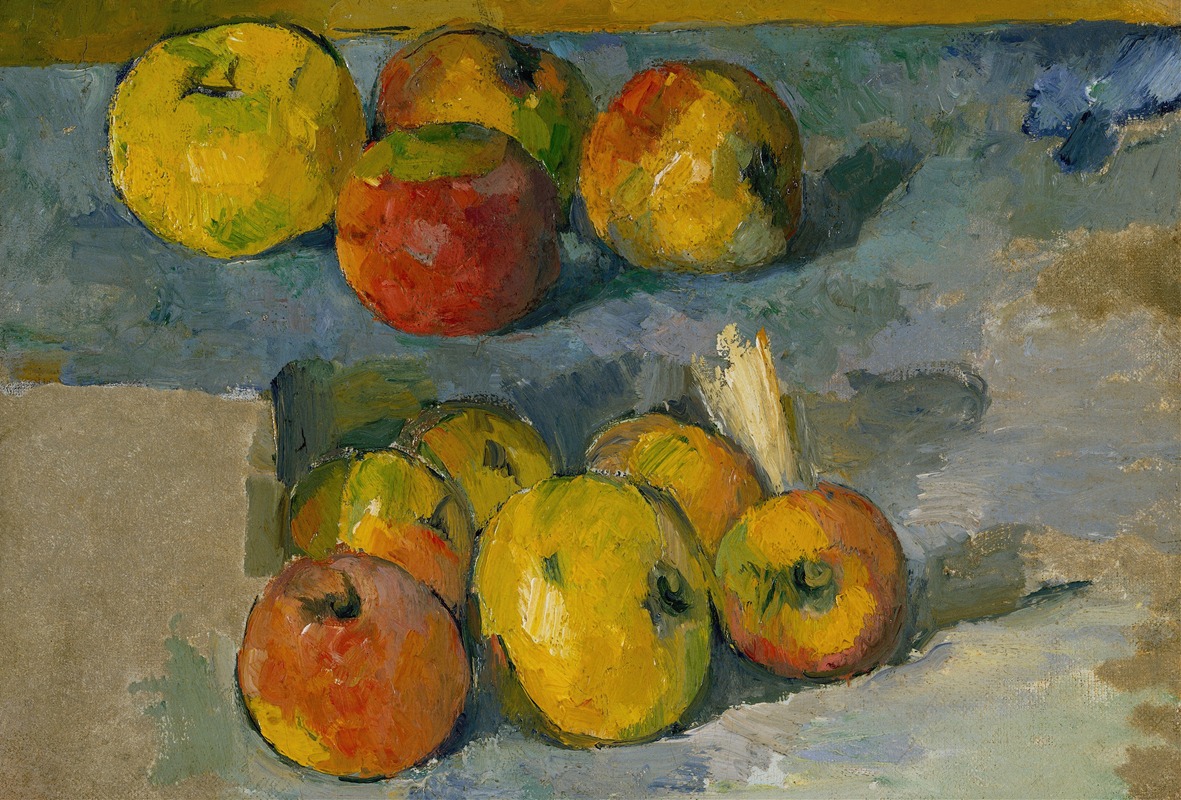
Apples
Paul Cézanne
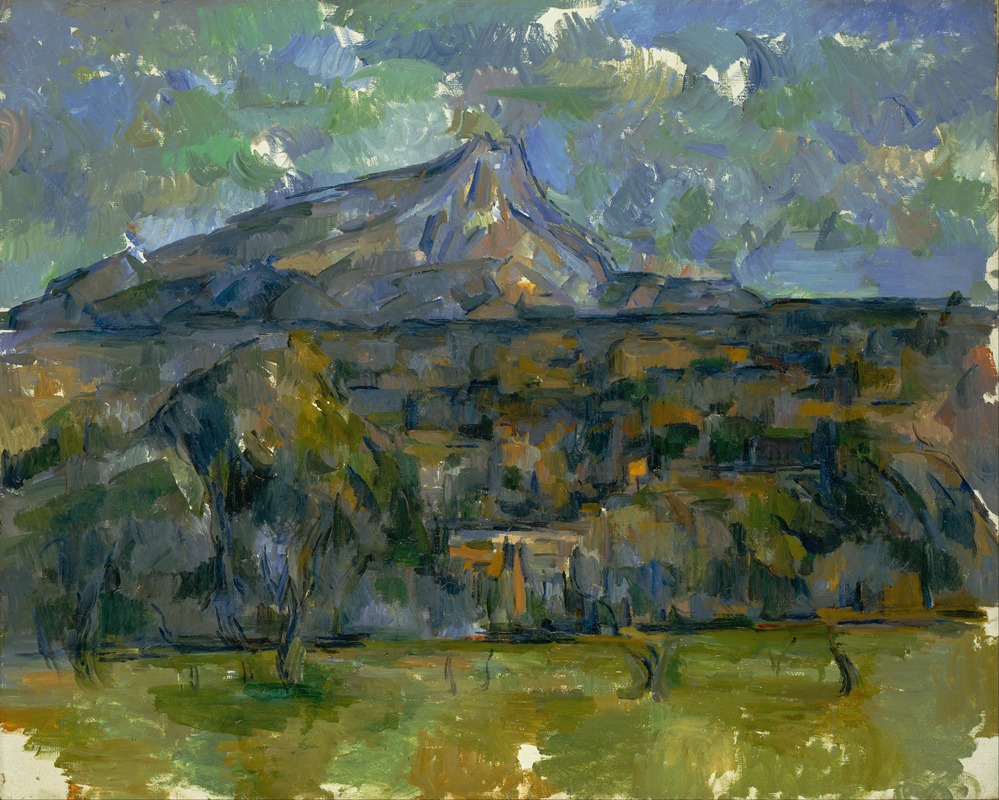
Mont Sainte-Victoire
Paul Cézanne
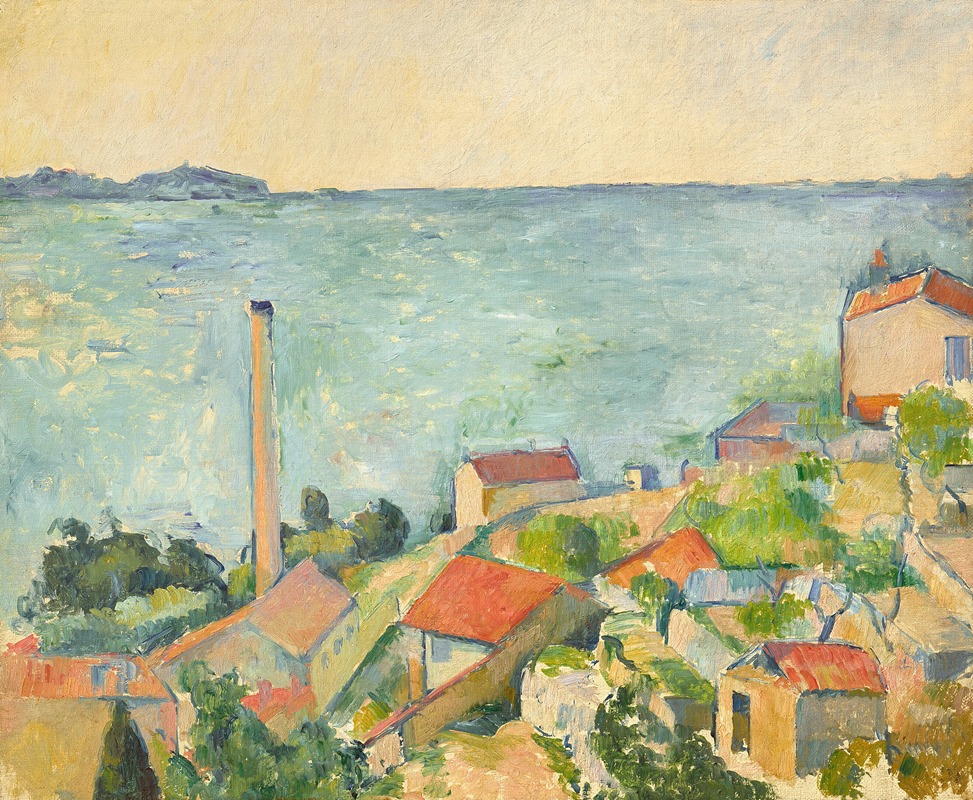
La mer à l’Estaque
Paul Cézanne
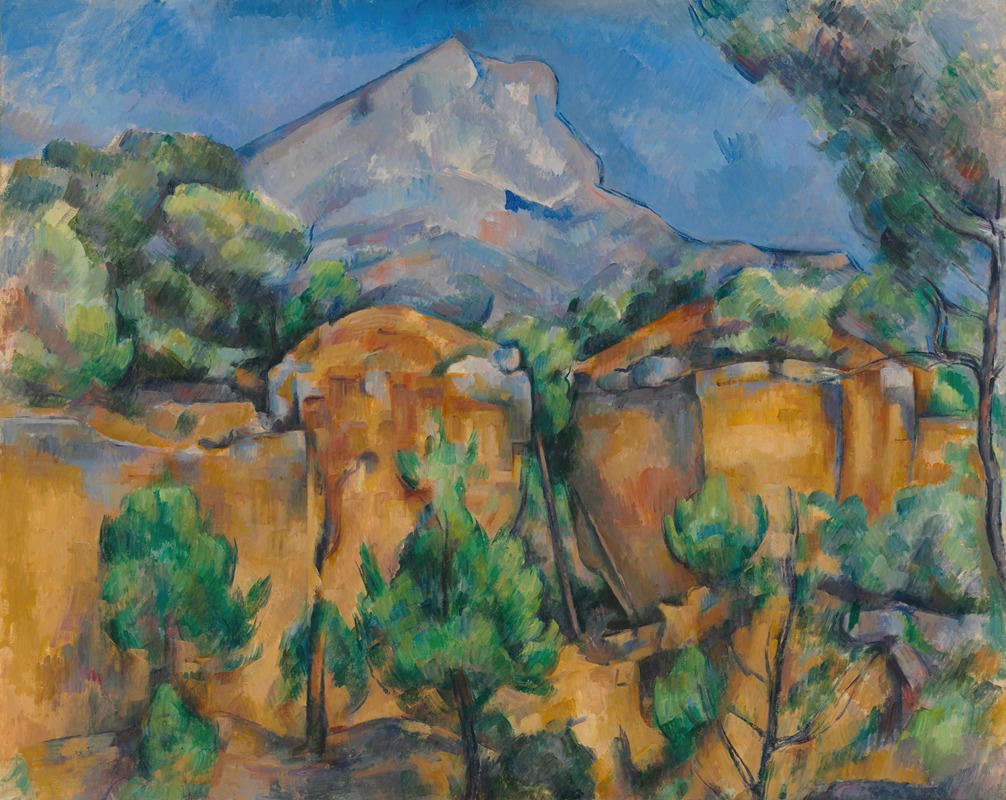
La Montagne Sainte-Victoire vue de la carrière Bibémus
Paul Cézanne
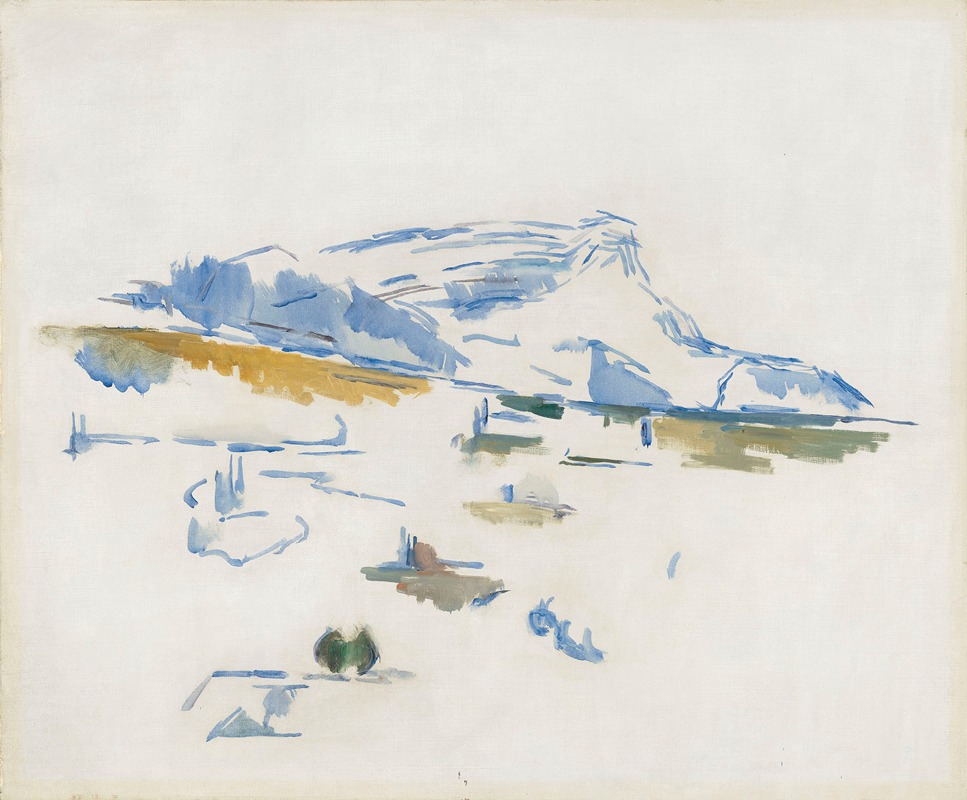
La Montagne Sainte-Victoire vue des Lauves
Paul Cézanne