
Stilleven met koperen kan — History & Facts
What draws the eye first in Stilleven met koperen kan is the sense of quiet aftermath, as if the scene has just been left behind by unseen hands. The copper jug, tipped on its side, catches the warm, low light, its surface reflecting a world of browns and golds. Shadows gather around the rough-hewn basket and the bundle of twigs, while a battered hat perches atop a simple clay pot, lending the arrangement a touch of personality—almost as if the objects themselves are settling in for the evening.
The composition leads the gaze from the glinting jug to the rough textures of onions and straw, then up to the sturdy, weathered wood that frames the background. The palette is earthy and restrained, giving the moment a grounded, lived-in feeling, as if these humble items have stories of their own. Painted between 1640 and 1650, this work belongs to a period when still life was flourishing in the Dutch Republic, celebrated for its ability to turn everyday objects into meditations on plenty, labor, and the passage of time. Artists like Adriaen van Ostade found poetry in the ordinary, offering viewers a window into the rhythms of rural and domestic life.
Such paintings were often collected by prosperous townsfolk who took pride in the honest fruits of their world, and who delighted in the painter’s skill at rendering texture and light. Today, Stilleven met koperen kan is part of the collection at Rijksmuseum Twenthe, a reminder that history has kept few traces of its early journey, but much of its quiet power. Let your eyes linger on the battered surfaces and the interplay of shadow and gleam—there is a whole world in these simple things.
More Artworks by Adriaen van Ostade

Dans in de herberg
Adriaen van Ostade
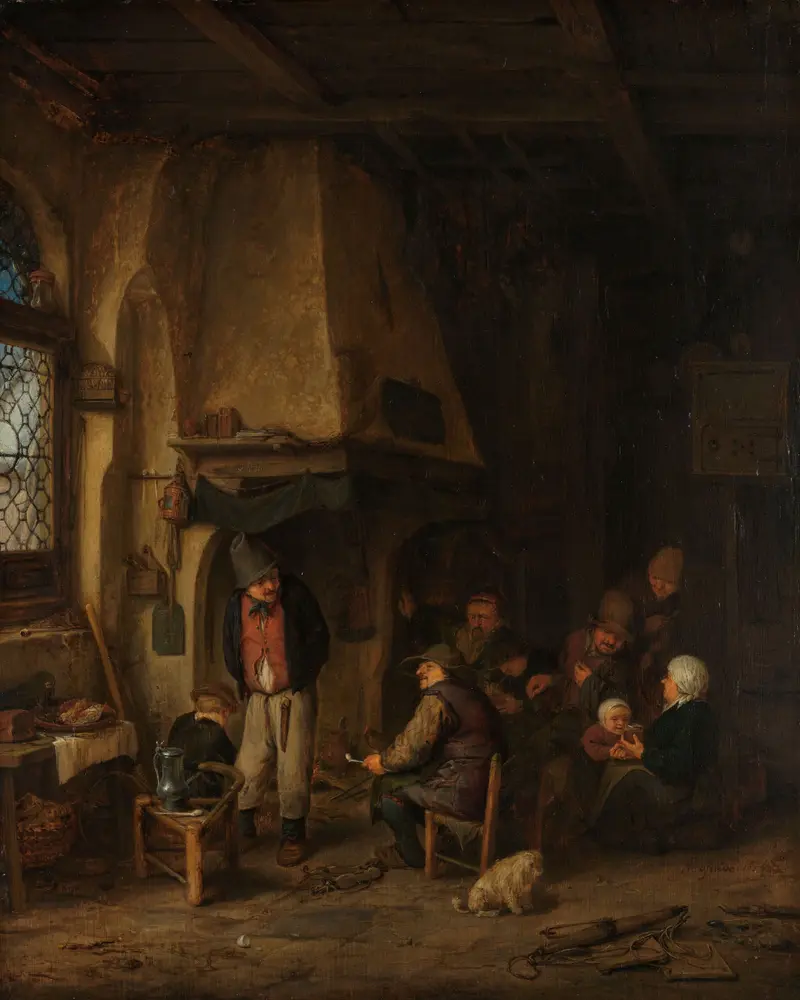
‘The Skaters’: Peasants in an Interior
Adriaen van Ostade
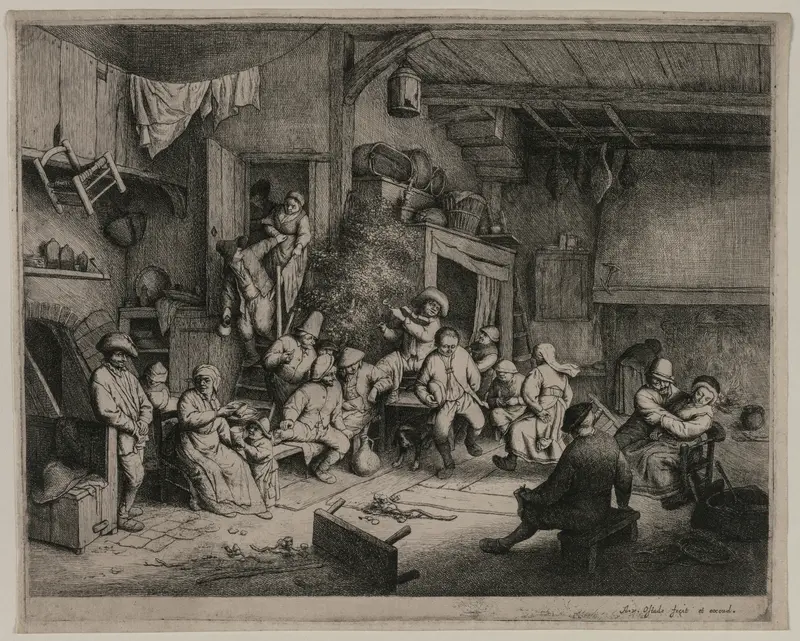
Dance at the Inn
Adriaen van Ostade
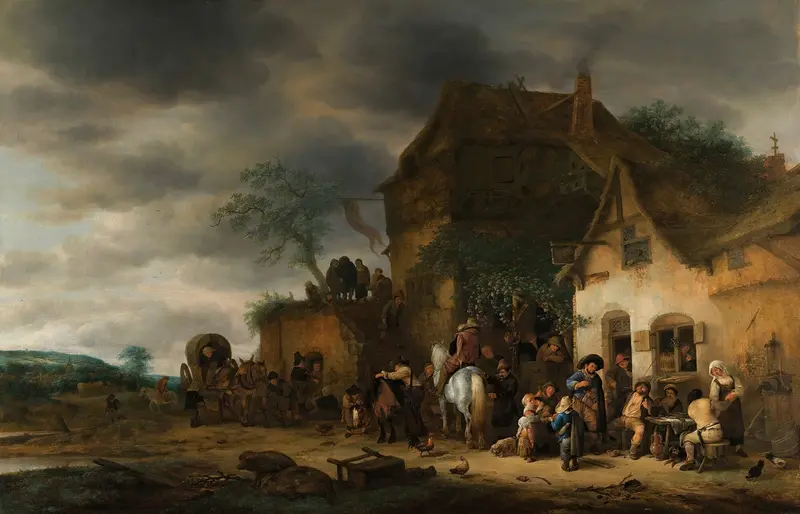
Travellers Halted At A Country Inn
Adriaen van Ostade
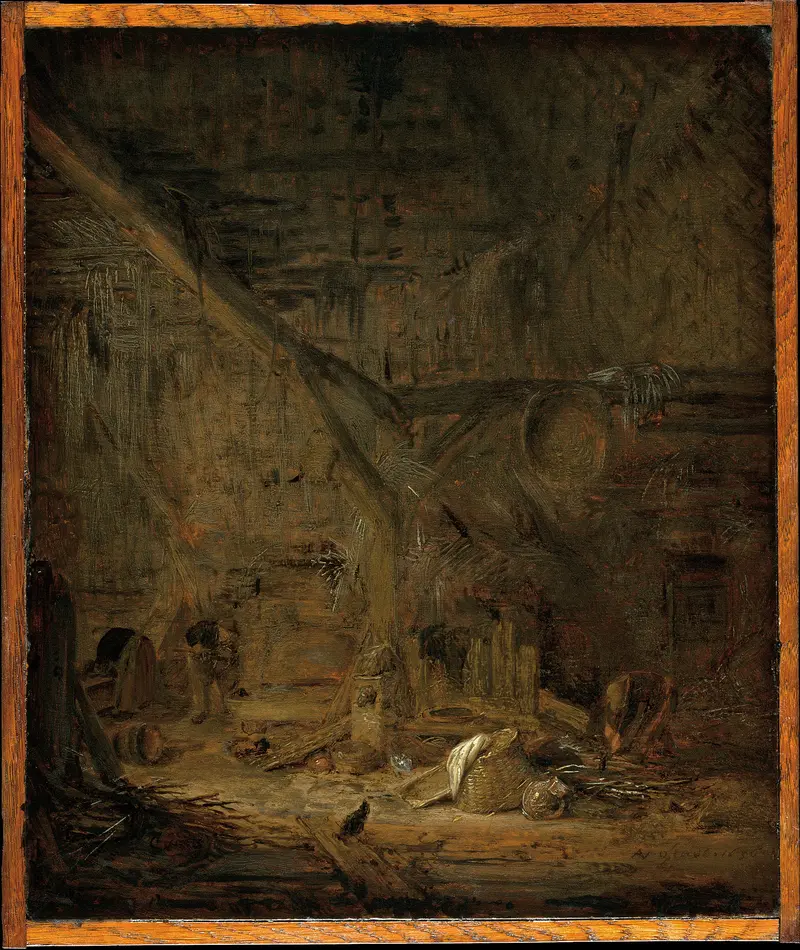
Interior of a Barn
Adriaen van Ostade
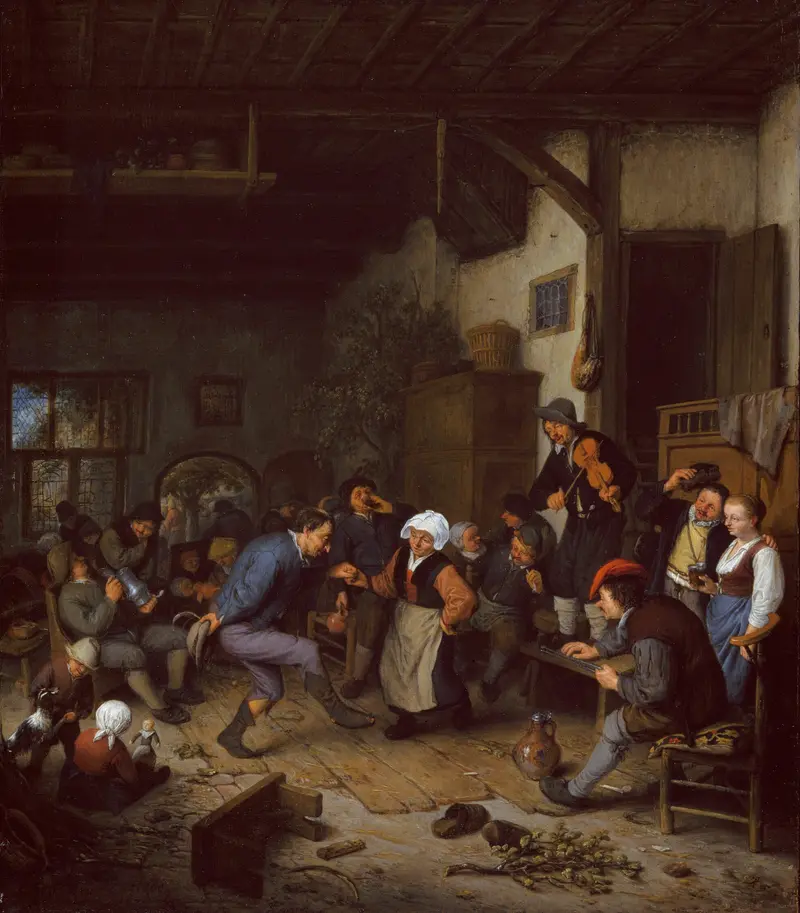
Merrymakers in an Inn
Adriaen van Ostade
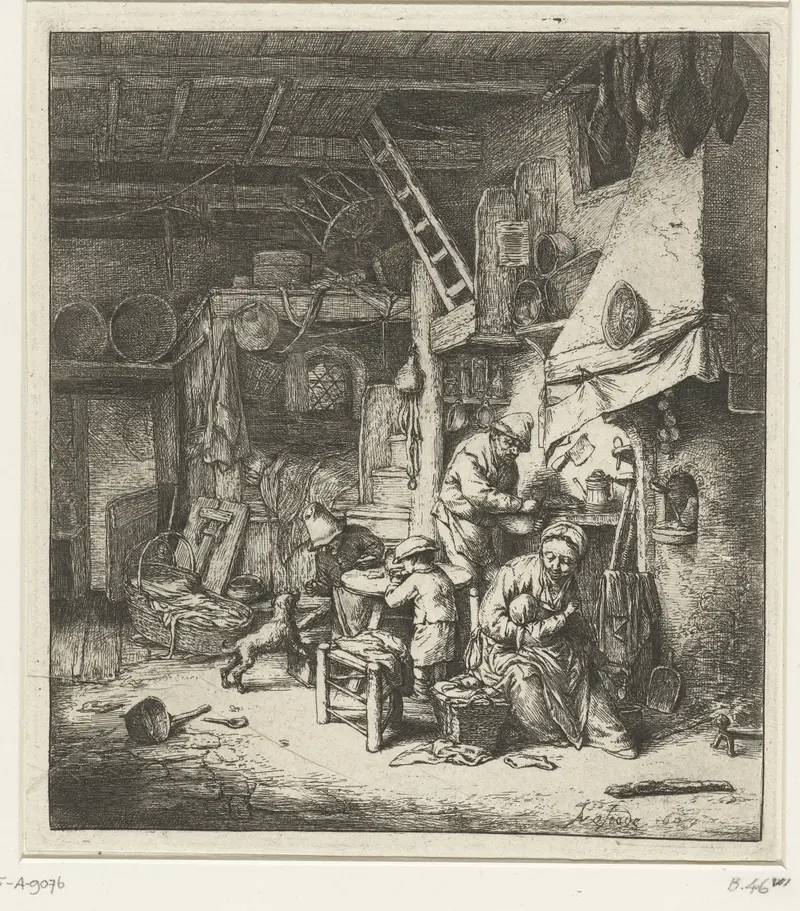
Boerengezin in interieur
Adriaen van Ostade
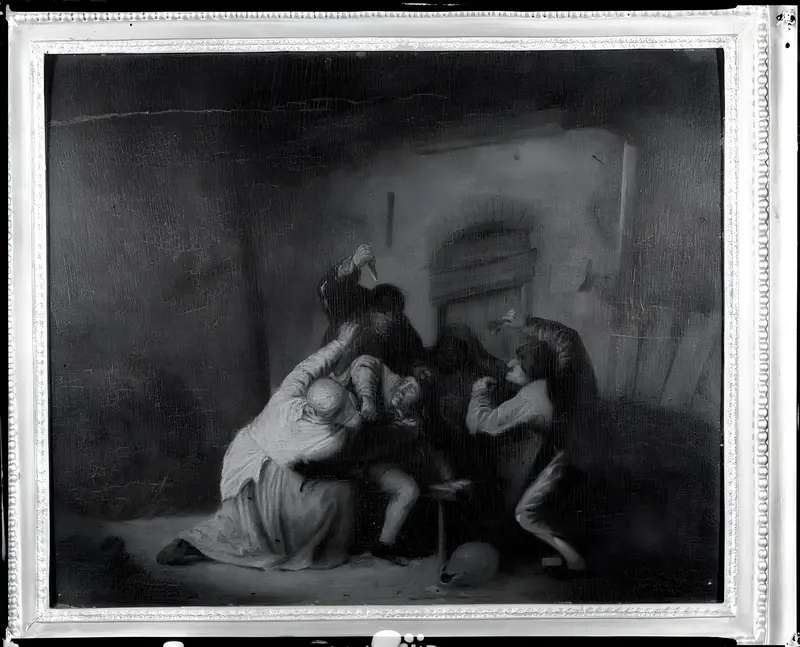
Peasants Brawling in a Tavern
Adriaen van Ostade
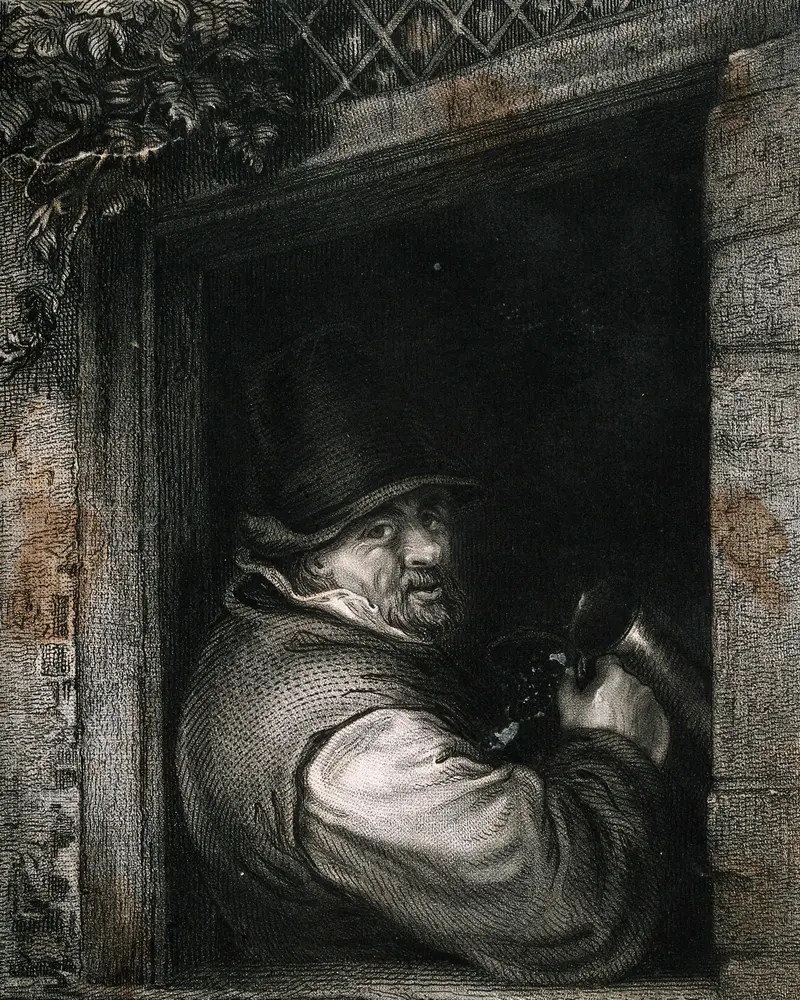
Man with a Tankard at a Window
Adriaen van Ostade
Dans in de herberg
Adriaen van Ostade





