
Boerengezin in interieur — History & Facts
Within the quiet embrace of domesticity, shades of melancholy echo in the warm hues of this piece, inviting reflection on the simplicity and complexity of rural life. Focus first on the central figures, a peasant family gathered around a modest table. The soft light bathing their faces reveals both weariness and warmth, while the earthy palette—rich browns and muted greens—anchors the scene in a reality that is both familiar and deeply poignant. Notice how the texture of the wooden beams overhead emphasizes the rustic environment, creating a sense of safety yet also confinement. As you absorb the details, observe the subtle interplay of gestures.
The children's innocent curiosity contrasts sharply with the parents' discernible fatigue, hinting at the burdens that accompany their humble existence. The stillness of the room speaks volumes; the silence of their expressions suggests unspoken dreams and the weight of everyday struggles, weaving a narrative filled with emotional tension and longing. Created in 1647, this work emerged during a period of significant change in the Netherlands, as the country navigated economic challenges and social upheaval. Adriaen van Ostade was deeply engaged in depicting the lives of the lower classes, capturing both their joys and sorrows in a naturalistic style that marked the height of Dutch genre painting.
This piece not only reflects his mastery of light and shadow but also serves as a poignant commentary on the human condition amid the shifting tides of history.
More Artworks by Adriaen van Ostade
Browse all →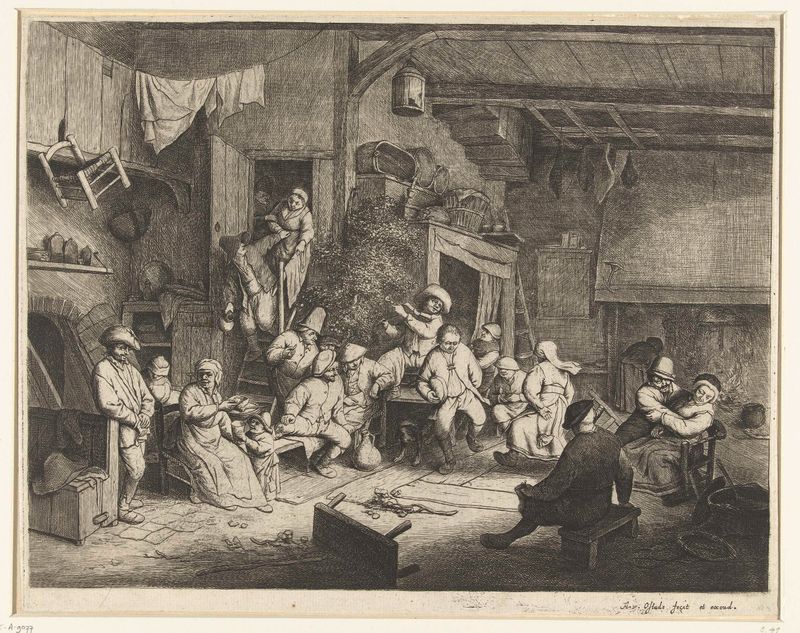
Dans in de herberg
Adriaen van Ostade
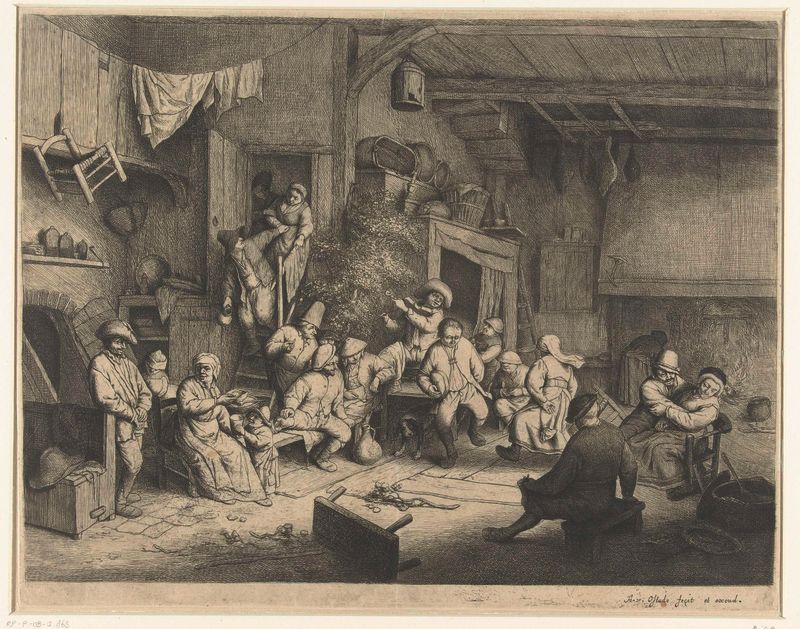
Dance at the Inn
Adriaen van Ostade

Travellers Halted At A Country Inn
Adriaen van Ostade
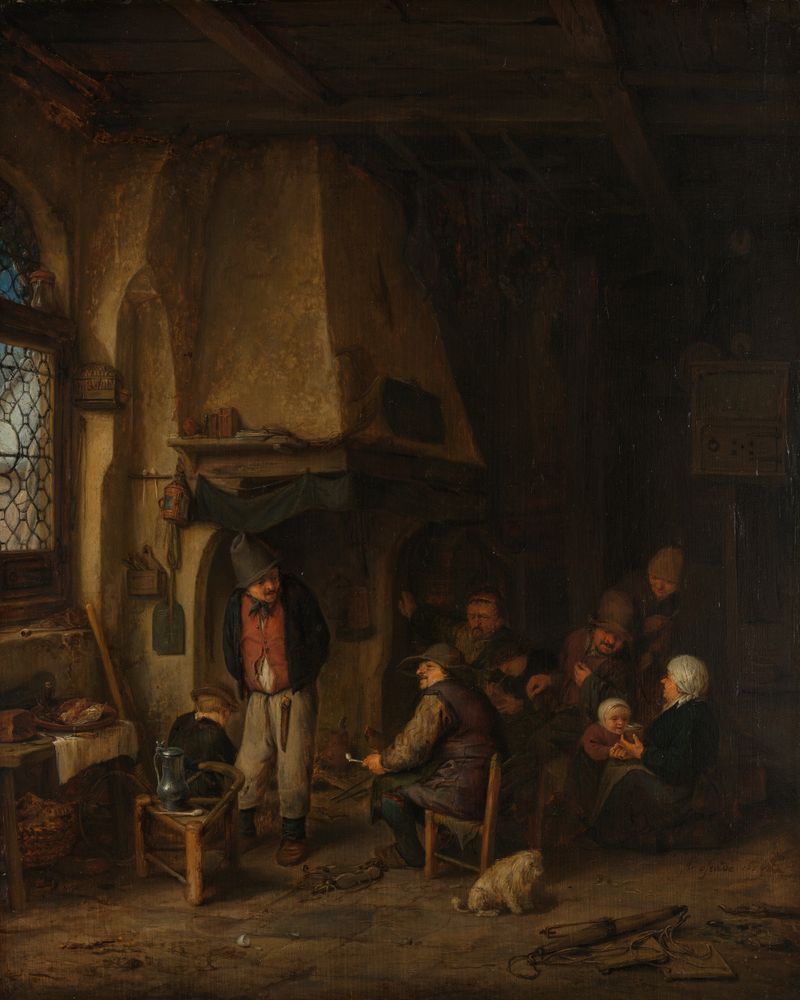
‘The Skaters’: Peasants in an Interior
Adriaen van Ostade

Dans in de herberg
Adriaen van Ostade

Merrymakers in an Inn
Adriaen van Ostade
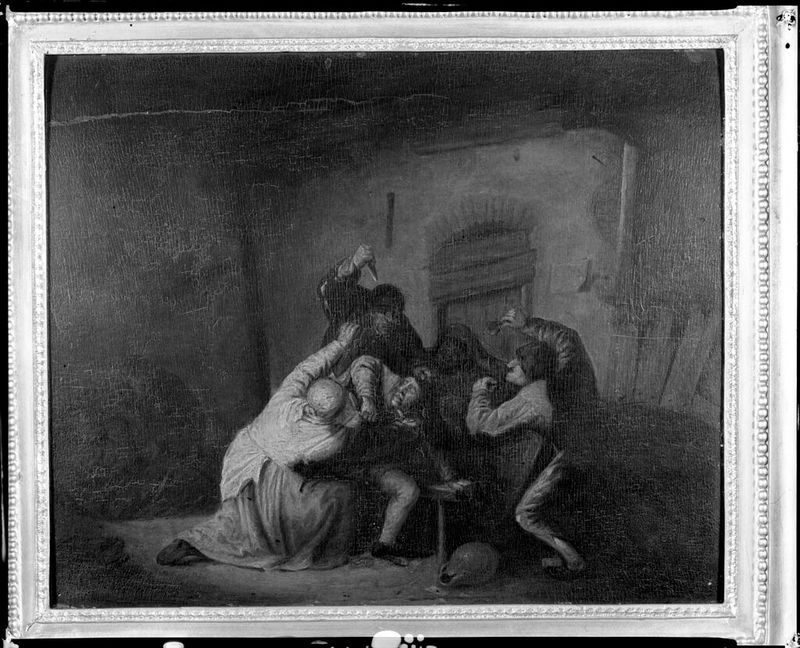
Peasants Brawling in a Tavern
Adriaen van Ostade
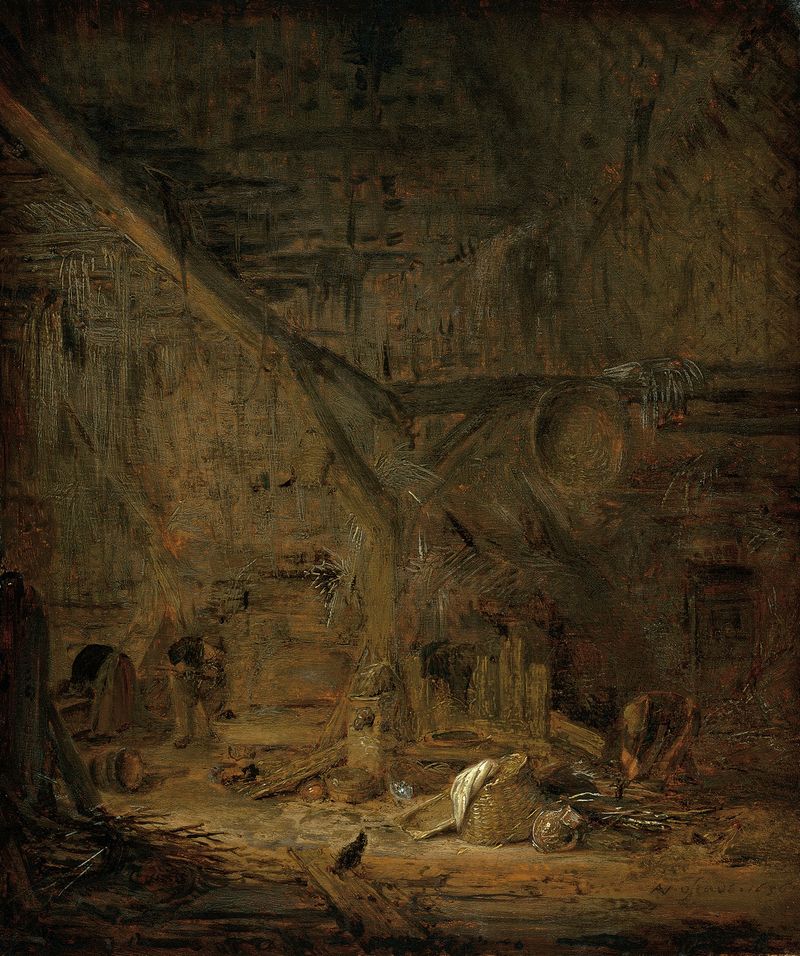
Interior of a Barn
Adriaen van Ostade

Man with a Tankard at a Window
Adriaen van Ostade
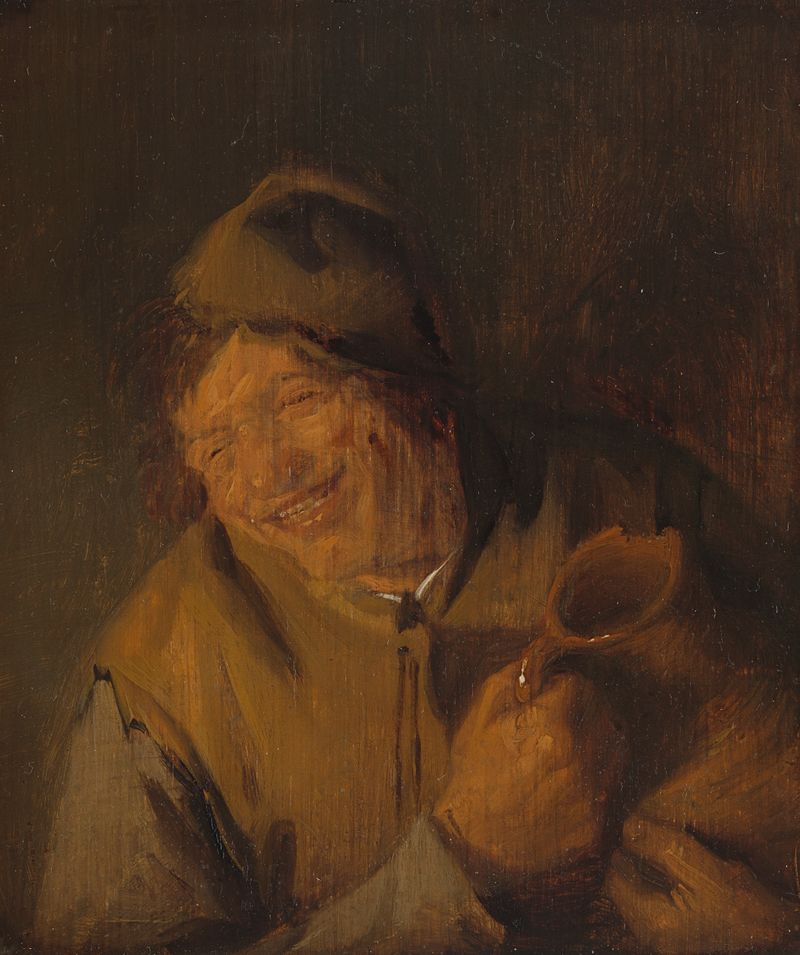
The Merry Peasant
Adriaen van Ostade





