Stilleven met vissen en een kreeft — History & Facts
A single, vivid lobster commands the eye, its shell a burst of red against the muted gloom that swallows the rest of the canvas. The painter’s light is selective and almost theatrical, falling sharply on the lobster’s carapace and the slick, glassy eyes of the fish beside it. Every scale, every whisker, every battered fin is rendered with a tactile precision that makes the scene feel both intimate and slightly unsettling.
The onion, humble and half-peeled, seems almost an afterthought—yet its placement is deliberate, a nod to the kitchen and the transformation these creatures will soon undergo. The darkness that envelops the rest of the painting is not emptiness, but a stage, forcing the viewer to linger on the drama of these humble ingredients. This kind of still life, or stilleven, flourished in the nineteenth century as artists like Augustin Théodule Ribot turned their attention to the everyday abundance of the market and the kitchen. Such works were often destined for the homes of the bourgeoisie, who delighted in images that celebrated both nature’s bounty and the artistry of the table.
The genre invites contemplation of life’s cycles—freshness, decay, the fleeting pleasures of the senses. Though little is recorded about the journey of this particular painting, we know it was photographed on 11 November 2021 and remains in private hands. Its quiet drama invites us to look again, to find beauty in the ordinary, and to imagine the world just beyond the frame.
More Artworks by Augustin Théodule Ribot

The Scullion
Augustin Théodule Ribot
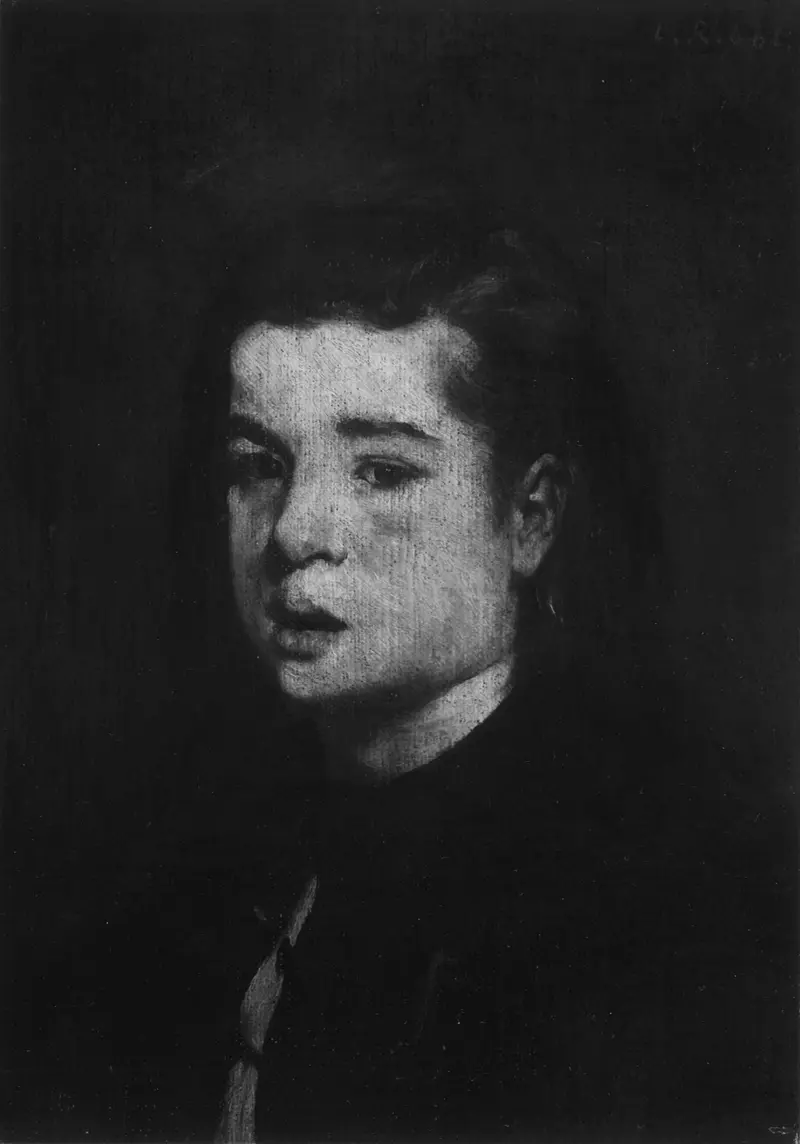
The Artist's Daughter
Augustin Théodule Ribot
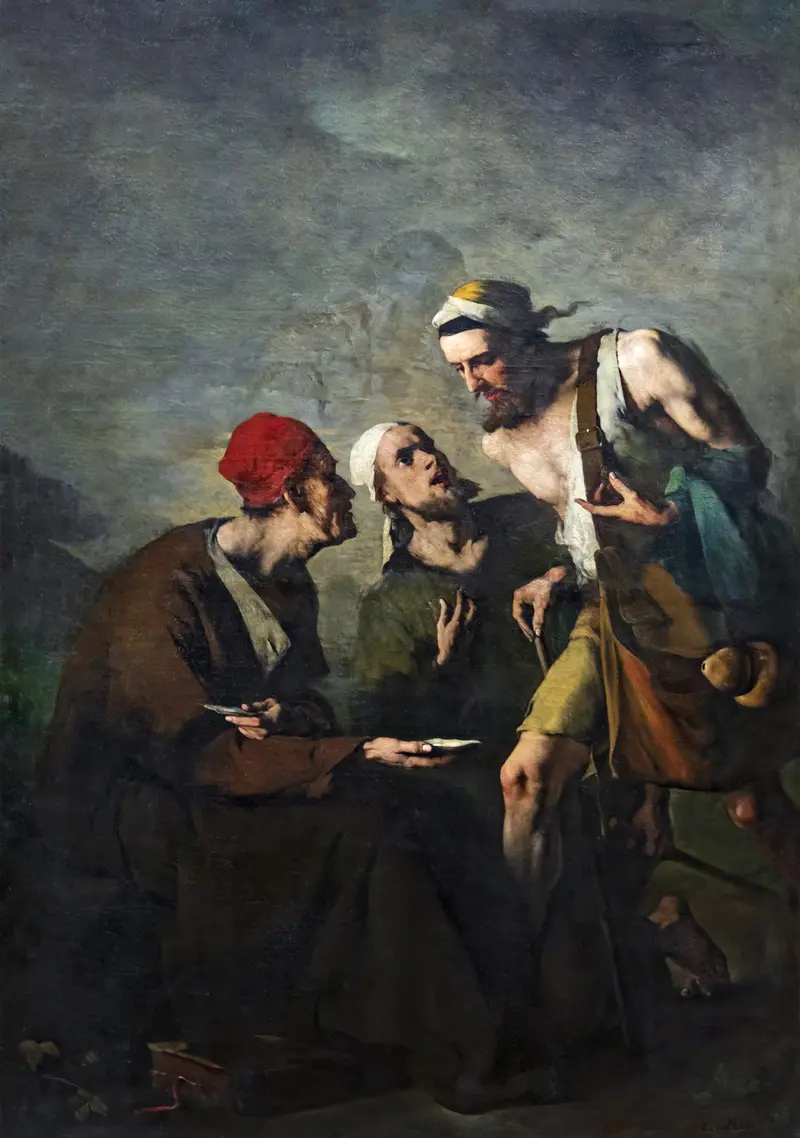
The oyster and the Litigant's
Augustin Théodule Ribot
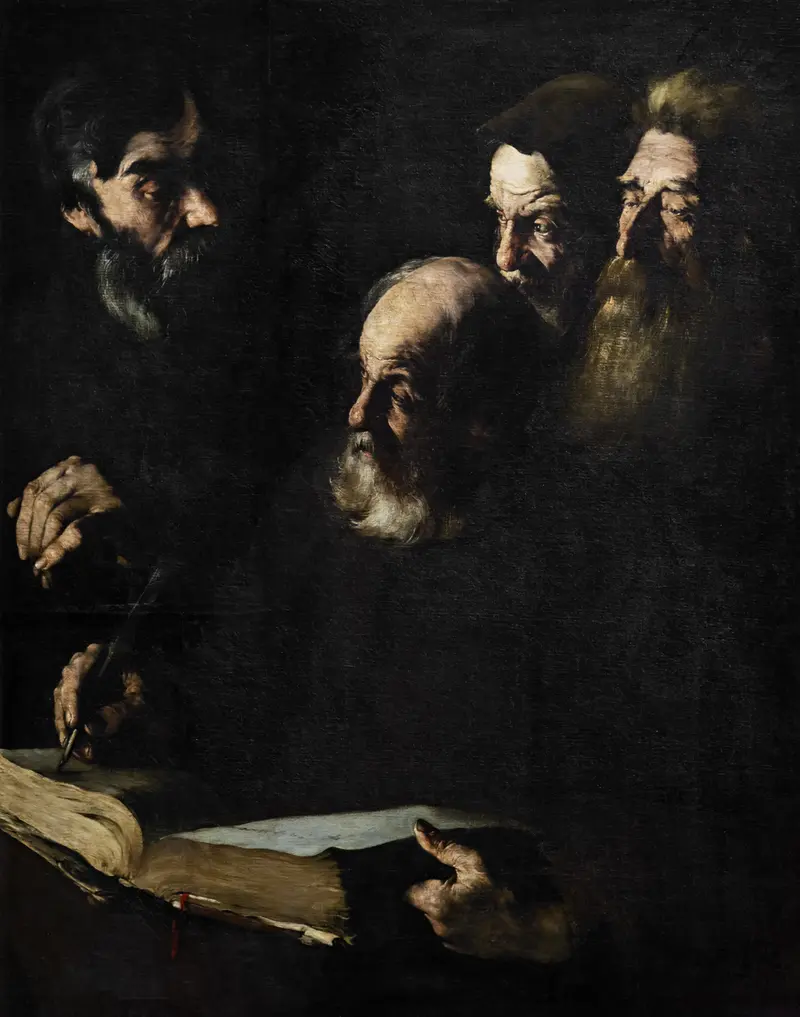
The philosophers
Augustin Théodule Ribot
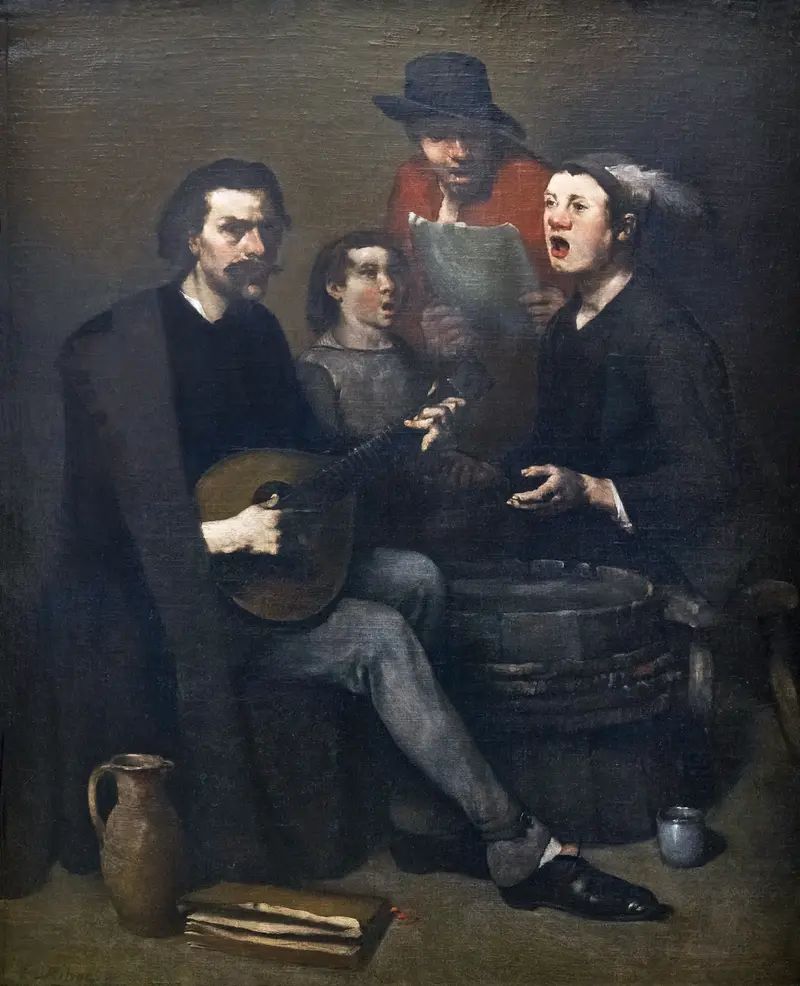
Singers
Augustin Théodule Ribot
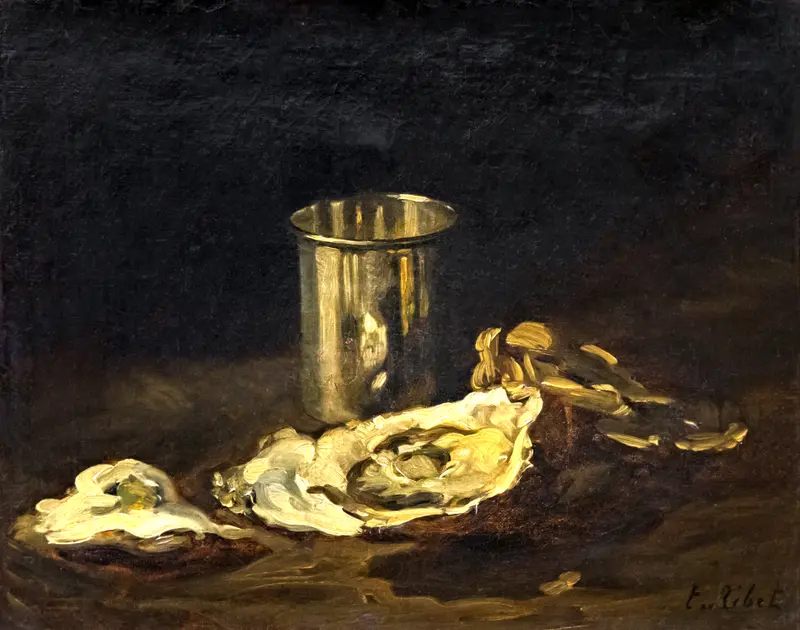
Oyster and timbale
Augustin Théodule Ribot
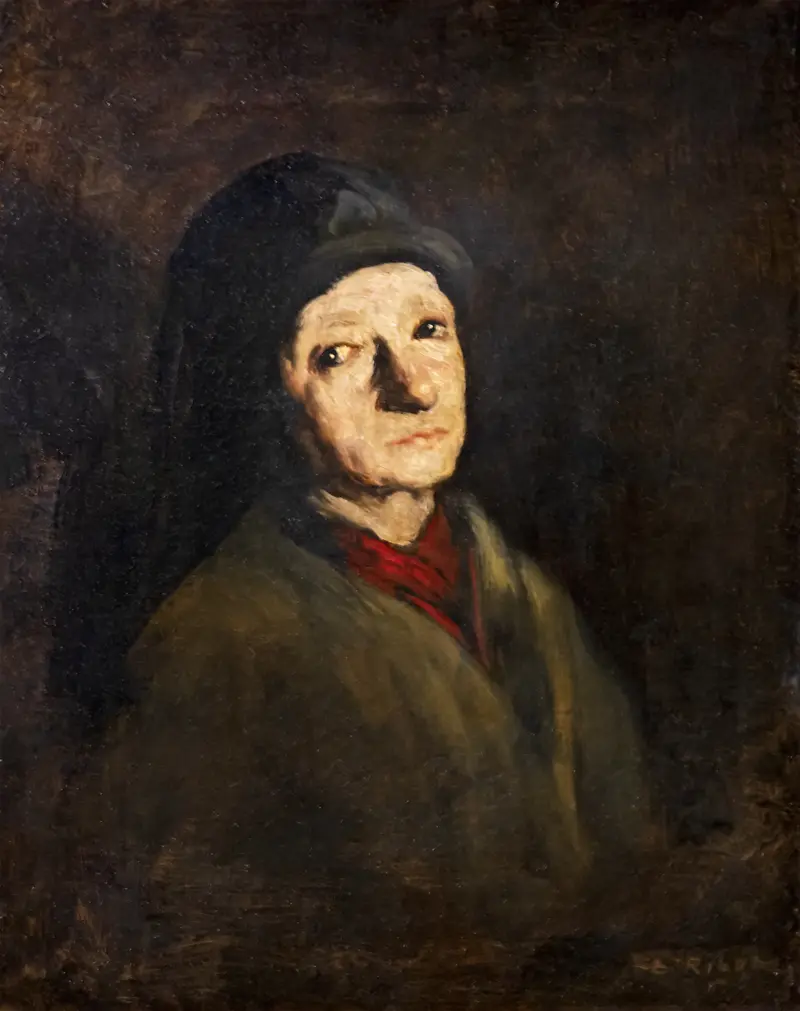
Portrait of the artist's mother
Augustin Théodule Ribot
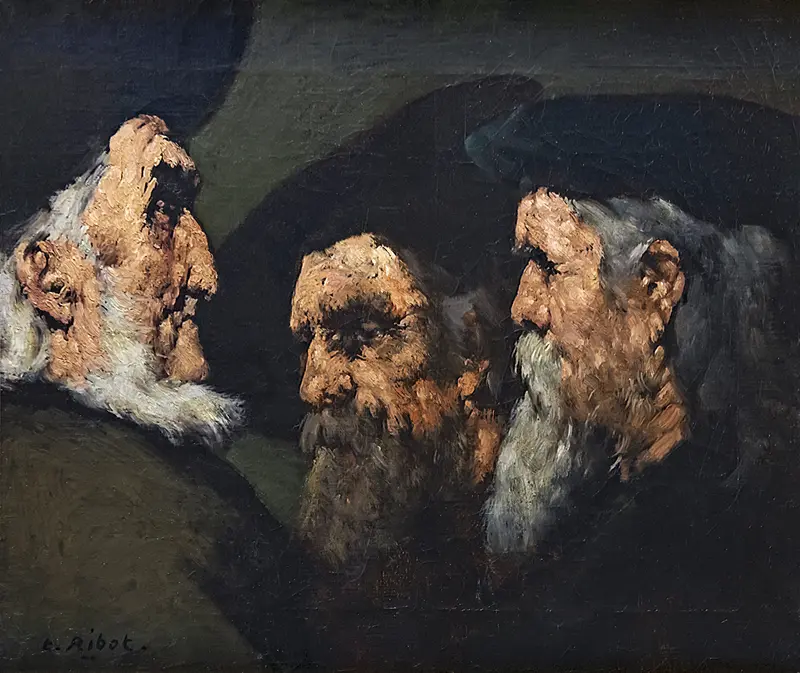
Three old jews
Augustin Théodule Ribot
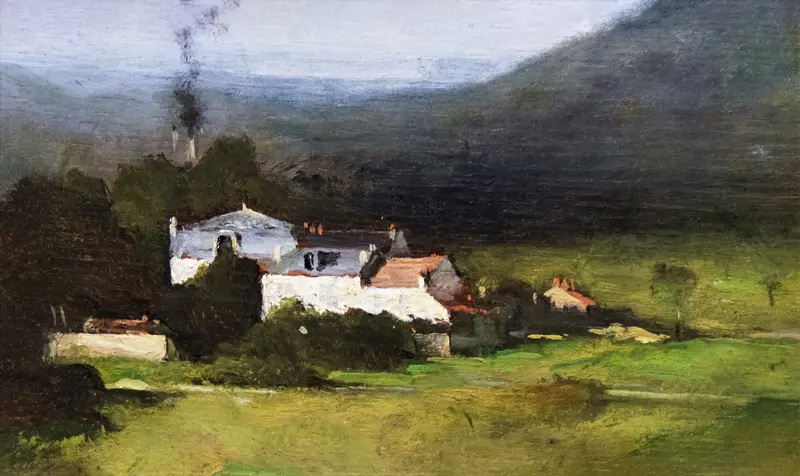
' Landscape ', known as ' La Maison de Corot in Ville-d'Avray '
Augustin Théodule Ribot
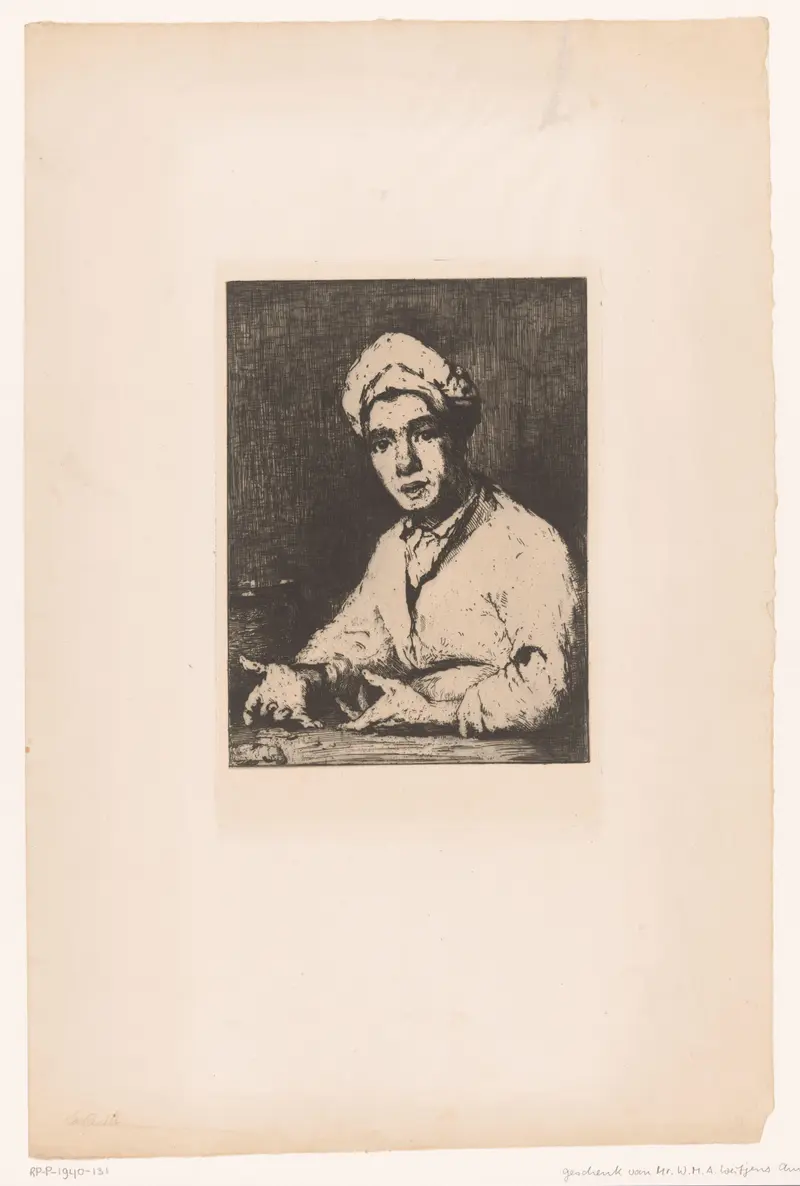
La recette du cuisinier
Augustin Théodule Ribot