
Stilvolle Landschaft mit Schafhirten, in der Ferne eine Stadt — History & Facts
In its stillness, it cradles the essence of a world where the past whispers through the brushstrokes, inviting contemplation of what remains unseen yet profoundly felt. Look to the left where the shepherds, modest in stature, guide their flock with gentle gestures, anchoring the composition's pastoral serenity. Notice how the soft greens and muted earth tones wrap around the scene, creating an enveloping calm that contrasts with the distant outlines of a city bathed in a hazy blue. The interplay of light and shadow across the shepherds’ figures creates a narrative of labor and connection to the land, while the city beyond hints at a modernity that looms ever closer. Delving deeper, one can sense the tension between tradition and progress.
The shepherds symbolize a timeless existence, rooted in nature's rhythm, while the city stands as a monument to human ambition and change. The clouds, swirling gently overhead, seem to cradle both worlds, suggesting a connection between the pastoral life and the encroachment of civilization. This duality invites viewers to reflect upon their own relationship with the past amid the relentless march of time. Jan van Huysum painted this work in the early 18th century, a pivotal period in the Netherlands where Baroque influences blended with burgeoning notions of naturalism.
At this time, he was establishing his legacy as a master of detail and tranquility, even as the art world was shifting towards themes of urban life and complexity. The tension between the idyllic countryside and the distant city speaks to the artist's profound understanding of the evolving landscape of his era.
More Artworks by Jan van Huysum
Browse all →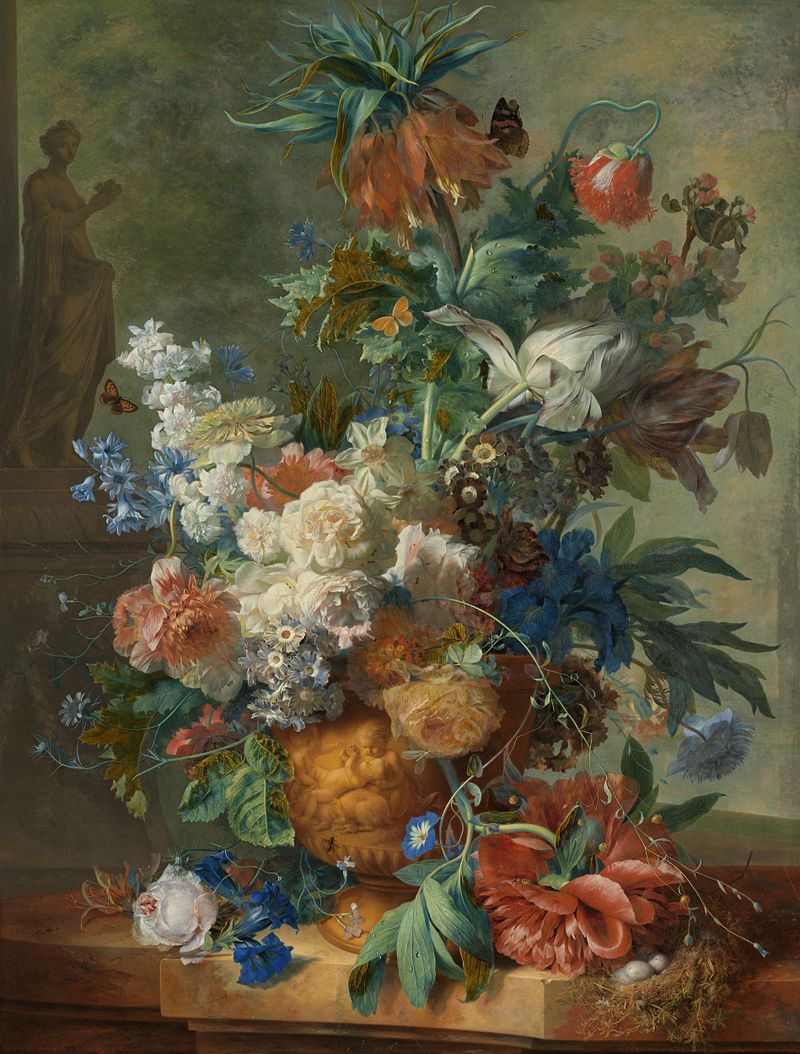
Still Life with Flowers
Jan van Huysum

Rosella
Jan van Huysum
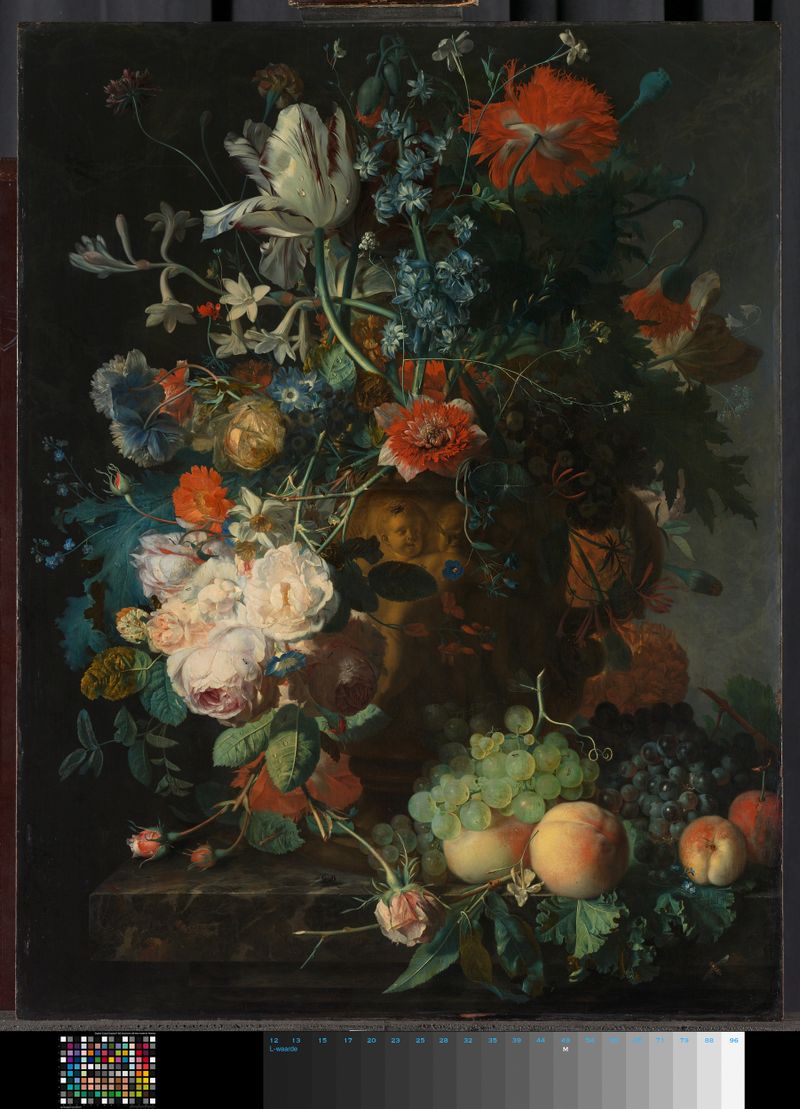
Still Life with Flowers and Fruit
Jan van Huysum
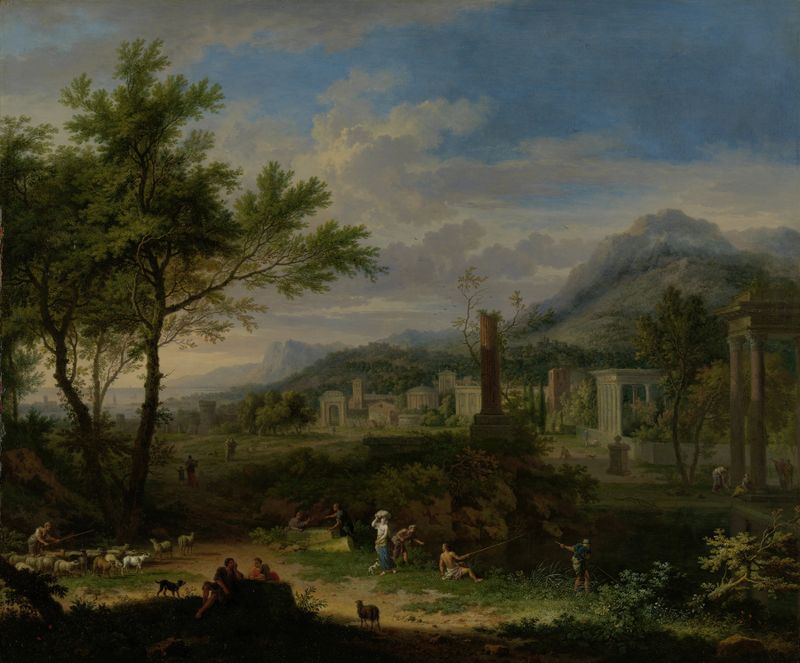
Arcadian Landscape with Fishermen
Jan van Huysum

Arcadian Landscape with Figures Making Music
Jan van Huysum
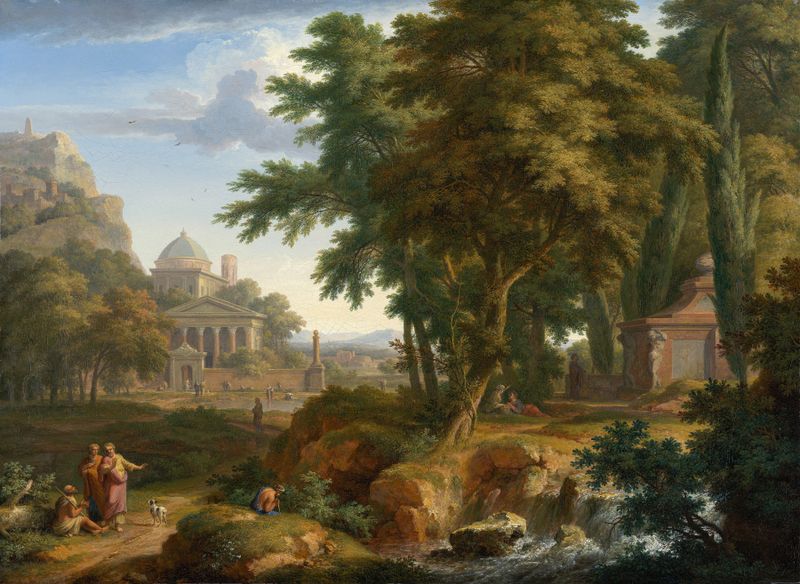
Arcadian Landscape with Saints Peter and John Healing the Lame Man
Jan van Huysum

Italian Landscape
Jan van Huysum

Landschaft mit einer italienischen Stadt bei einem hohen Berg, rechts die Ruine eines Tempels, im Vordergrund zwei Figuren und ein Hund
Jan van Huysum

Italienische Landschaft mit Wasserfall und rastenden Hirten
Jan van Huysum

Arcadian Landscape with a Bust of Flora
Jan van Huysum





