Stockholm Ström from Fjällgatan — History & Facts
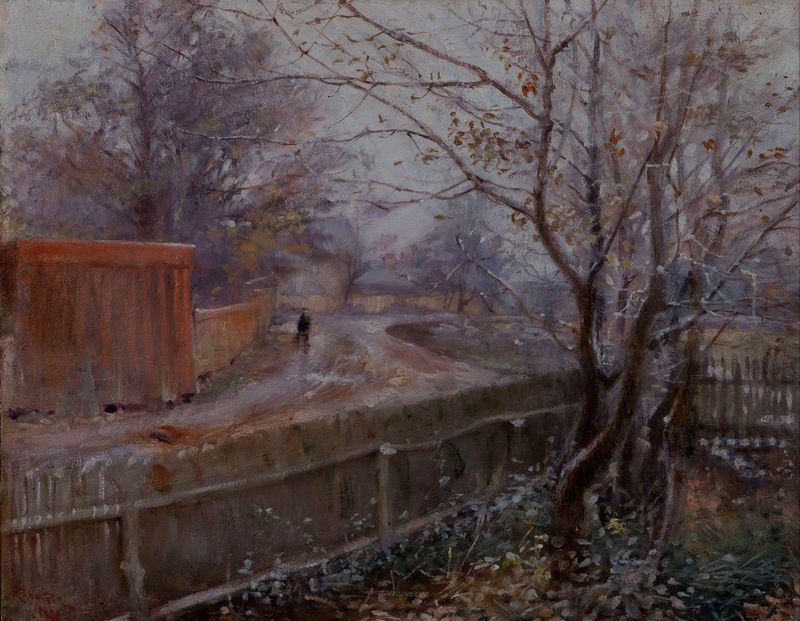
Did the painter know this moment would outlive them? In Stockholm Ström from Fjällgatan, innocence dances upon the shimmering surface of water, captured forever in a single brushstroke. Look to the left at the gentle curve of the fjord, where the cool blues blend into warm ochres, creating a serene meeting point of land and water. The composition draws your eye towards the horizon, where wisps of clouds mingle with the city skyline in the distance. Notice how the light falls upon the rooftops, each building bathed in a golden glow that suggests time fleeting yet momentarily suspended. Beneath this tranquil exterior, there exists a tension between the vibrancy of life and the stillness of the scene.
The delicate interplay of light and shadow evokes a nostalgic longing, while the vibrant colors hint at the warmth of human connection despite the physical separation of the viewer and the depicted landscape. Small details, such as the distant sailboat, represent a quiet journey—perhaps a metaphor for the passage of time and the innocence of exploration. In 1925, Nils Kreuger painted this piece while residing in Sweden, a time when the influence of Impressionism was still strong, shaping his artistic vision. The world was recovering from the aftermath of the First World War, and artistic expression was evolving, reflecting a search for beauty and solace amidst upheaval.
Kreuger’s work during this period captures not just the landscape, but the enduring essence of a moment that resonates with the innocence of life itself.