
Straat in Deventer — History & Facts
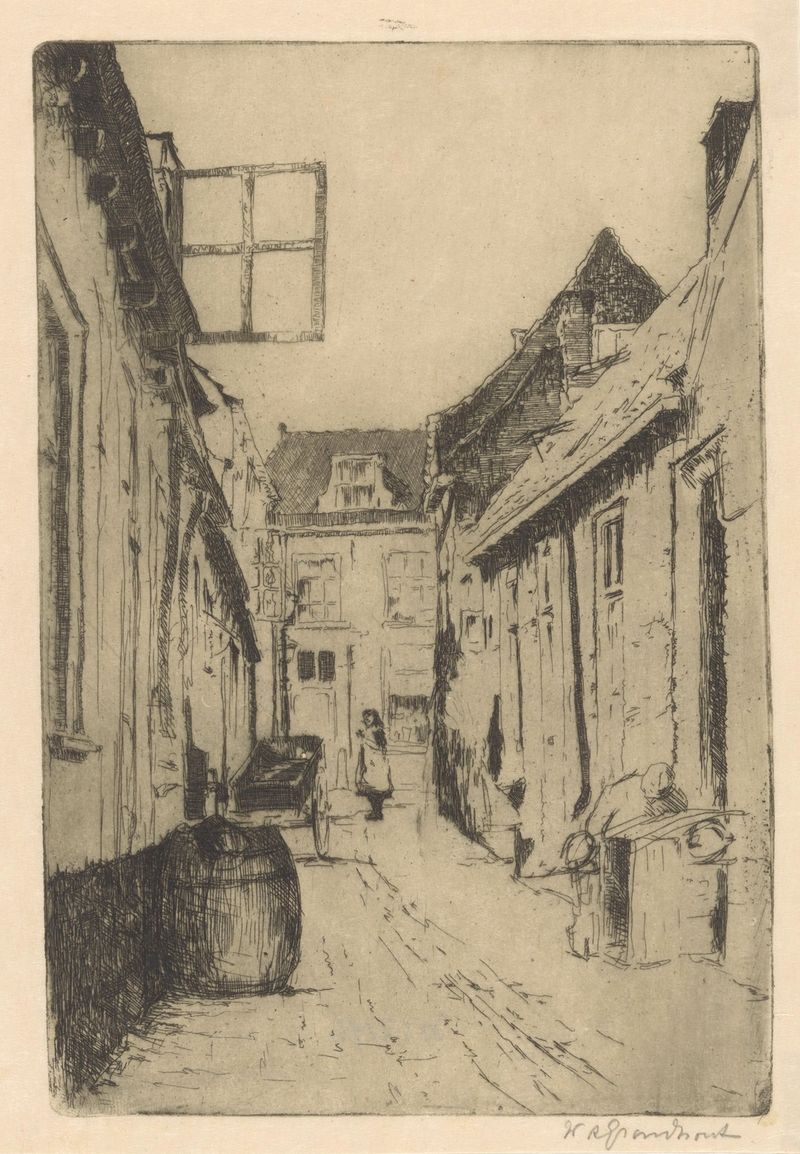
In its stillness, it reflects the silent void that fills our lives, inviting us to ponder what remains when the noise fades away. Look to the center of the composition where a narrow street unfurls, bordered by quaint buildings that suggest both history and anonymity. The muted palette of ochres and grays evokes a sense of timelessness, while the soft interplay of light and shadow cradles the cobblestones underfoot. As your gaze travels upward, notice the delicate details of the architecture; each window, each gabled roof seems to whisper stories from the past, yet they remain eerily empty, enhancing the feeling of solitude. The emotional tension in this piece is palpable, rooted in the contrasts between the vibrancy of urban life and the profound emptiness it can conceal.
The lack of figures adds layers of introspection, suggesting that the true essence of a place may lie in what is absent rather than present. Furthermore, the meticulous brushwork creates an almost tactile quality, allowing the viewer to feel the texture of the street while simultaneously confronting the void — a poignant reminder of what it means to exist within a bustling world yet experience profound isolation. In the late 1920s, when this piece was crafted, the artist found himself in an era marked by significant artistic evolution and societal transformation. Grondhout painted during a time when the Netherlands was embracing modernism, grappling with the aftermath of World War I.
His works, while anchored in realism, reflect an emerging sensitivity to the nuances of mood and atmosphere, a hallmark of his artistic journey as he navigated personal and collective uncertainties.
More Artworks by Willem Adrianus Grondhout
Browse all →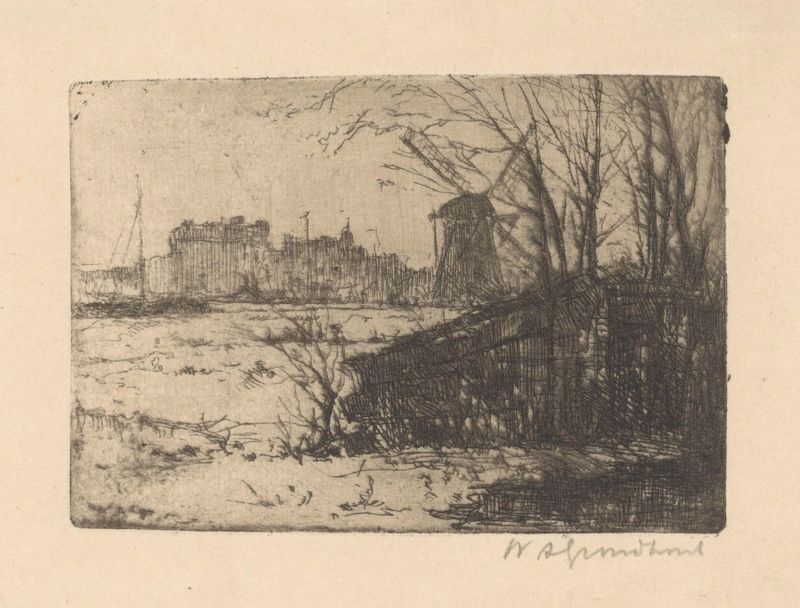
Landschap met molen in de Binckhorst in Den Haag
Willem Adrianus Grondhout
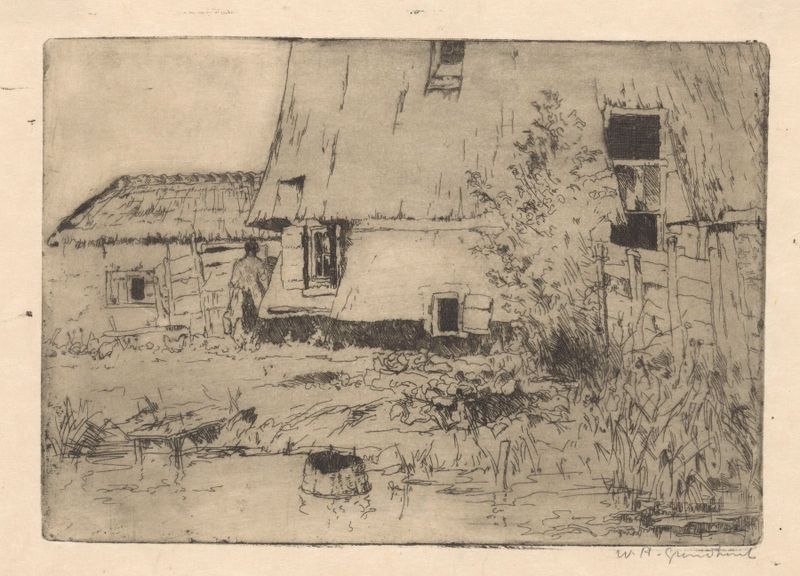
Voet van een molen in Voorburg
Willem Adrianus Grondhout
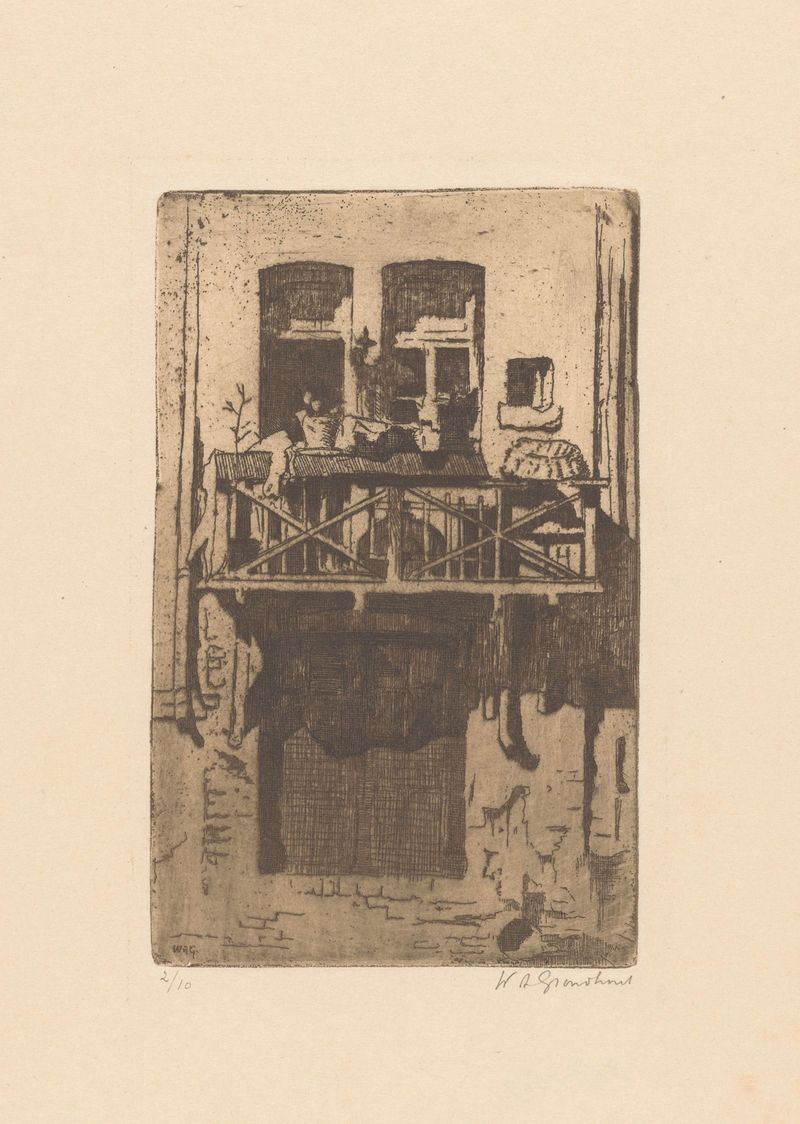
Balkon van een huis aan de Oudezijds Kolk in Amsterdam
Willem Adrianus Grondhout
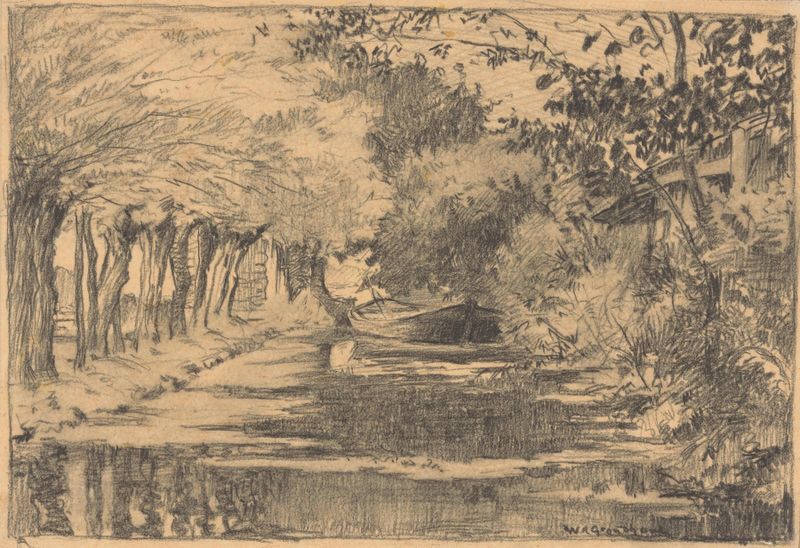
Broeksloot bij Voorburg
Willem Adrianus Grondhout
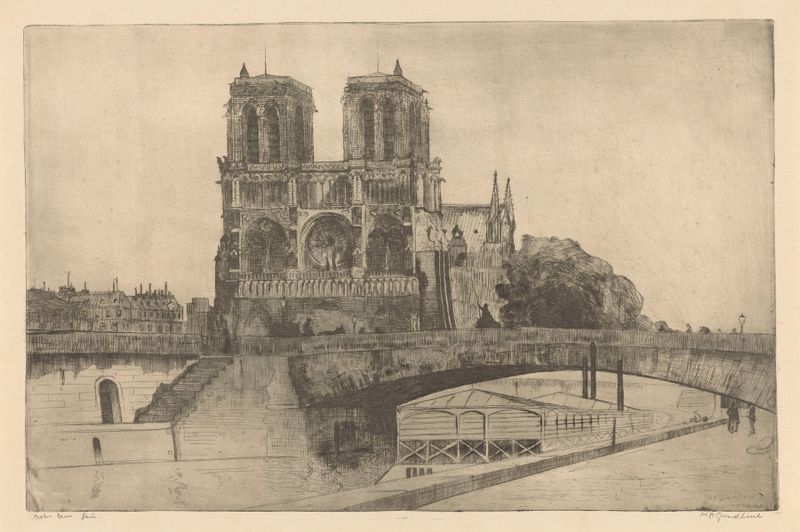
Notre-Dame, Paris
Willem Adrianus Grondhout
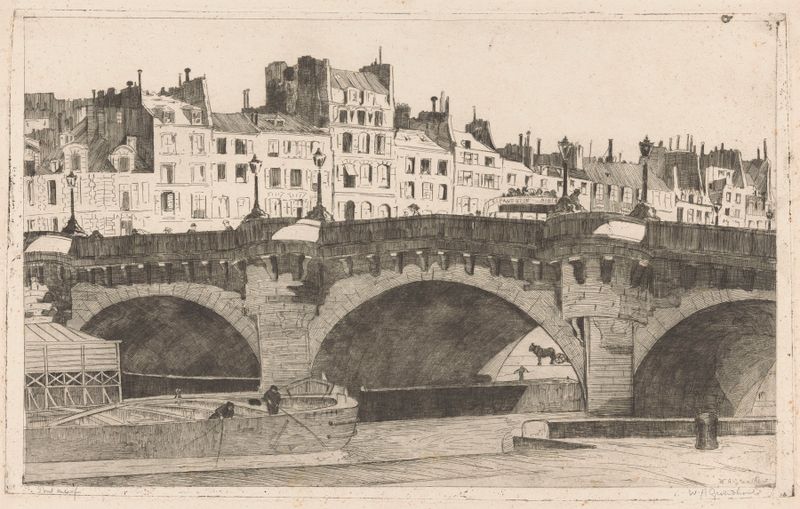
Pont Neuf
Willem Adrianus Grondhout
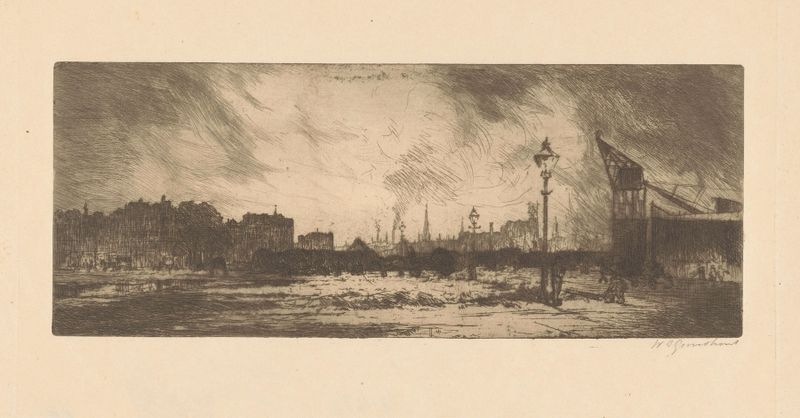
Havenkade met lantaarnpalen in Rotterdam
Willem Adrianus Grondhout
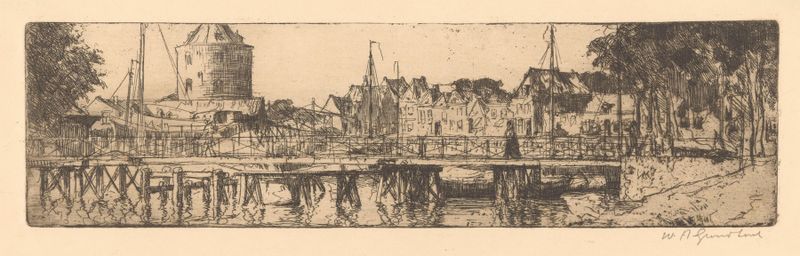
Enkhuizen
Willem Adrianus Grondhout
Straatje in Voorburg.
Willem Adrianus Grondhout
Delft
Willem Adrianus Grondhout





