Discover insights about this artwork
Strassenmädchen — History & Facts
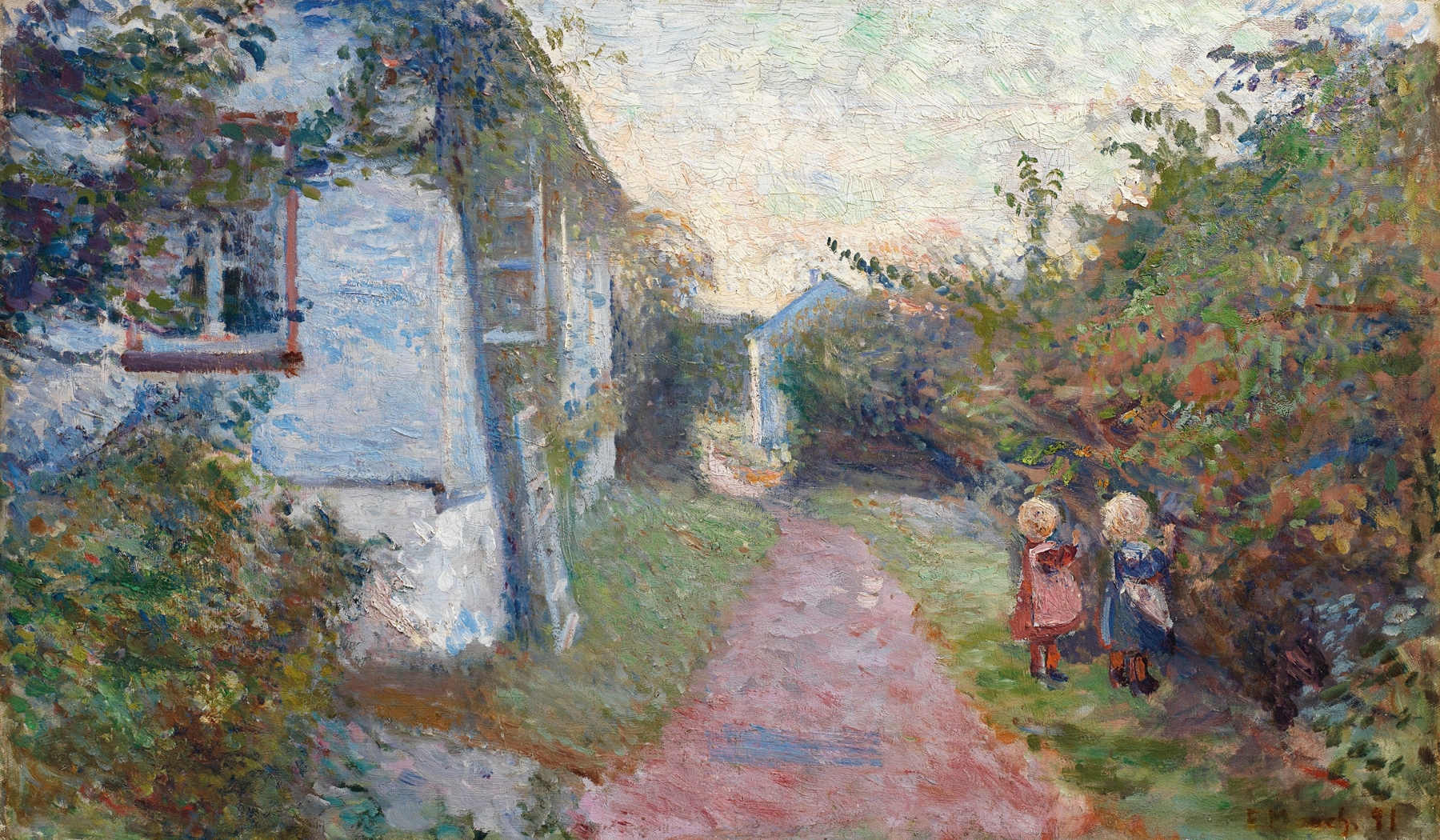
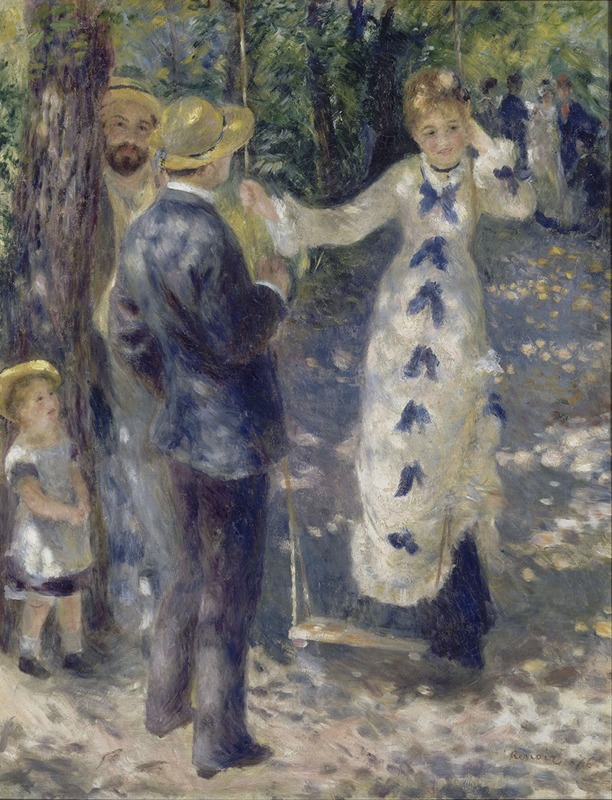
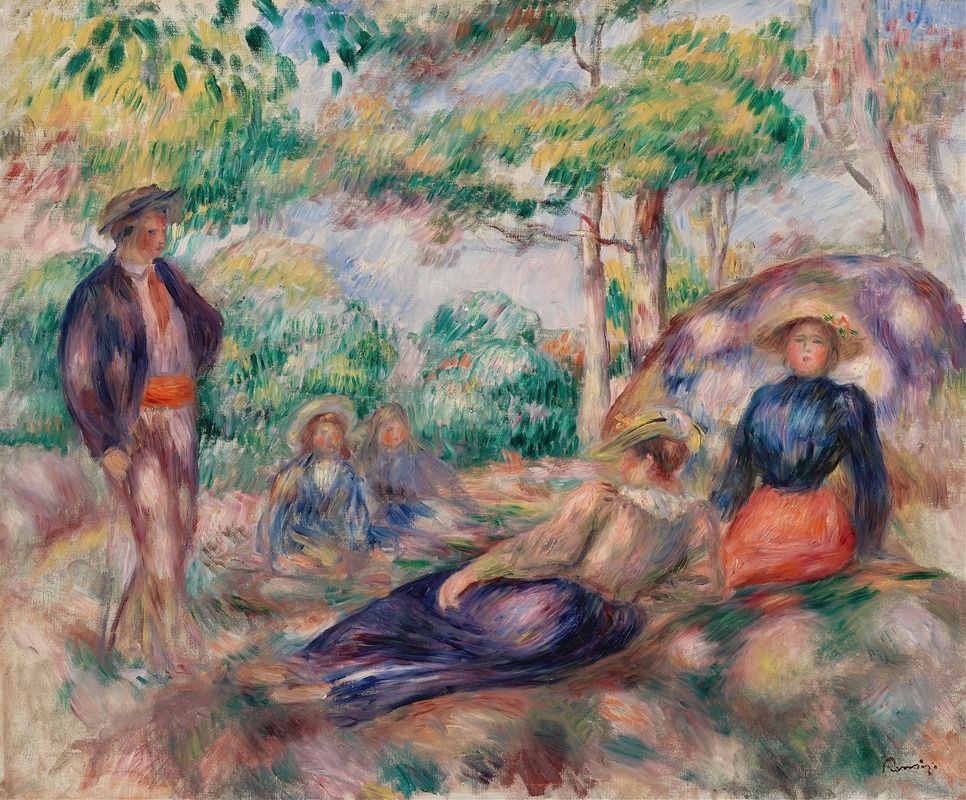
In Strassenmädchen, Edvard Munch presents a scene filled with muted colors and a sense of melancholy. The central figure, a young girl, stands on a bustling street, her expression reflecting a mix of innocence and weariness. Surrounding her are blurred figures, suggesting the hurried pace of urban life.
The background features buildings that loom over her, enhancing the feeling of isolation within the crowd. The painting is characterized by Munch's signature brushwork, which creates a dynamic interplay of light and shadow. The colors are predominantly dark, with hints of brighter tones that draw attention to the girl. This contrast emphasizes her vulnerability in a chaotic environment.
The use of oil on canvas allows for rich texture and depth, making the scene more immersive. Edvard Munch, known for his exploration of psychological themes, often depicted the struggles of modern life. Strassenmädchen reflects his interest in the intersection of innocence and experience. Interestingly, this work is part of a series where Munch focused on urban subjects, showcasing the complexities of city life.
It serves as a poignant commentary on the challenges faced by individuals in a rapidly changing world.