
Street in Villeneuve — History & Facts
Can beauty exist without sorrow? In Street in Villeneuve, Hermann Lismann invites us to ponder this question, capturing a moment that straddles the line between tranquility and melancholy. Look to the left, where sun-dappled cobblestones wind through a quaint village, leading our gaze toward a luminous church steeple that reaches for the sky. Notice the delicate interplay of light and shadow as it dances on the surface of the buildings, creating a warm yet fleeting atmosphere. The soft palette of ochres and blues evokes a sense of nostalgia, while the precise brushwork speaks to Lismann's meticulous attention to detail, urging the viewer to linger on each element of the scene. Yet, within this picturesque setting lies a deeper emotional tension.
The solitary figure walking along the street hints at isolation, as if the beauty surrounding them serves as a backdrop to a hidden sorrow. The absence of bustling crowds and the stillness of the scene amplify this contrast, suggesting that transcendence often comes intertwined with a sense of longing. The rich textures of the buildings and the quiet alleyways encourage reflection on what is left unsaid in this seemingly idyllic environment. Created in 1911, Lismann painted Street in Villeneuve during a time marked by significant artistic shifts and explorations.
Living in the vibrant atmosphere of early 20th-century Europe, he was influenced by the emerging modernist movements while also remaining connected to traditional techniques. This work reflects the artist’s personal journey, as well as the collective search for meaning amidst a rapidly changing world.
More Artworks by Hermann Lismann
Browse all →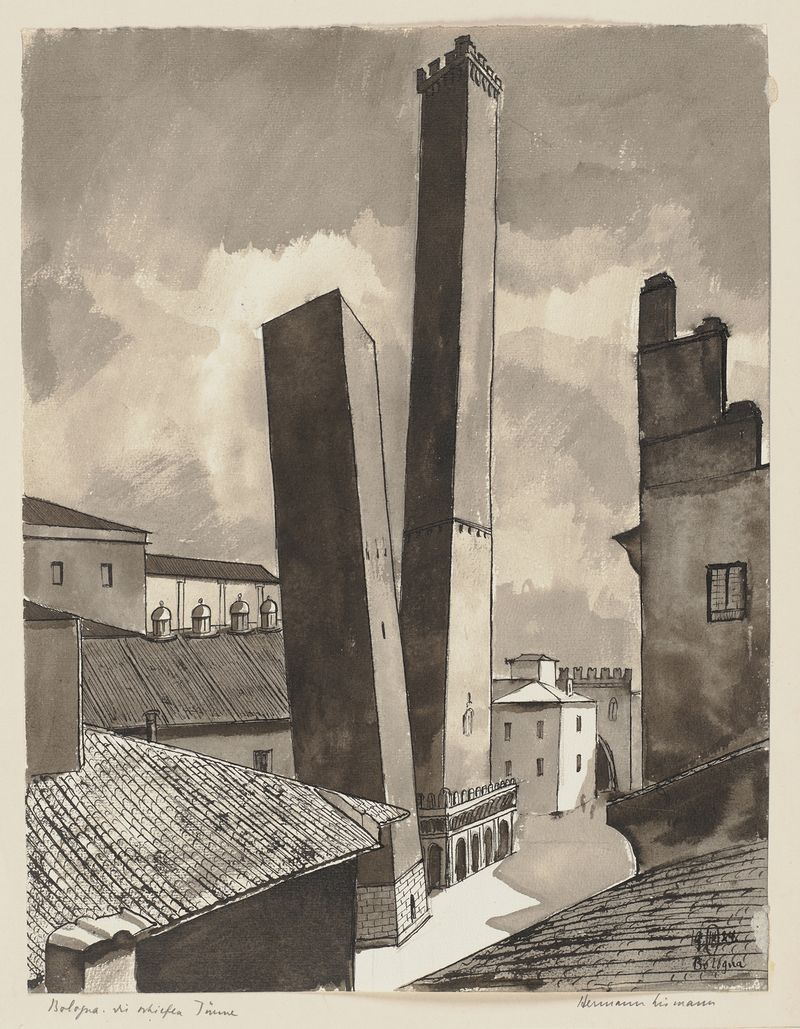
Die beiden Türme Garisenda und Asinelli in Bologna
Hermann Lismann
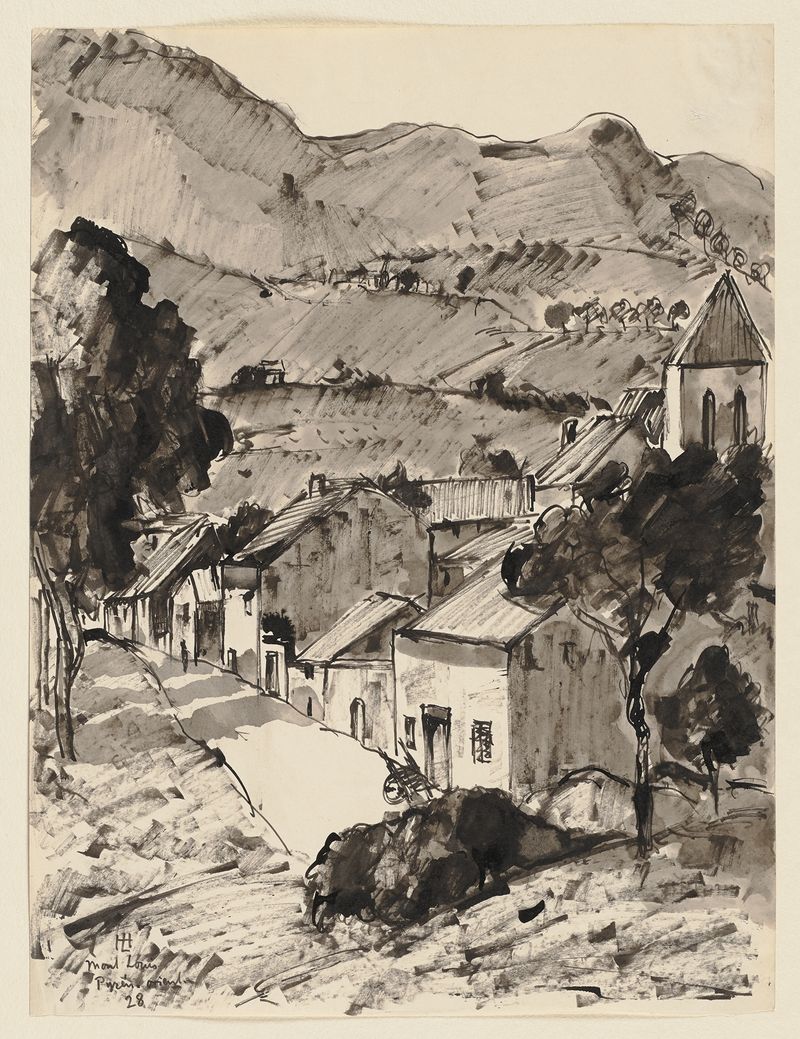
Mont-Louis
Hermann Lismann
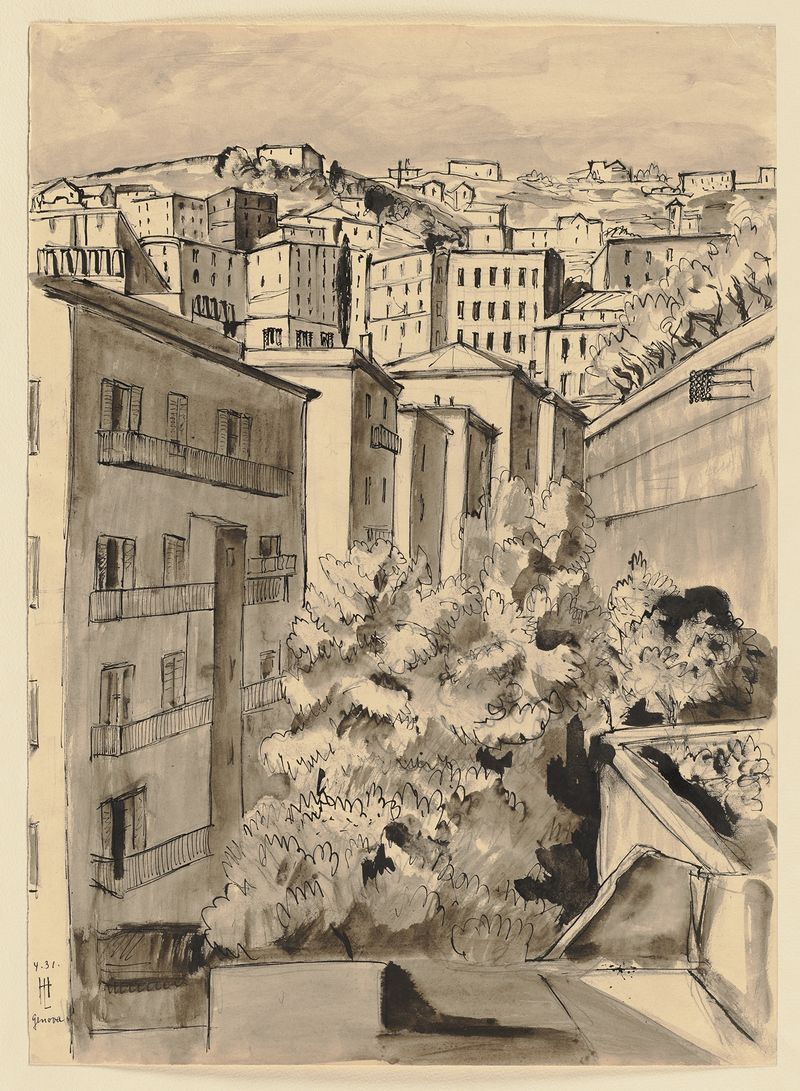
View of Genoa
Hermann Lismann
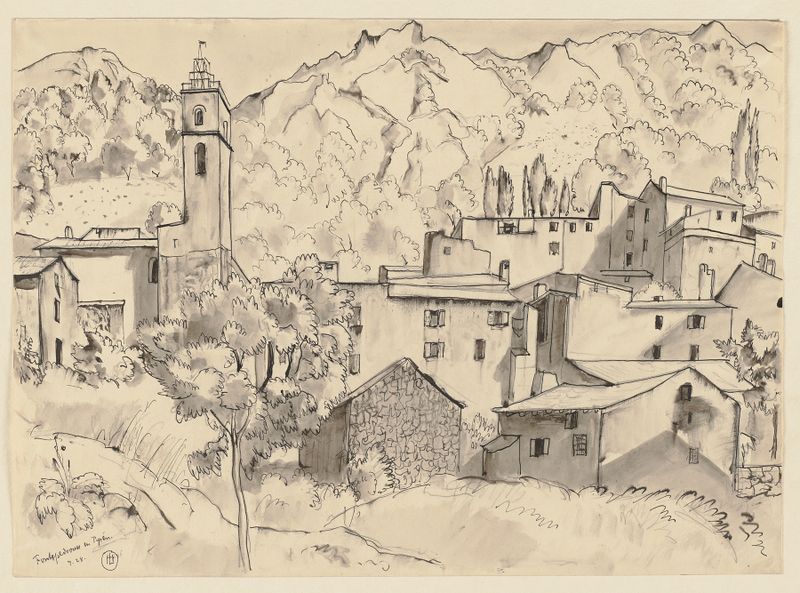
Fontpédrouse en Pyrénées
Hermann Lismann
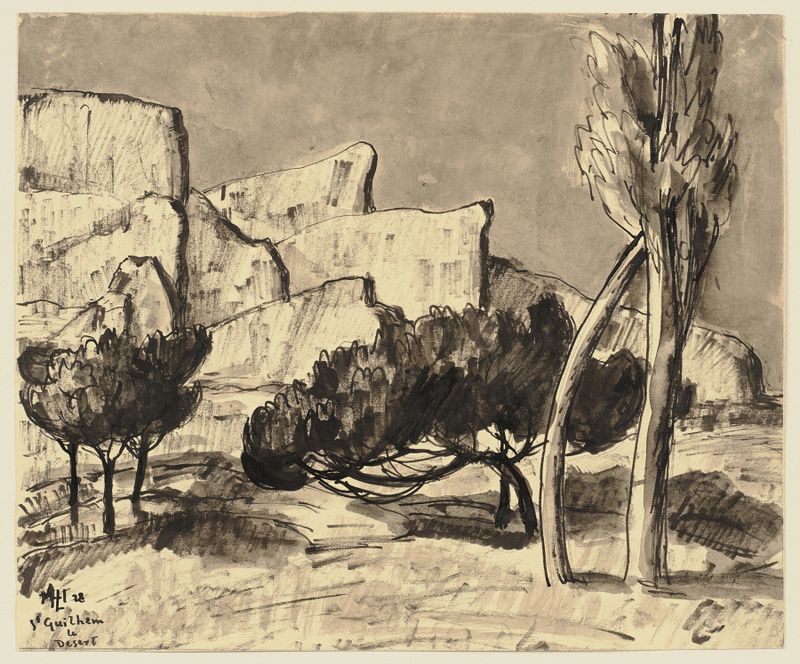
Saint-Guilhem-le-Désert
Hermann Lismann
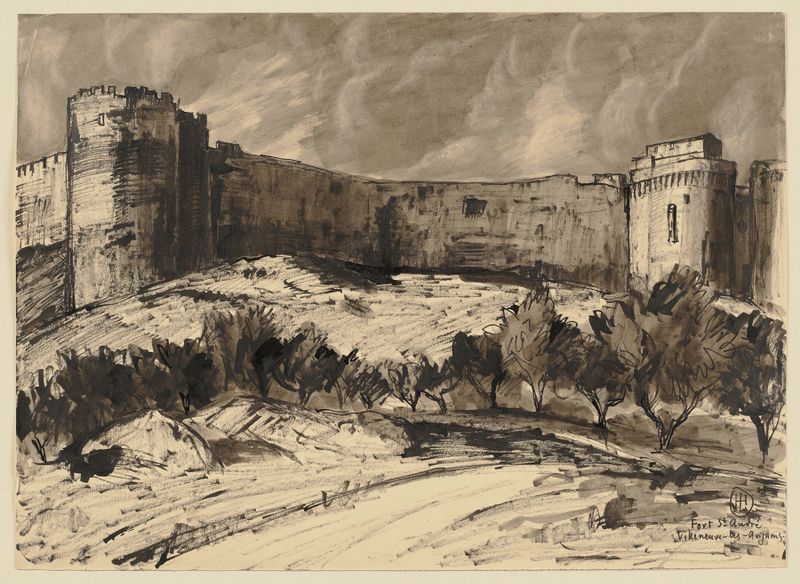
Fort Saint-André in Villeneuve-les-Avignon
Hermann Lismann
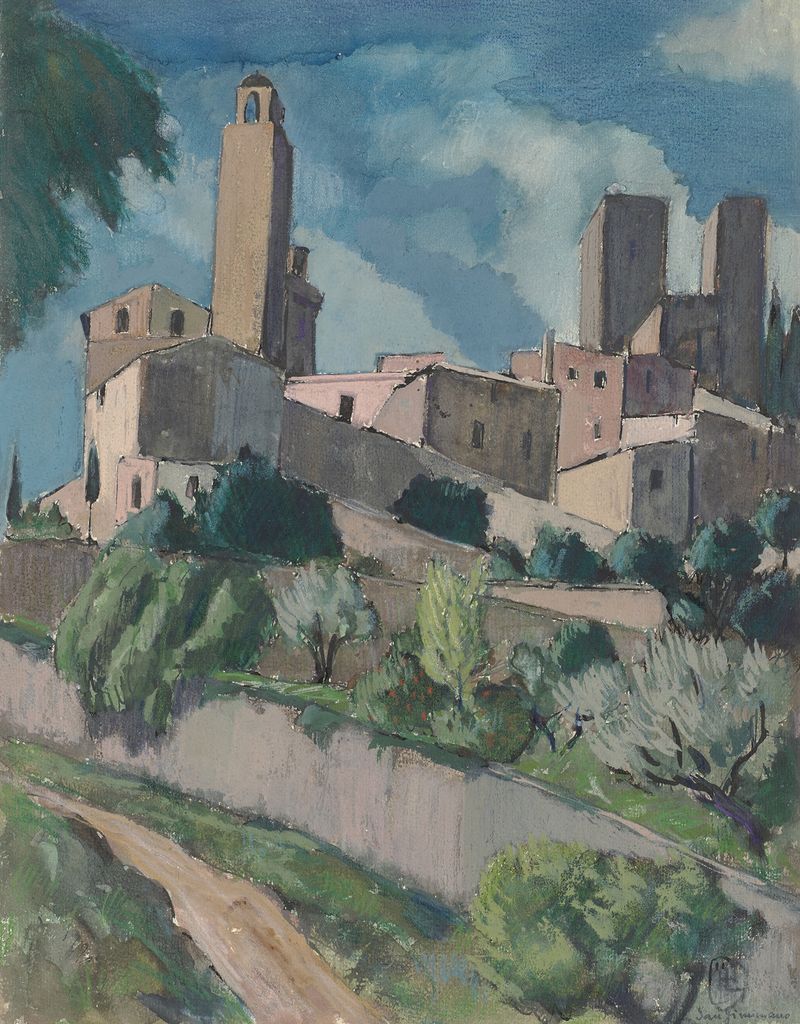
San Gimignano
Hermann Lismann
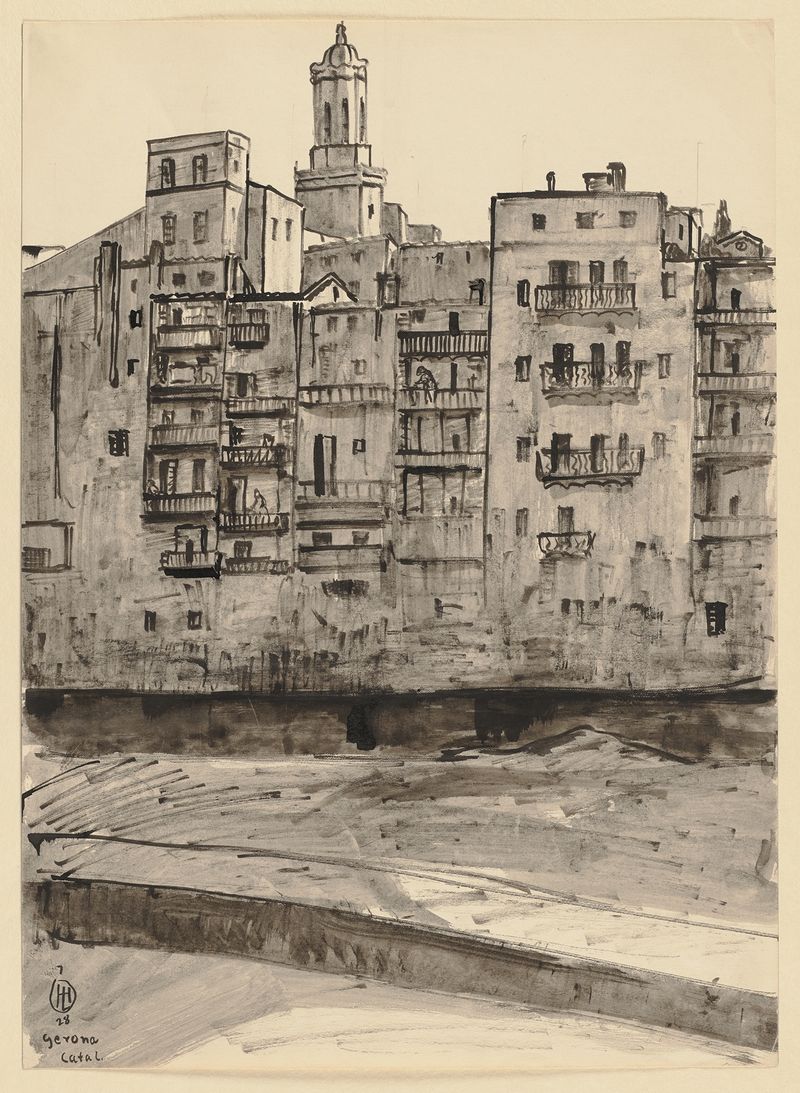
Girona vom Fluss aus gesehen, im Hintergrund der Turm der Kathedrale
Hermann Lismann
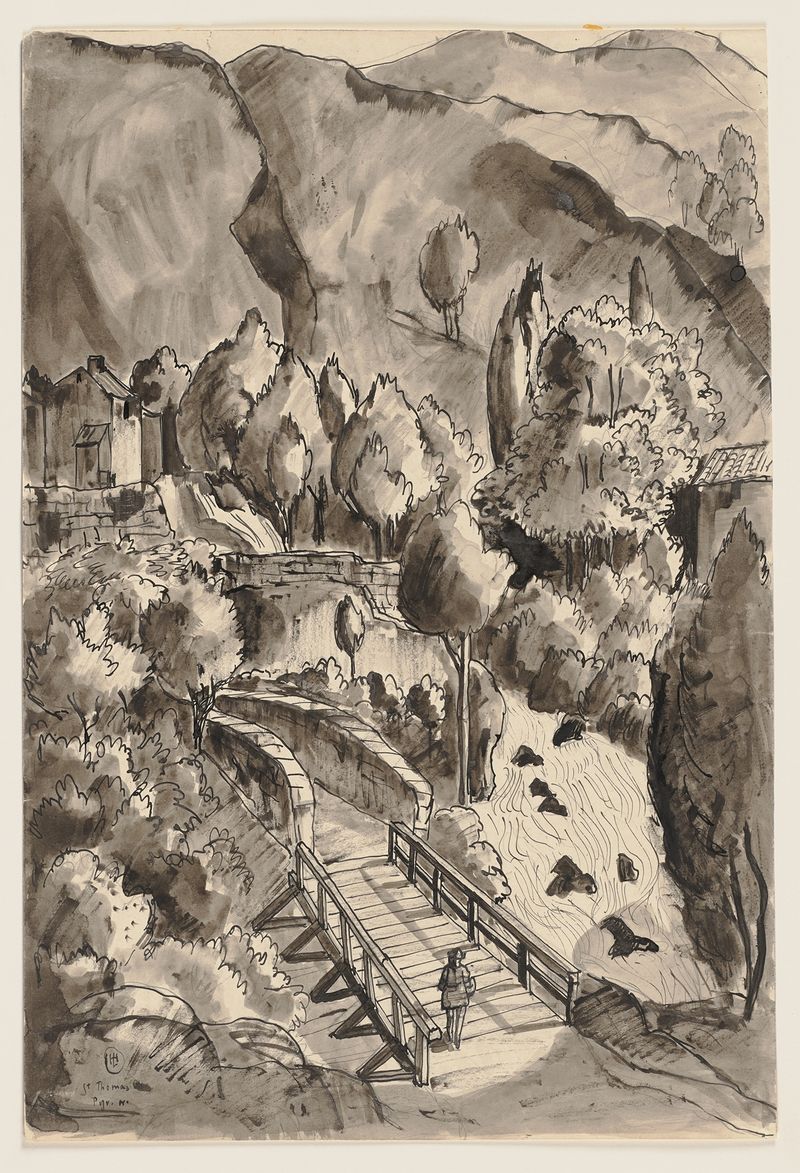
Saint Thomas, Pyrénées
Hermann Lismann
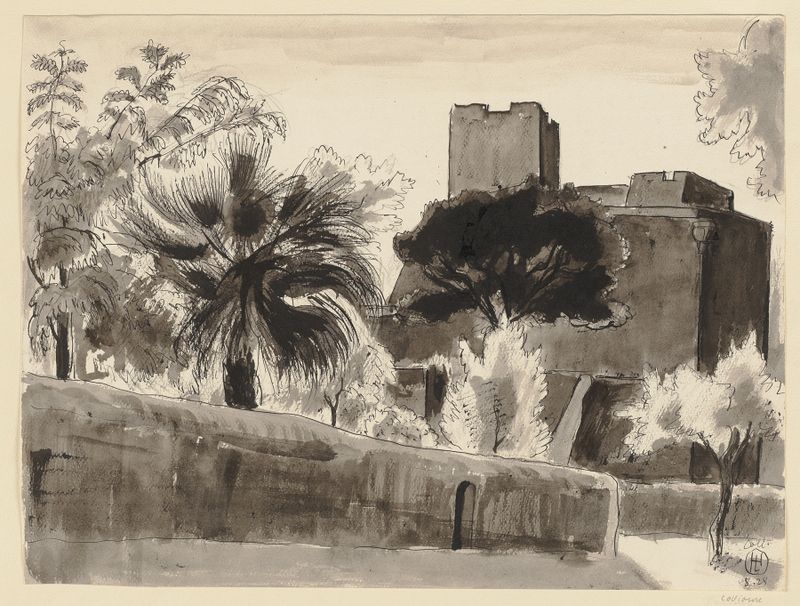
Collioure
Hermann Lismann





