
Strook zwarte kant, aan beide zijden geschulpt met bloemmotief, op karton — History & Facts
Did the painter know this moment would outlive them? Within the delicate interplay of form and shadow, a haunting beauty emerges, whispering secrets of decay yet to be fully revealed. Look closely at the central motif, where intricate floral patterns dance across the surface. Notice how the light catches the edges of the blackened contours, accentuating their graceful curves and inviting an exploration of the depths within the darkness. The texture of the cardboard adds a raw, organic quality, grounding the artwork while simultaneously elevating its ethereal nature.
Each side, sculpted with tender precision, suggests a duality—an invitation to examine the interplay between life and the inevitable decline that follows. As you delve deeper, consider the tension between its ornamental beauty and the suggestion of decay inherent in the material. The striking contrast of the ornate designs against the stark background speaks to the fragility of existence, while the shadows evoke a sense of eerie stillness. This piece hints at the cycle of nature, where beauty is intertwined with deterioration, urging viewers to confront their own transience. Created around 1925, this artwork emerged during a period marked by post-World War I disillusionment and a shift towards modernist exploration.
Schnitzler was navigating the complexities of his artistic identity amid a rapidly changing world. As avant-garde movements flourished, he infused his work with themes of beauty, decay, and the profound emotional resonance of transformation, leaving a lasting impact on the art scene of his time.
More Artworks by Gustav Schnitzler
Browse all →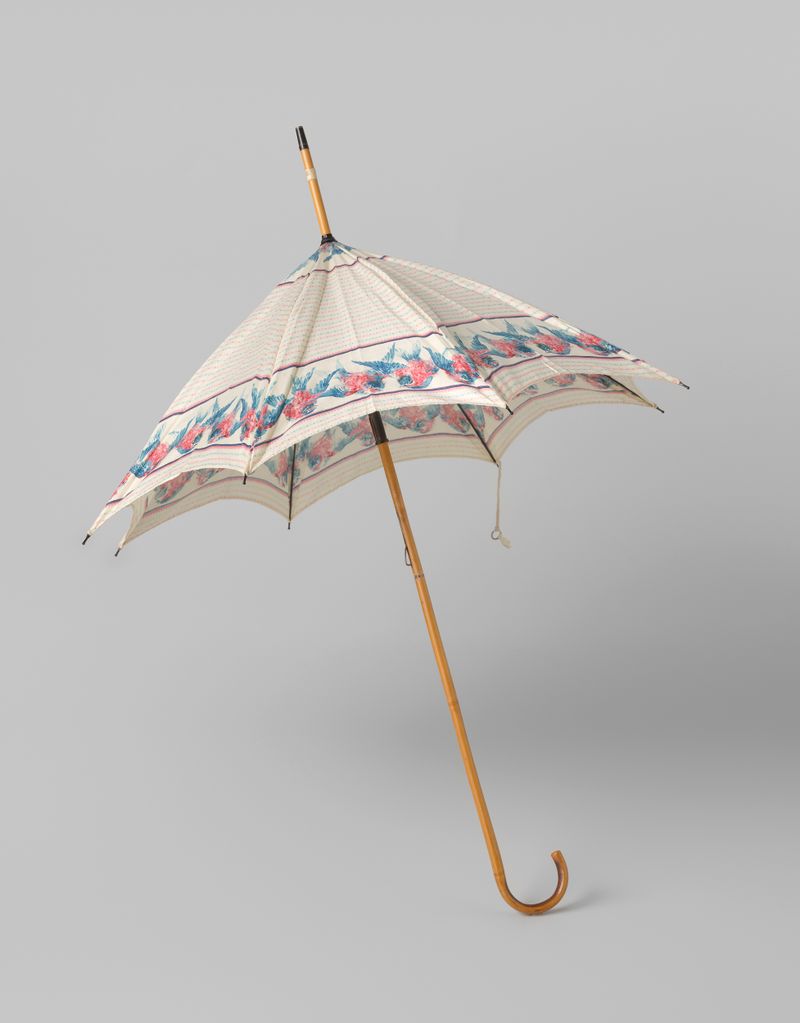
Parasol met dek witte katoen bedrukt met roze en blauwe vogeltjes, op een bamboe stok met gebogen handvat
Gustav Schnitzler
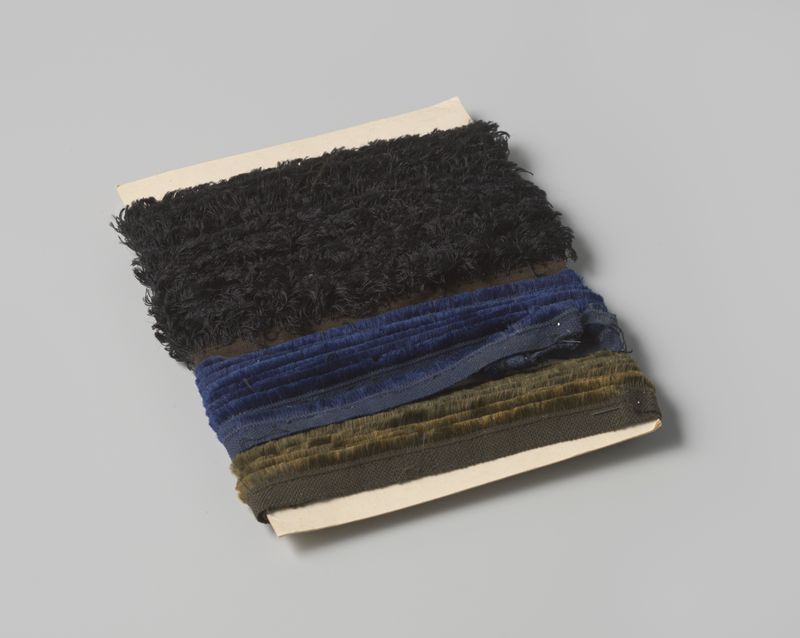
Strook zwarte franje aan bezemband, op karton
Gustav Schnitzler
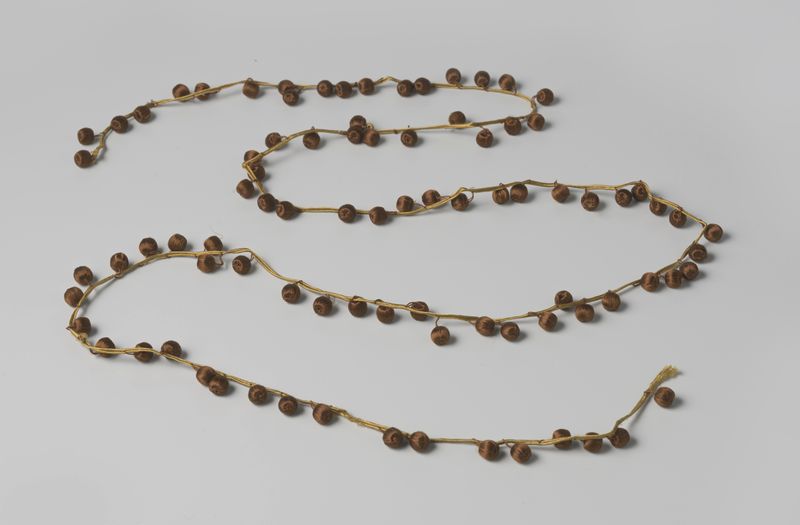
Galon, goudkleurig, waaraan pompons van bruin (zijde)draad hangen
Gustav Schnitzler
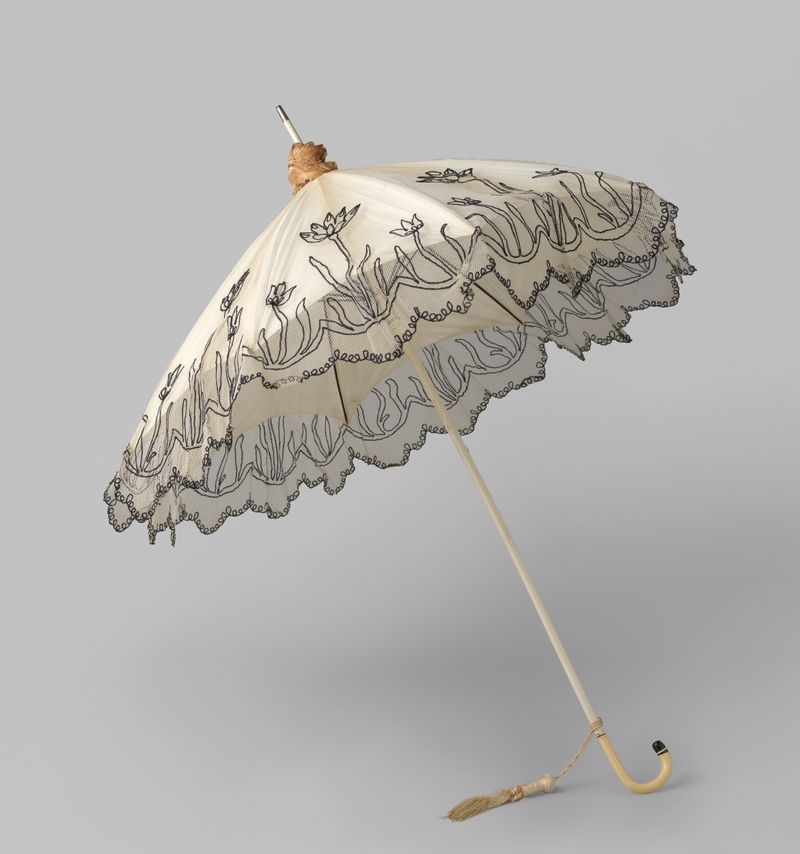
Parasol met dek van witte tule waarop zwart borduurwerk van telkens drie bloemen, op een witgeverfde houten stok, waaraan een gebogen ivoorkleurig handvat
Gustav Schnitzler

Parasol met dek van witte katoen, waartussen een strook van witte kant, op een lichte, houten stok met een ronde haak
Gustav Schnitzler

Strook franje, getand, wit en écru, gewikkeld rond een met gouden randen afgezet plankje
Gustav Schnitzler
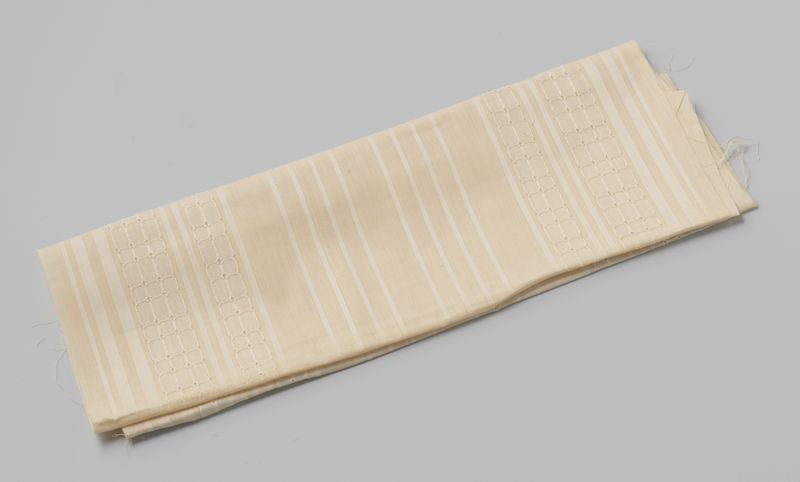
Coupon wit parasolkatoen met beige strepen aan weerszijden
Gustav Schnitzler
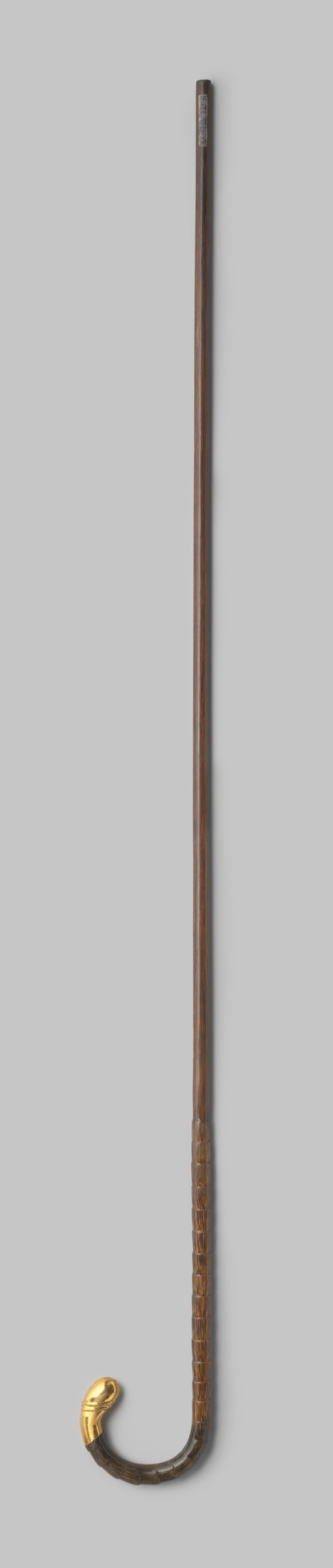
Onderstok van een parapluie of parasol van kokospalm met ronde haak en goudkleurig (verguld?) metalen uiteinde
Gustav Schnitzler

Parasol met dek van effen witte katoen met een smal meerkleurig draad langs de rand geregen, op lichte houten stok, met gebogen, ivoorkleurig handvat
Gustav Schnitzler
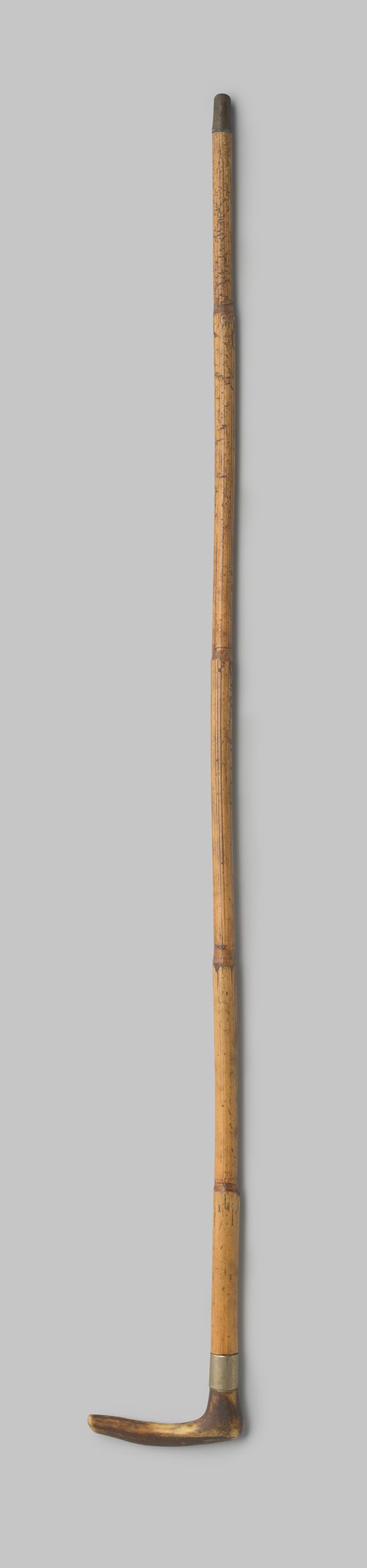
Onderstok van parasol of parapluie van bamboe met rechte haak van hertshoorn, met ring en punt van koper
Gustav Schnitzler





