Strook zwarte machinale tule met schulpen aan één zijde en een ondulerend motief van bloemen en voluten — History & Facts
Within the folds of delicate fabric lies a tapestry of innocence, whispering untold stories and unguarded truths. The layers of intricate patterns evoke a sense of purity, drawing the viewer into a contemplative space where beauty meets vulnerability. Look closely at the lower left corner, where the gentle undulation of the fabric creates soft shadows that dance across the surface. The interplay of light and dark reveals the rich texture of the tule, pulling your gaze toward the meticulously crafted floral motifs that seem to breathe with life.
The colors, subtle yet evocative, weave a narrative of elegance and fragility, offering a serene yet complex visual experience. Upon examination, the contrast between the rigid structure of the fabric and the fluidity of the floral design speaks to a duality of strength and delicacy. Each flower appears both vibrant and ephemeral, suggesting a fleeting moment of beauty that carries the weight of innocence. The scalloped edge invites introspection, hinting at the boundaries between the known and the unknown, between safety and exposure. Gustav Schnitzler created this piece around 1925, during a period of dynamic change in both his personal life and the broader art world.
Living in a time marked by the rise of Dadaism and the exploration of abstraction, Schnitzler sought to blend traditional craftsmanship with modern aesthetics, experimenting with textiles as a medium of expression. This work reflects not just his artistic evolution but also the era's tension between the past and future.
More Artworks by Gustav Schnitzler
Browse all →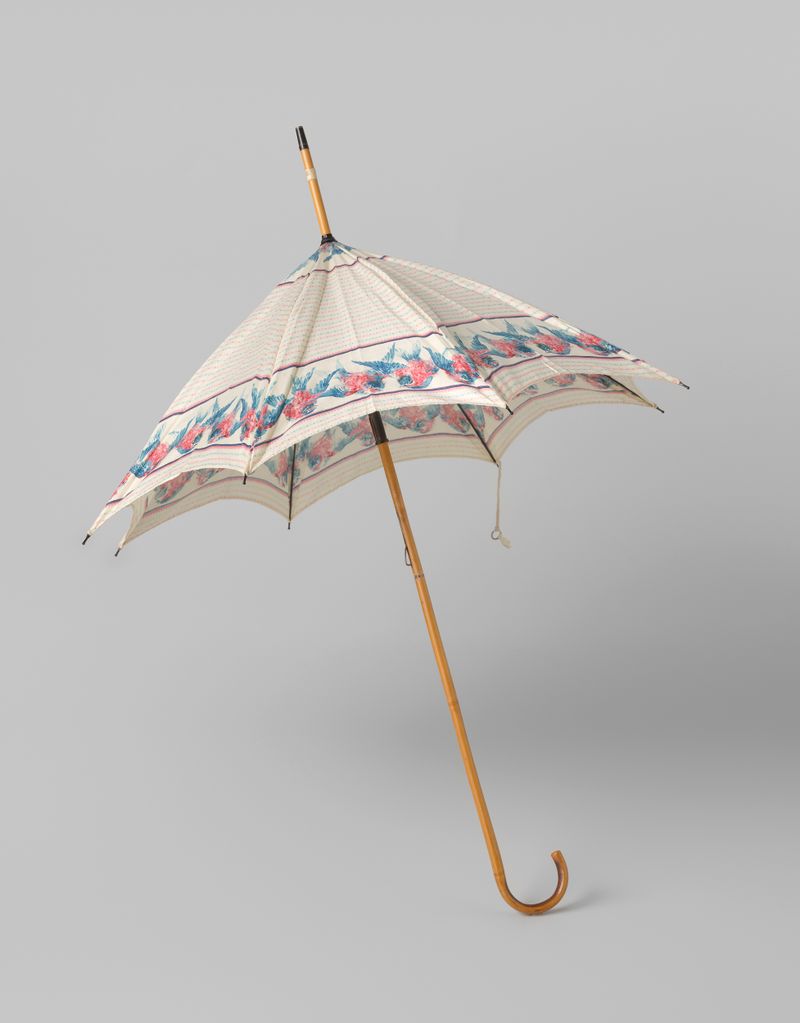
Parasol met dek witte katoen bedrukt met roze en blauwe vogeltjes, op een bamboe stok met gebogen handvat
Gustav Schnitzler
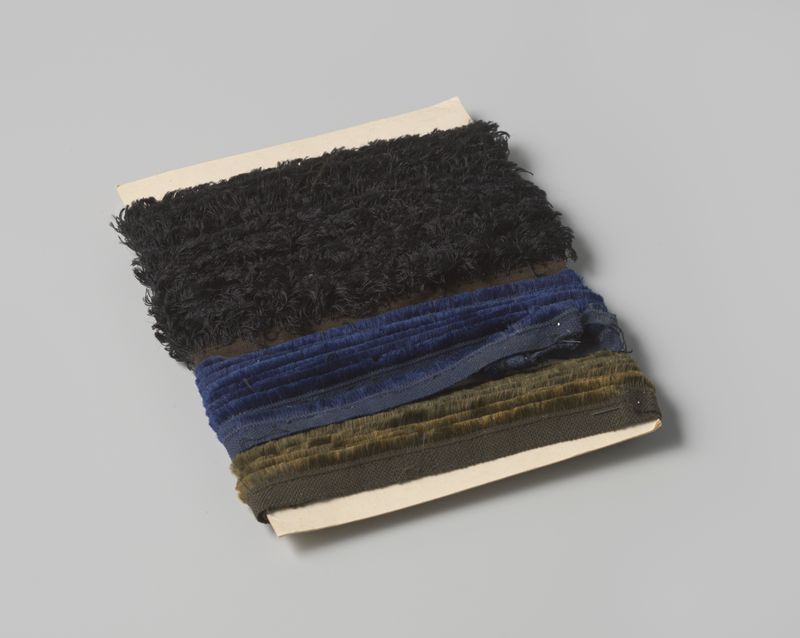
Strook zwarte franje aan bezemband, op karton
Gustav Schnitzler
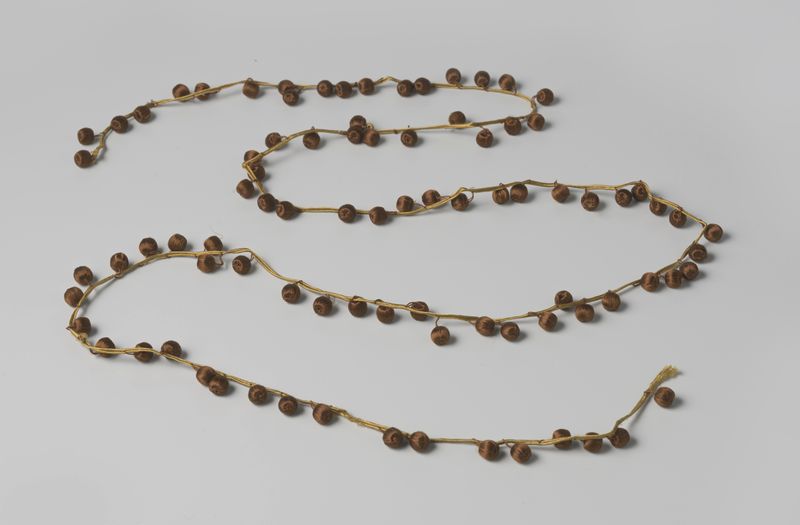
Galon, goudkleurig, waaraan pompons van bruin (zijde)draad hangen
Gustav Schnitzler
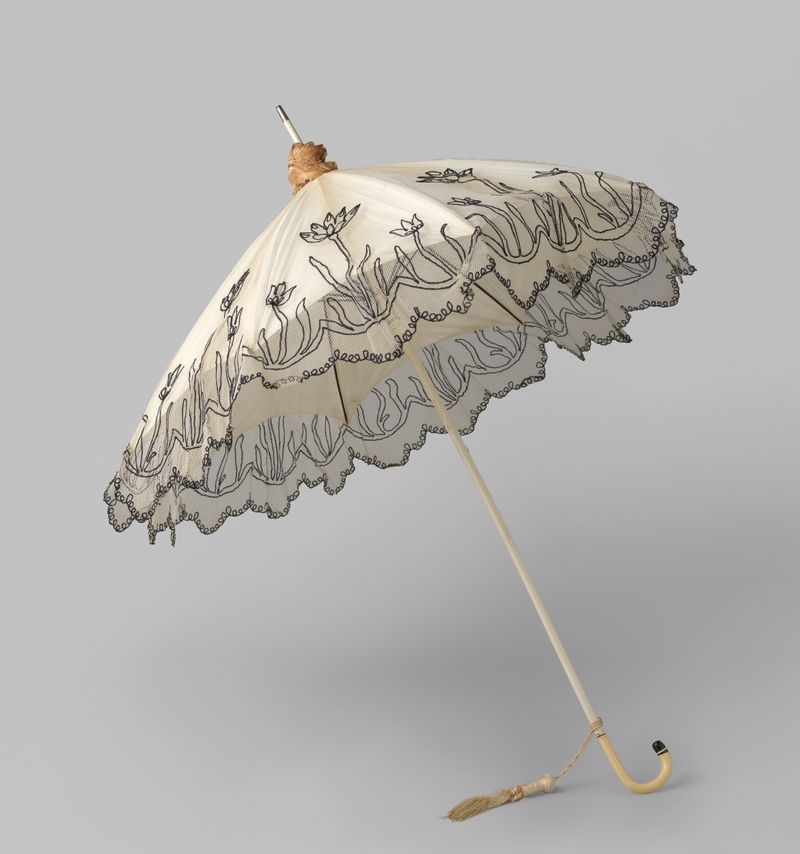
Parasol met dek van witte tule waarop zwart borduurwerk van telkens drie bloemen, op een witgeverfde houten stok, waaraan een gebogen ivoorkleurig handvat
Gustav Schnitzler

Parasol met dek van witte katoen, waartussen een strook van witte kant, op een lichte, houten stok met een ronde haak
Gustav Schnitzler

Strook franje, getand, wit en écru, gewikkeld rond een met gouden randen afgezet plankje
Gustav Schnitzler
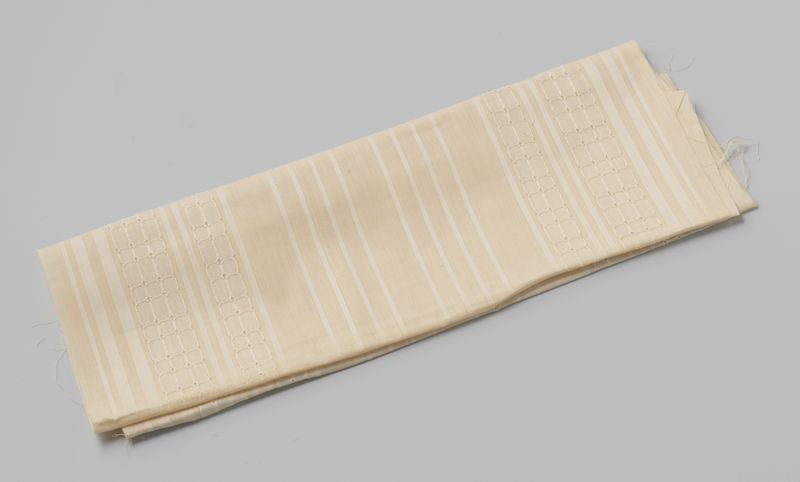
Coupon wit parasolkatoen met beige strepen aan weerszijden
Gustav Schnitzler
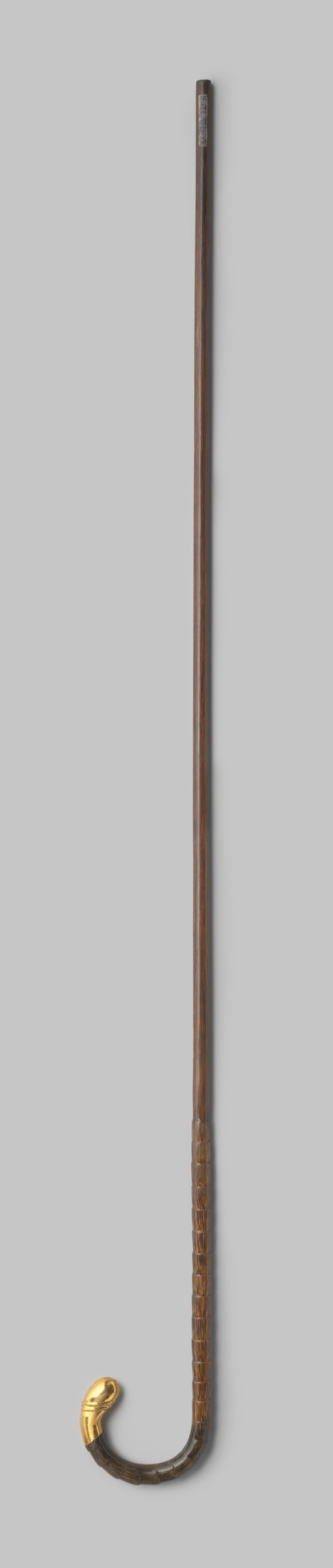
Onderstok van een parapluie of parasol van kokospalm met ronde haak en goudkleurig (verguld?) metalen uiteinde
Gustav Schnitzler
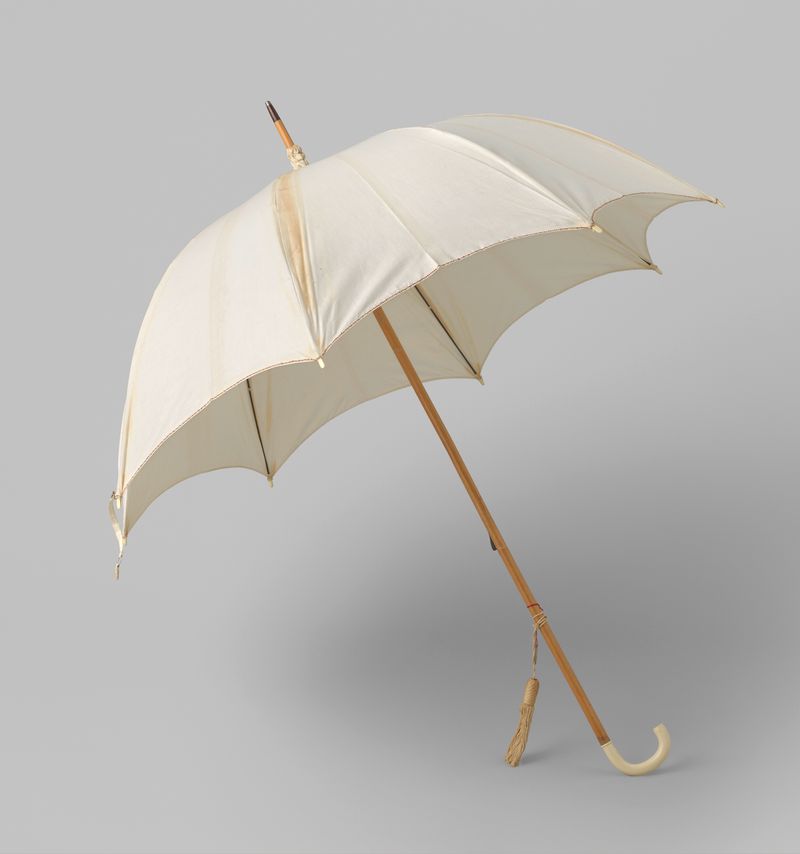
Parasol met dek van effen witte katoen met een smal meerkleurig draad langs de rand geregen, op lichte houten stok, met gebogen, ivoorkleurig handvat
Gustav Schnitzler
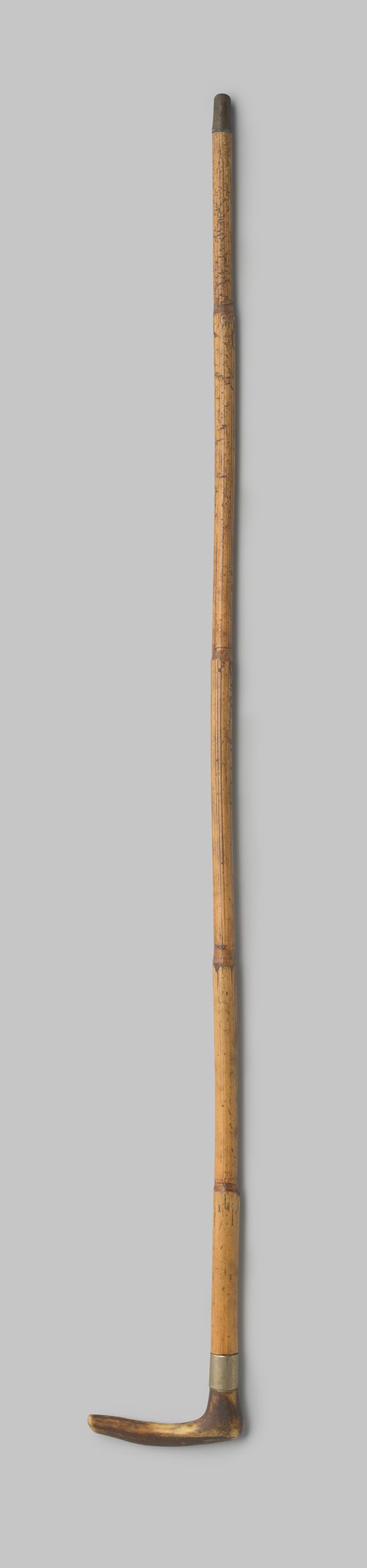
Onderstok van parasol of parapluie van bamboe met rechte haak van hertshoorn, met ring en punt van koper
Gustav Schnitzler