Structural I — History & Facts
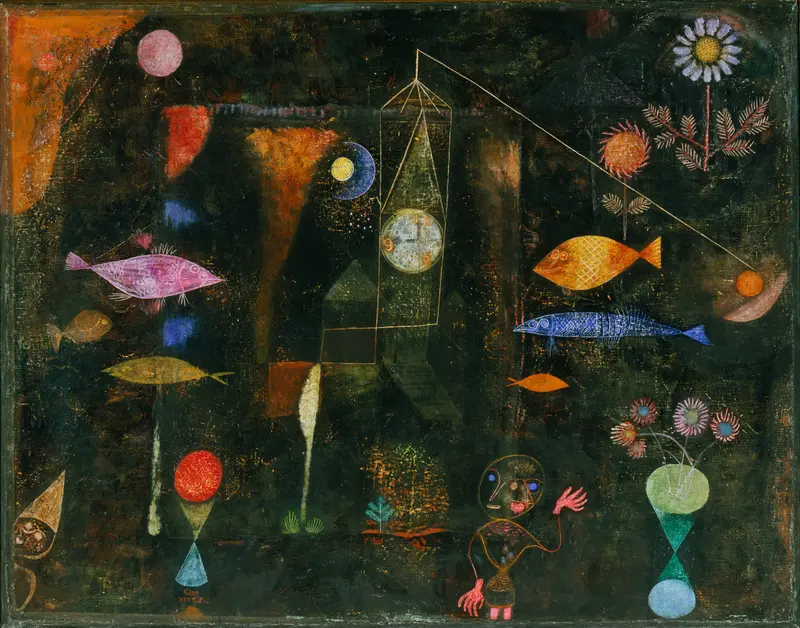
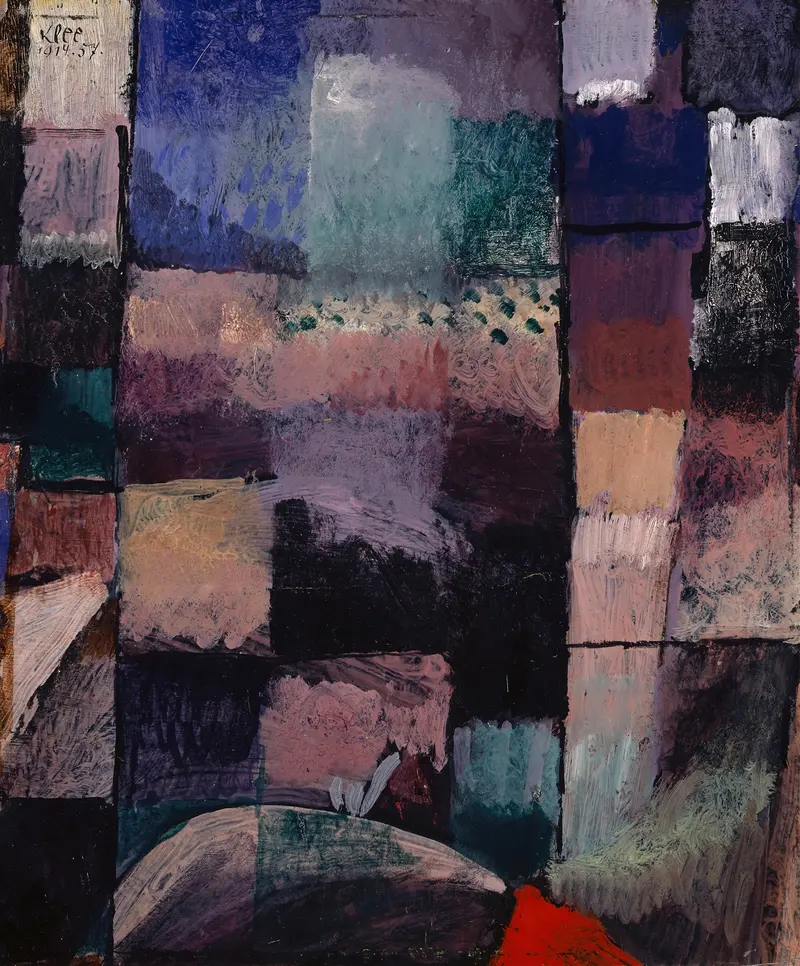
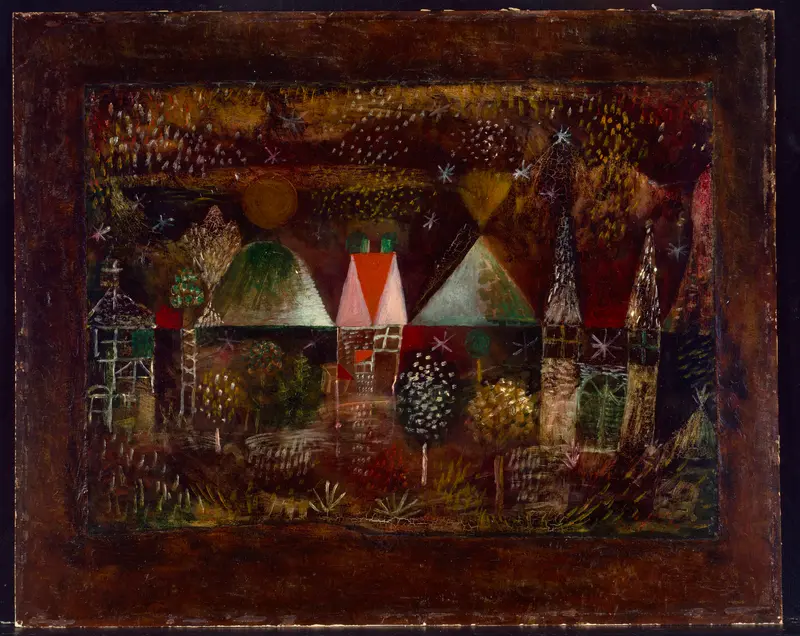
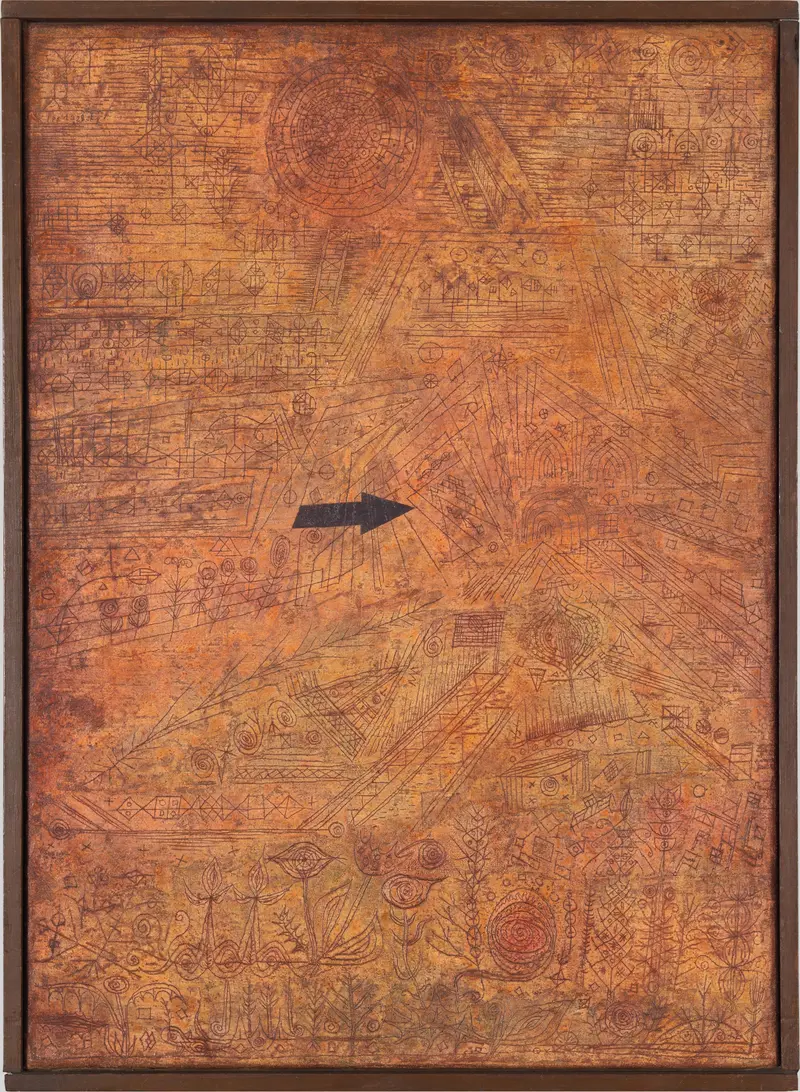
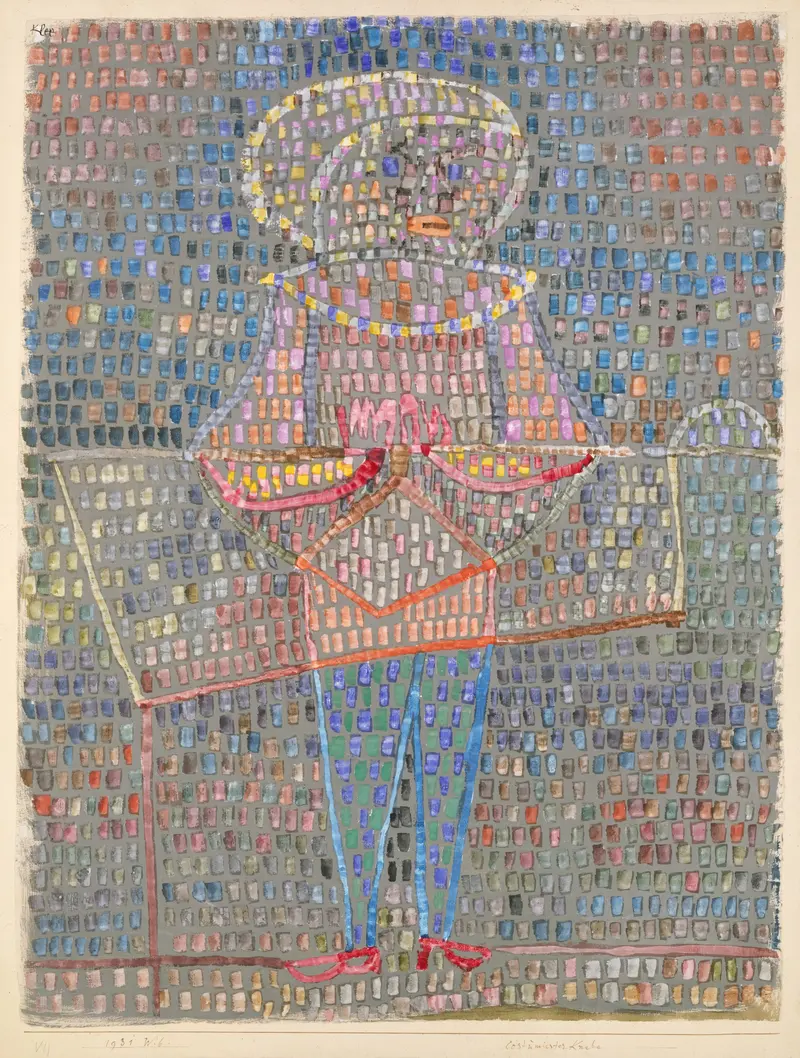
In Structural I, Paul Klee uses vibrant colors and geometric shapes to create a dynamic composition. The painting features a variety of forms, including squares, triangles, and circles, arranged in a seemingly chaotic yet harmonious manner. The colors range from deep blues and reds to bright yellows and greens, creating a lively visual experience.
This interplay of shapes and colors invites the viewer to explore the relationships between them. The painting is characterized by its use of oil on canvas, a medium that allows for rich color application and texture. Klee's technique involves layering colors and shapes, creating depth and complexity within the composition. The precise lines and forms suggest a structured approach, typical of Klee's abstract style.
Viewers can appreciate the meticulous craftsmanship that goes into each element of the painting. Structural I is a notable example of Paul Klee's exploration of abstraction, created during the early 20th century. Klee was influenced by various artistic movements, including Expressionism and Cubism, which is evident in this work. An interesting fact about this painting is that it reflects Klee's fascination with the relationship between structure and color, a theme he often revisited throughout his career.
This piece is part of the collection at Kunsthaus Zürich, highlighting Klee's significance in Swiss art history.