
Studie ‘Cigana’ gesattelt vor einem Haus — History & Facts
In Studie ‘Cigana’ gesattelt vor einem Haus, we see a Gypsy woman standing confidently in front of a modest house. The colors are warm, with earthy tones dominating the scene, creating a sense of intimacy. The figure of the woman is central, dressed in traditional attire that reflects her cultural background.
The setting suggests a rural environment, enhancing the narrative of her life and culture. The painting is executed in oil on canvas, a common medium for the time, allowing for rich textures and depth. The brushwork is detailed, particularly in the depiction of the woman's clothing and facial features. The composition is balanced, with the house providing a stable backdrop to the figure.
Light plays a significant role, highlighting the contours of the woman's face and the folds of her garments. Ferdinand Keller was a German painter known for his realistic portrayals of everyday life. This work, created in the 1870s, reflects his interest in capturing the essence of various cultures. An interesting fact about this painting is that it represents not just a figure, but a glimpse into the life of the Romani people during that era.
Keller's attention to detail and cultural representation makes this piece significant in understanding 19th-century European art.
More Artworks by Ferdinand Keller

Türkenlouis
Ferdinand Keller
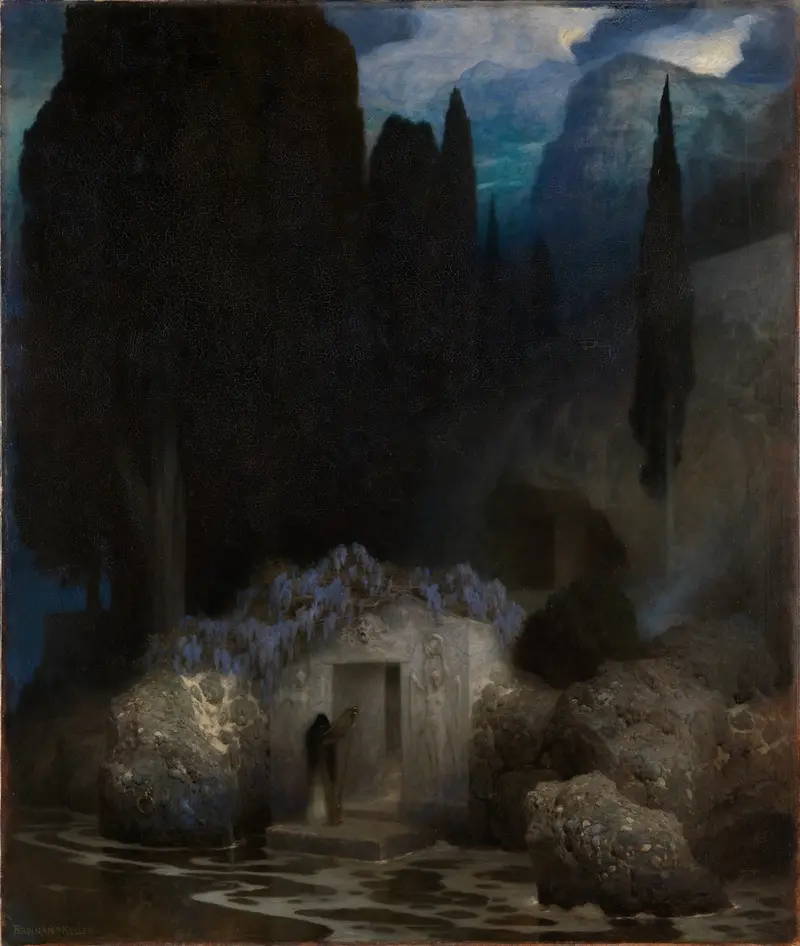
Böcklins Grab
Ferdinand Keller

Reisende in Brasilien
Ferdinand Keller
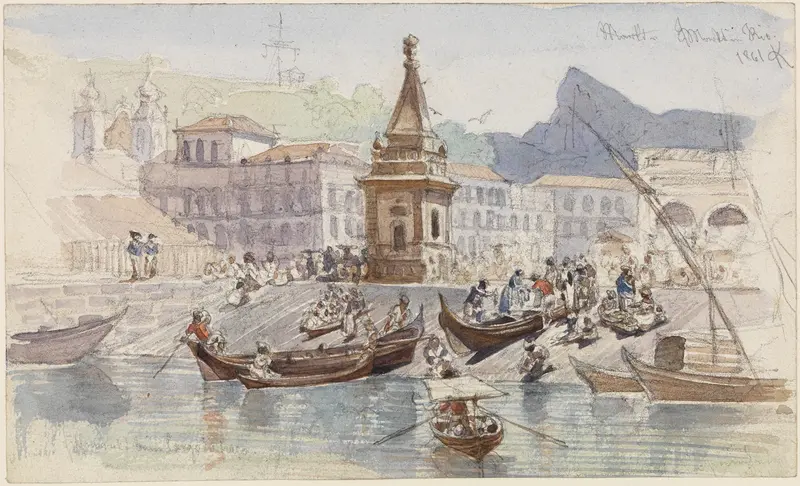
Markt in Rio
Ferdinand Keller
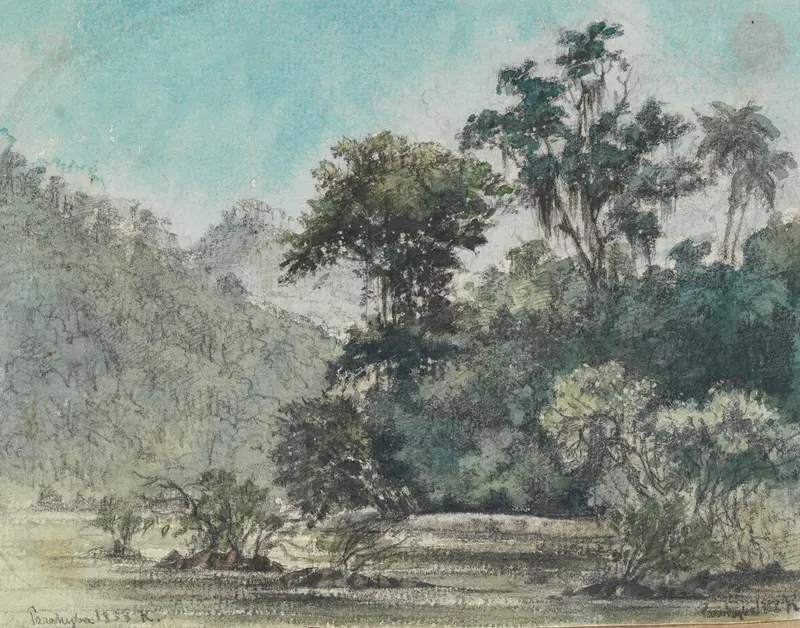
Blick auf das bewaldete Flussufer
Ferdinand Keller
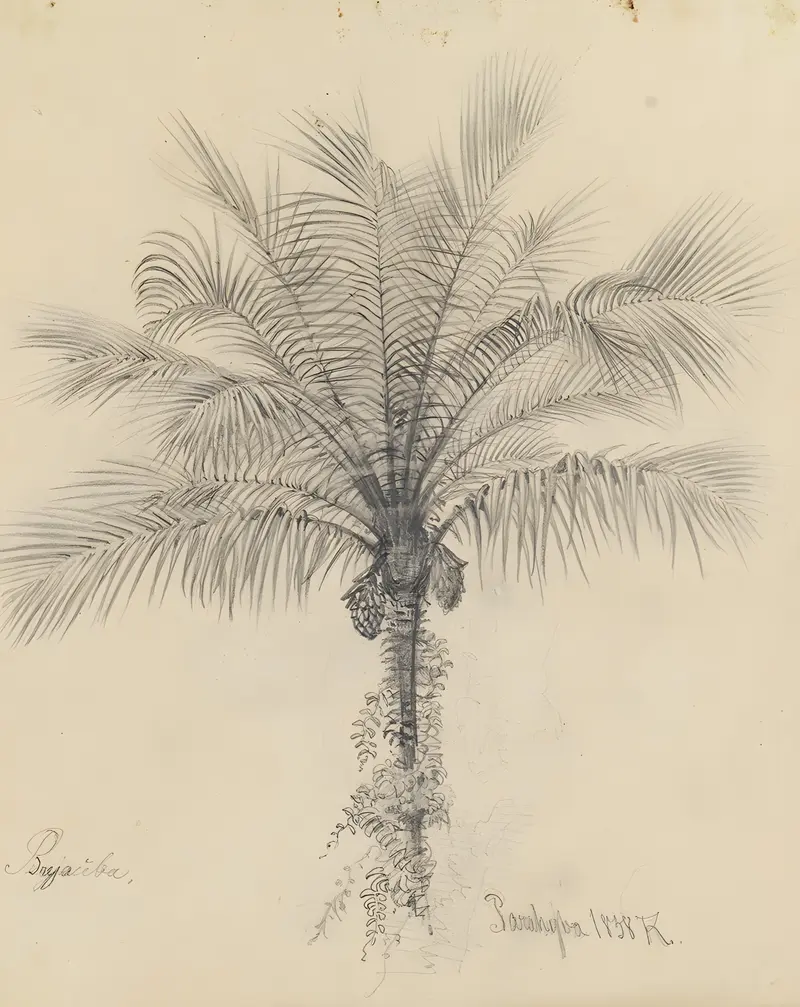
Palmstudie II
Ferdinand Keller
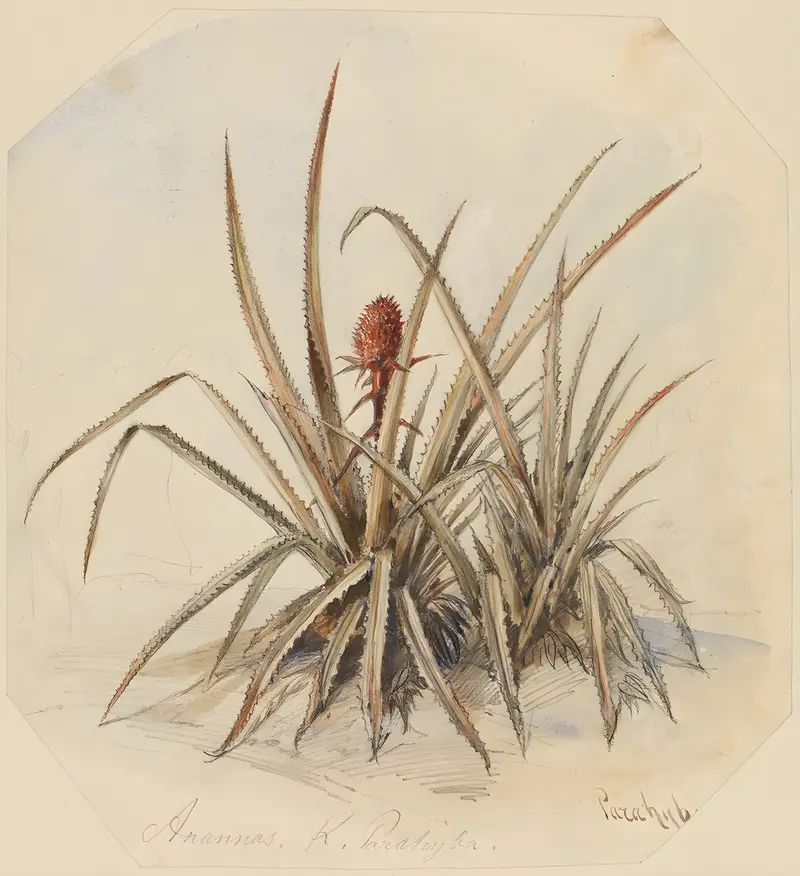
Blühende Ananas
Ferdinand Keller
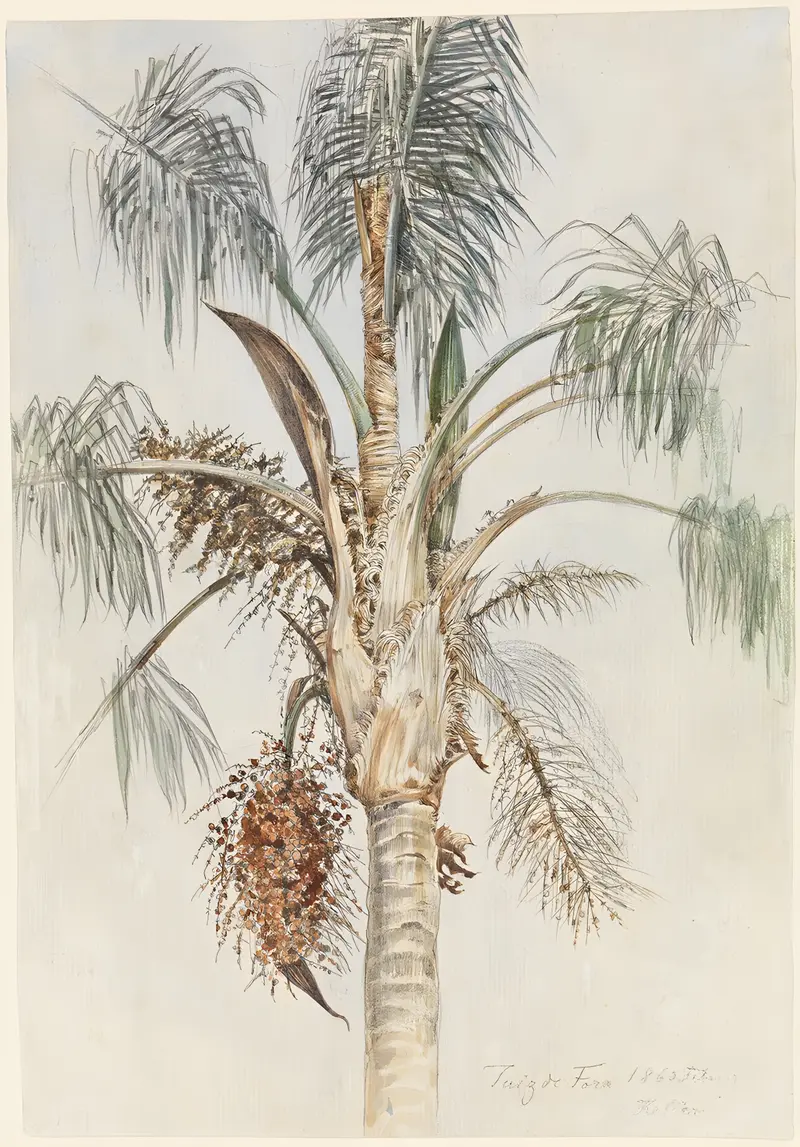
Krone einer Palme (Syagrus macrocarpa) in Juiz de Fora
Ferdinand Keller
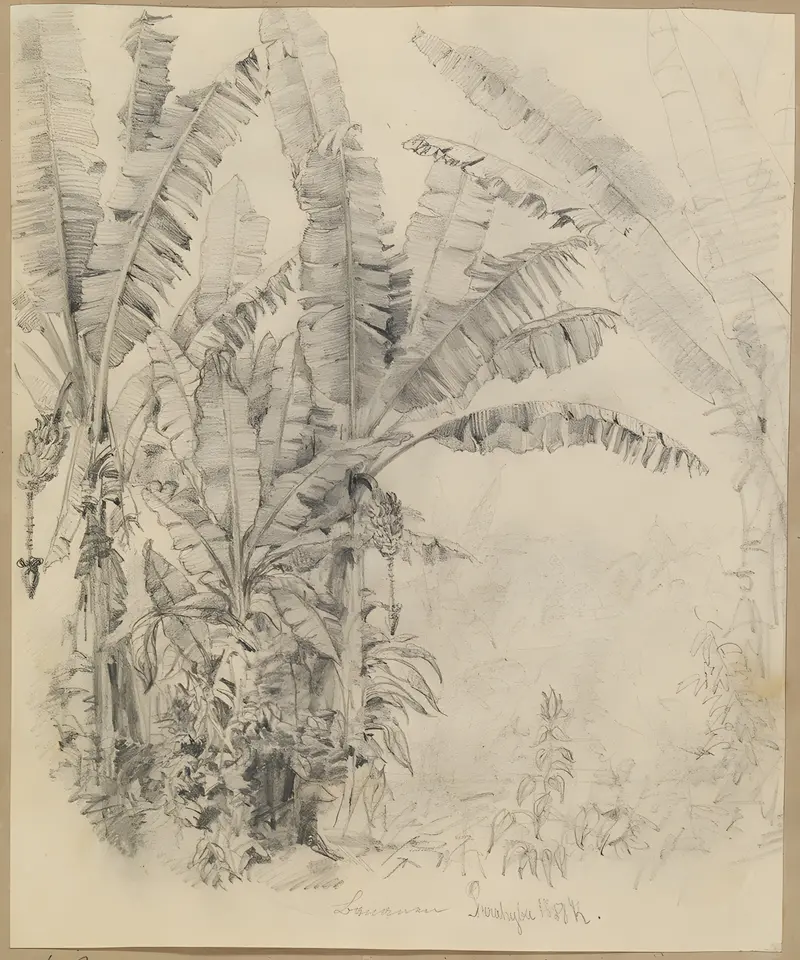
Im Urwald- Palmengewächse
Ferdinand Keller
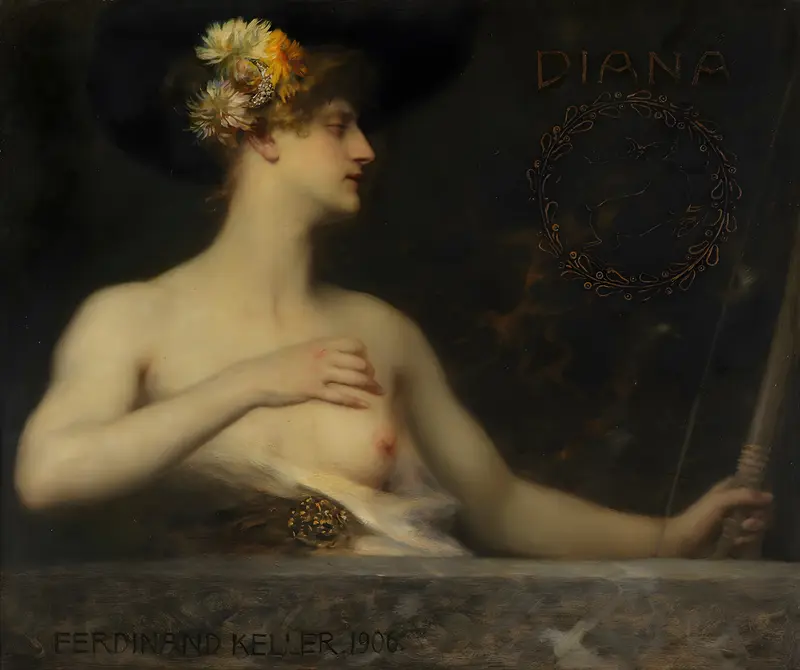
Diana
Ferdinand Keller
More Genre Scene Art

Banquet of the Officers of the St George Civic Guard
Frans Hals

Rembrandt and Saskia in the Scene of the Prodigal Son
Rembrandt van Rijn

Bal du moulin de la Galette
Pierre-Auguste Renoir

Quadrille at the Moulin Rouge
Henri de Toulouse-Lautrec

A Burial at Ornans
Gustave Courbet

When Will You Marry?
Paul Gauguin