
Studie van twee bomen — History & Facts
What if silence could speak through light? In Studie van twee bomen, ethereal luminosity captures the essence of faith, revealing a profound conversation between nature and the divine. Focus your gaze on the majestic trees that dominate the canvas, their trunks standing resolutely on either side. Each leaf, intricately detailed, seems to catch and refract the sunlight, bathing the scene in a warm, golden glow. The gentle interplay of light and shadow not only defines the trees but also creates a tranquil depth that invites contemplation.
Notice how the subtle gradient of the sky melds from brilliant blue near the horizon to soft beige, echoing the transition from day to dusk, a metaphor for the cycles of life and belief. Within this serene composition lies an exploration of contrasts: strength and fragility, presence and absence. The intertwining branches reach toward each other, hinting at a yearning connection, while their roots dig deep into the earth, symbolizing unwavering faith amidst the transient. These elements invite the viewer to ponder the quiet resilience found in nature and the sacred whispers carried by the wind. During the years between 1665 and 1670, Lorrain painted Studie van twee bomen while residing in Rome, a period marked by the Baroque movement's fascination with light and landscape.
The artist was deeply influenced by the beauty of his surroundings and the spiritual undercurrents of his time, often infusing his works with a sense of the divine. As classical ideals waned, Lorrain’s mastery of atmospheric effects began to redefine landscape painting, establishing a legacy that resonated through the centuries.
More Artworks by Claude Lorrain
Browse all →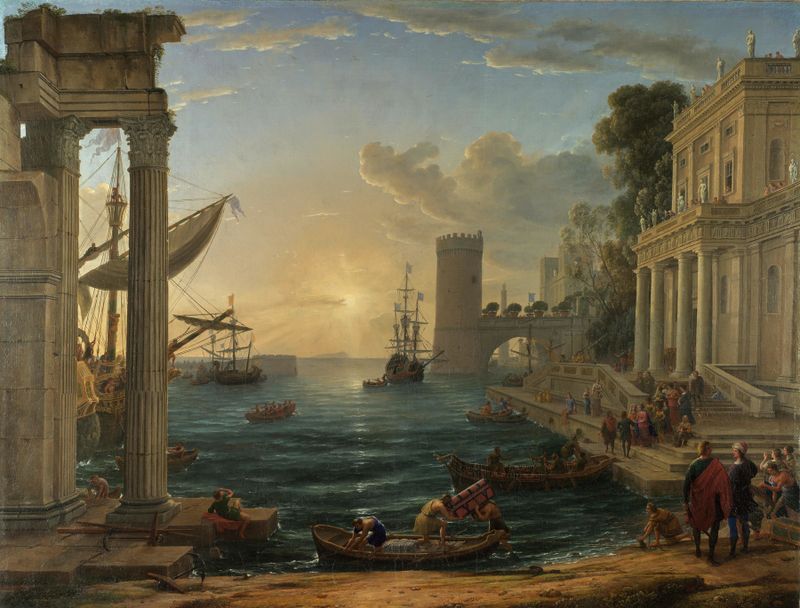
The Embarkation of the Queen of Sheba
Claude Lorrain
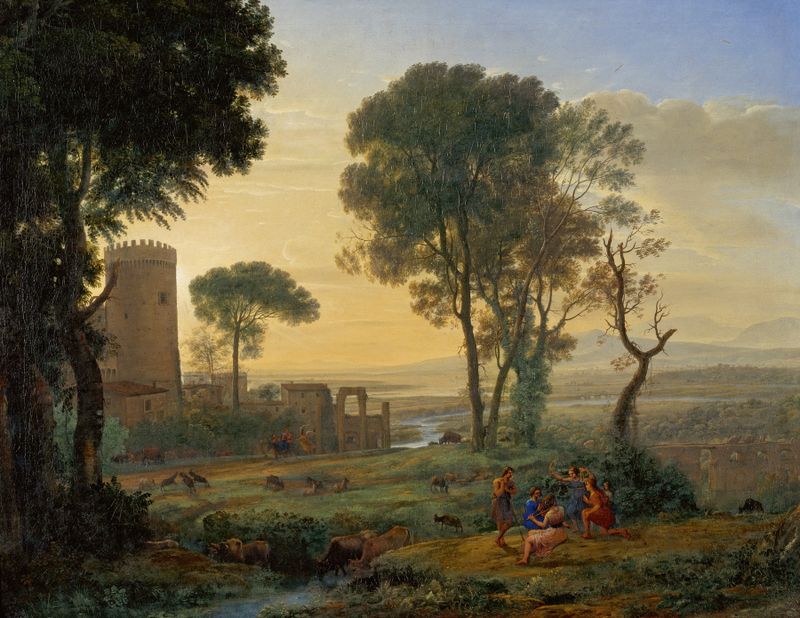
Landscape with the Flight into Egypt
Claude Lorrain
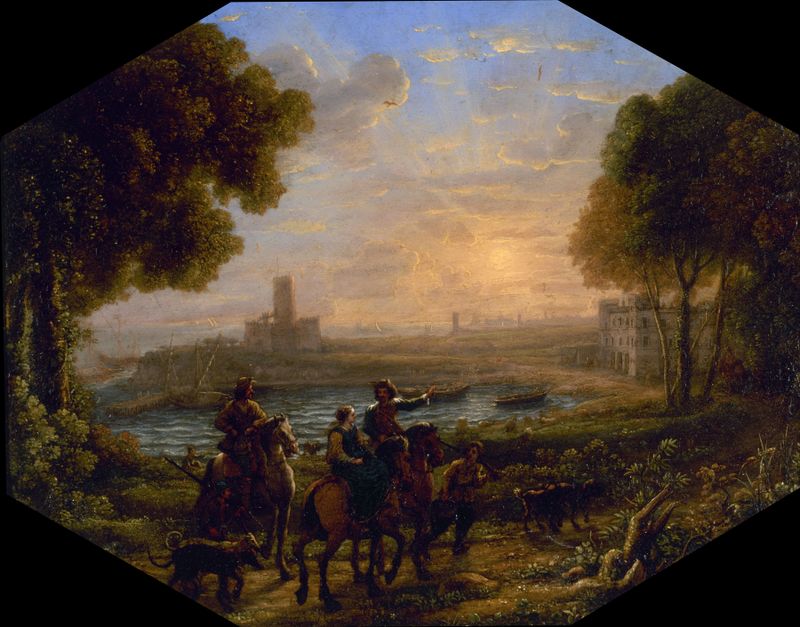
Paysage avec le port de Santa Marinella
Claude Lorrain
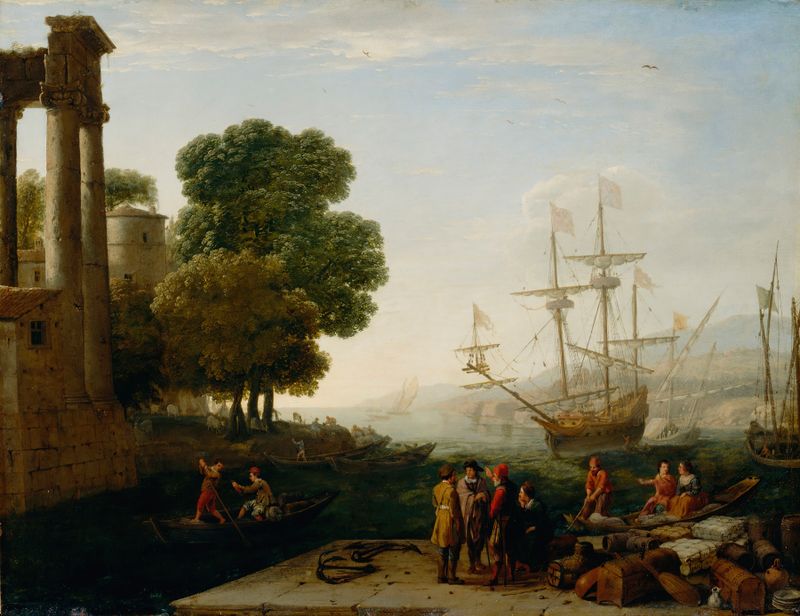
A Seaport at Sunset
Claude Lorrain
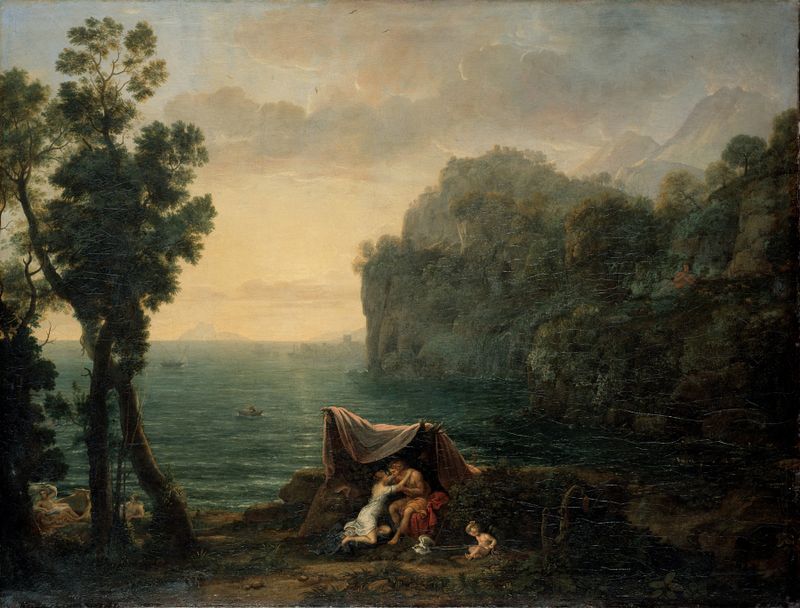
Landscape with Acis and Galatea
Claude Lorrain
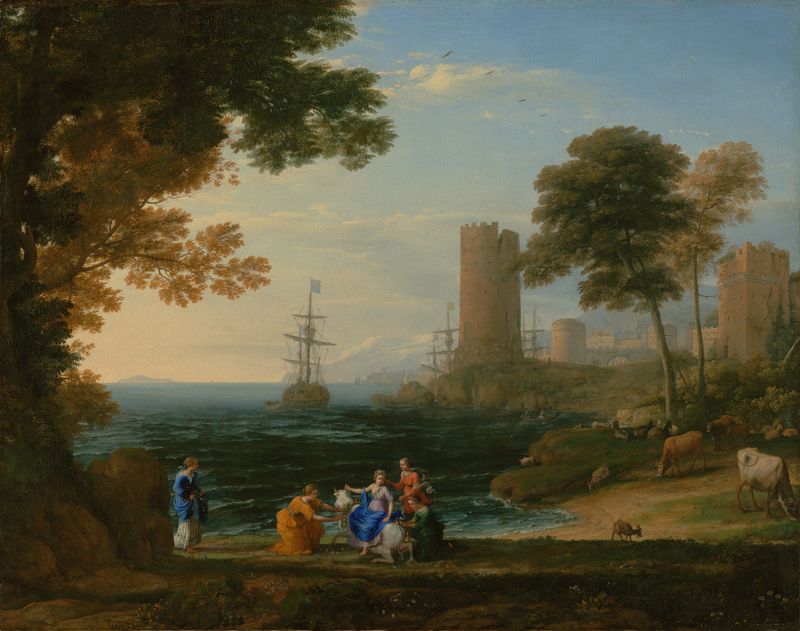
Coast View with the Abduction of Europa
Claude Lorrain
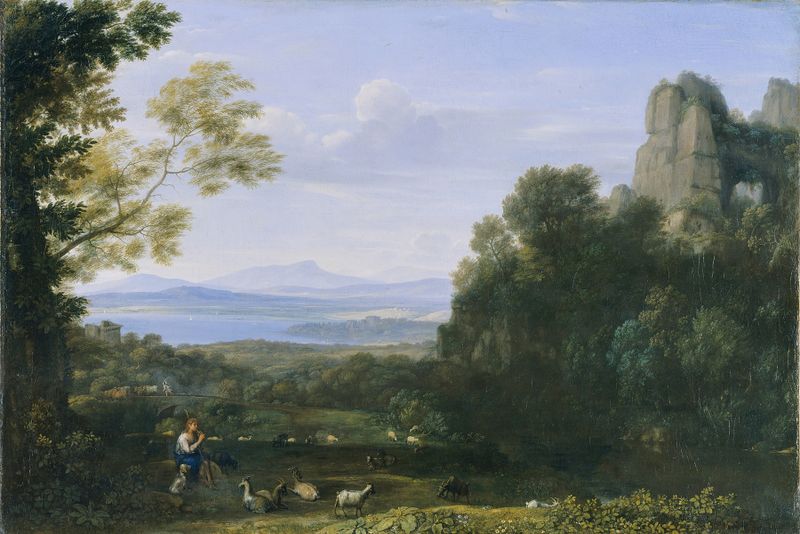
Landscape with Apollo and Mercury
Claude Lorrain
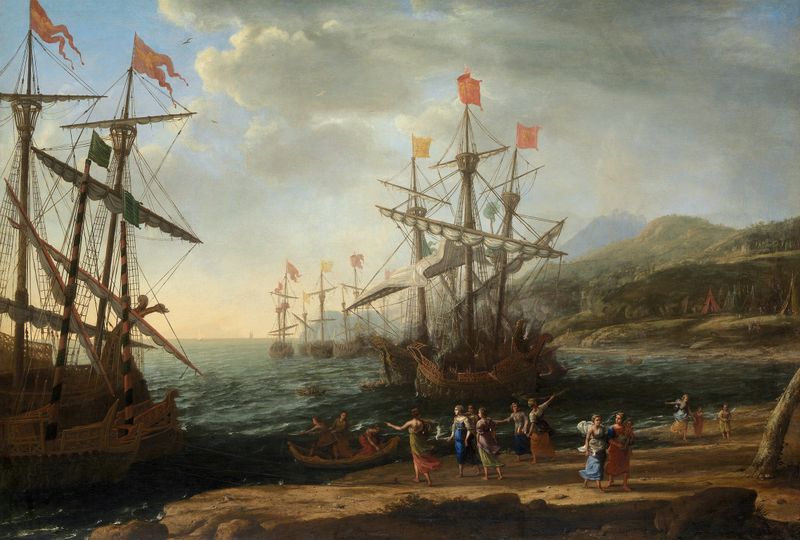
The Trojan Women Setting Fire to Their Fleet
Claude Lorrain
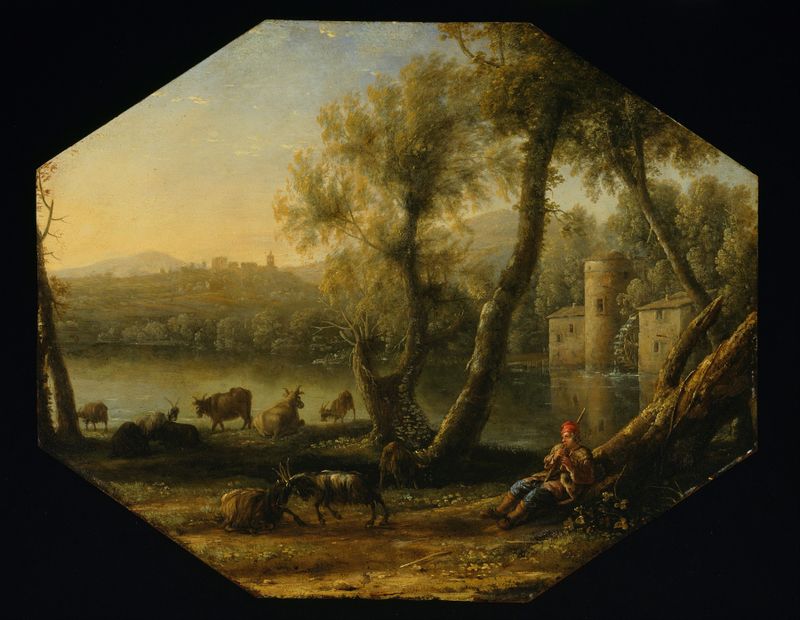
Pastoral landscape
Claude Lorrain
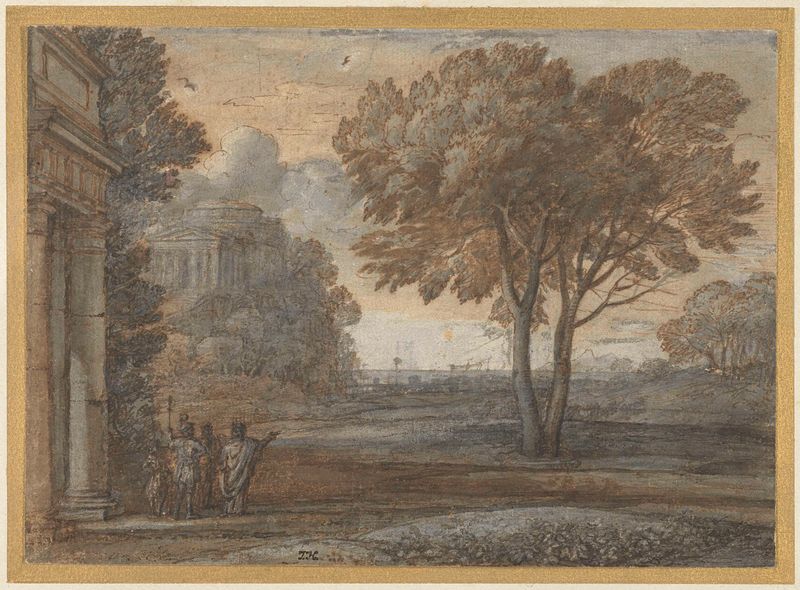
Aeneas op Delos
Claude Lorrain





