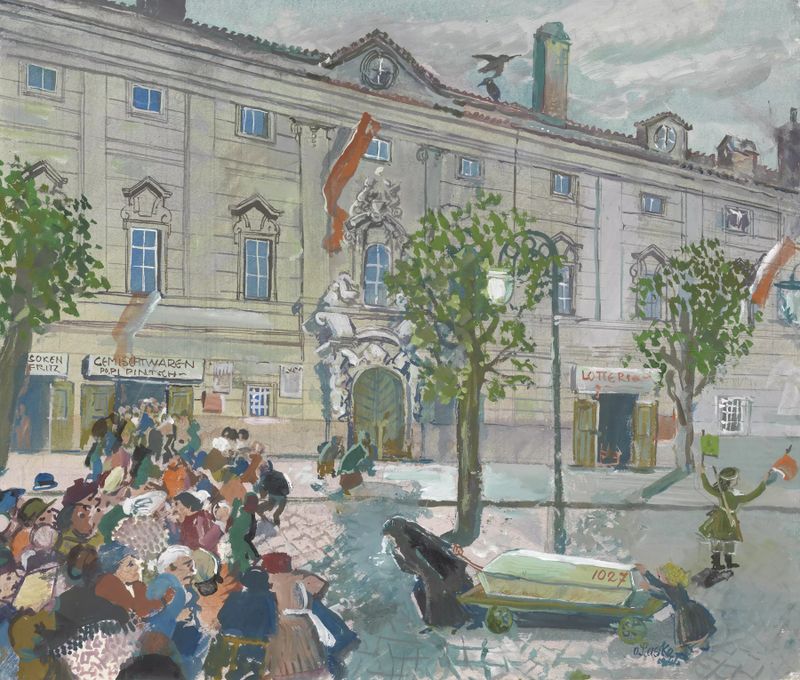
Studie zu dem Bild ‘Wollsammlung im Jahre 1942’ — History & Facts
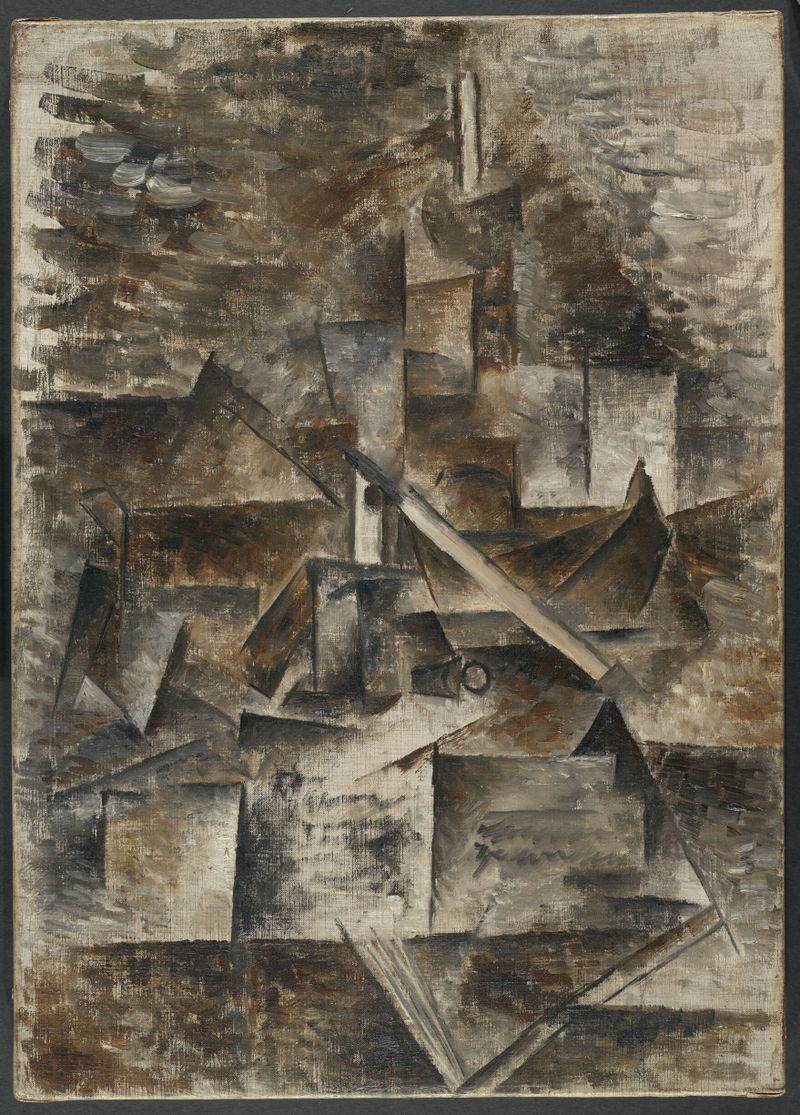
In a world overflowing with noise and distraction, it is within the quiet spaces that we often confront our deepest feelings of emptiness and absence. Focus first on the muted palette, where shades of gray and soft earth tones set a somber mood. Look closely at the intricate textures woven into the fabric presented, each thread whispering stories of labor and loss. The composition is meticulously balanced, drawing the viewer's eye toward both the tangible elements of the wool and the intangible emotions they evoke, while the slight play of light across the surface heightens the sense of fragility inherent in the scene. As you immerse yourself in the details, notice how the arrangement of the wool creates both a sense of abundance and an underlying emptiness.
Here lies a tension between the physical presence of material and the absence of life that surrounds it, hinting at a longing for connection in a time marked by isolation. The interplay of shadow reveals contrasts that reflect the emotional weight of the experience, underscoring the artist's commentary on the hardships of existence during a tumultuous period. In 1942, Oskar Laske painted this piece against a backdrop of turmoil, as Europe was engulfed in war. Living in Germany, he was grappling with both personal and societal upheaval; the impact of the Nazi regime weighed heavily on artists and their ability to express themselves freely.
This work captures that struggle, embodying the silent cries for solace and understanding amid a world in chaos.
More Artworks by Oskar Laske
Browse all →
Faschingsumzug am Stock im Eisen Platz
Oskar Laske

Schönbrunn (Winter)
Oskar Laske
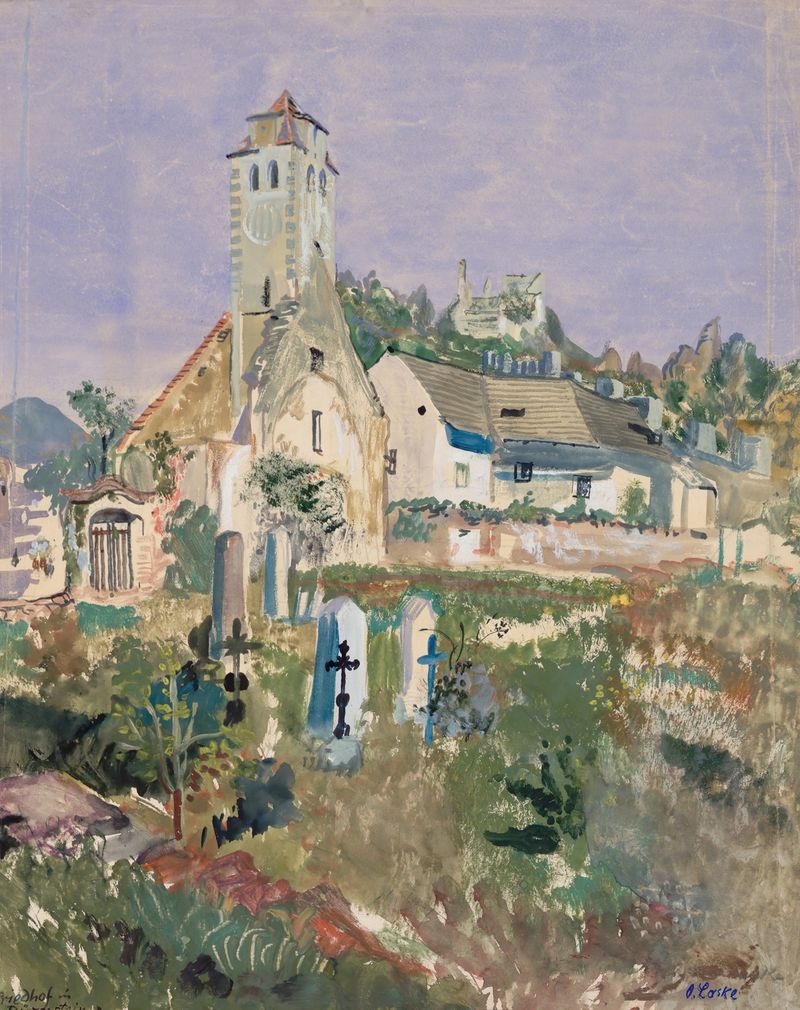
Friedhof in Dürnstein
Oskar Laske

Pratermotiv an der alten Donau
Oskar Laske

Frühjahrsnebel in Niederösterreich
Oskar Laske

Begräbnis des Wiener Bürgermeisters Dr. Karl Lueger
Oskar Laske

Maria Theresien-Denkmal mit Blick gegen das Burgtor
Oskar Laske
Wiener Straßenbild vom Mai 1945
Oskar Laske

Winterlandschaft in Pressbaum
Oskar Laske

Ansicht von Positano
Oskar Laske