
Study from Nature — History & Facts
Who listens when art speaks of silence? In Study from Nature, a stillness envelops the viewer, inviting reflection on the unvoiced desires of both the landscape and the artist. Look to the foreground, where delicate brushstrokes create a patchwork of lush greenery, a vibrant tableau that pulses with life. Notice how the light filters through the canopy above, casting dappled shadows that dance upon the ground. The artist's meticulous attention to detail reveals not only the textures of leaves and grasses but also their inner vitality — each hue a whisper of longing and connection to the natural world. Beneath this serene facade, a deeper narrative unfolds.
The interplay of light and shadow speaks to the transient beauty of nature, hinting at both its fragility and resilience. As the viewer's gaze wanders, the soft contrasts evoke a yearning for harmony and understanding, a desire to bridge the gap between the observer and the observed. Here, stillness and movement coexist, suggesting a deeper emotional current that resonates with humanity's own search for belonging. William Stanley Haseltine painted this work during a period of artistic exploration in the mid-19th century, when the Hudson River School was gaining prominence.
Nature became a subject of reverence and reflection, mirroring societal shifts toward romanticism and a growing appreciation for the American landscape. Immersed in this vibrant artistic milieu, Haseltine's studies from nature demonstrate his commitment to capturing not just the visual beauty of the world around him, but also the profound emotional truths it inspires.
More Artworks by William Stanley Haseltine
Browse all →
Mill Dam in Traunstein
William Stanley Haseltine
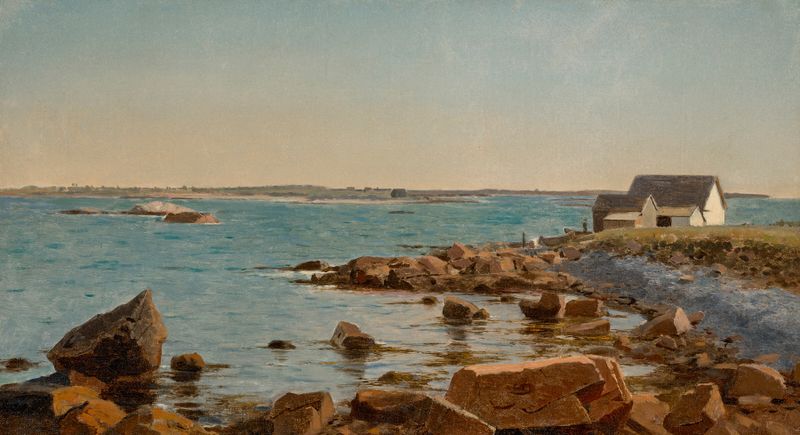
Nahant Coast
William Stanley Haseltine
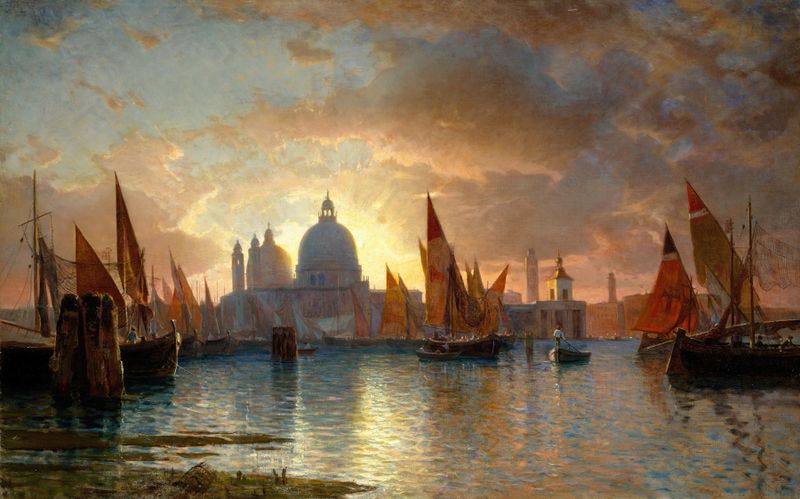
Santa Maria della Salute, Sunset
William Stanley Haseltine
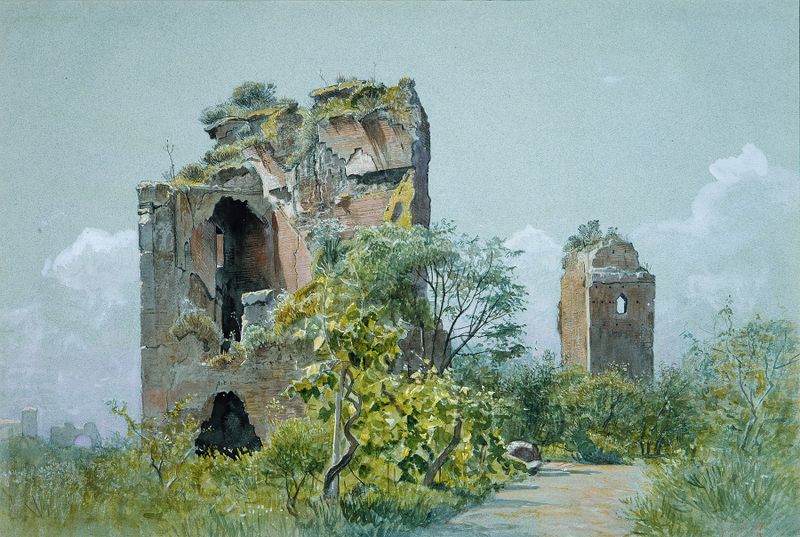
Baths of Trajan (Sette Sale, Villa Brancaccio, Rome)
William Stanley Haseltine
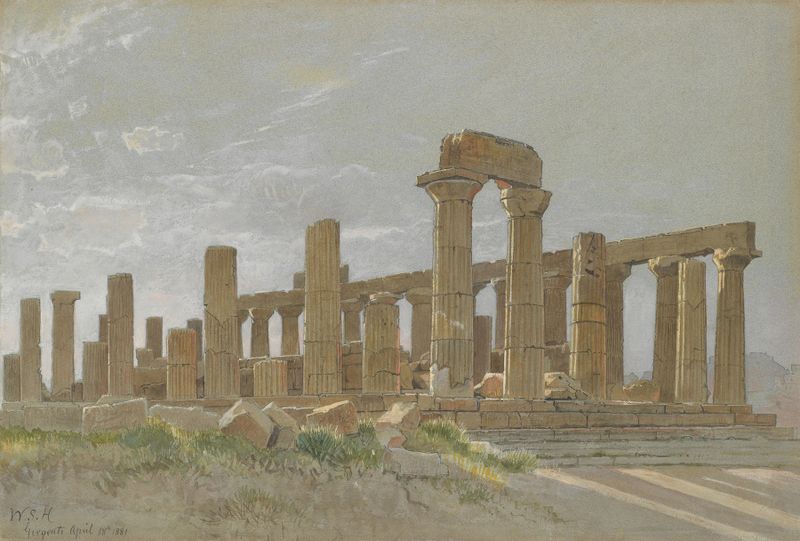
Girgenti (The Temple of Juno Lacinia at Agrigentum)
William Stanley Haseltine

Italian Hills
William Stanley Haseltine
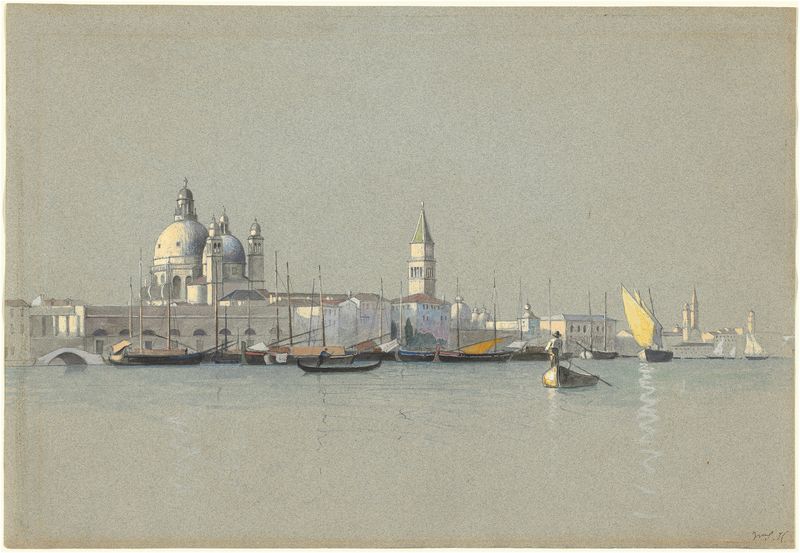
View across the Giudecca Canal toward the Salute and the Campanile of San Marco
William Stanley Haseltine
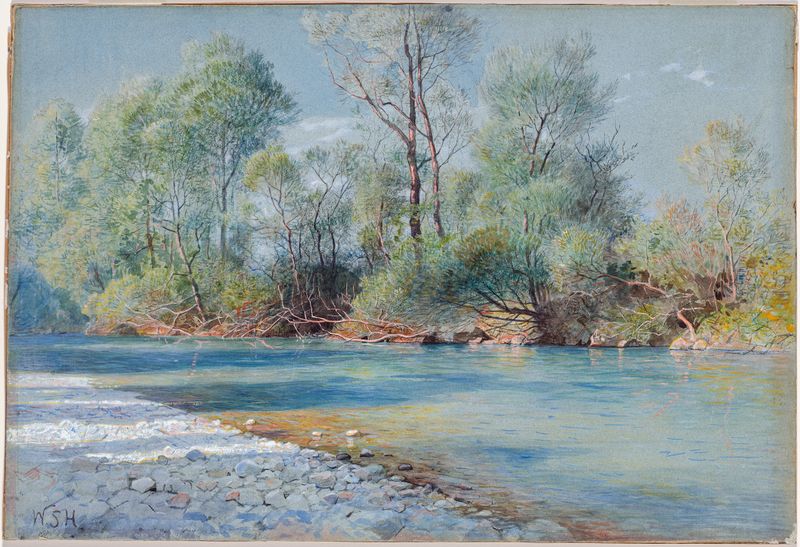
Traunstein River on the Road to Empfig, Bavaria
William Stanley Haseltine

Coast of Capri
William Stanley Haseltine
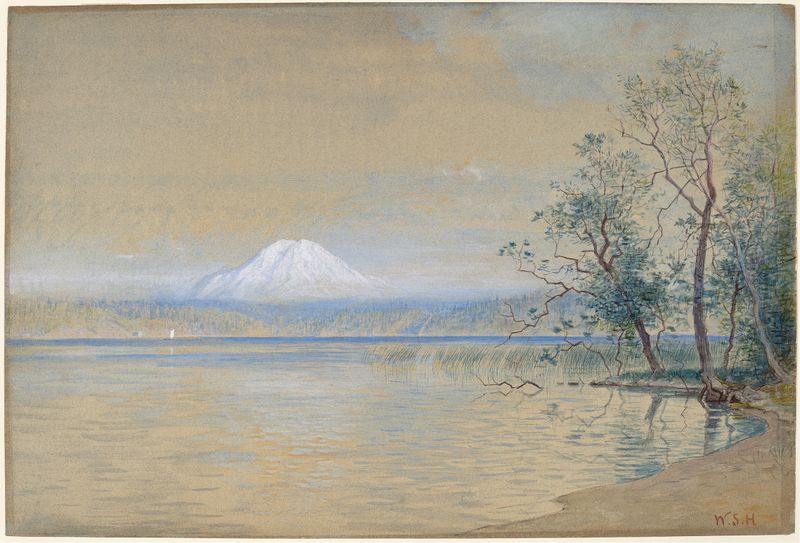
Mount Tacoma
William Stanley Haseltine





