
Study of a man — History & Facts
What most grips the viewer here is the sense of a body caught in a moment of private concentration, the model’s head bowed and arm reaching down as if to steady himself or perhaps to adjust his foot. The pose is at once natural and studied, the kind of twist and stretch that reveals every muscle and tendon, inviting the eye to travel along the back and down the extended leg. The light falls from above and slightly behind, carving out the planes of the torso and thigh, while the rest of the figure melts into a muted, earth-toned background.
There is no narrative, no distraction—only the solitary act of observation and depiction, as if the painter is searching for the truth of flesh and form. This Study of a man dates to 1803, a time when academic training in France demanded rigorous practice from life. Artists like Achille Etna Michallon were expected to master the human body through such studies, often as preparation for larger historical or mythological works. These exercises were not meant for public display but for the artist’s own discipline, a private record of skill and understanding.
The anonymity of the model and the absence of setting speak to the era’s focus on anatomy as the foundation of art. History has kept few traces of this particular study’s journey, but its frankness and quiet intensity still draw us back to the moment of its making, when the pursuit of mastery meant returning, again and again, to the living body before the easel.
More Artworks by Achille Etna Michallon

Forest interior
Achille Etna Michallon
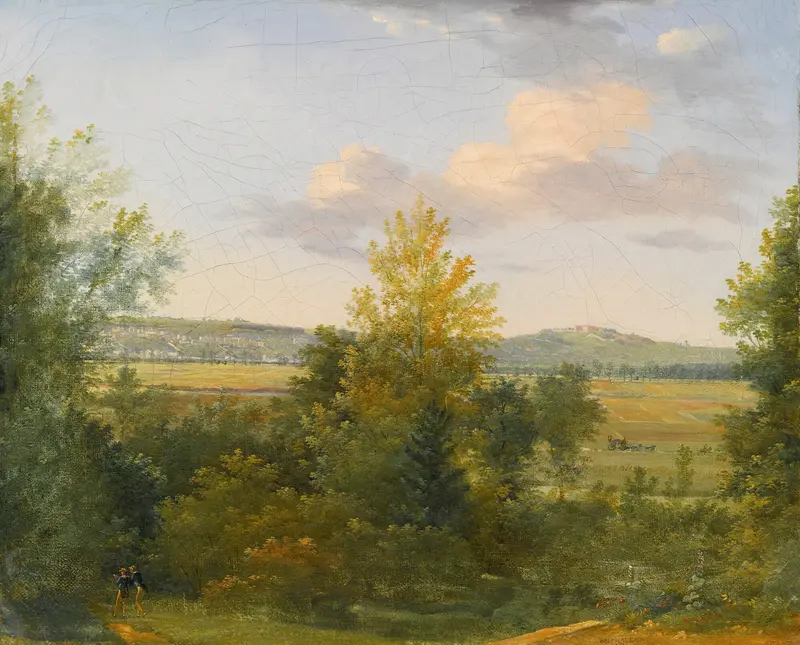
Pastoral landscape with two travellers
Achille Etna Michallon

Die Mündung der Rance bei Saint-Servan (Bretagne)
Achille Etna Michallon

View of a Waterfall through a Ravine
Achille Etna Michallon
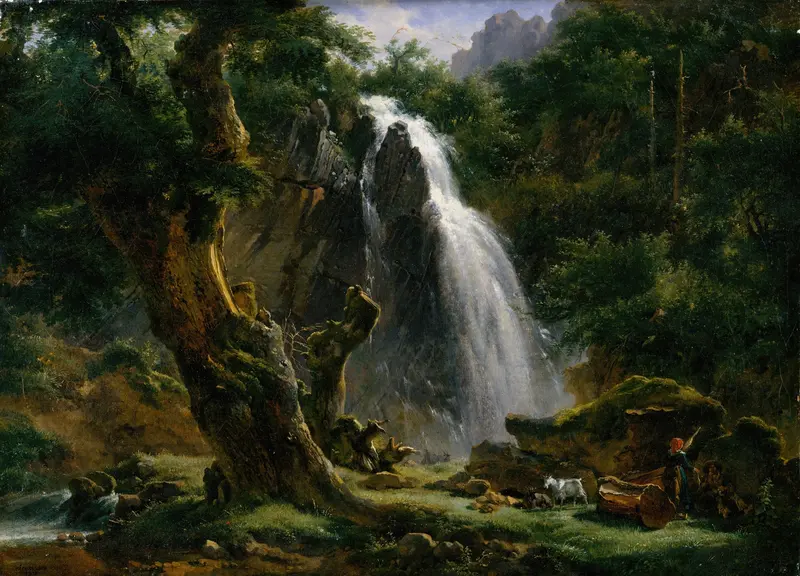
Waterfall at Mont-Dore
Achille Etna Michallon
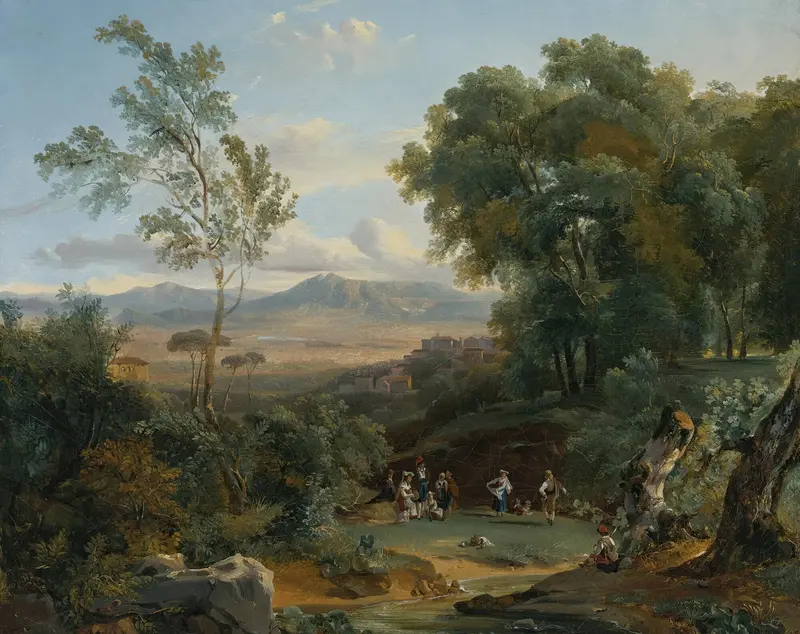
Landscape With A View Of Frascati
Achille Etna Michallon
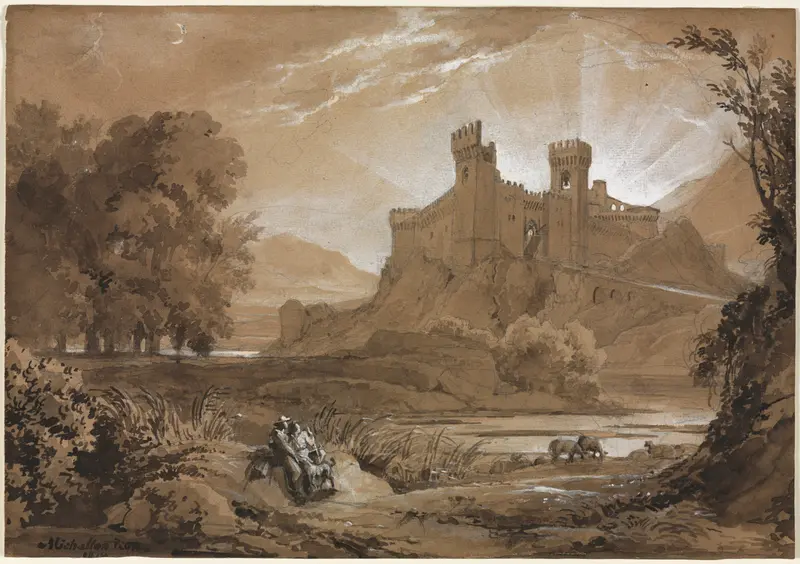
Landscape with Castle and Shepherds
Achille Etna Michallon
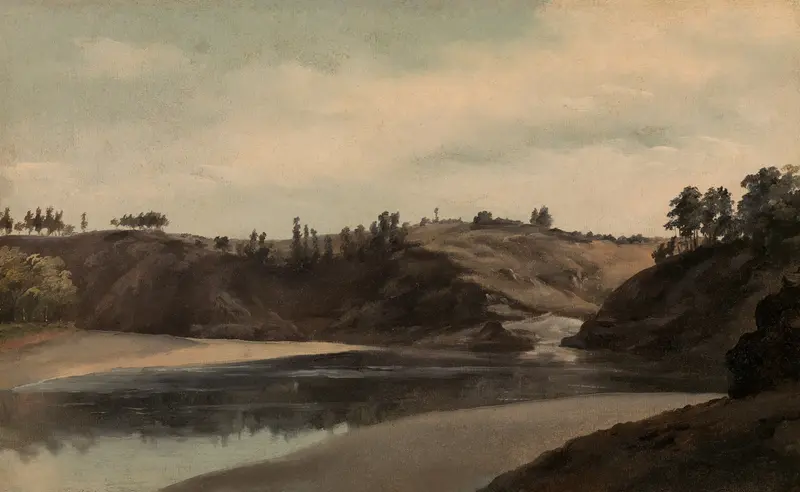
River landscape in Brittany
Achille Etna Michallon
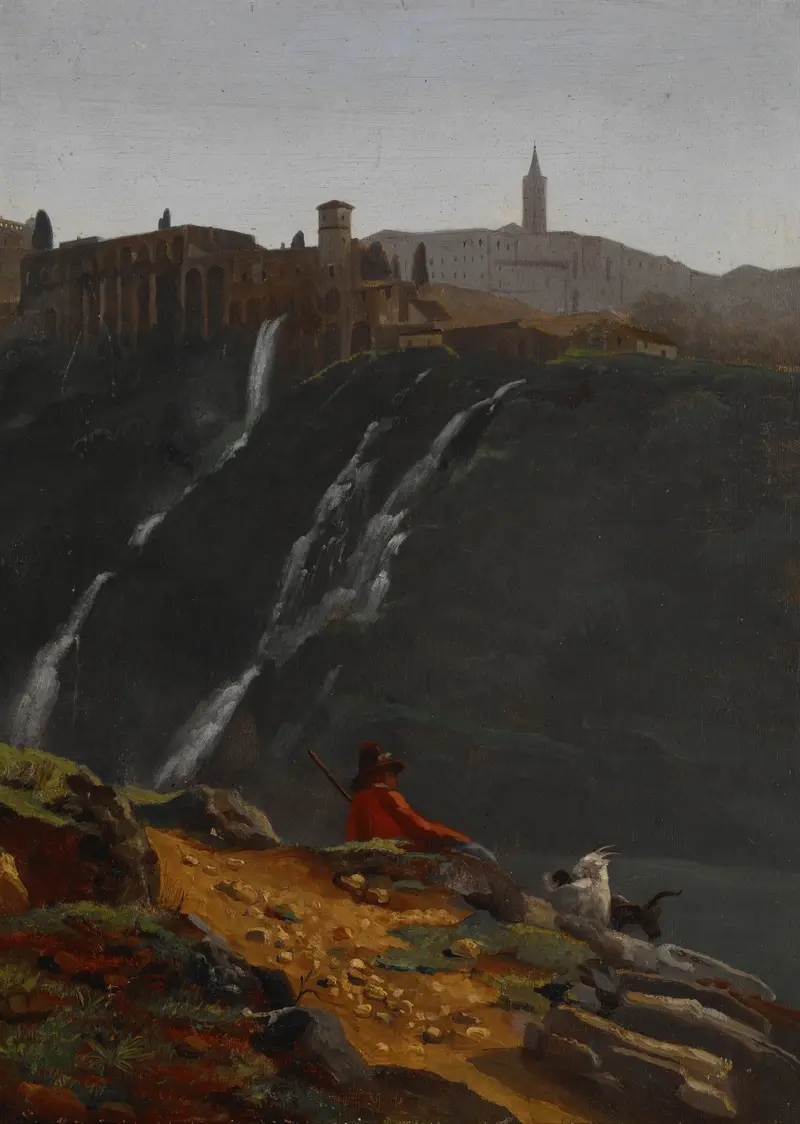
Goatherd Opposite the Falls of Tivoli
Achille Etna Michallon
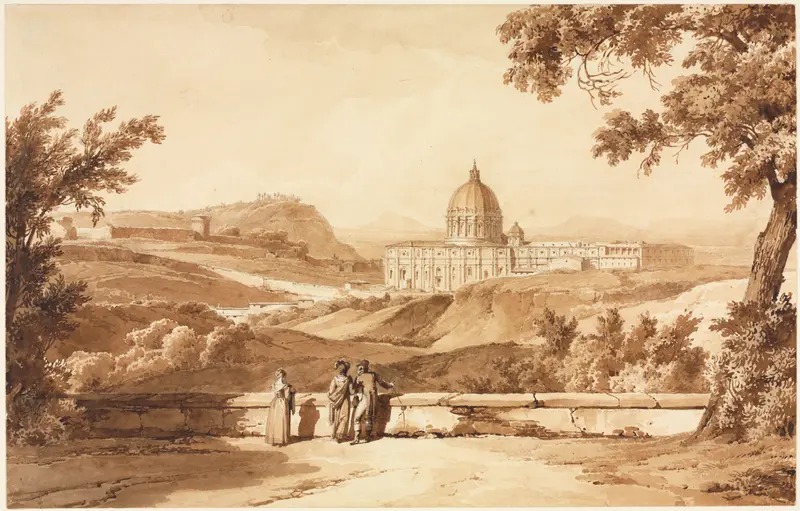
View of St. Peters, Rome
Achille Etna Michallon



