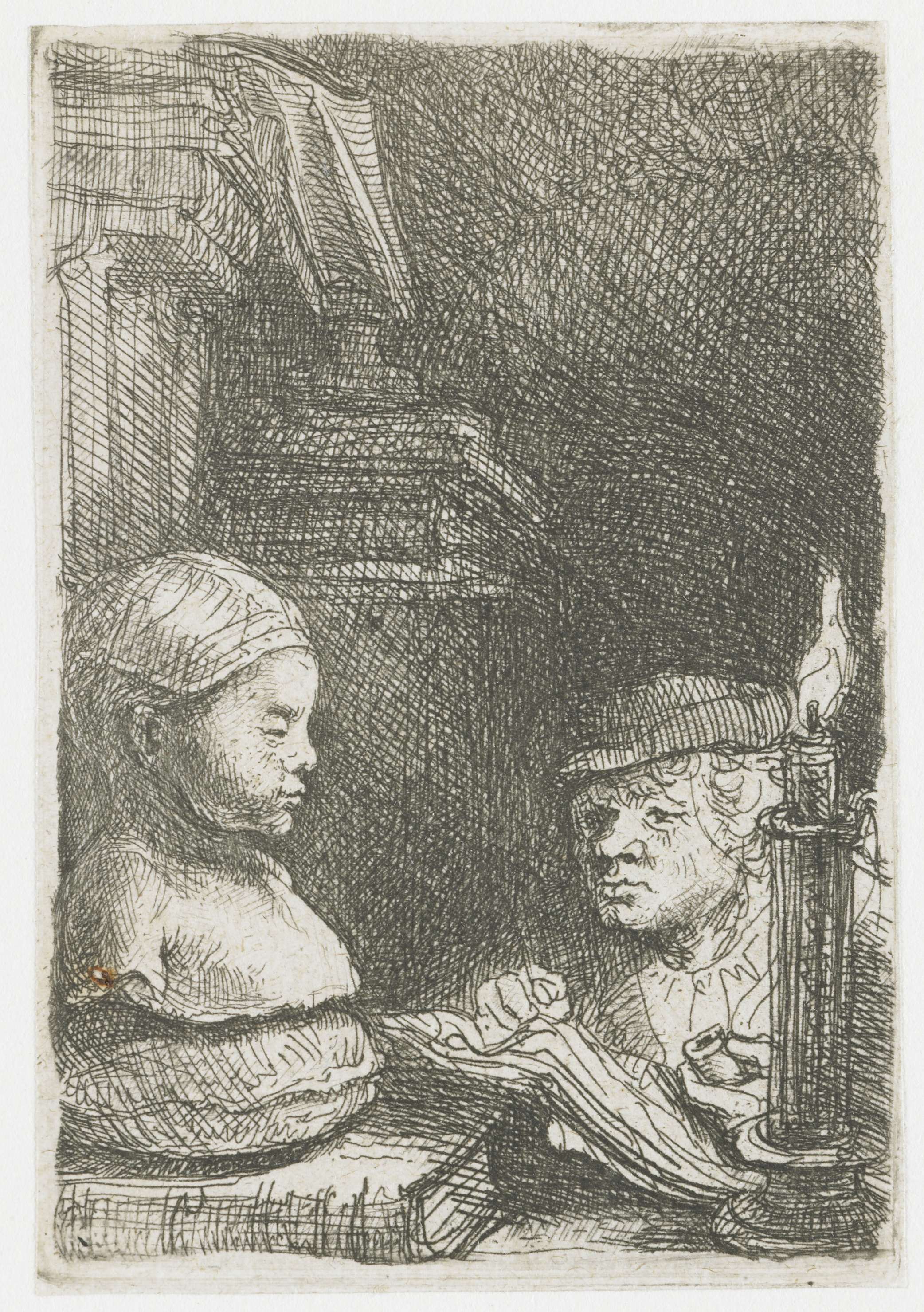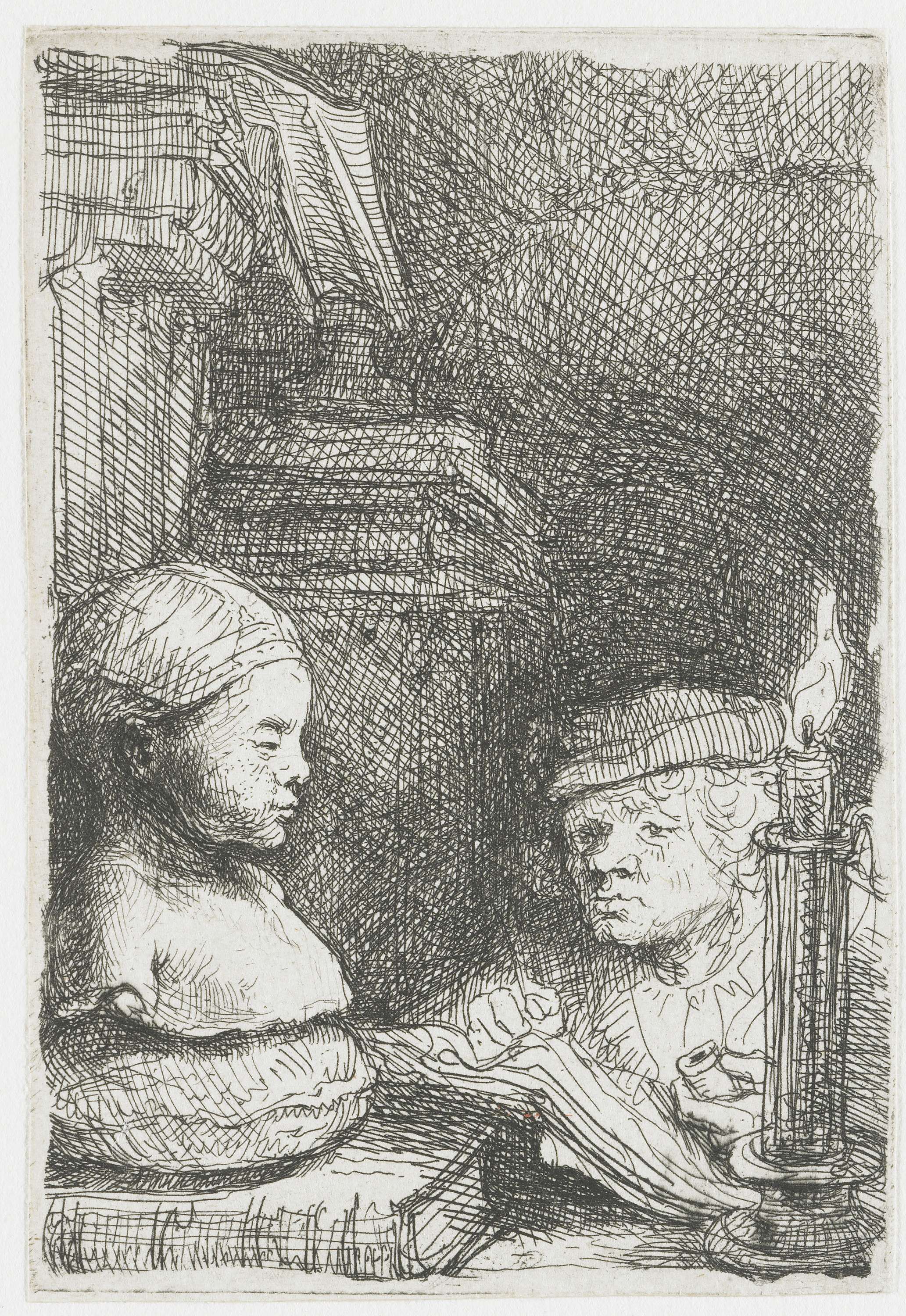
Discover insights about this artwork
Study of a Rock (verso) — History & Facts
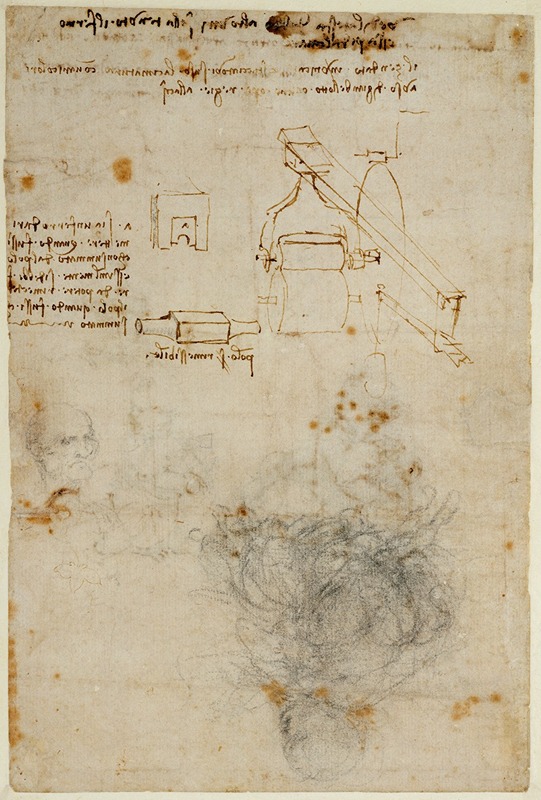
In Study of a Rock (verso), Paul Cézanne presents a detailed study of a rock, emphasizing earthy tones and textures. The colors range from deep browns to muted greens, creating a naturalistic representation. The rock is depicted in a way that highlights its form and solidity, set against a simple background.
This focus on the rock suggests a deep appreciation for nature's raw materials. The artwork is executed in pencil on paper, showcasing Cézanne's skill in drawing and observation. The lines are precise, capturing the intricate details of the rock's surface. Viewers can notice the careful shading that adds depth and dimension to the piece.
This technique reflects Cézanne's commitment to exploring the relationship between form and color. Paul Cézanne, a pivotal figure in the transition from 19th-century Impressionism to 20th-century Modernism, often studied natural forms. This particular work, created in the 1890s, reveals his fascination with the structure and essence of objects. Interestingly, Cézanne's studies like this one were essential in developing his later, more famous landscapes.
They illustrate his methodical approach to understanding the world around him.
More Artworks by Paul Cézanne
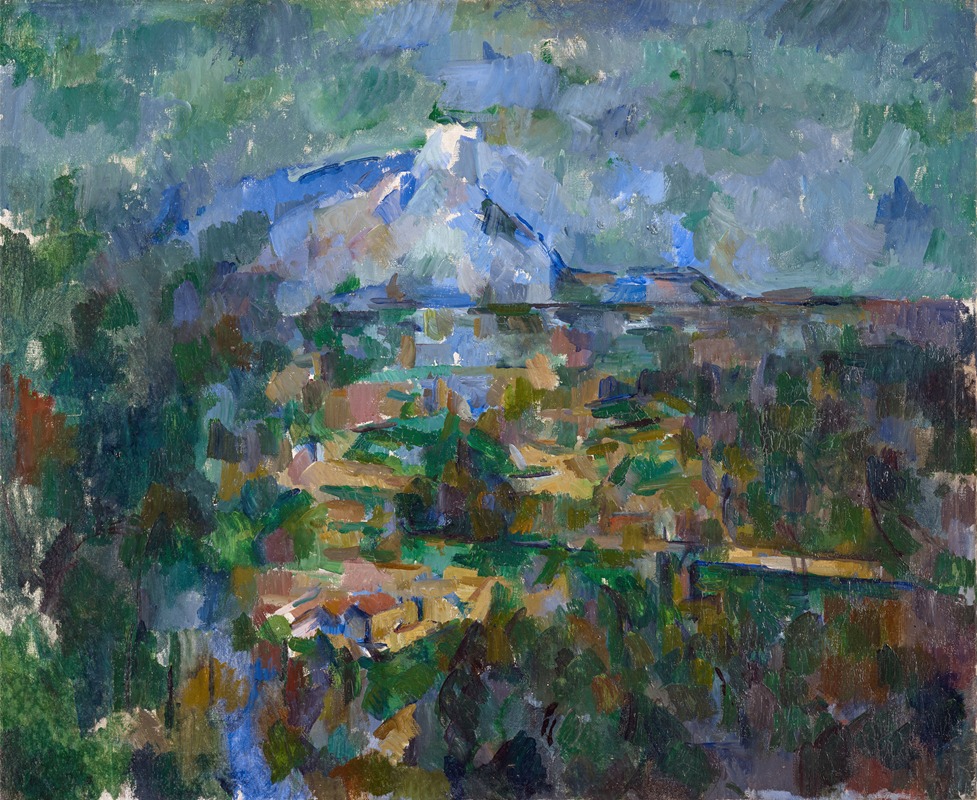
The Mont Sainte-Victoire Seen From Les Lauves
Paul Cézanne
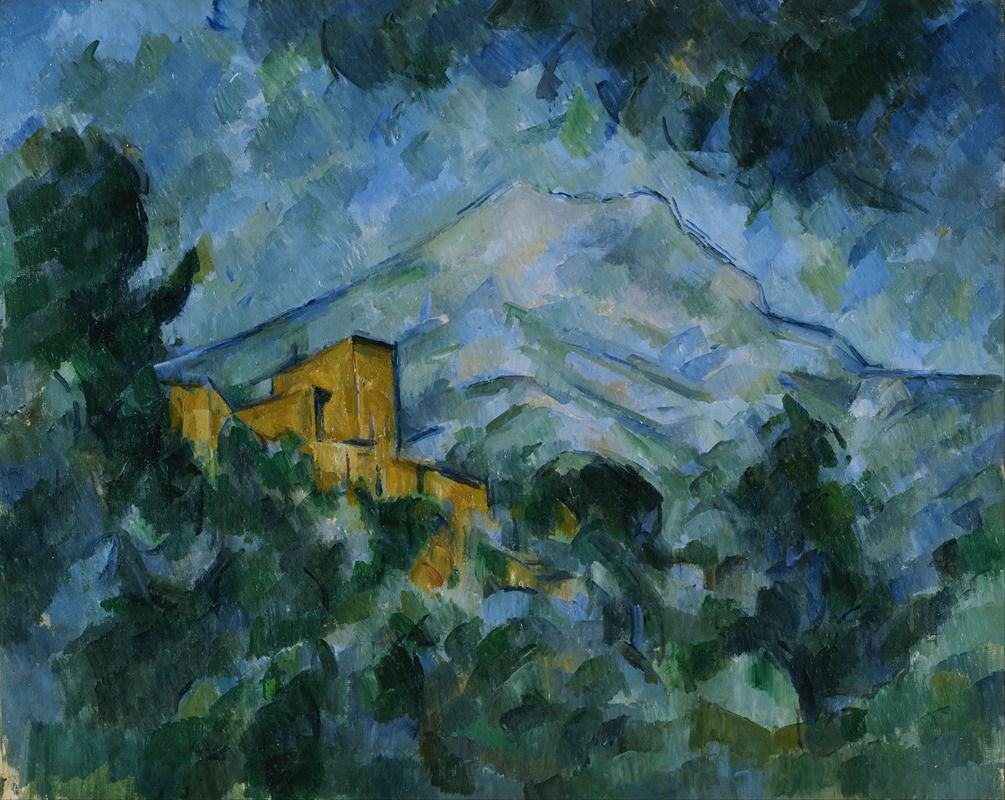
Mont Sainte-Victoire and Château Noir
Paul Cézanne
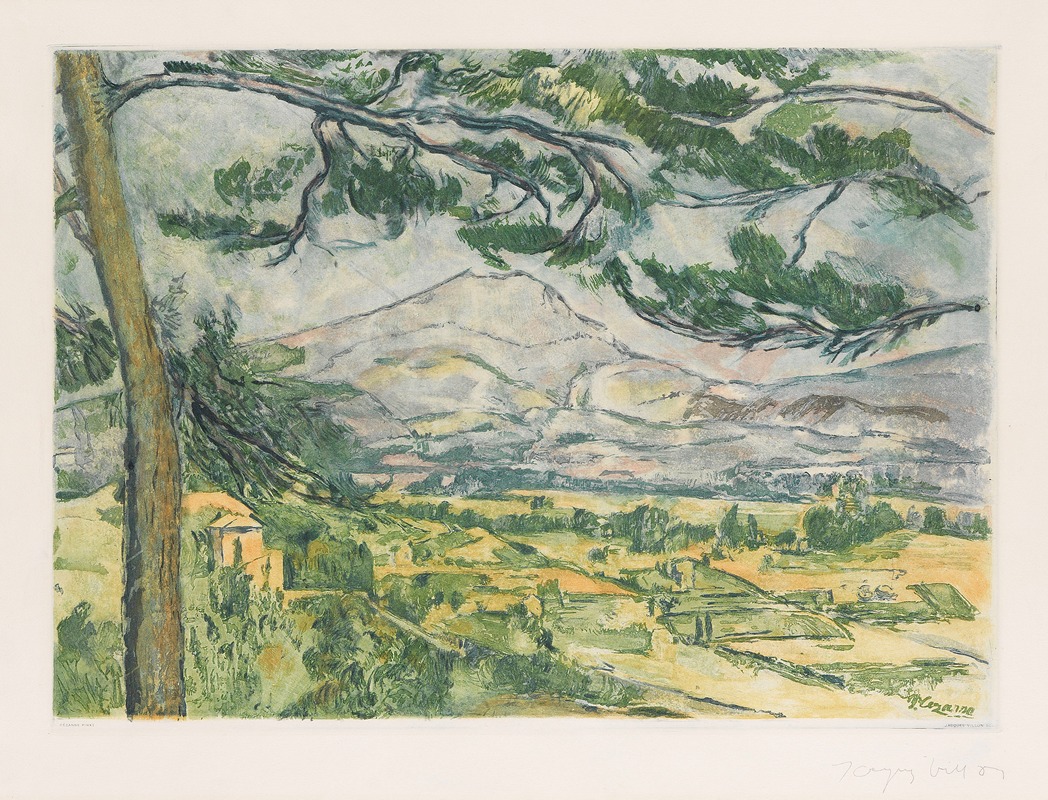
La Montagne Sainte-Victoire
Paul Cézanne
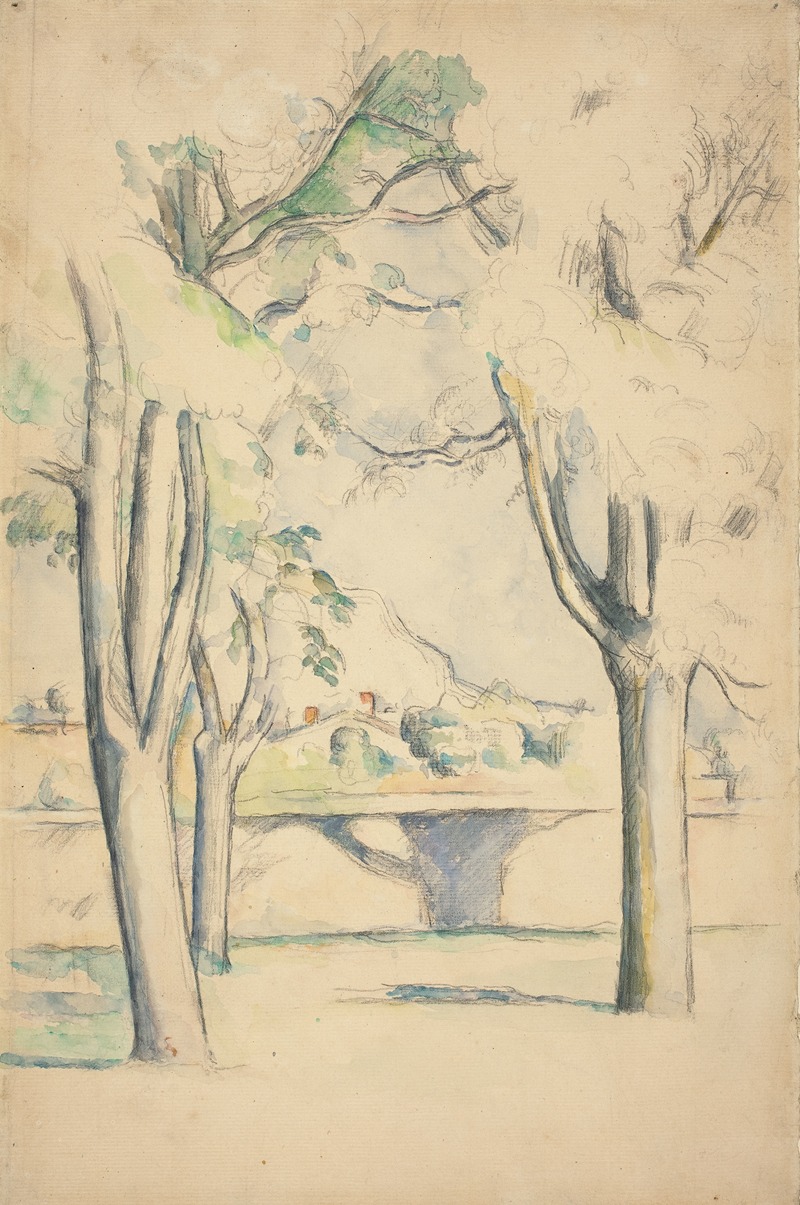
Mont Sainte-Victoire Seen beyond the Wall of the Jas de Bouffan
Paul Cézanne
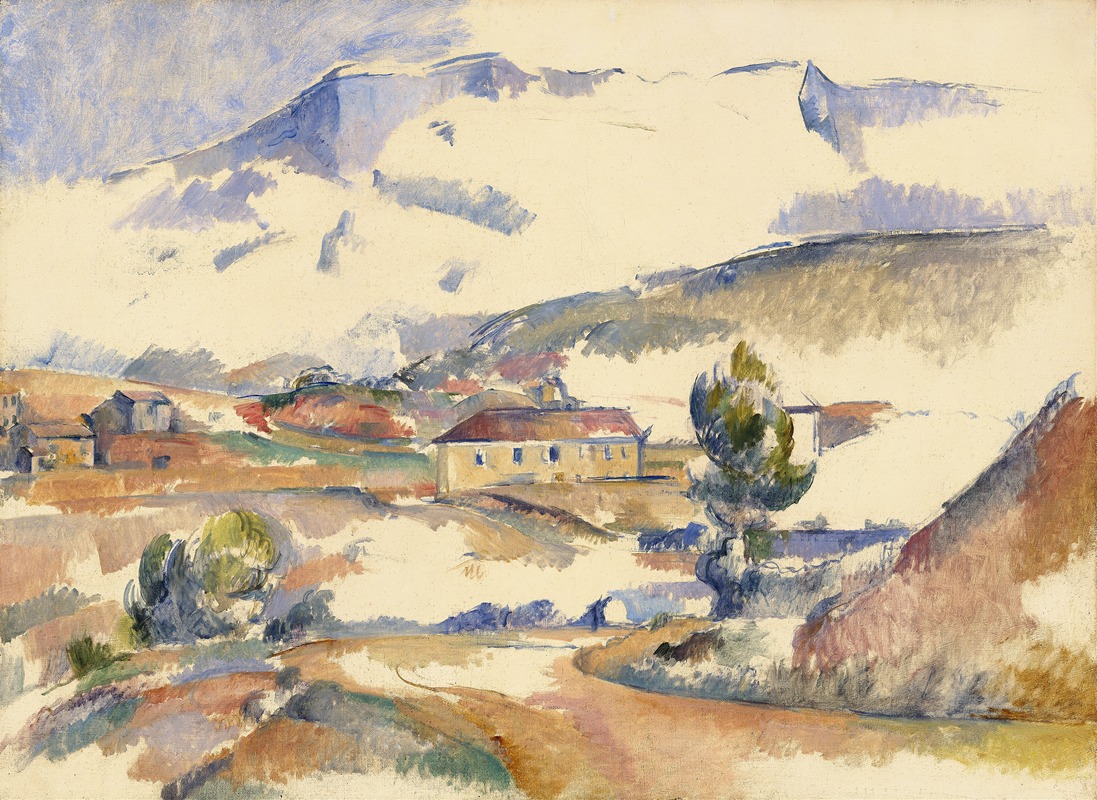
Montagne Sainte-Victoire,from near Gardanne
Paul Cézanne
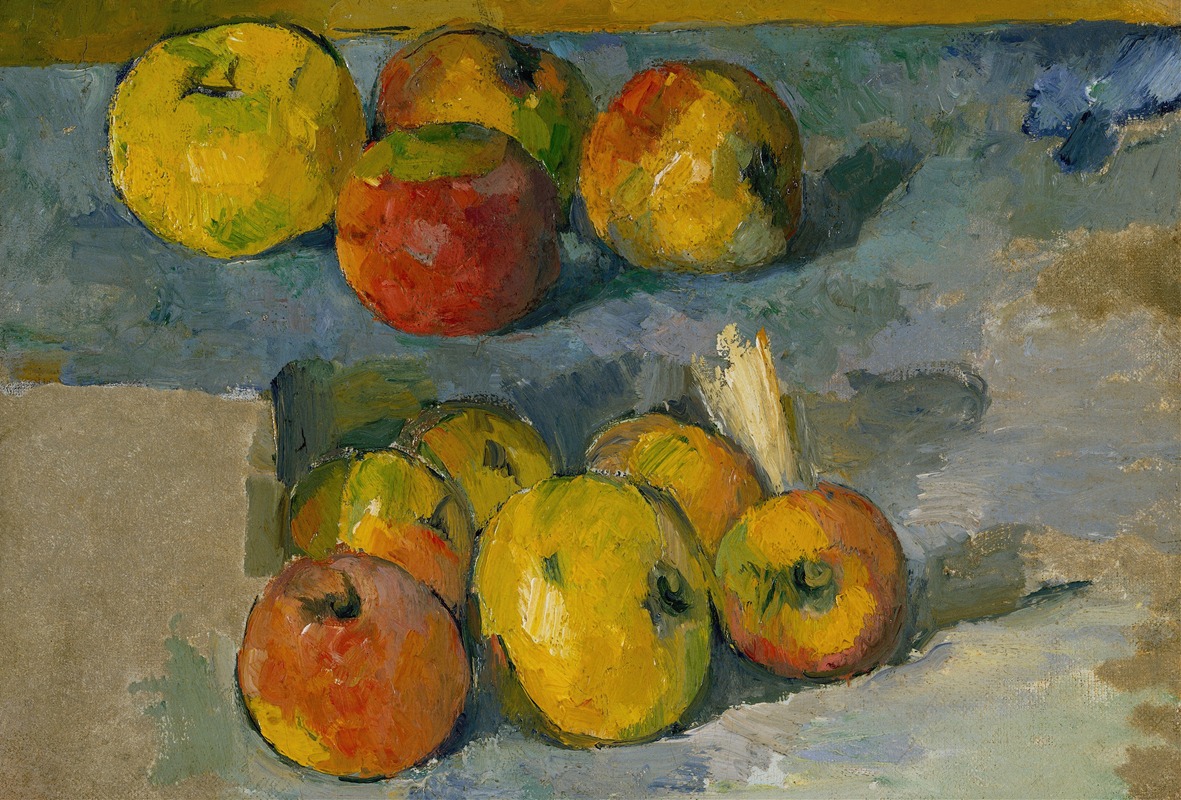
Apples
Paul Cézanne
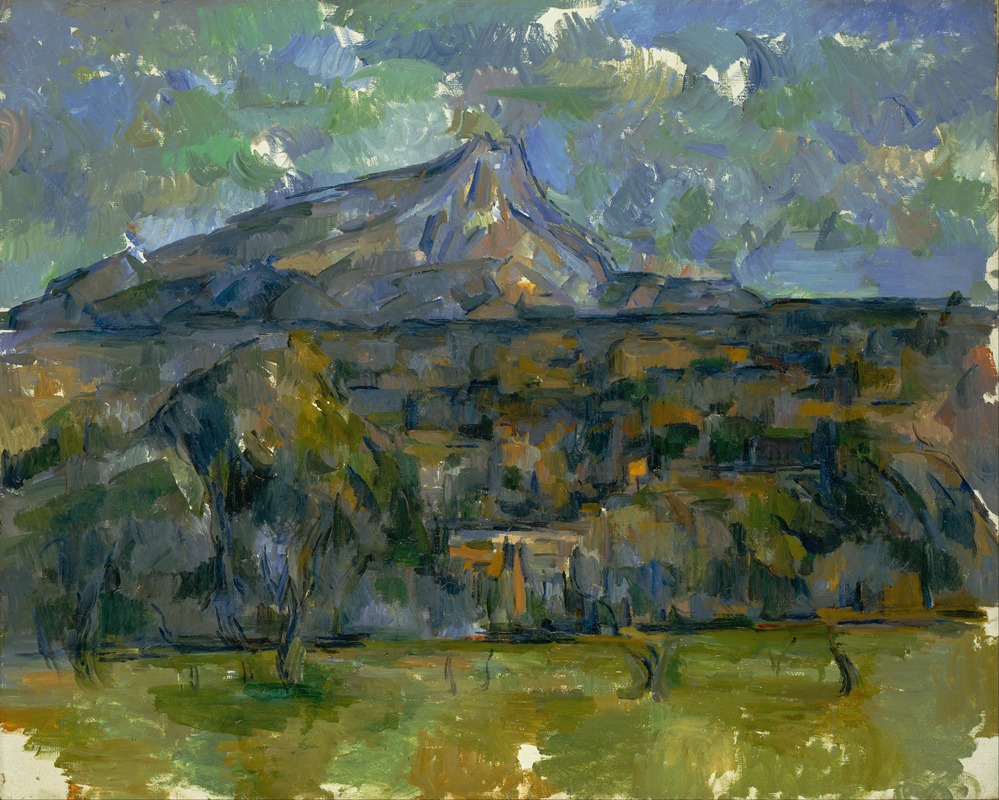
Mont Sainte-Victoire
Paul Cézanne
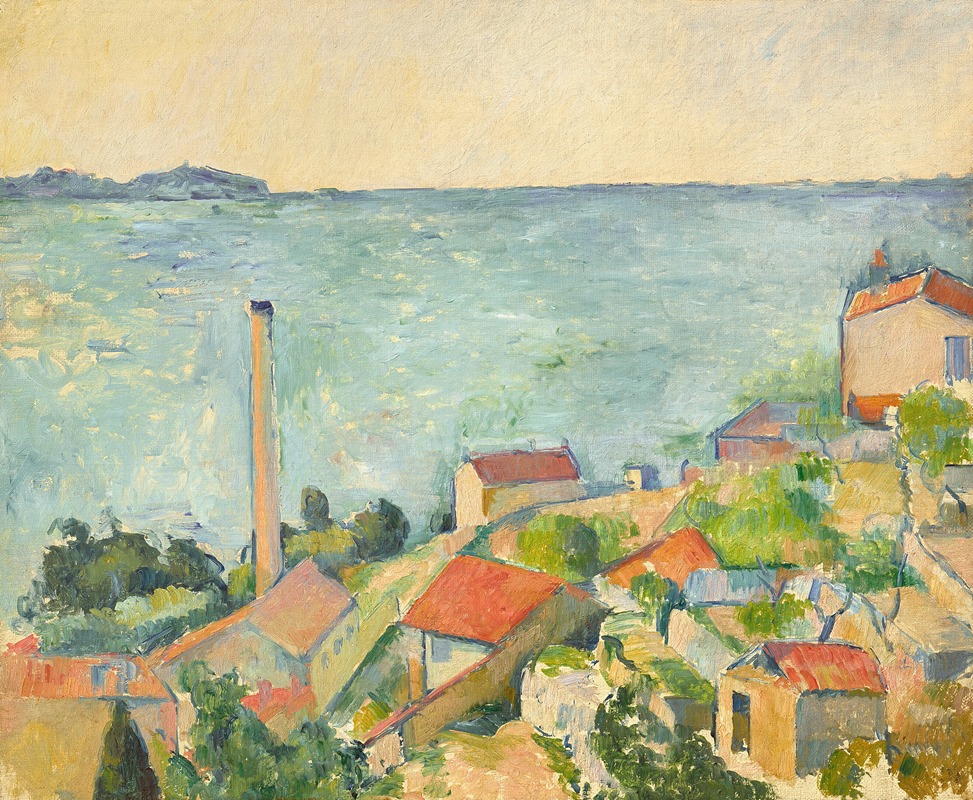
La mer à l’Estaque
Paul Cézanne
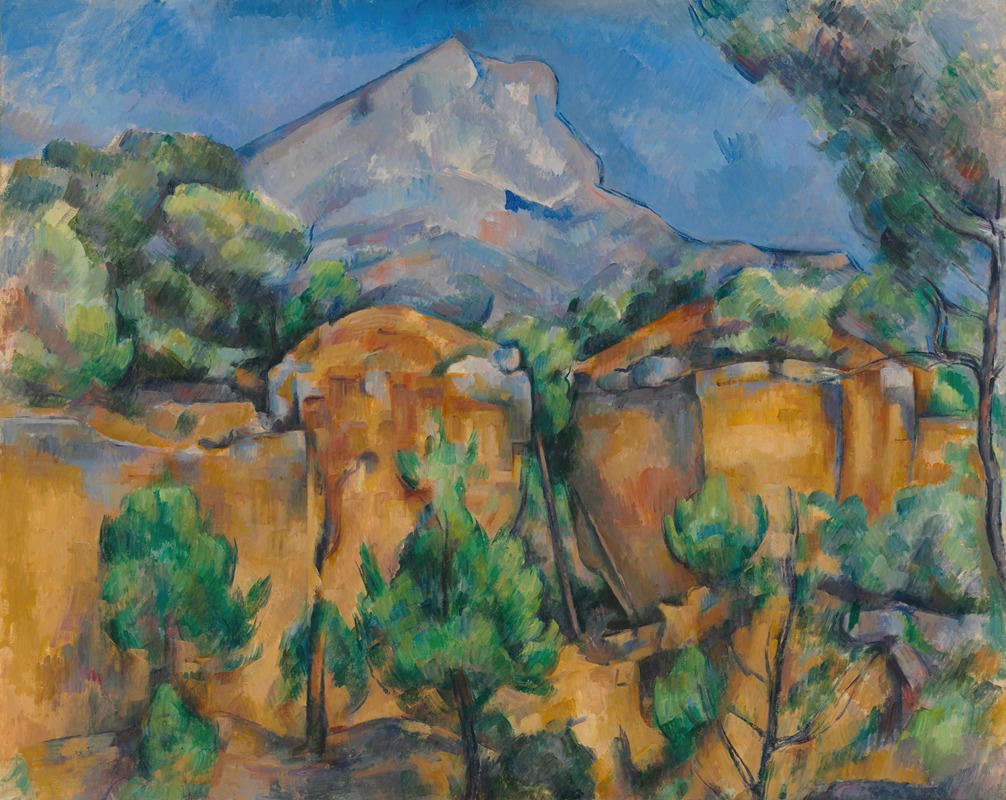
La Montagne Sainte-Victoire vue de la carrière Bibémus
Paul Cézanne
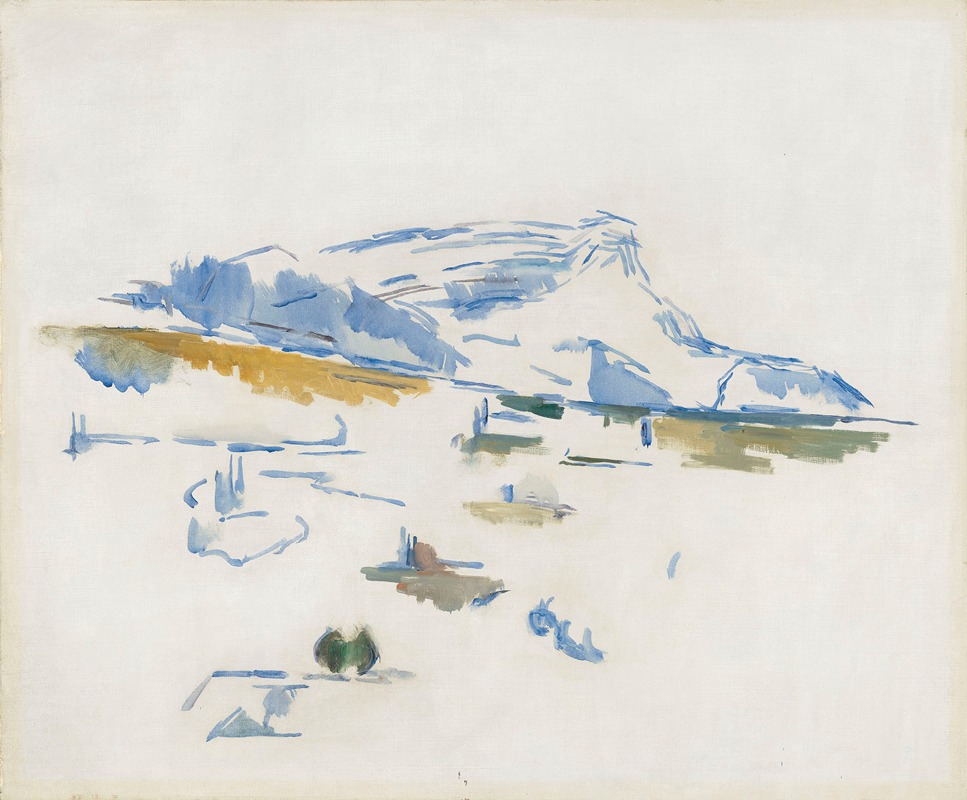
La Montagne Sainte-Victoire vue des Lauves
Paul Cézanne