
Study of a Seated Man in Profile — History & Facts
When Jean Auguste Dominique Ingres arrived in Rome in 1806 as a pensionnaire at the French Academy, he was still a young artist, hungry for recognition and deeply aware of the weight of tradition. Study of a Seated Man in Profile, executed in 1808, belongs to a group of academic studies that Ingres produced during this formative Roman period. What makes this drawing remarkable is that it was not intended for public exhibition or sale, but as a private exercise in observation and discipline—a glimpse into the rigorous training that shaped one of the 19th century’s most exacting eyes. The seated man, captured in strict profile, is rendered with an almost archaeological precision.
His posture is upright, hands resting quietly in his lap, the contours of his face and body described with a clarity that betrays Ingres’s devotion to line over painterly effects. The light falls evenly, eliminating distraction, and focusing attention on the anatomy and character of the sitter. Unlike the heroic nudes of David or the dramatic chiaroscuro of Géricault, Ingres here chooses restraint: there is no narrative, only the silent dignity of the model, transformed by the artist’s careful gaze into a study of human presence. The exact identity of the sitter remains unknown, and the medium—likely graphite or black chalk on paper—has not been definitively established.
Works like this were rarely signed or dated, and many have been separated from their original sketchbooks or academic portfolios. Study of a Seated Man in Profile has survived as a testament to Ingres’s relentless pursuit of perfection, bridging his early academic exercises and the refined portraiture that would later define his career. Today, it stands as both a document of artistic labor and a quiet celebration of the discipline that underpinned the Neoclassical movement.
More Artworks by Jean Auguste Dominique Ingres
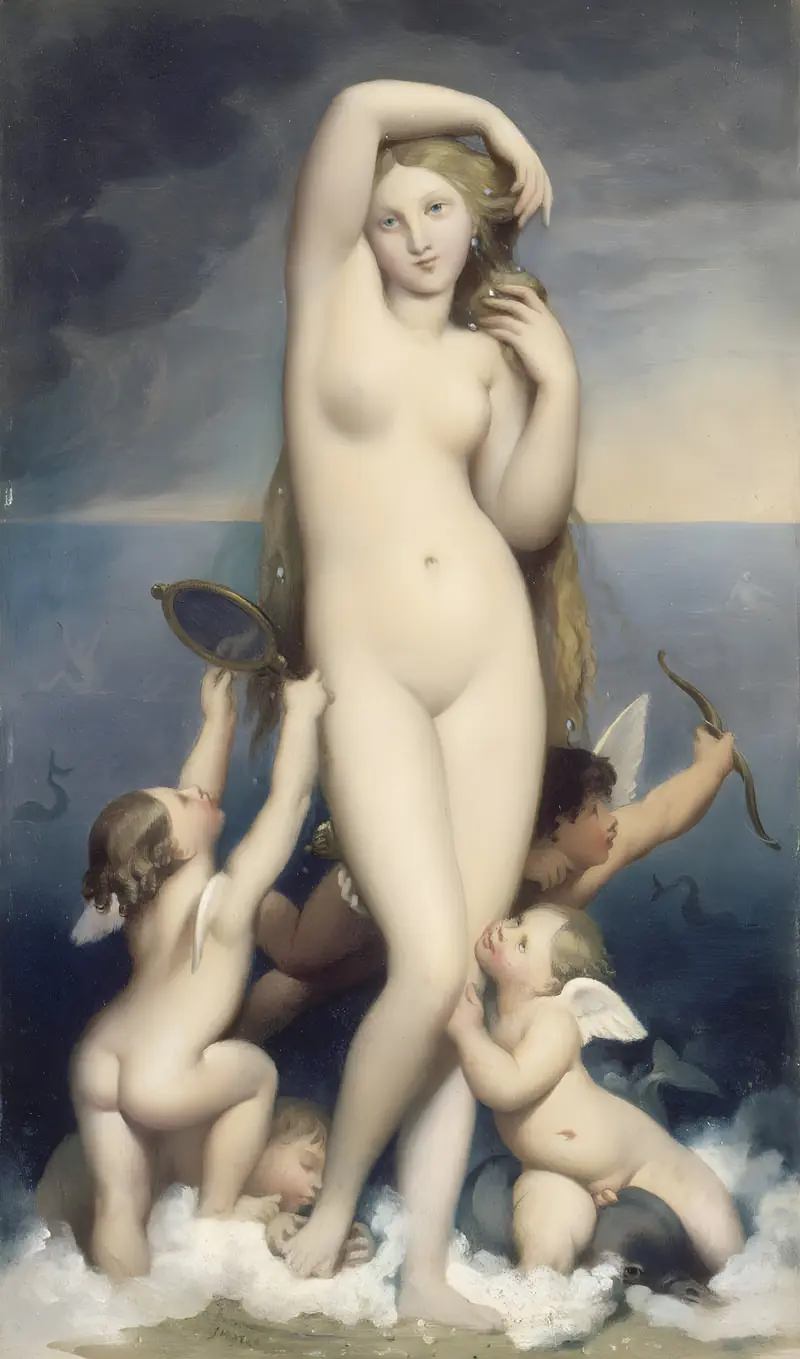
Vénus anadyomène
Jean Auguste Dominique Ingres
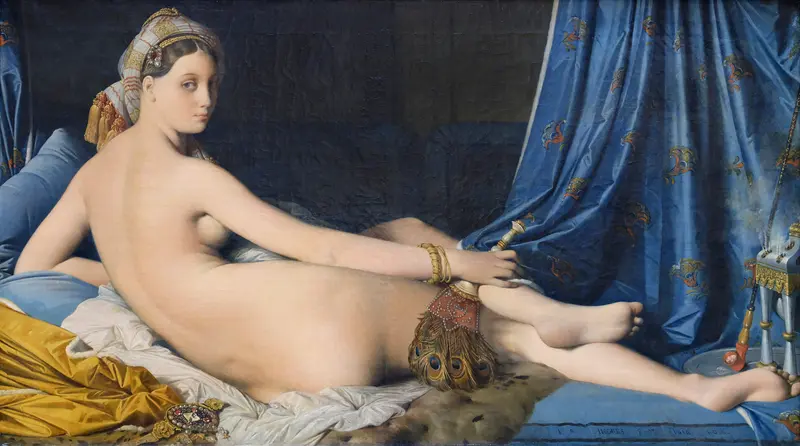
Grande Odalisque
Jean Auguste Dominique Ingres
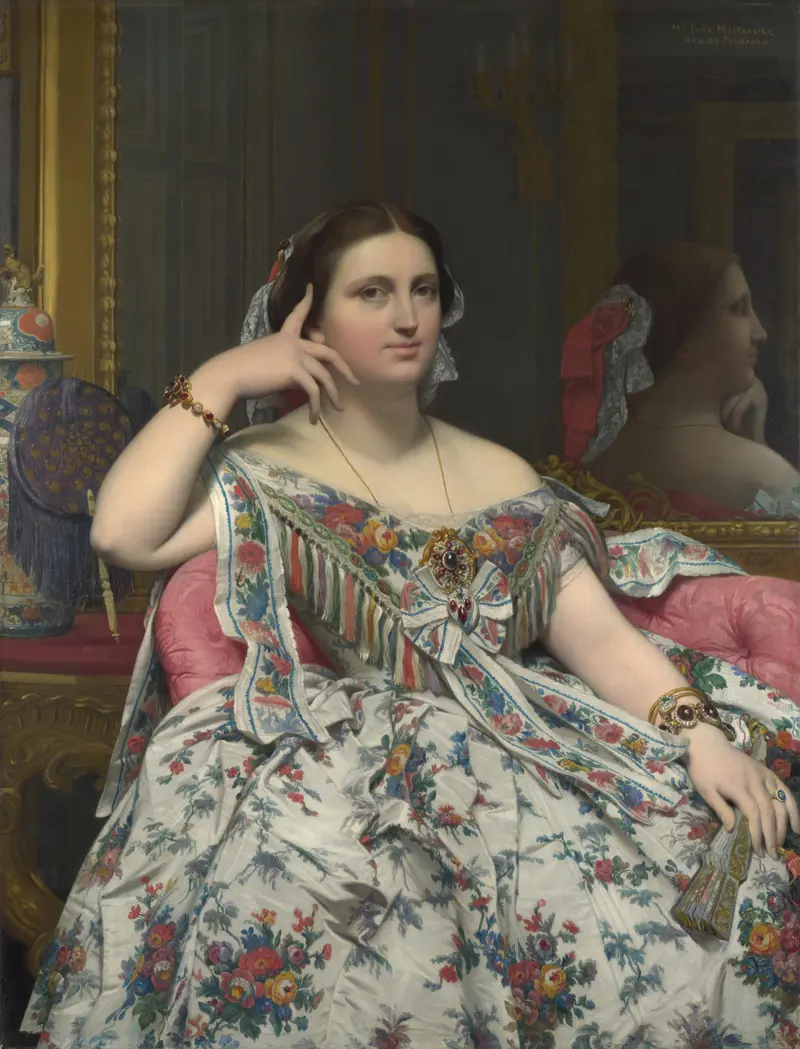
Madame Moitessier (seated)
Jean Auguste Dominique Ingres
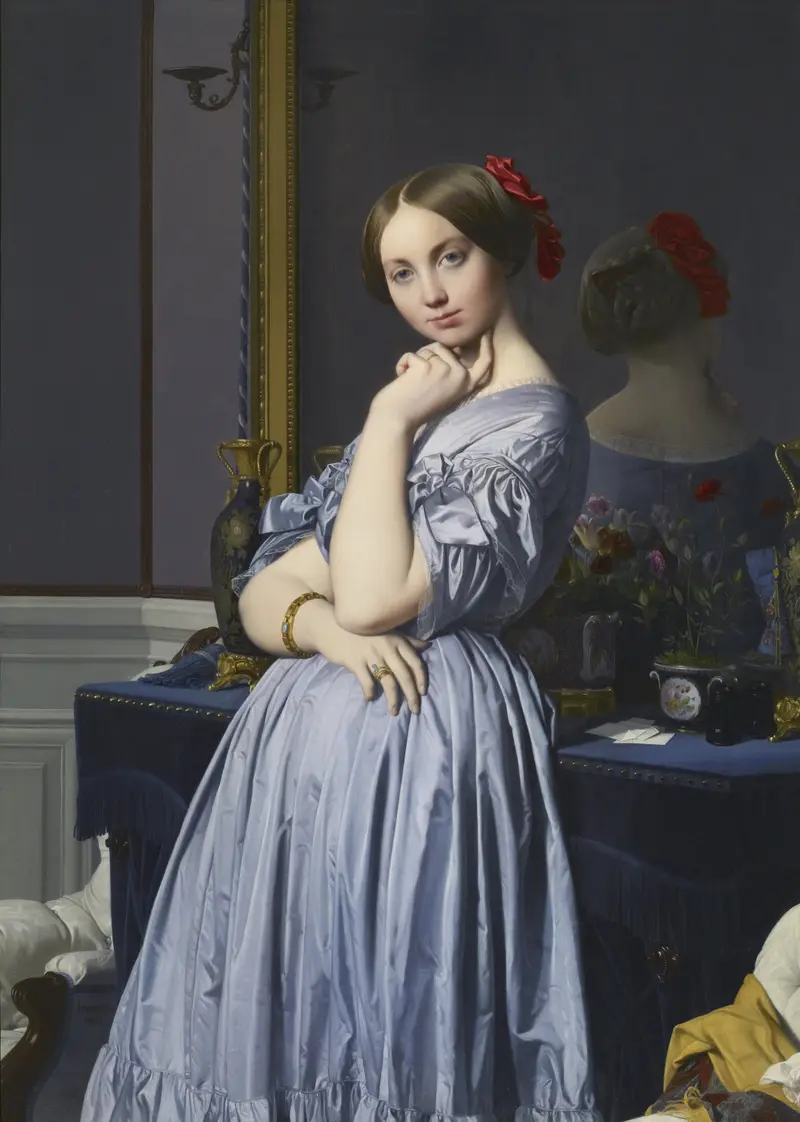
Portrait of Comtesse d’Haussonville
Jean Auguste Dominique Ingres
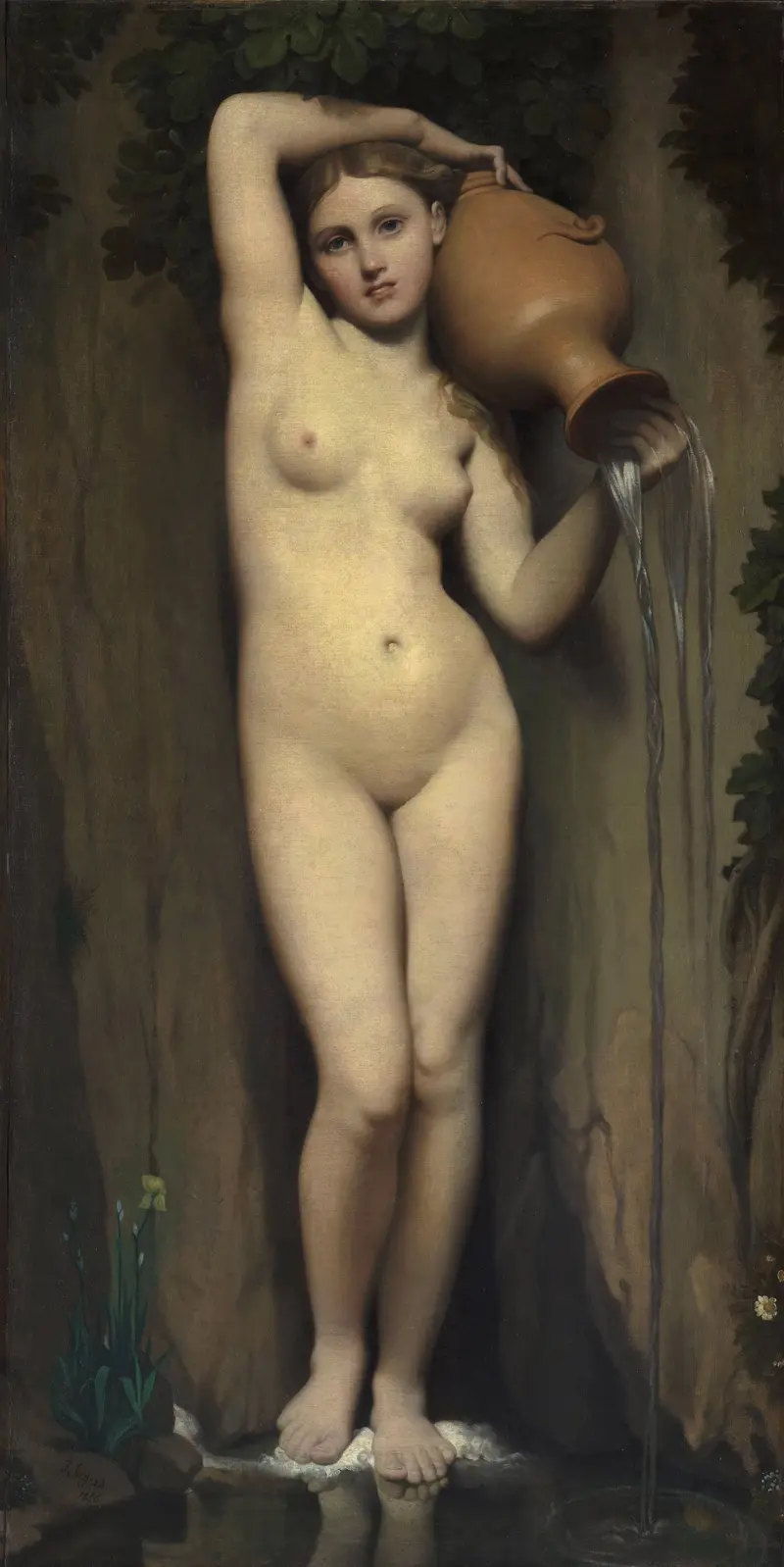
The Source
Jean Auguste Dominique Ingres
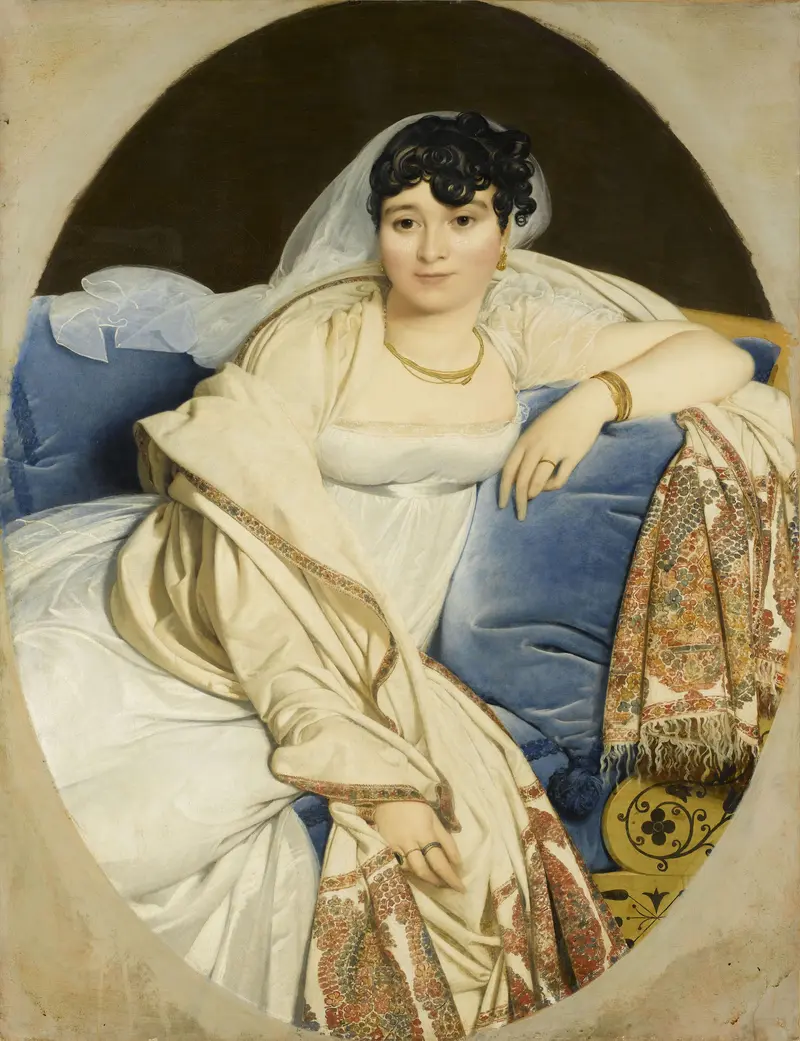
Madame Rivière
Jean Auguste Dominique Ingres

Madame Jean-Auguste-Dominique Ingres, née Madeleine Chapelle
Jean Auguste Dominique Ingres

Portrait of a Lady
Jean Auguste Dominique Ingres
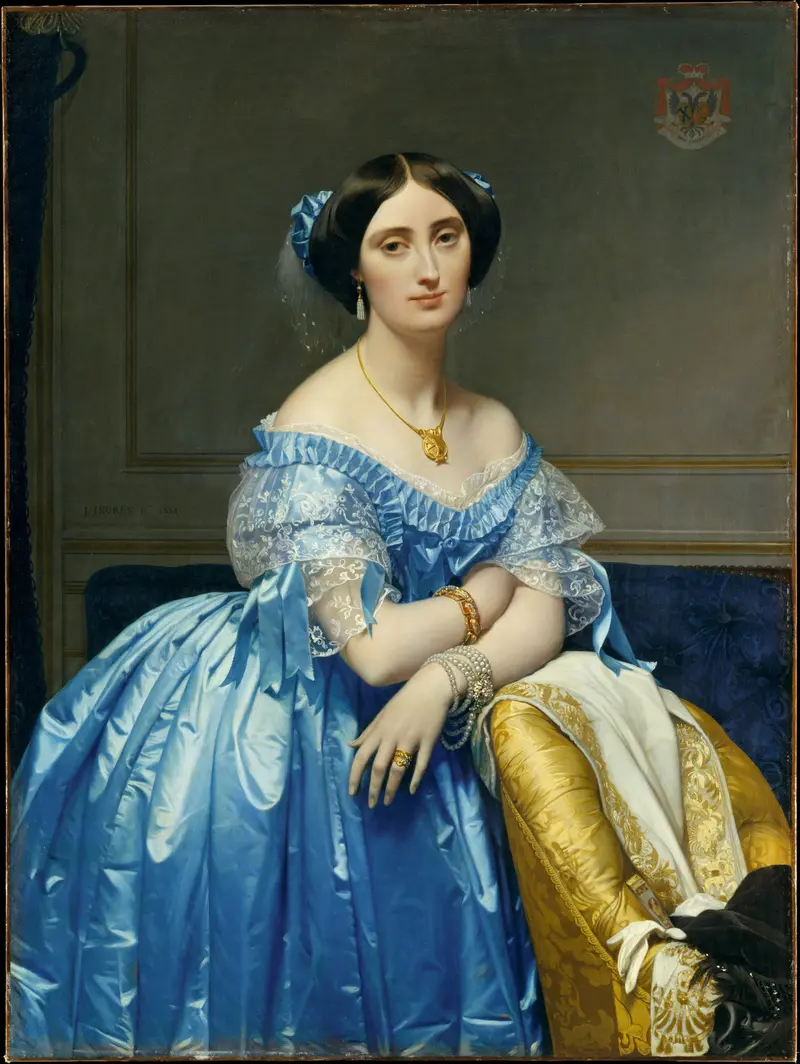
Joséphine-Éléonore-Marie-Pauline de Galard de Brassac de Béarn (1825–1860), Princesse de Broglie
Jean Auguste Dominique Ingres
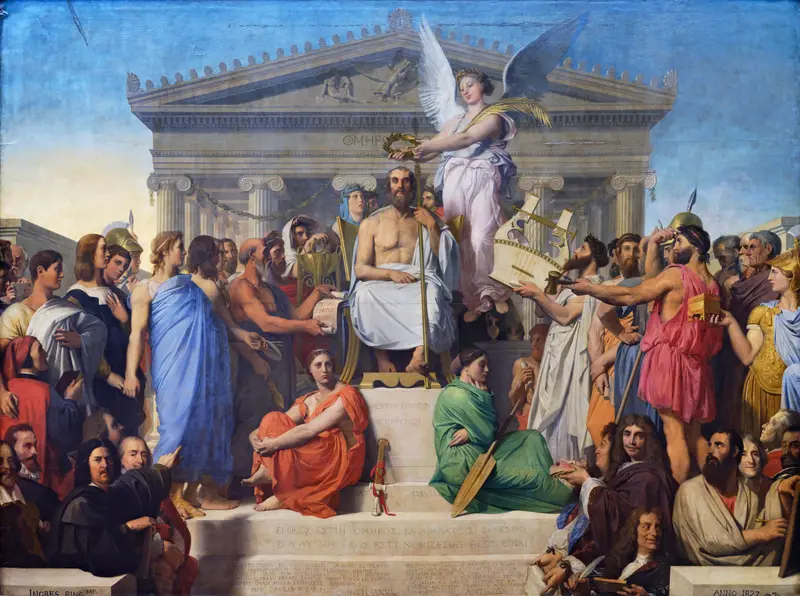
The Apotheosis of Homer
Jean Auguste Dominique Ingres




