Study of ivy — History & Facts
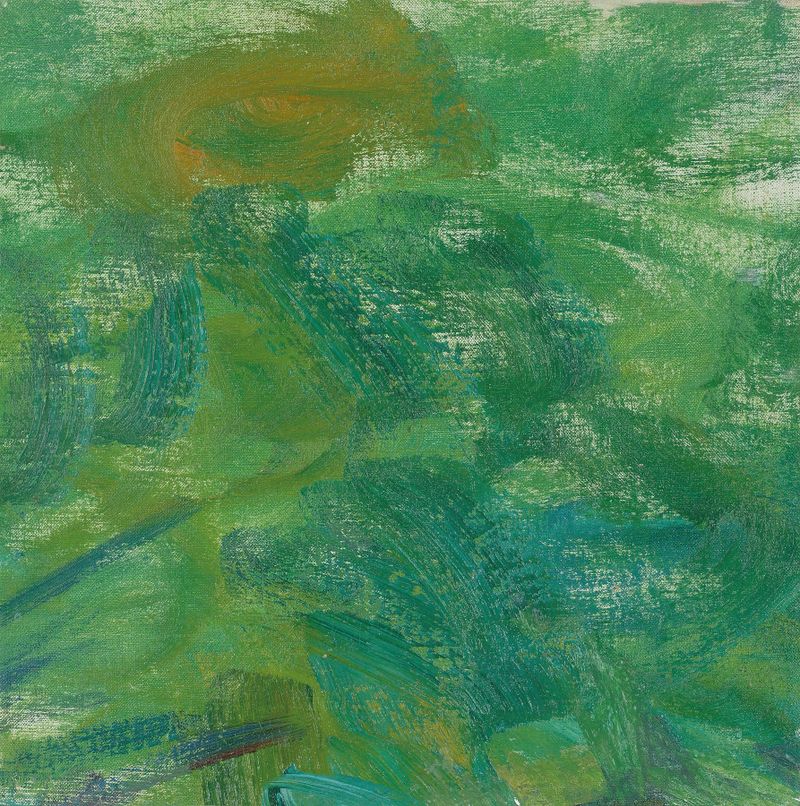
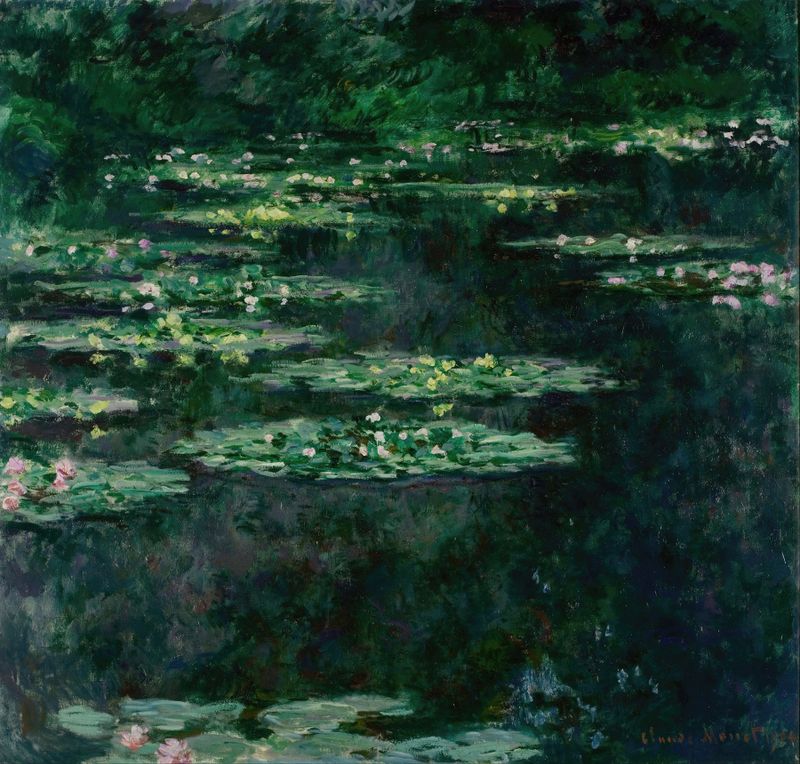
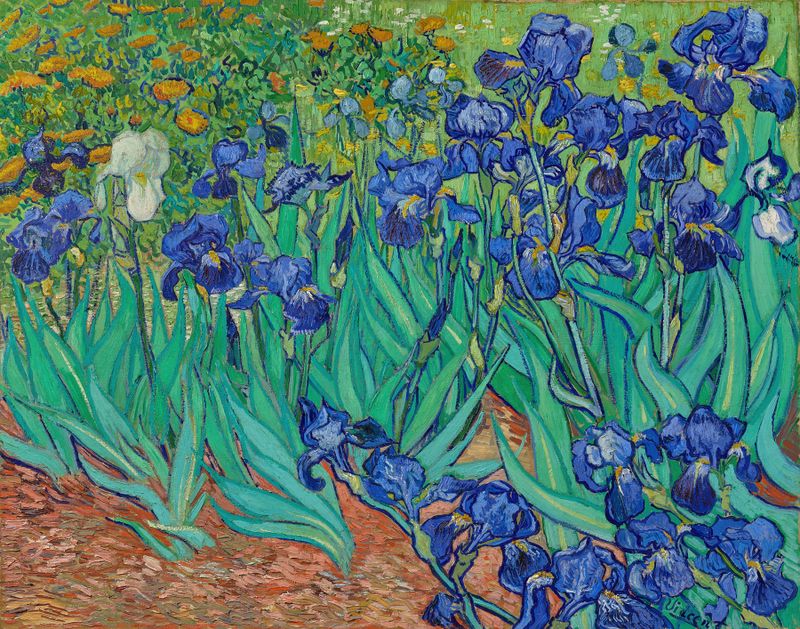
When did color learn to lie? The art of creation is imbued with the duality of truth and illusion, a dance between the reality of nature and the artist’s interpretation. Look closely at the lush ivy that unfurls in the foreground. Notice how the artist captures the intricate veins of each leaf, a testament to meticulous observation. The muted greens blend harmoniously with earthy browns, while soft shadows create a sense of depth, inviting the viewer to explore the foliage’s delicate textures.
The gentle brushwork lends a lifelike quality, making the ivy appear as if it might sway with the slightest breath of wind. This painting reveals more than mere botanical detail; it encapsulates the contrast between wildness and control. The ivy, often seen as a symbol of resilience and tenacity, clings tenaciously to its surroundings, hinting at themes of growth and adaptability. Meanwhile, the subtle palette speaks to the artist’s contemplation of nature’s complexities and the emotions entwined within.
The interplay of light and shadow not only enhances the ivy's physical form but also evokes a sense of tranquility, inviting reflection on the passage of time. During the early 19th century, Peter De Wint was establishing himself in England as a prominent watercolorist. This period marked a shift towards a more naturalistic representation of landscapes and flora, as artists sought to capture the essence of their subjects in innovative ways. De Wint, influenced by the Romantic movement, embraced the beauty of the ordinary, finding inspiration in everyday scenes and the intricate details of the natural world around him.
More Artworks by Peter De Wint
Browse all →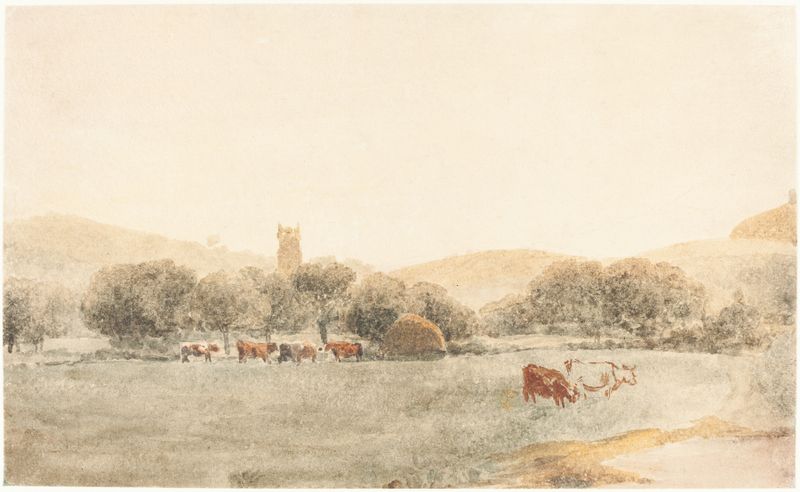
A Meadow with Cattle near Glastonbury
Peter De Wint
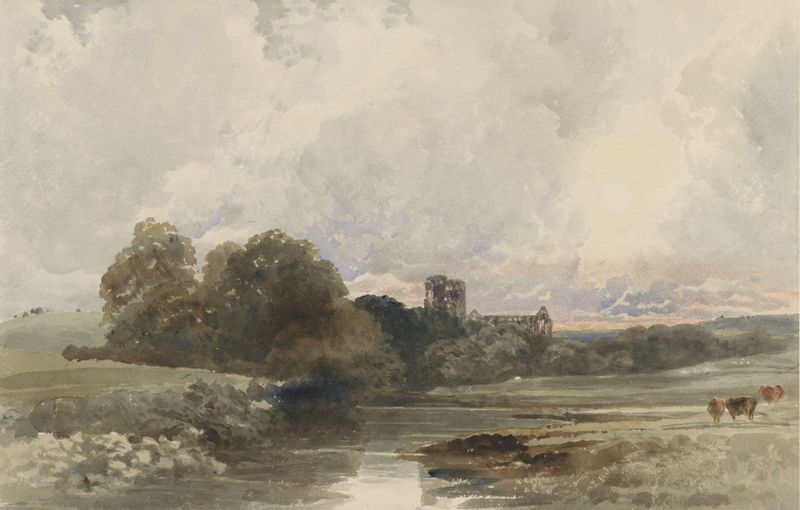
Avondlandschap met de ruïne van Kirkstall Abbey, Yorkshire
Peter De Wint
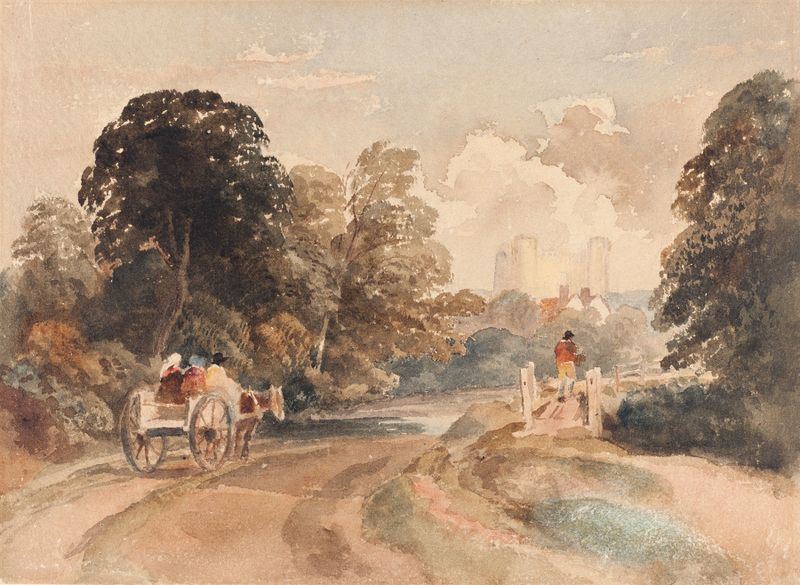
Landscape
Peter De Wint

Welsh Landscape with Cattle
Peter De Wint
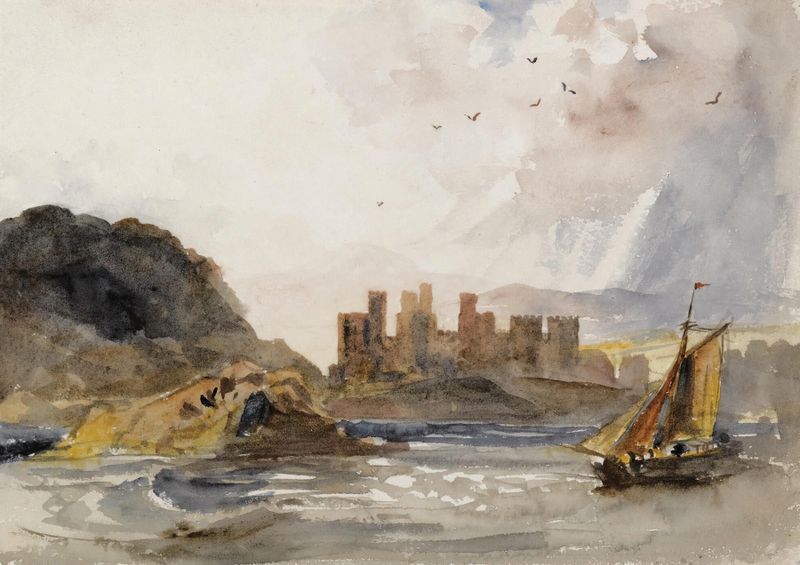
Conway Castle, North Wales
Peter De Wint

Evening on the Foss Dyke near Lincoln
Peter De Wint
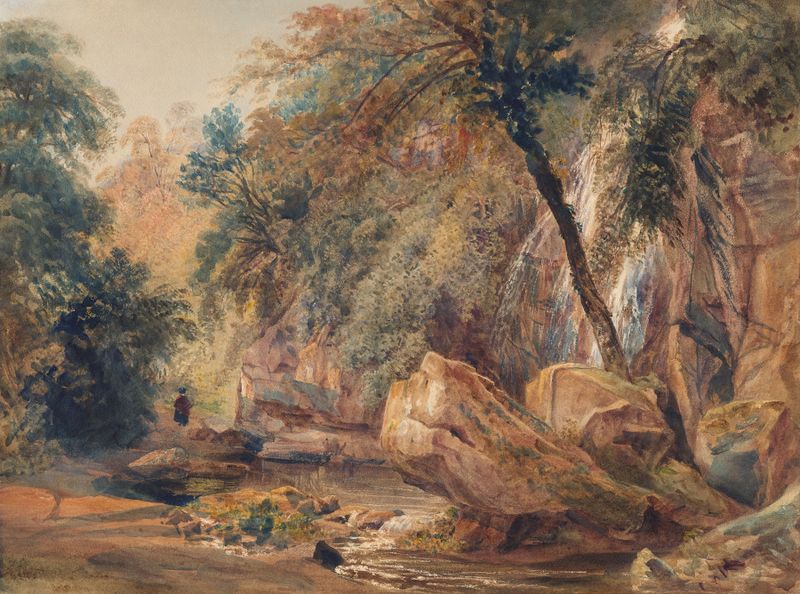
Waterfall in the Dingle at Badger Hall
Peter De Wint

Harvesting
Peter De Wint

Neath Abbey
Peter De Wint

Farmyard at Compton
Peter De Wint