
Discover insights about this artwork
Study of the Allegorical Figure Bellona in Rubens’ ‘The Apotheosis of Henri IV’ — History & Facts
In Study of the Allegorical Figure Bellona in Rubens’ ‘The Apotheosis of Henri IV’, Paul Cézanne presents a striking figure of Bellona, the Roman goddess of war. The painting features a vibrant palette, with rich reds and deep blues dominating the composition. Bellona is depicted in a dynamic pose, suggesting movement and energy.
The background is less defined, allowing the figure to stand out prominently. Cézanne employs oil on canvas to create this work, showcasing his unique brushwork and color application. The dimensions are approximately 60 x 80 cm, making it a medium-sized painting. The use of light and shadow adds depth to Bellona's form, enhancing her presence.
The painting reflects Cézanne's interest in form and structure, characteristic of his Post-Impressionist style. Paul Cézanne, a pivotal figure in the transition from 19th-century Impressionism to 20th-century Modernism, created this study in the 1890s. This work reflects his fascination with the allegorical figure of Bellona, which he interpreted through his own lens. Interestingly, this piece serves as a bridge between traditional allegorical representation and Cézanne's innovative approach to form.
It highlights his ability to blend classical themes with modern techniques.
More Artworks by Paul Cézanne
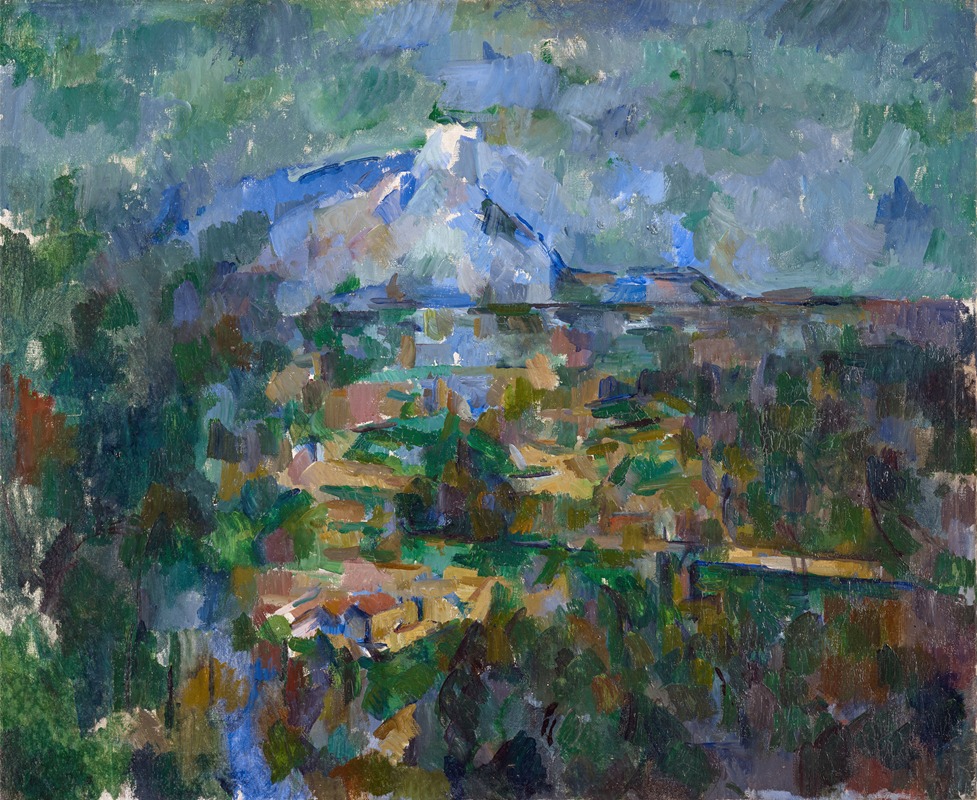
The Mont Sainte-Victoire Seen From Les Lauves
Paul Cézanne
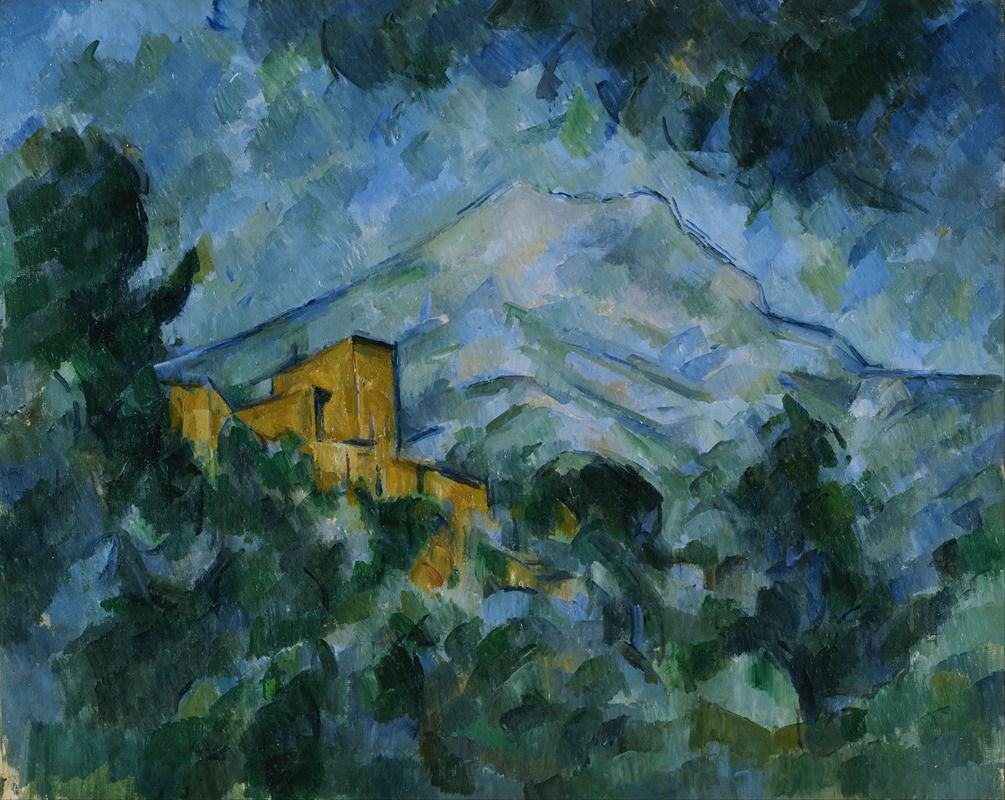
Mont Sainte-Victoire and Château Noir
Paul Cézanne
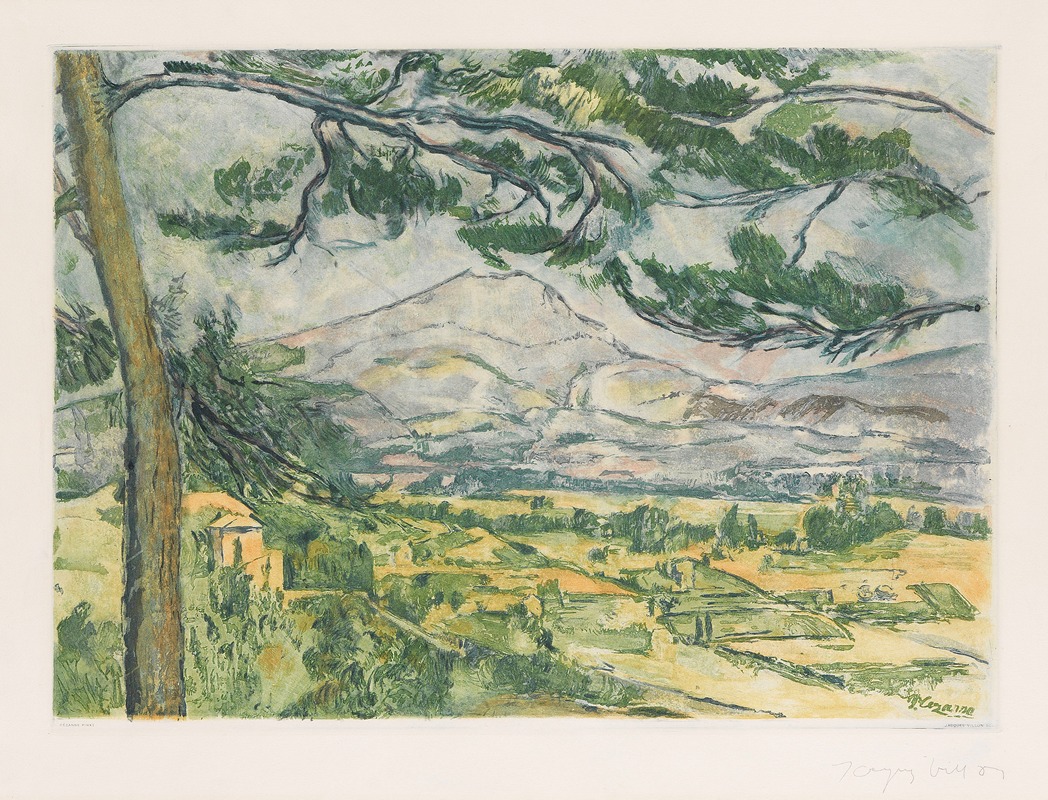
La Montagne Sainte-Victoire
Paul Cézanne
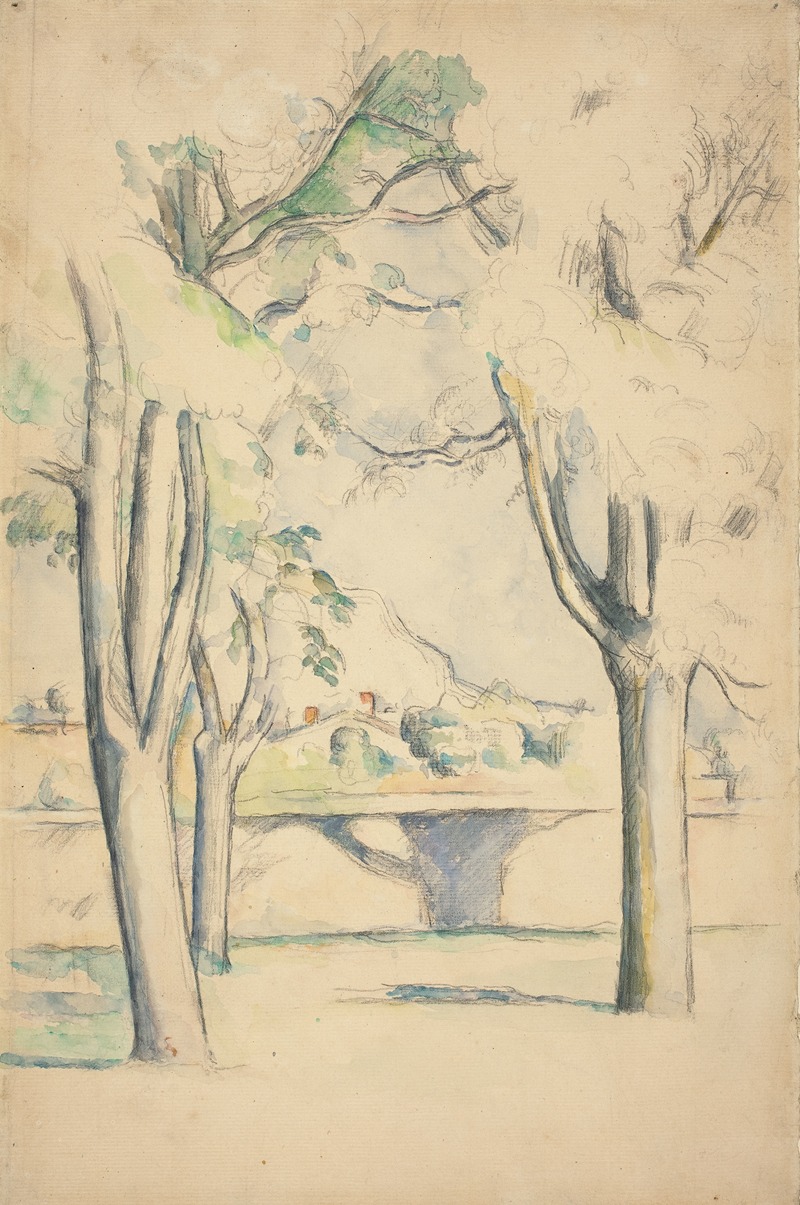
Mont Sainte-Victoire Seen beyond the Wall of the Jas de Bouffan
Paul Cézanne
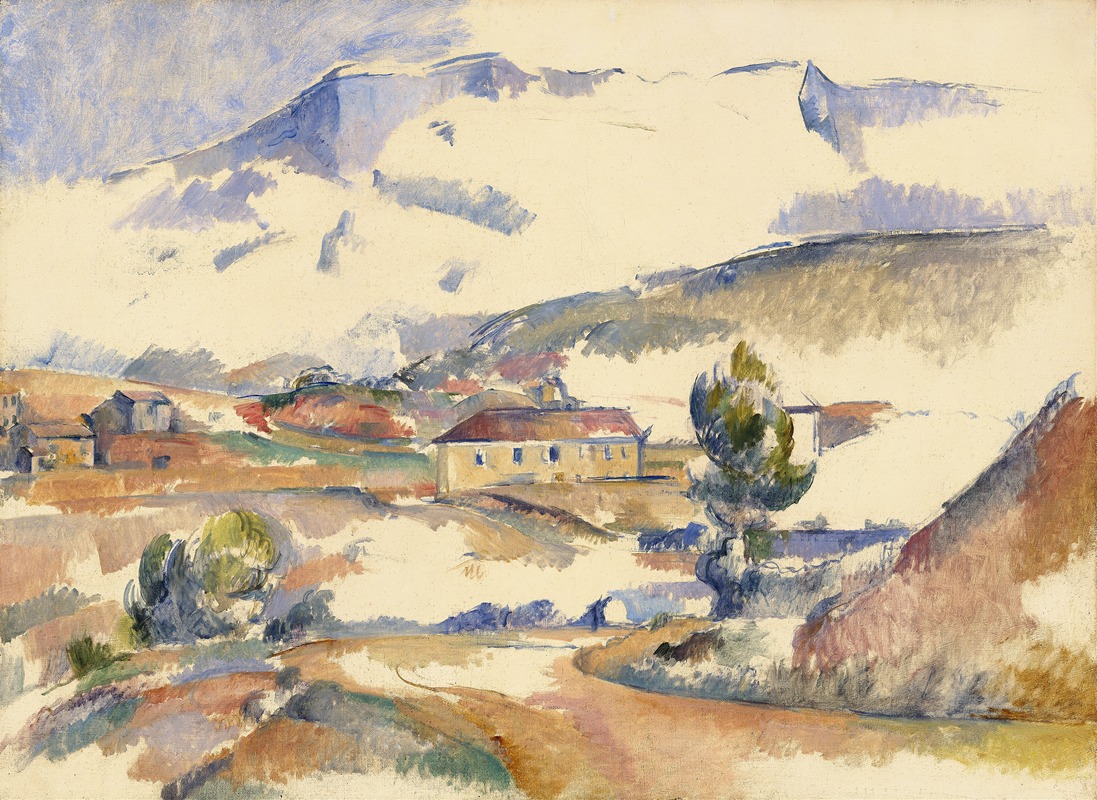
Montagne Sainte-Victoire,from near Gardanne
Paul Cézanne
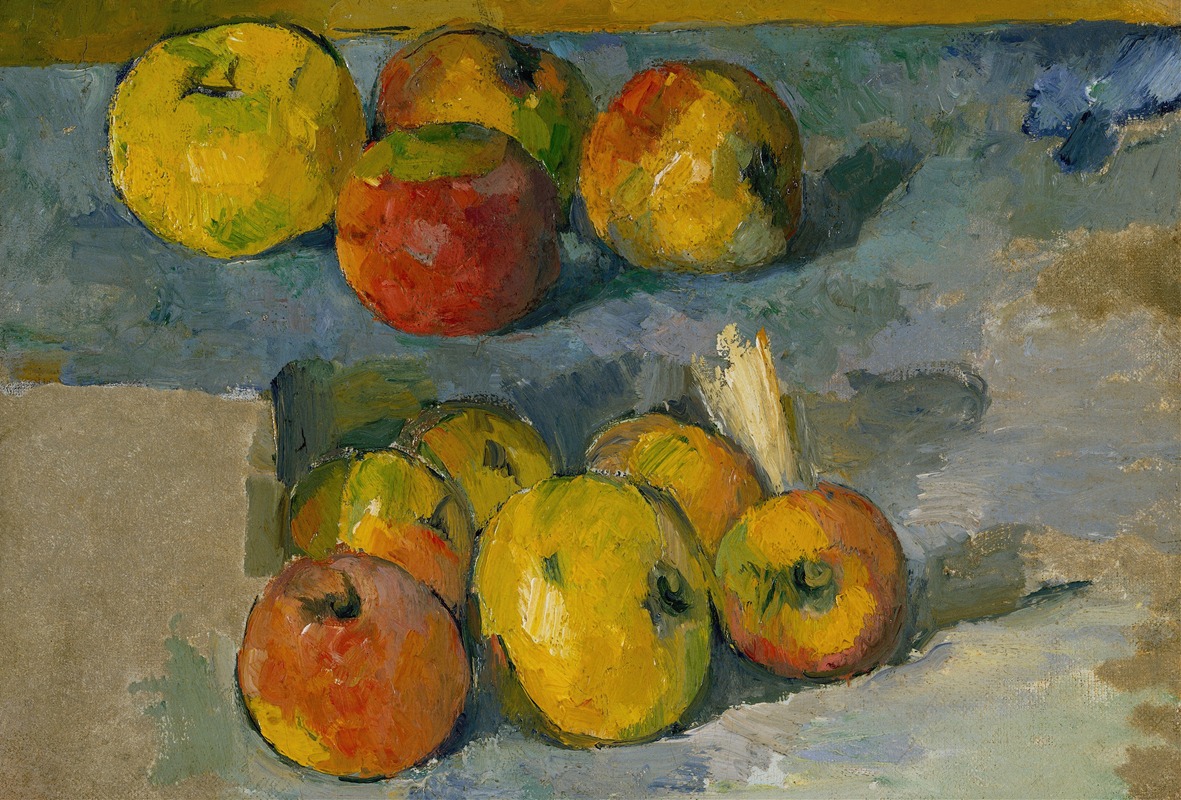
Apples
Paul Cézanne
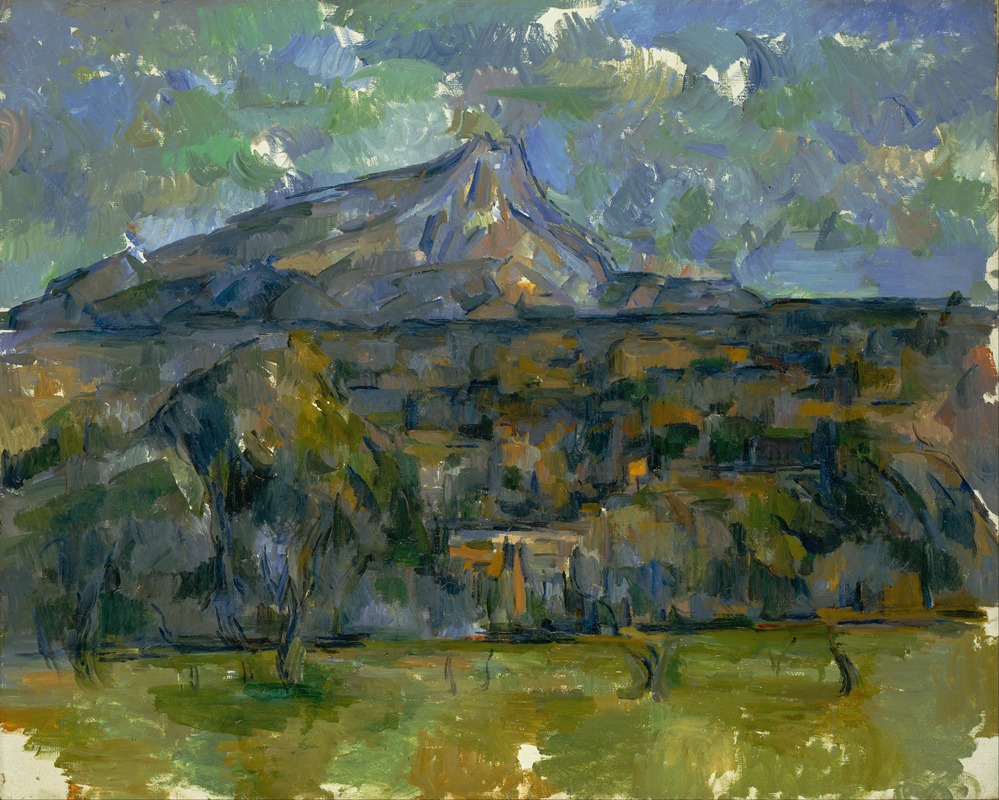
Mont Sainte-Victoire
Paul Cézanne
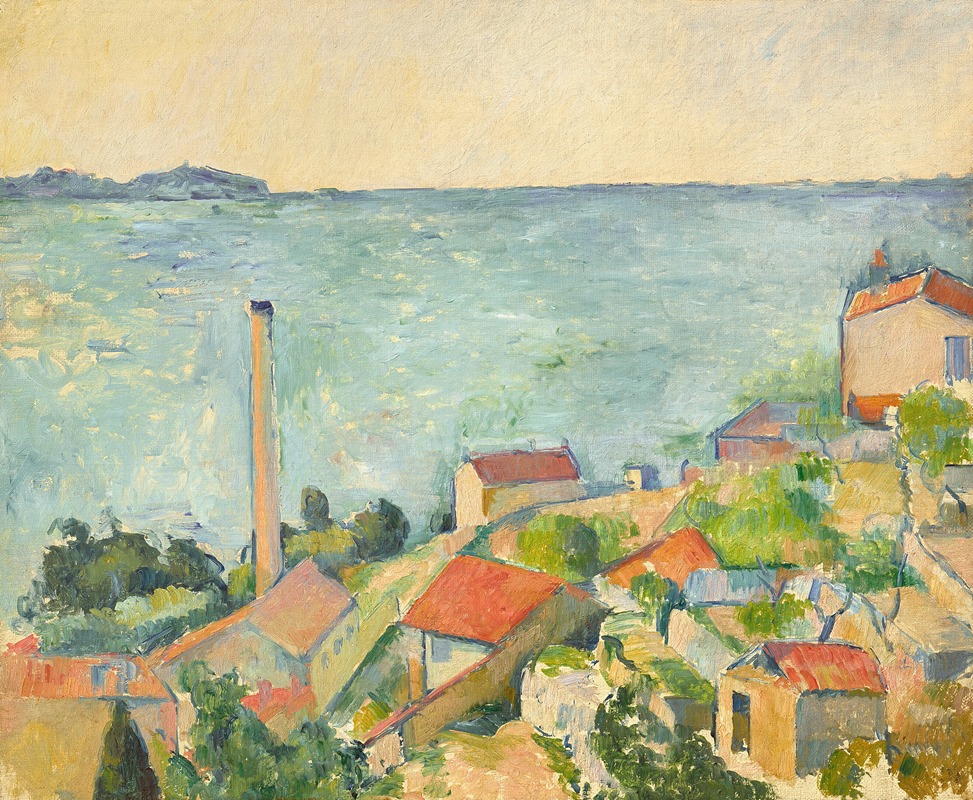
La mer à l’Estaque
Paul Cézanne
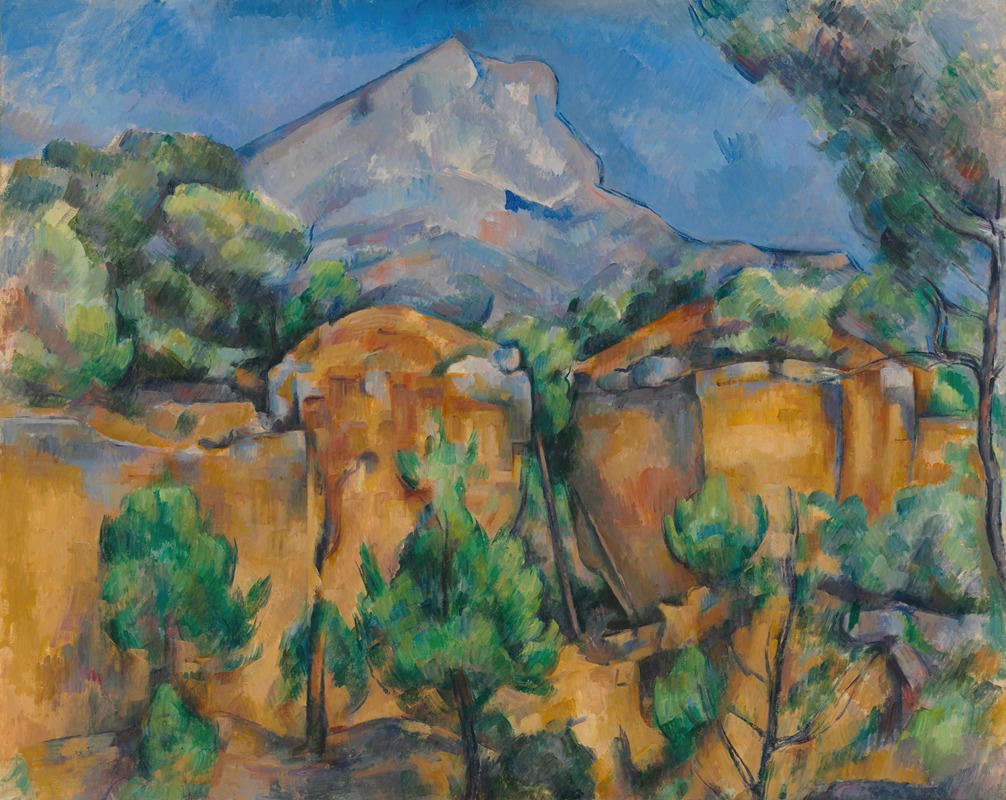
La Montagne Sainte-Victoire vue de la carrière Bibémus
Paul Cézanne
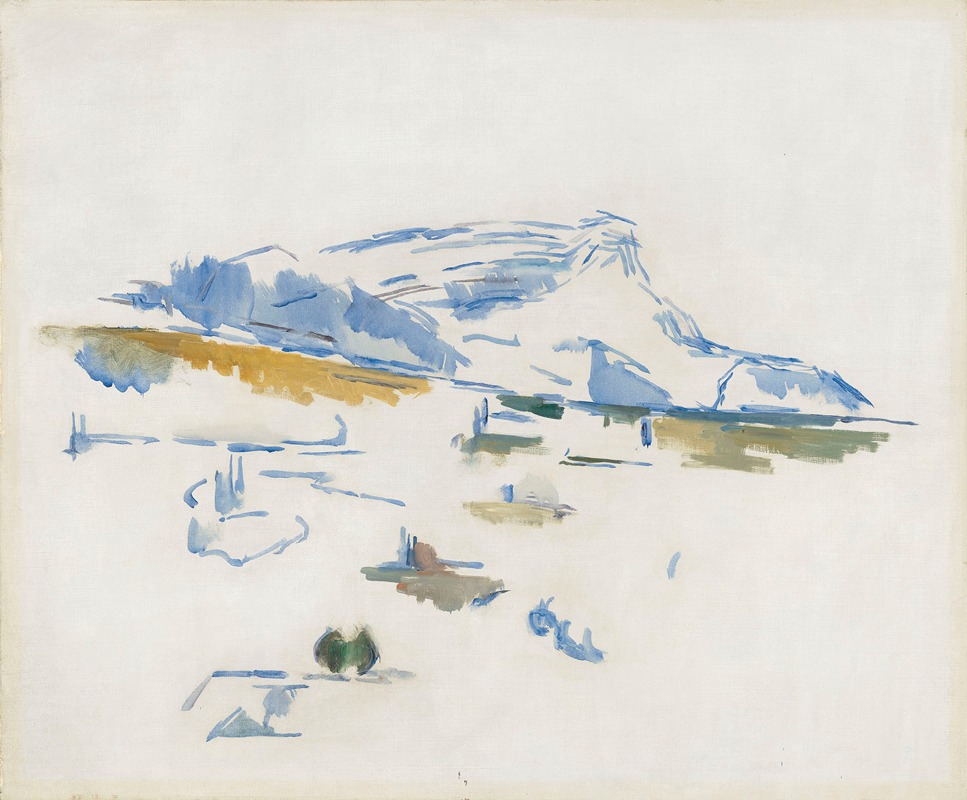
La Montagne Sainte-Victoire vue des Lauves
Paul Cézanne
More Allegory Art
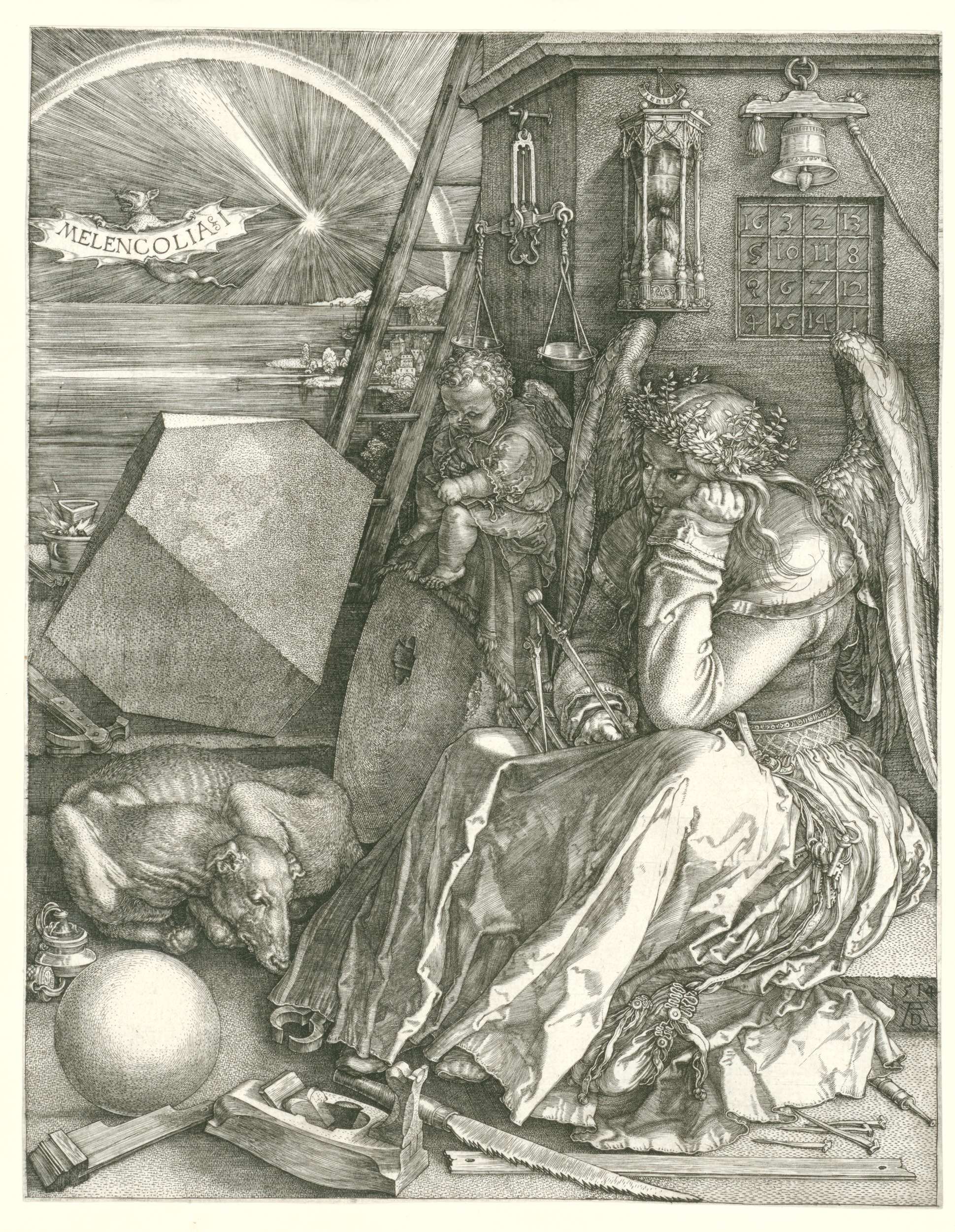
Melancholia
Albrecht Dürer
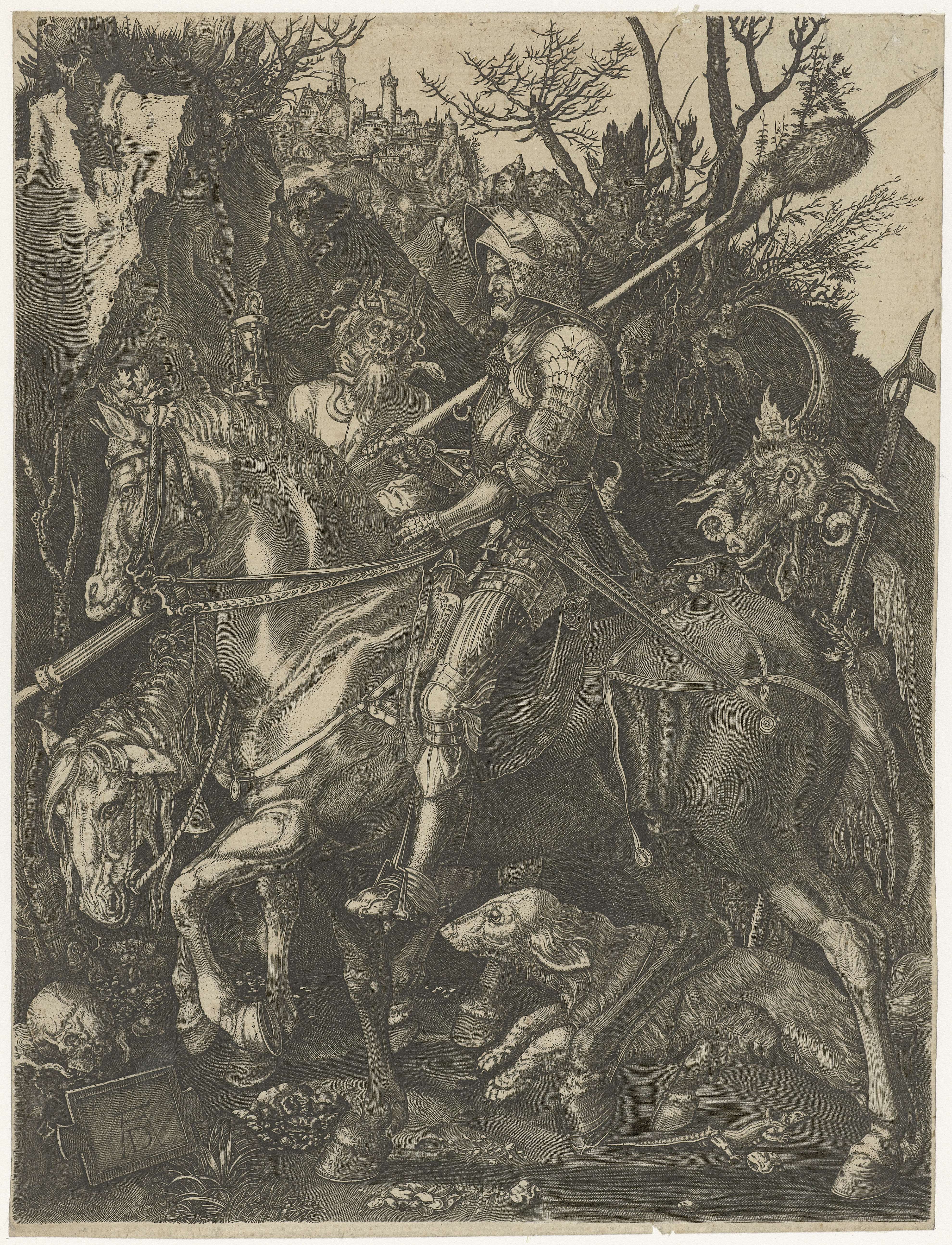
Ridder, Dood en Duivel
Unknown Artist
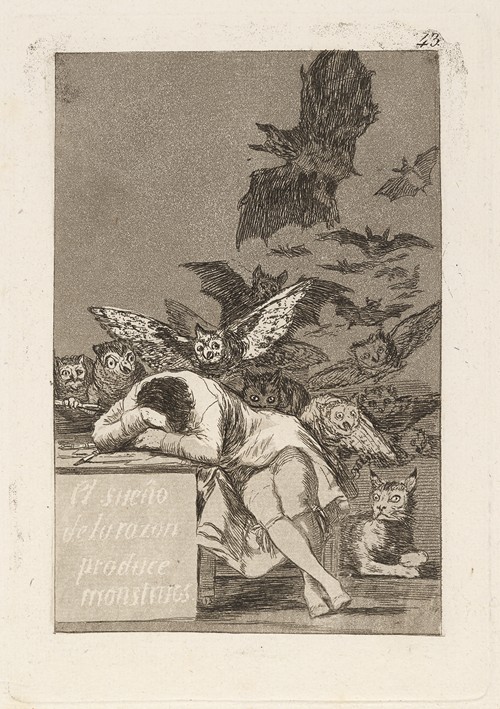
El sueño de la razon produce monstruos. (The sleep of reason produces monsters.)
Francisco de Goya
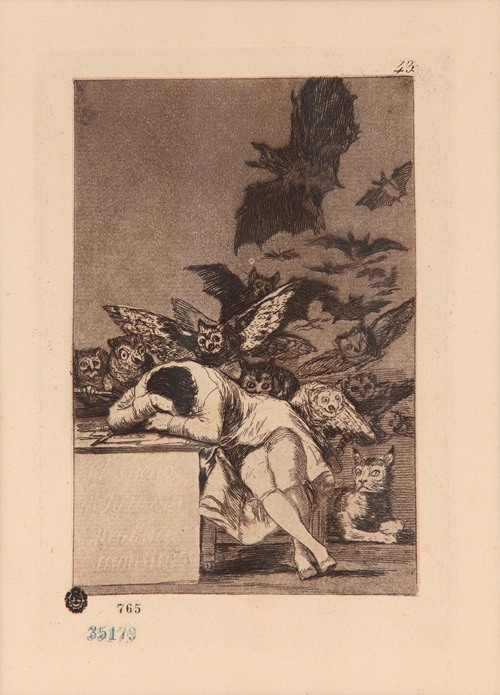
El sueño de la razon produce moustruos (Serie Caprichos)
Francisco de Goya
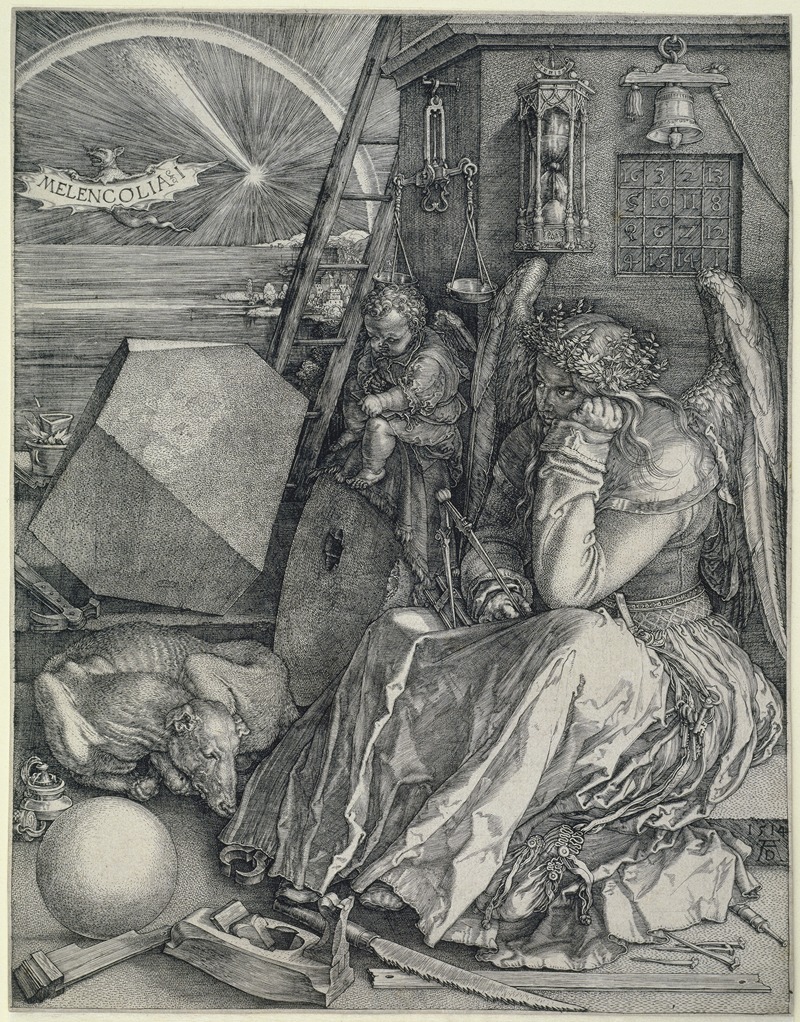
Melencolia I (The Melancholy)
Albrecht Dürer
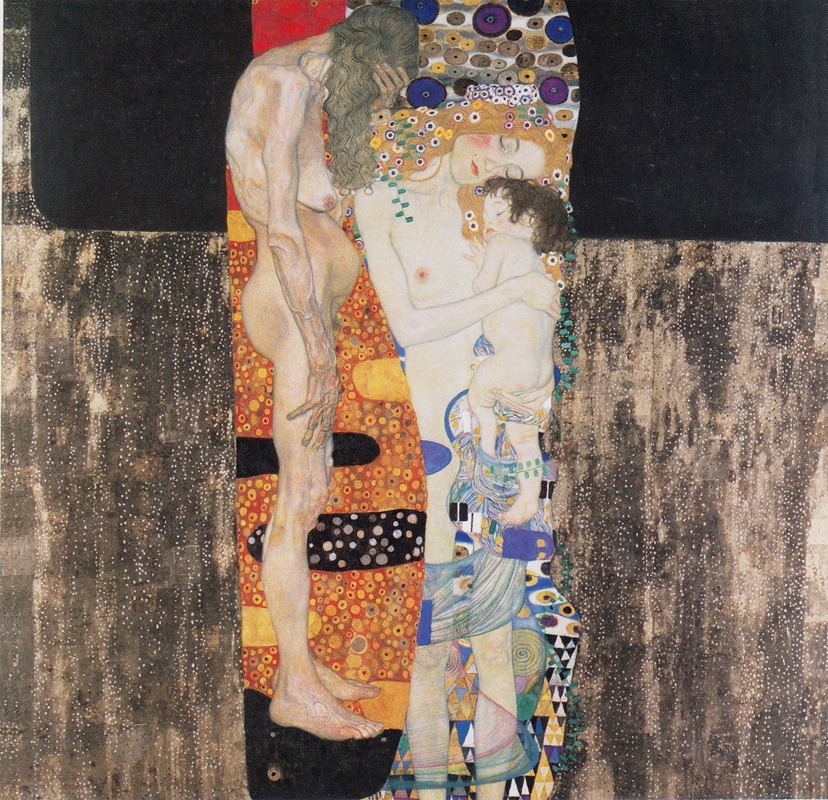
The Three Ages of the Woman
Gustav Klimt