
Discover insights about this artwork
Study of the Allegorical Figure of the Genius of Health from Rubens’ ‘The Birth of Louis XIII at Fontainbleau’ — History & Facts
In Study of the Allegorical Figure of the Genius of Health, Paul Cézanne presents a vibrant composition filled with rich colors. The figure, representing health, is depicted with flowing lines and a dynamic pose. Surrounding elements are rendered in a way that emphasizes the figure's importance.
The overall palette is warm, with yellows, greens, and soft blues creating a harmonious atmosphere. Cézanne's technique is evident in the brushwork, which combines thick strokes with delicate touches. The use of color is particularly striking, as he blends hues to create depth and dimension. The painting is executed in oil on canvas, allowing for a rich texture and layering of paint.
Viewers can appreciate the careful attention to detail in the figure's anatomy and surrounding elements. Paul Cézanne, a key figure in Post-Impressionism, often explored themes of nature and human experience. This work, created in the 1890s, reflects his interest in allegorical subjects, drawing inspiration from earlier artists like Rubens. Interestingly, this study serves as a bridge between classical themes and modern interpretations.
Cézanne's unique approach to form and color continues to influence artists today.
More Artworks by Paul Cézanne
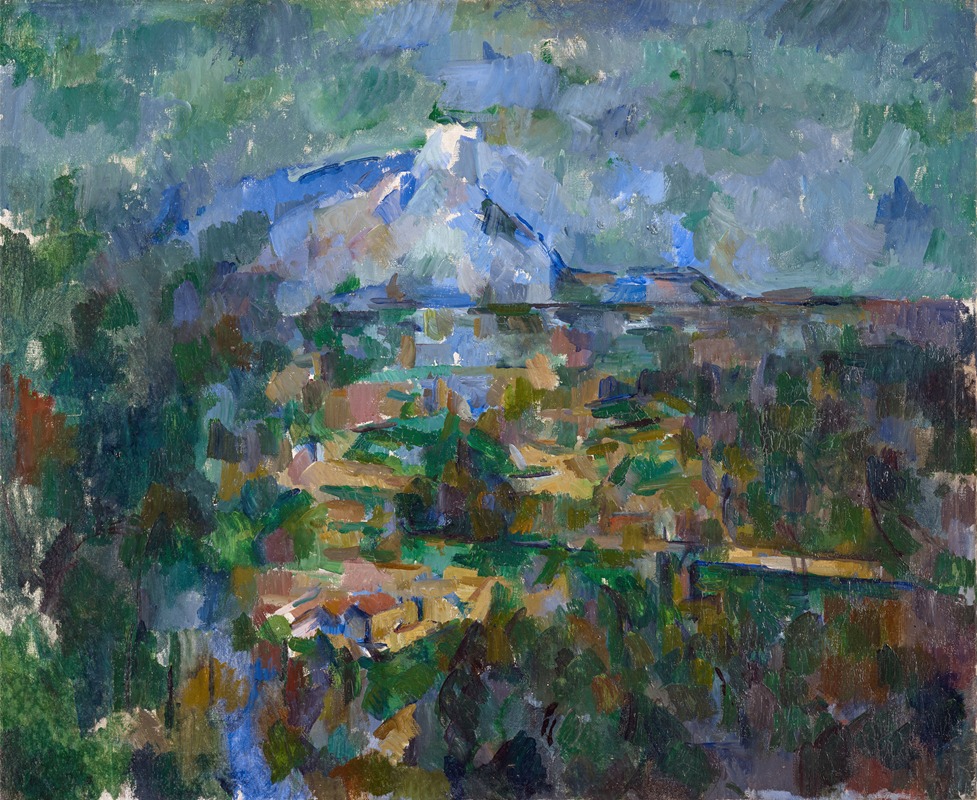
The Mont Sainte-Victoire Seen From Les Lauves
Paul Cézanne
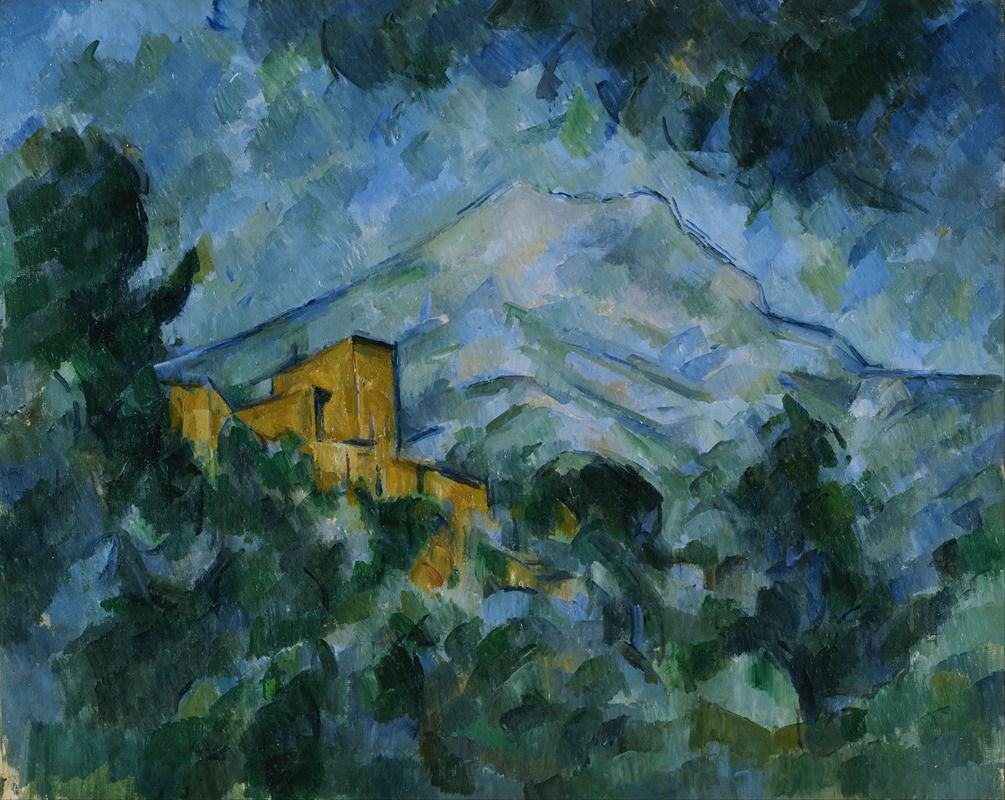
Mont Sainte-Victoire and Château Noir
Paul Cézanne
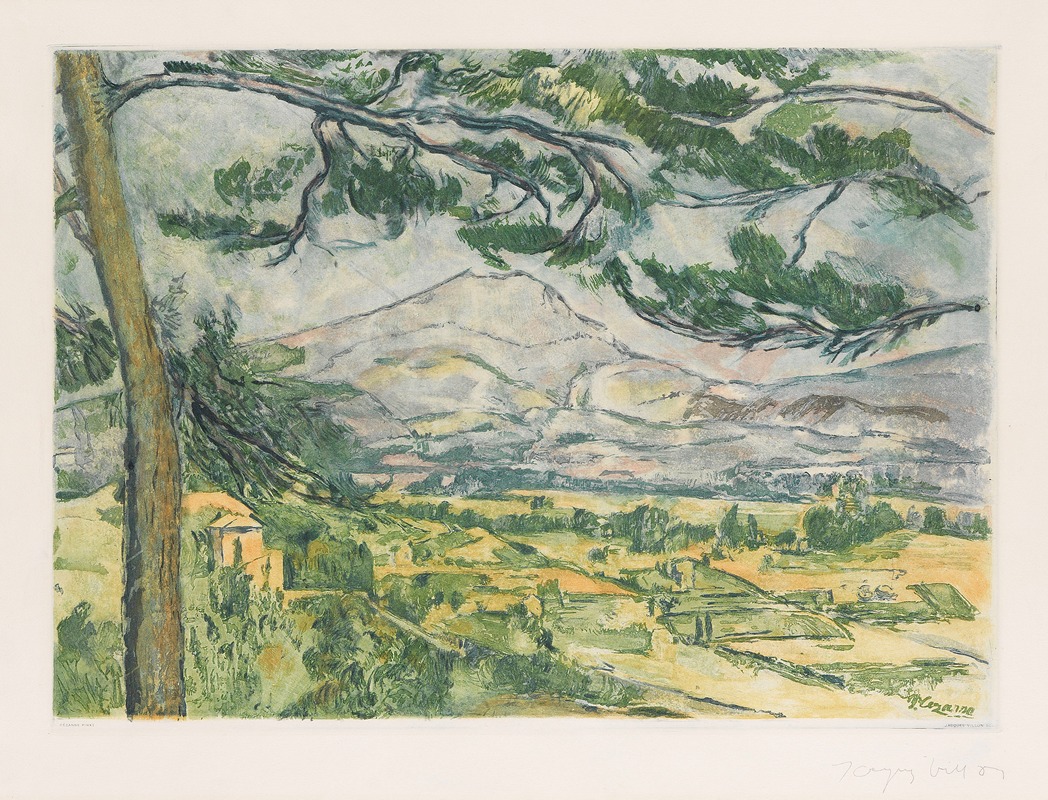
La Montagne Sainte-Victoire
Paul Cézanne
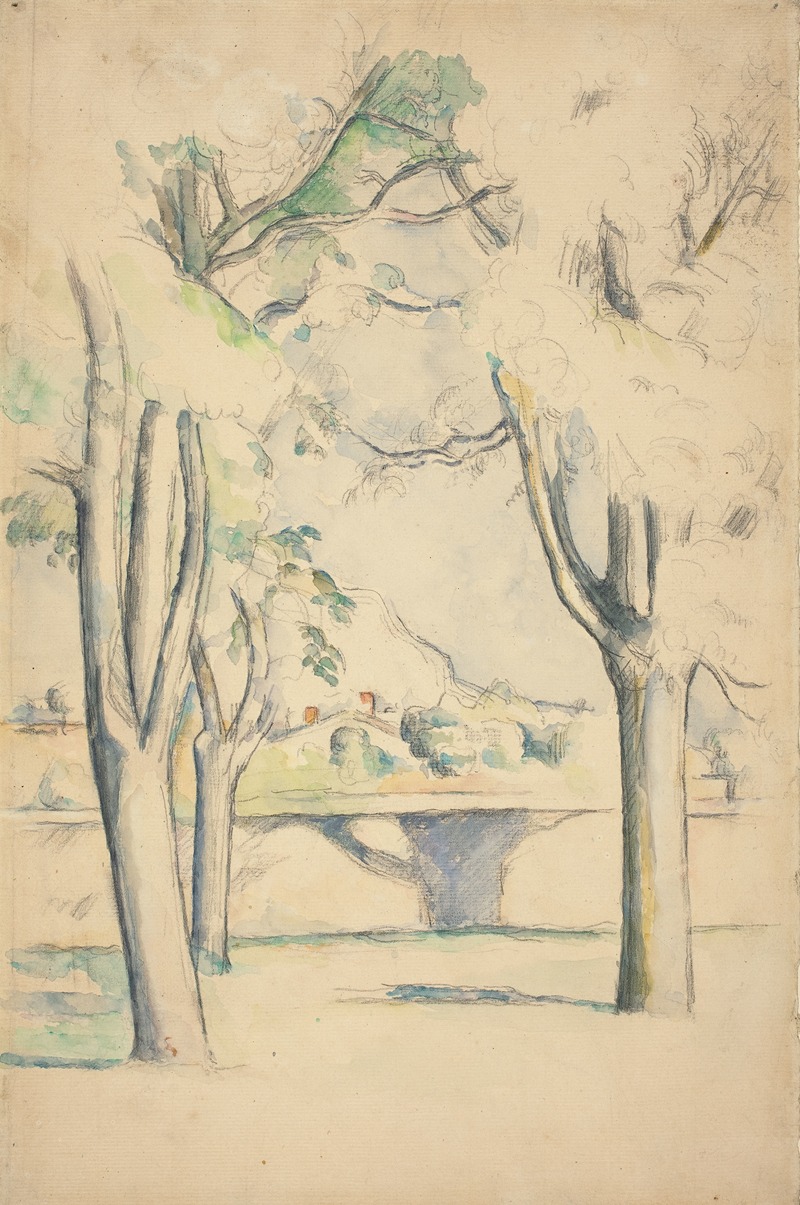
Mont Sainte-Victoire Seen beyond the Wall of the Jas de Bouffan
Paul Cézanne
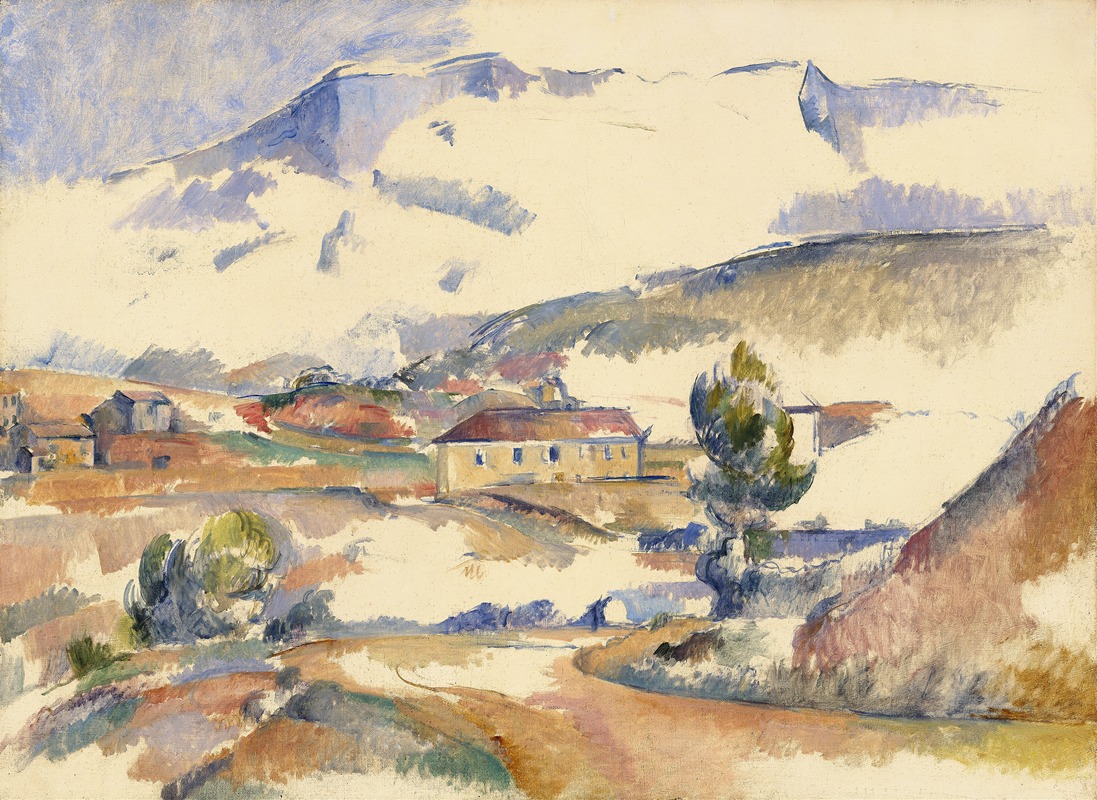
Montagne Sainte-Victoire,from near Gardanne
Paul Cézanne
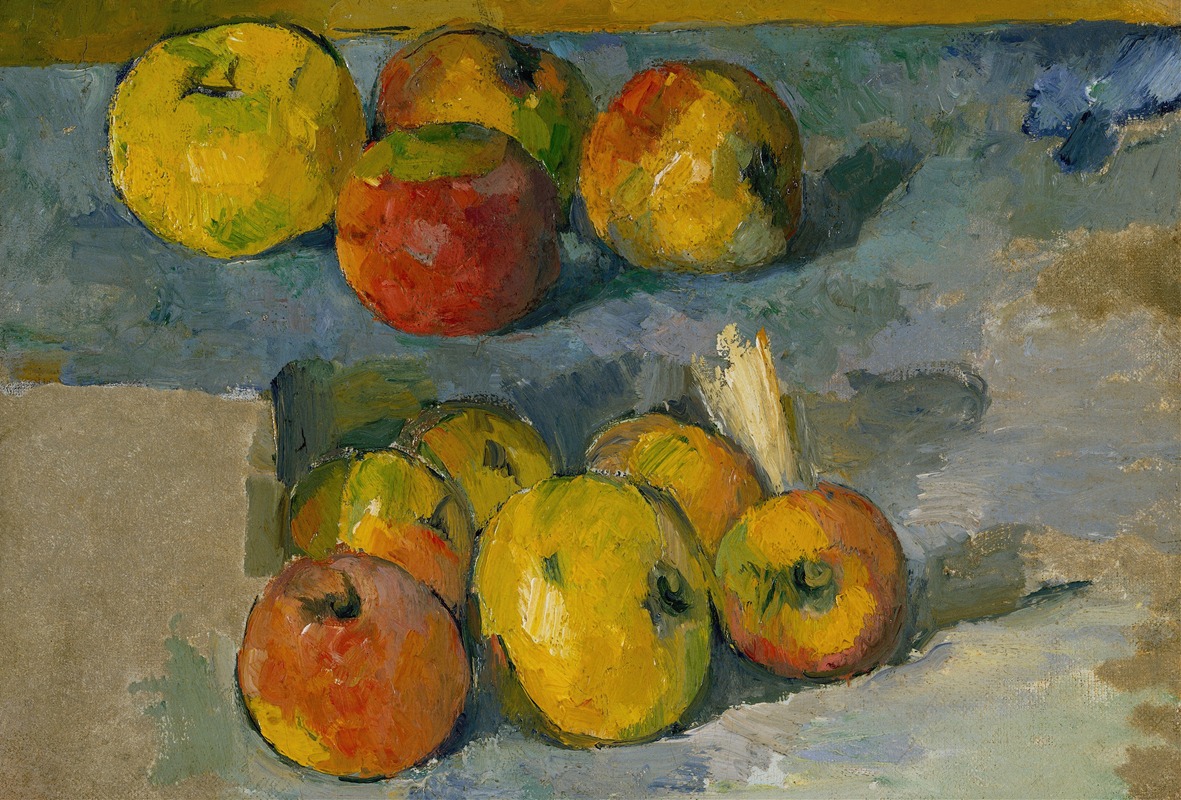
Apples
Paul Cézanne
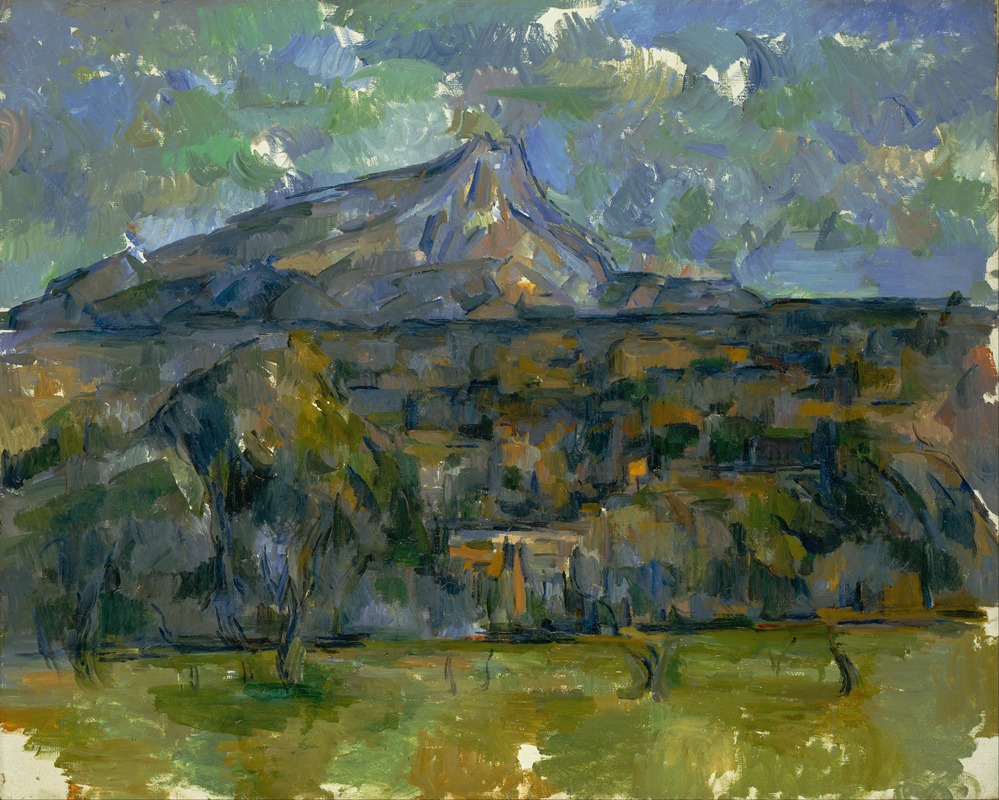
Mont Sainte-Victoire
Paul Cézanne
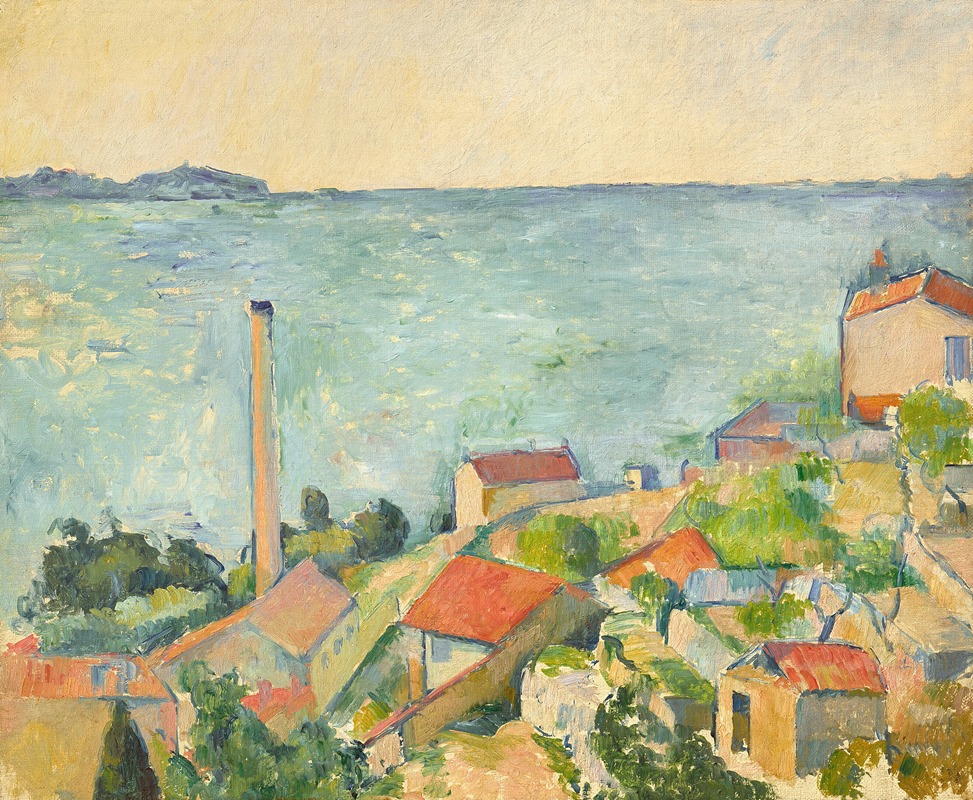
La mer à l’Estaque
Paul Cézanne
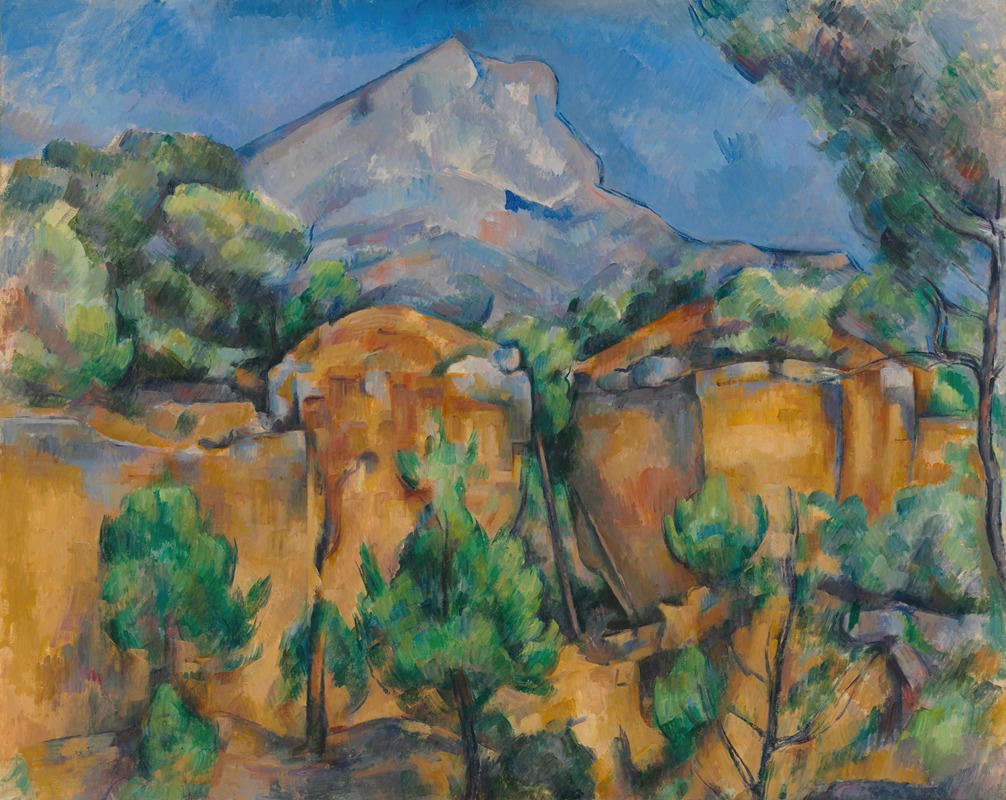
La Montagne Sainte-Victoire vue de la carrière Bibémus
Paul Cézanne
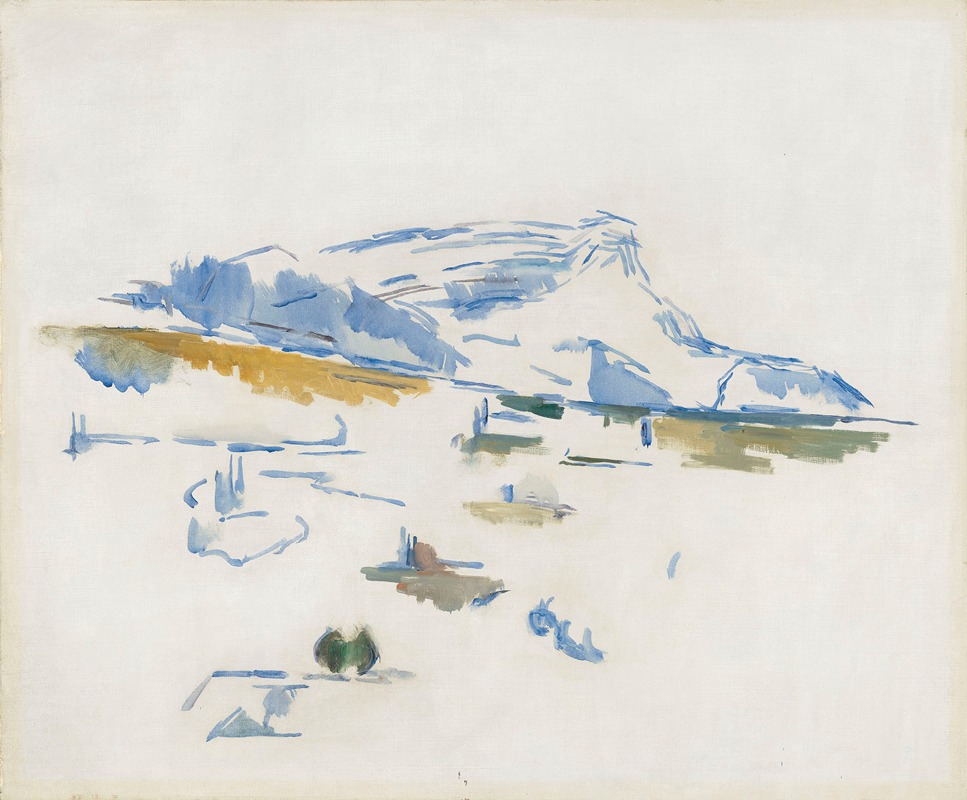
La Montagne Sainte-Victoire vue des Lauves
Paul Cézanne
More Allegory Art
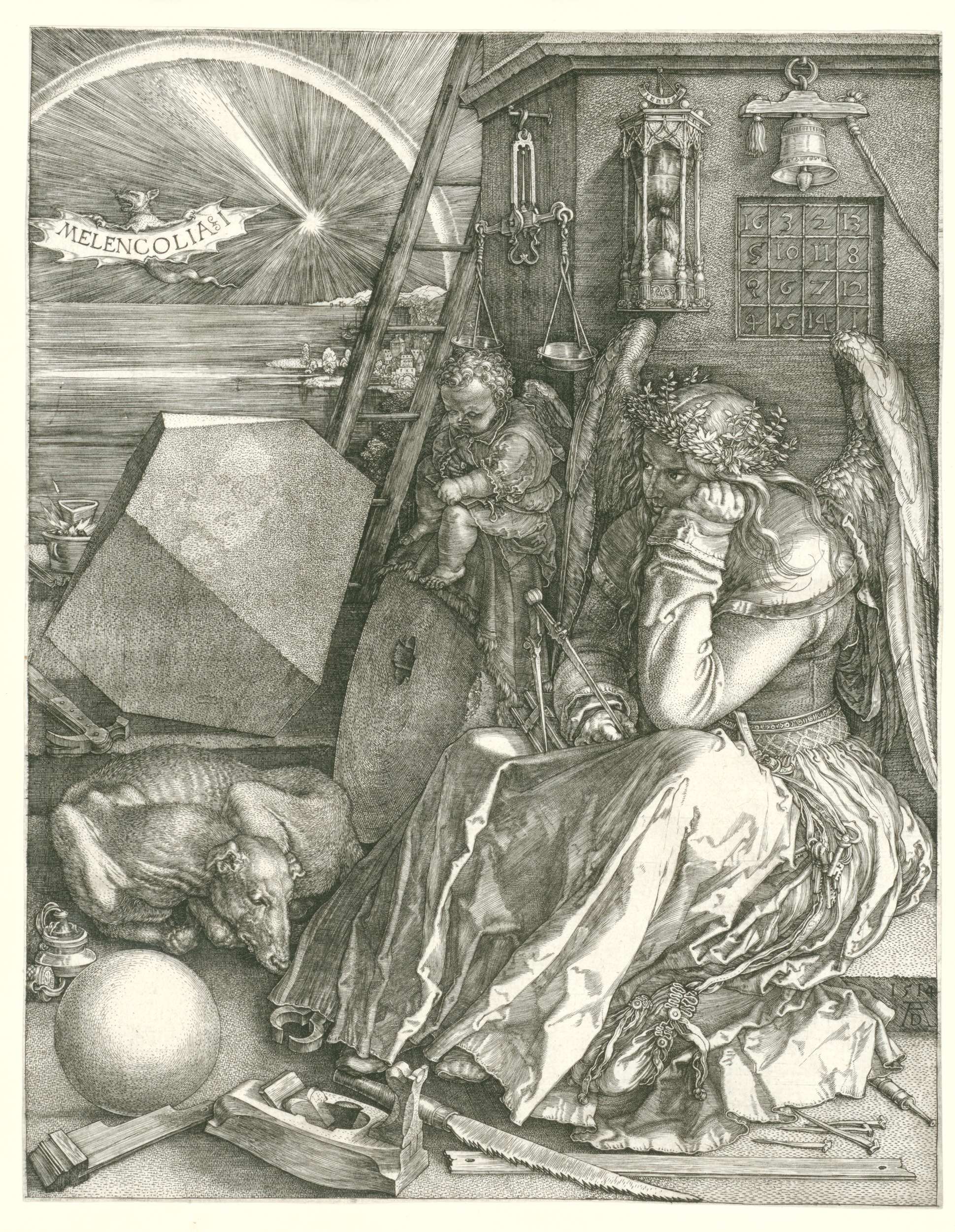
Melancholia
Albrecht Dürer
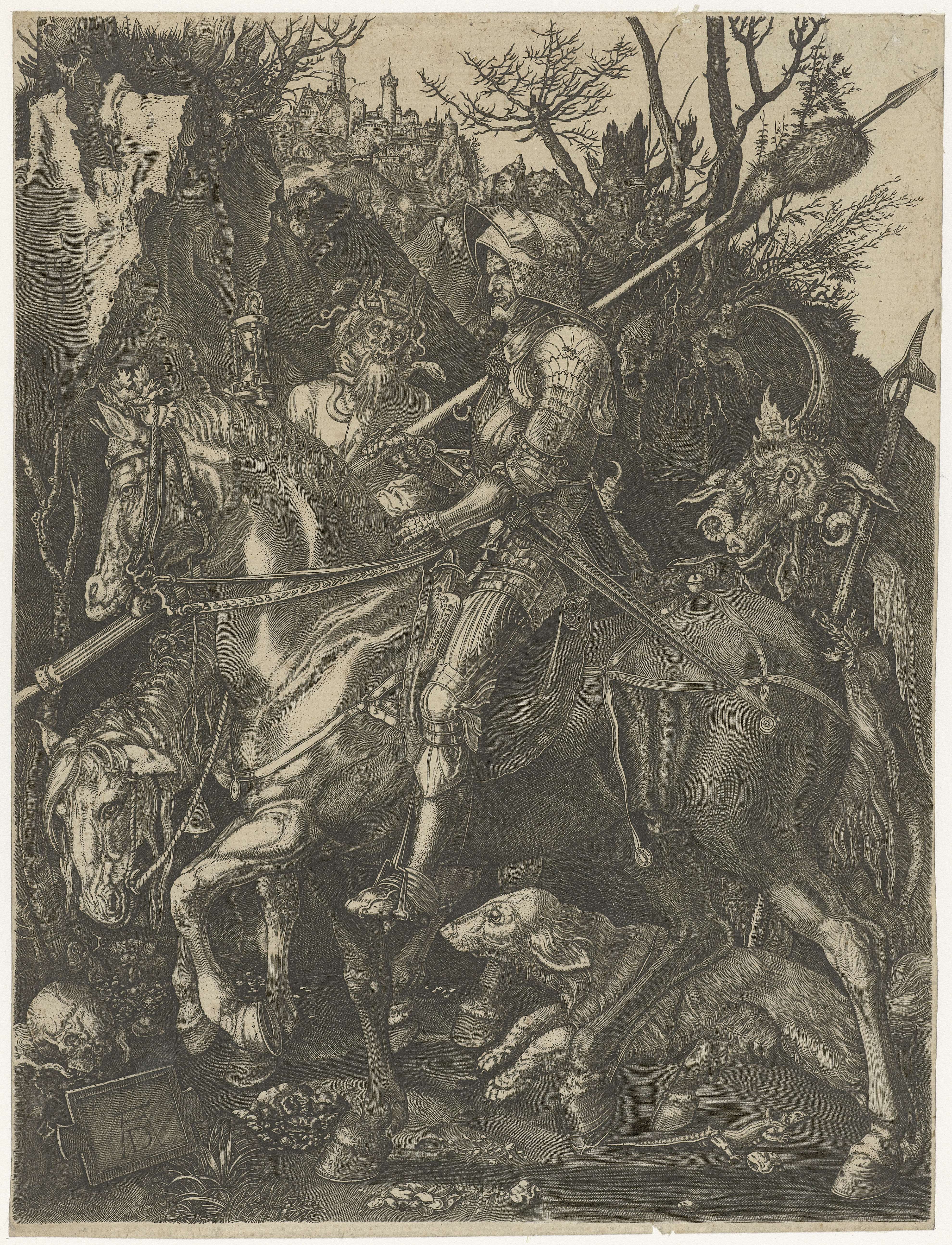
Ridder, Dood en Duivel
Unknown Artist
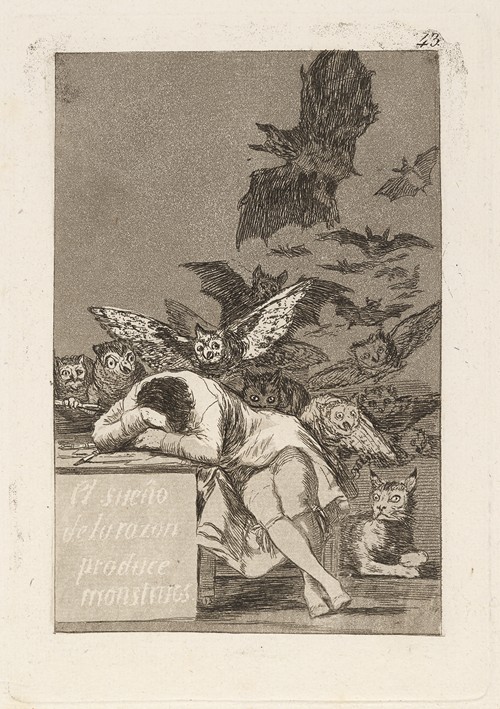
El sueño de la razon produce monstruos. (The sleep of reason produces monsters.)
Francisco de Goya
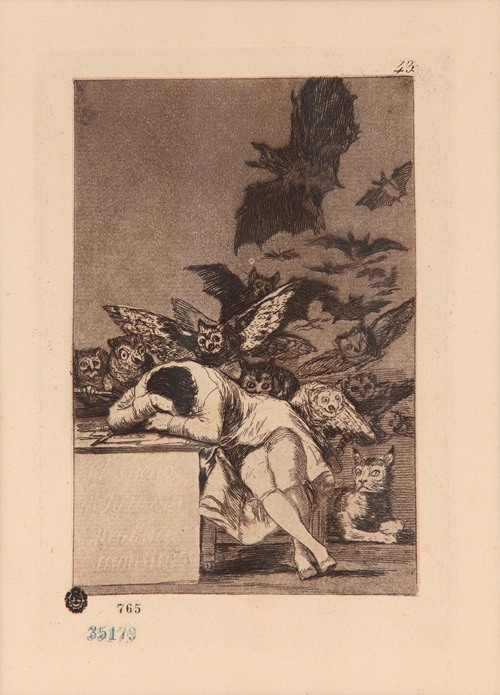
El sueño de la razon produce moustruos (Serie Caprichos)
Francisco de Goya
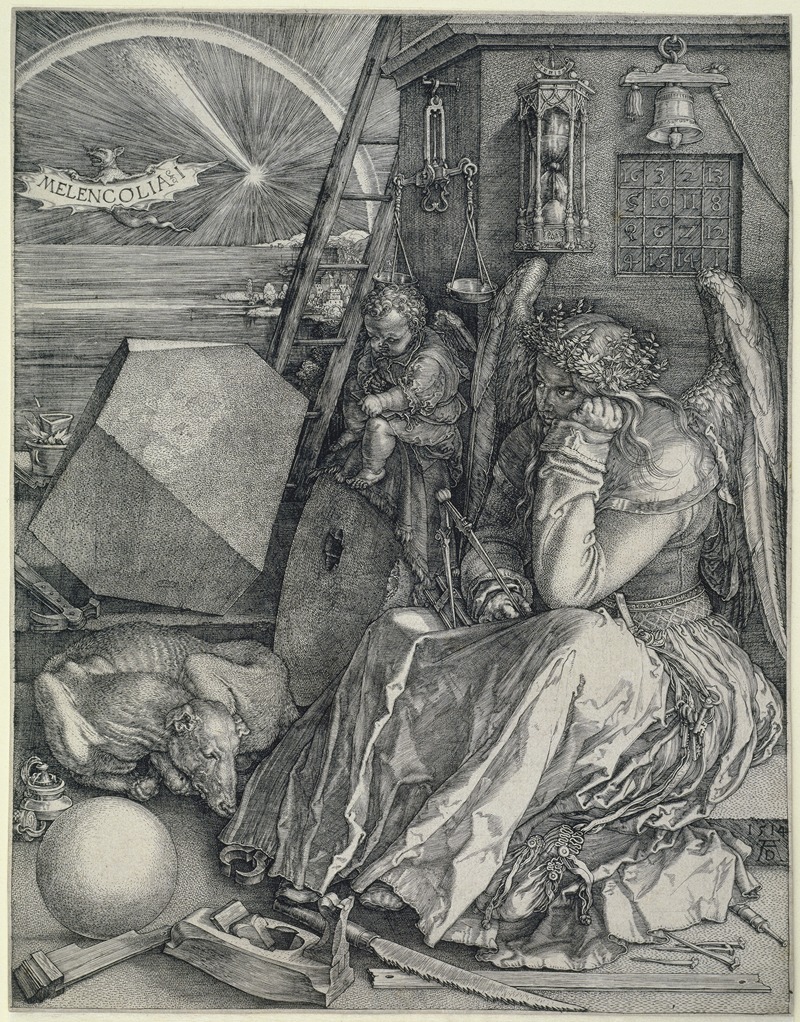
Melencolia I (The Melancholy)
Albrecht Dürer
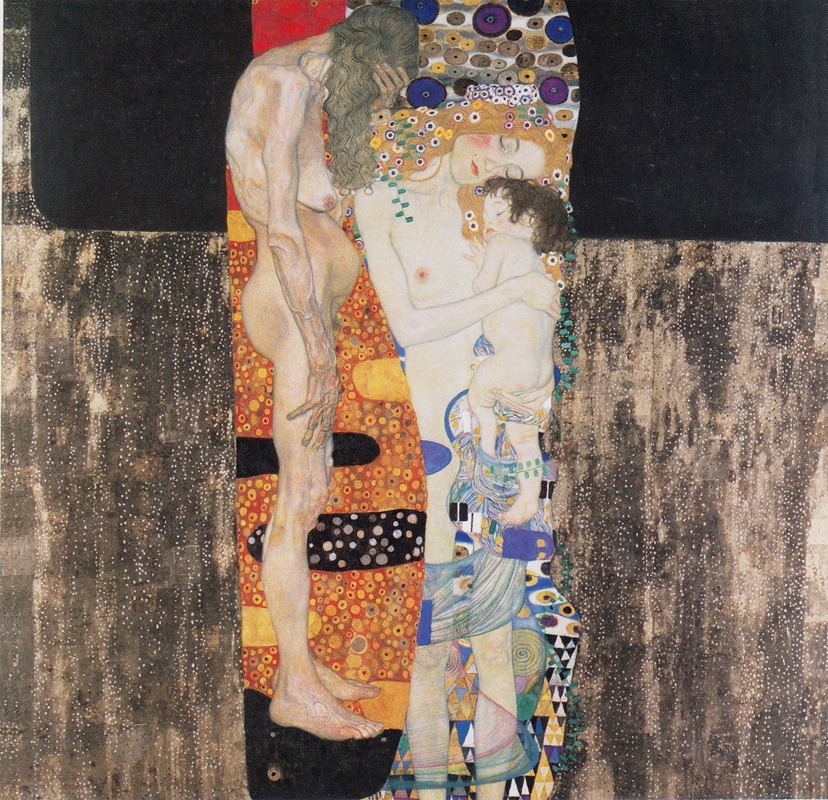
The Three Ages of the Woman
Gustav Klimt