
Sturm im Moor — History & Facts
This poignant reflection echoes in the stillness of a world steeped in solitude, evoking the immense weight of emptiness that pervades life. Focus on the dark, swirling clouds that dominate the upper portion of the canvas, casting a heavy shadow over the moor below. Notice how the muted greens and browns of the land contrast sharply with the turbulent sky, creating a palpable tension. The brushstrokes appear almost frantic, capturing the raw power of nature as it unleashes its fury, while the scattered patches of light hint at a fleeting hope—an invitation to ponder the duality of existence. Amidst the tempest, deeper meanings emerge from the chaos.
The expansive emptiness of the moor serves as a profound metaphor for solitude and introspection, inviting the viewer to confront their own inner turmoil. The interplay of light and darkness symbolizes not only external conflict but also the struggle within one's spirit, urging a reflection on the nature of being amidst the surrounding chaos. Created during 1942 in Germany, the artist found himself in a transformative period marked by significant turmoil—both personally and politically. The landscape around him, fraught with the shadows of war, influenced his brushwork and themes.
As the world grappled with uncertainty, this painting conveys the essence of isolation, echoing the spirit of an artist responding not just to nature, but to the existential questions of his time.
More Artworks by Otto Modersohn
Browse all →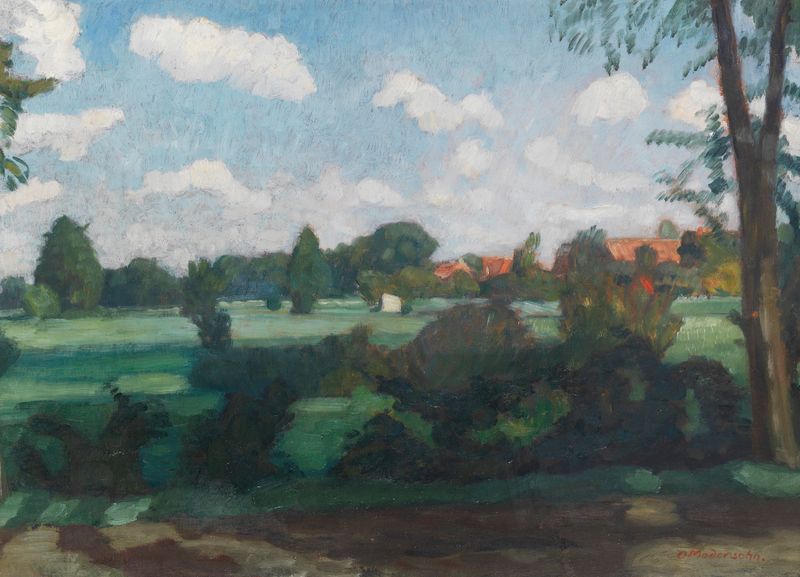
Sommerliche Wiesen bei Fischerhude
Otto Modersohn
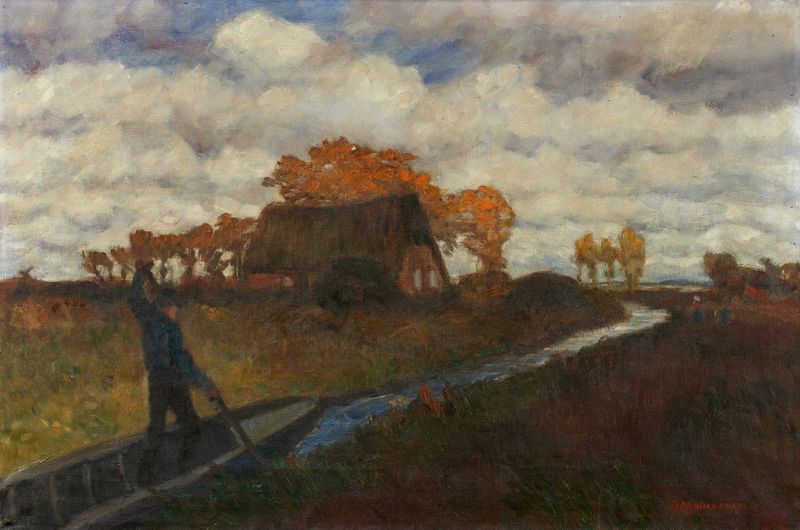
Herbstwetter
Otto Modersohn
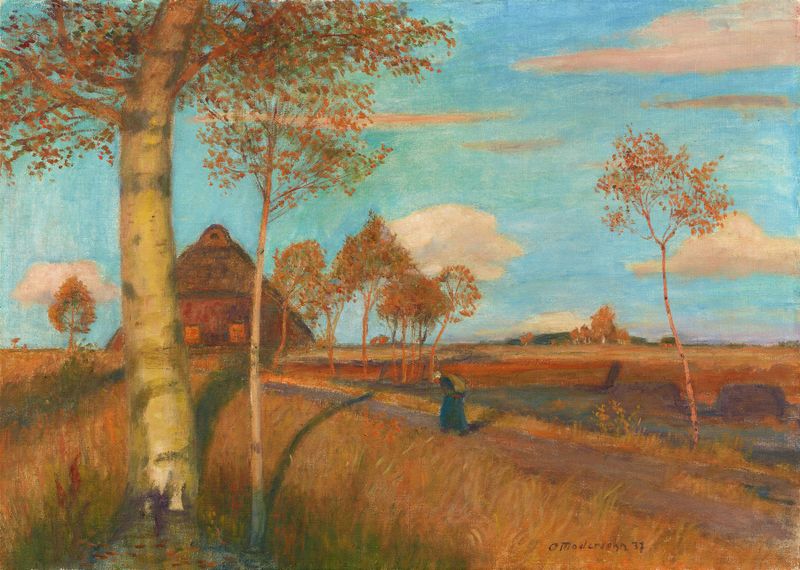
Abendsonne im Moor
Otto Modersohn
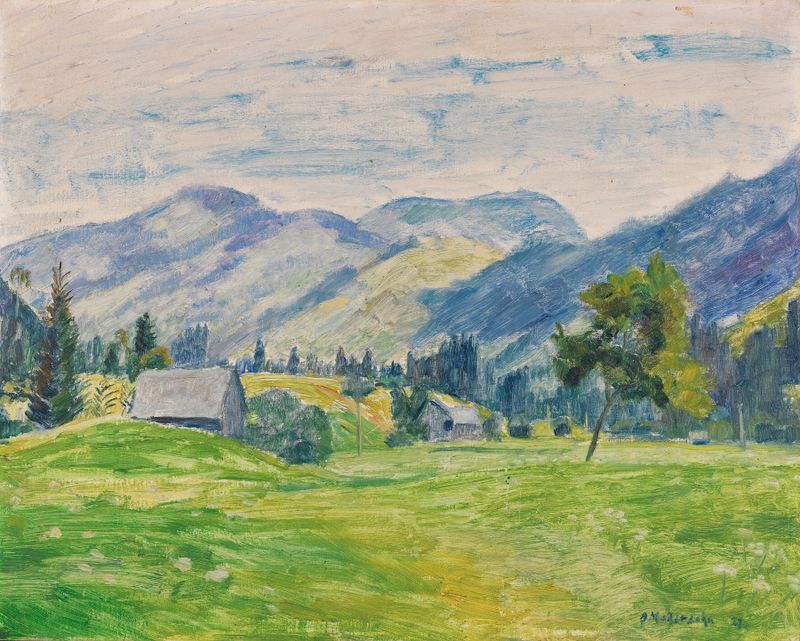
Lichter Sommertag im Allgäu (Unterjoch bei Hindelang)
Otto Modersohn
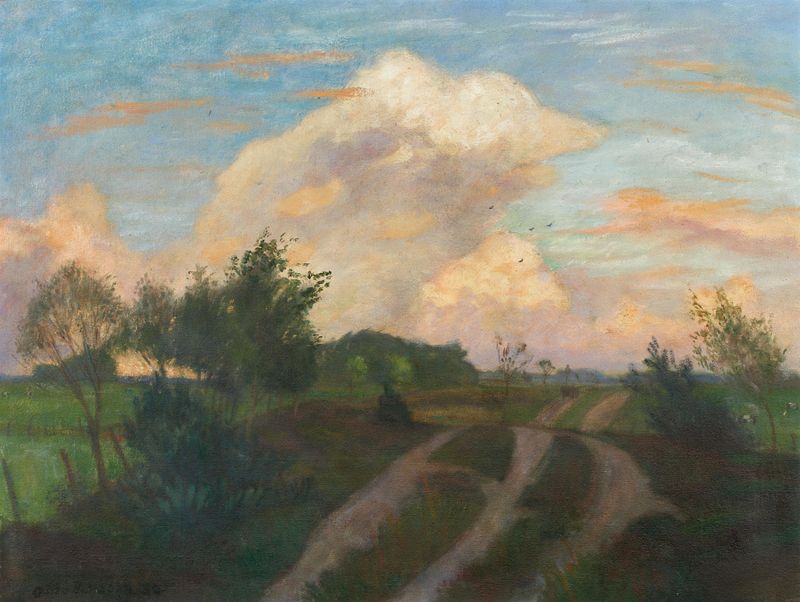
Sommerabend in der Surheide
Otto Modersohn
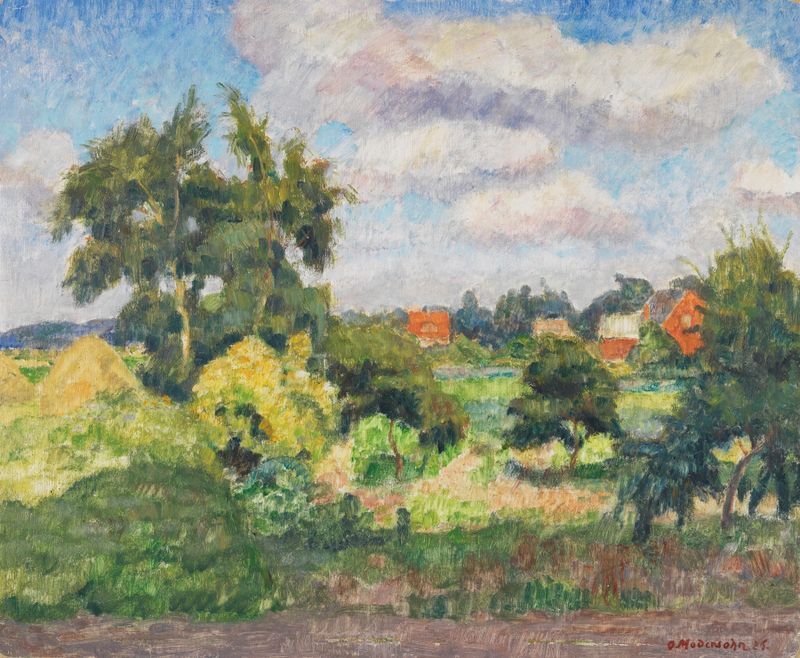
Sommertag in den Feldern bei Fischerhude
Otto Modersohn
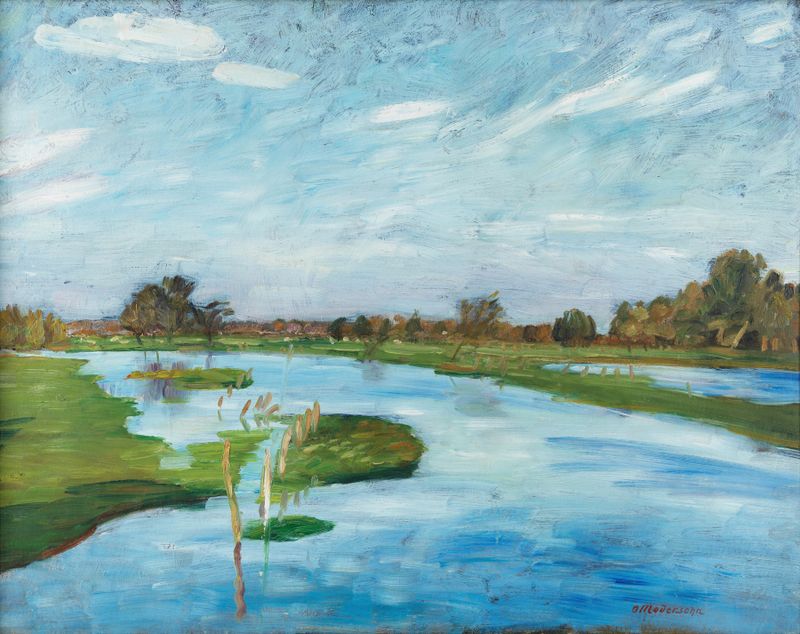
Überschwemmte Wümmewiesen
Otto Modersohn
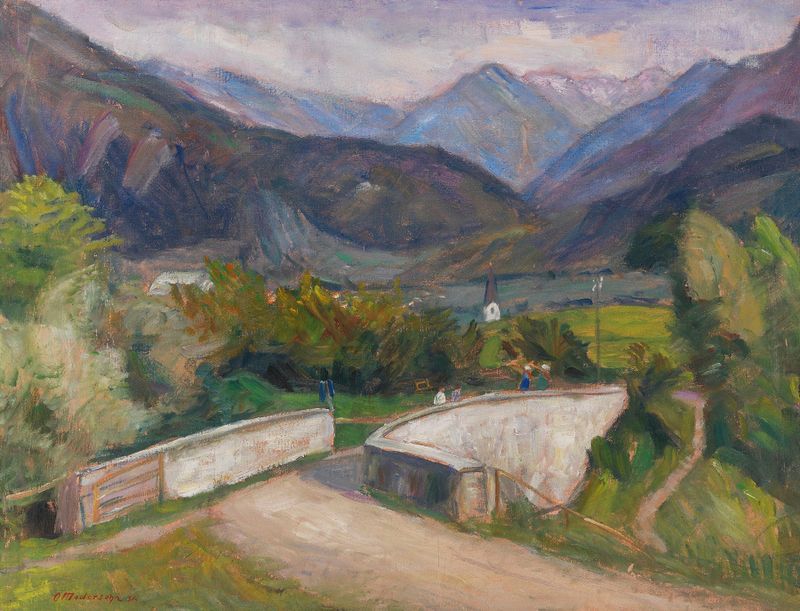
Zillenbachbrücke (Weg nach Gailenberg oberhalb von Hindelang im Allgäu)
Otto Modersohn
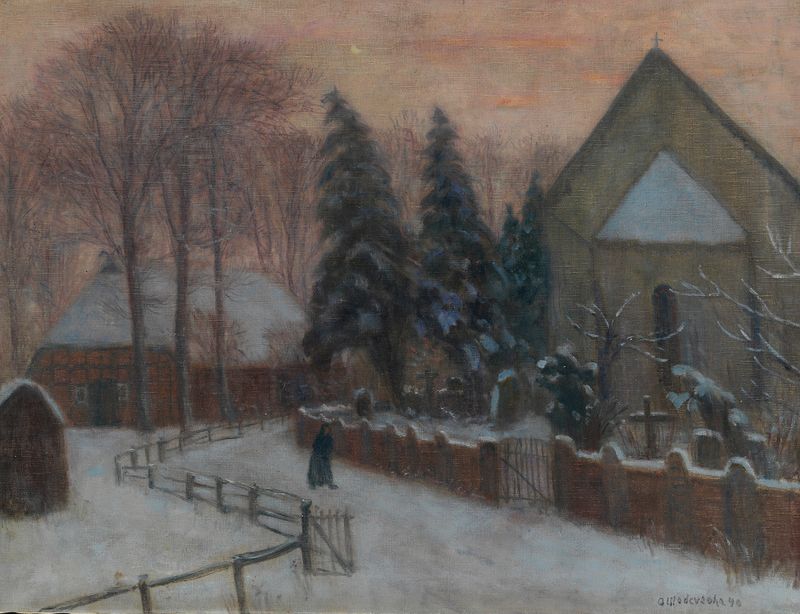
Winterabend, Fischerhuder Kirche mit Heimathaus
Otto Modersohn

Frühling
Otto Modersohn





