
Submontane landscape — History & Facts
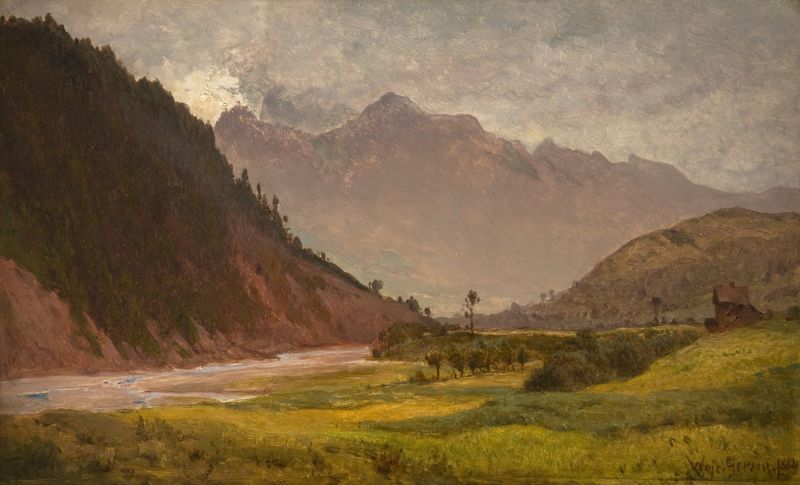
This yearning for preservation pulses through the essence of the artwork, capturing fleeting moments suspended in the canvas of memory. Look to the foreground, where a gentle rise of rolling hills beckons the eye. The muted greens and browns of the landscape swirl together, framed by soft wisps of fog that linger like secrets. Gerson employs delicate brushstrokes, creating a textured surface that invites touch, while patches of sunlight break through the clouds, illuminating the scene with warmth.
This interplay of light and shadow deepens the emotional resonance, drawing viewers into the heart of the landscape. Beneath the serene beauty lies a palpable tension. The subtle contrast between the verdant hills and the dark, looming clouds suggests an impending storm, metaphorically reflecting human fears and vulnerabilities. The choice of a subdued palette invokes nostalgia, as if this landscape is both a place of solace and a reminder of what may be lost.
Detailing hidden pathways among the trees hints at journeys untraveled, a longing for adventure intertwined with the weight of uncertainty. In the summer of 1882, Gerson worked on Submontane landscape while living in Poland, a nation grappling with its identity during a time of political strife. Influenced by the Romantic movement and his deep attachment to nature, he sought to convey the emotional landscape internally and externally. This period marked a significant evolution in his artistic style, reflecting both personal and societal yearnings that would resonate through generations.
More Artworks by Wojciech Gerson
Browse all →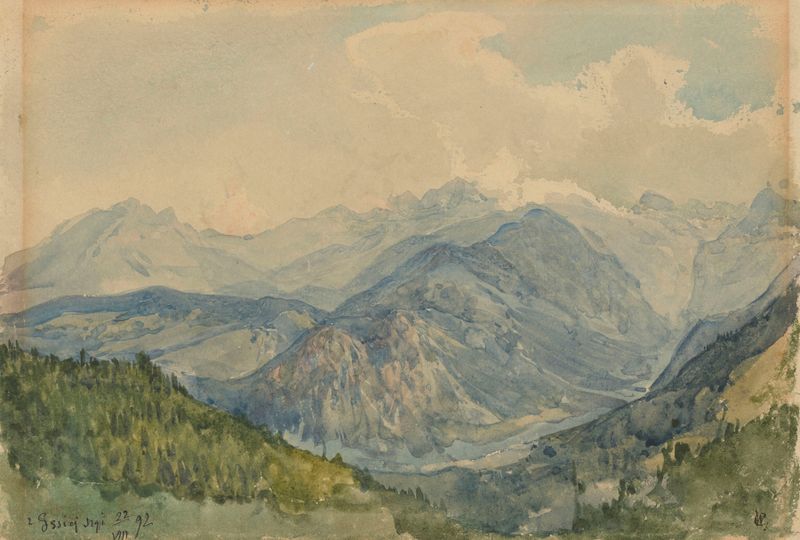
View from Gęsia Szyja Peak in the Tatra Mountains
Wojciech Gerson

View of Płock
Wojciech Gerson
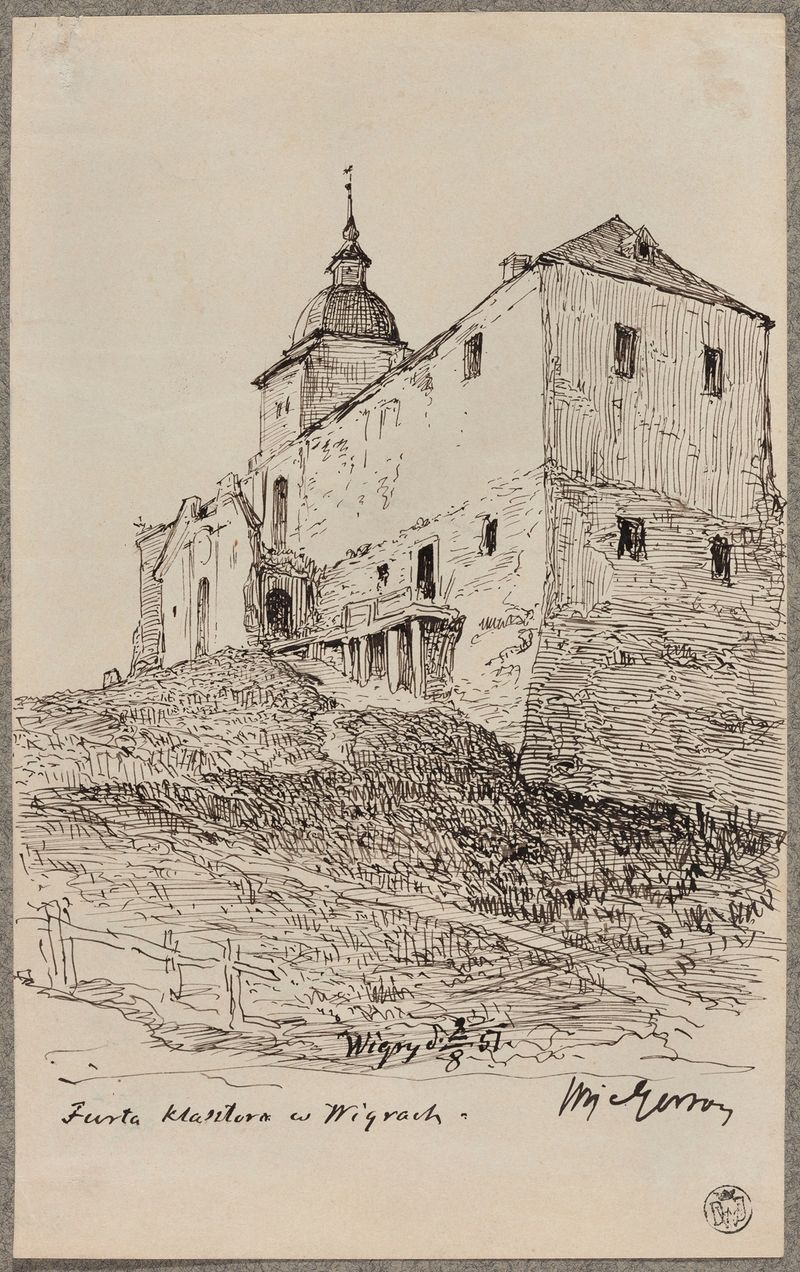
Furta klasztoru w Wigrach
Wojciech Gerson

Dom Długosza w Sandomierzu, tzw. Czerwona Kamienica
Wojciech Gerson
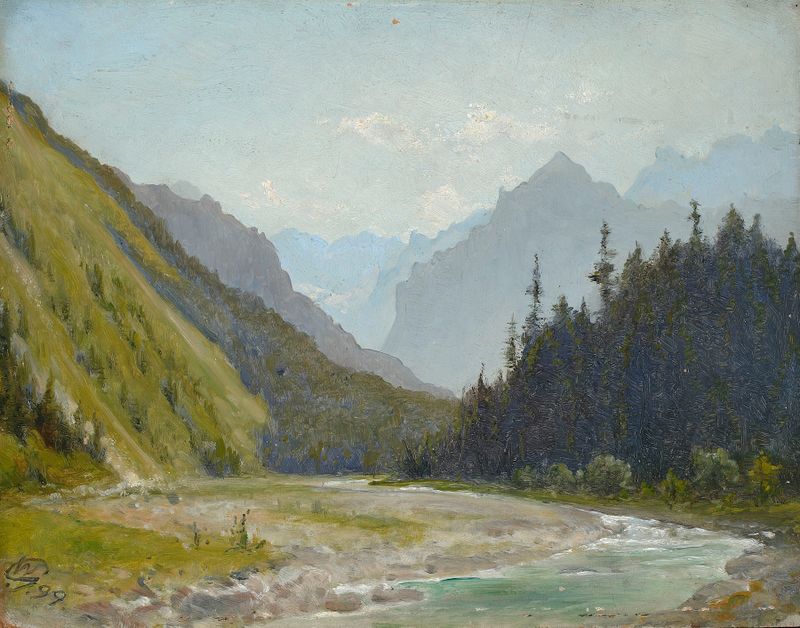
White Water Valley in the Tatra Mountains
Wojciech Gerson
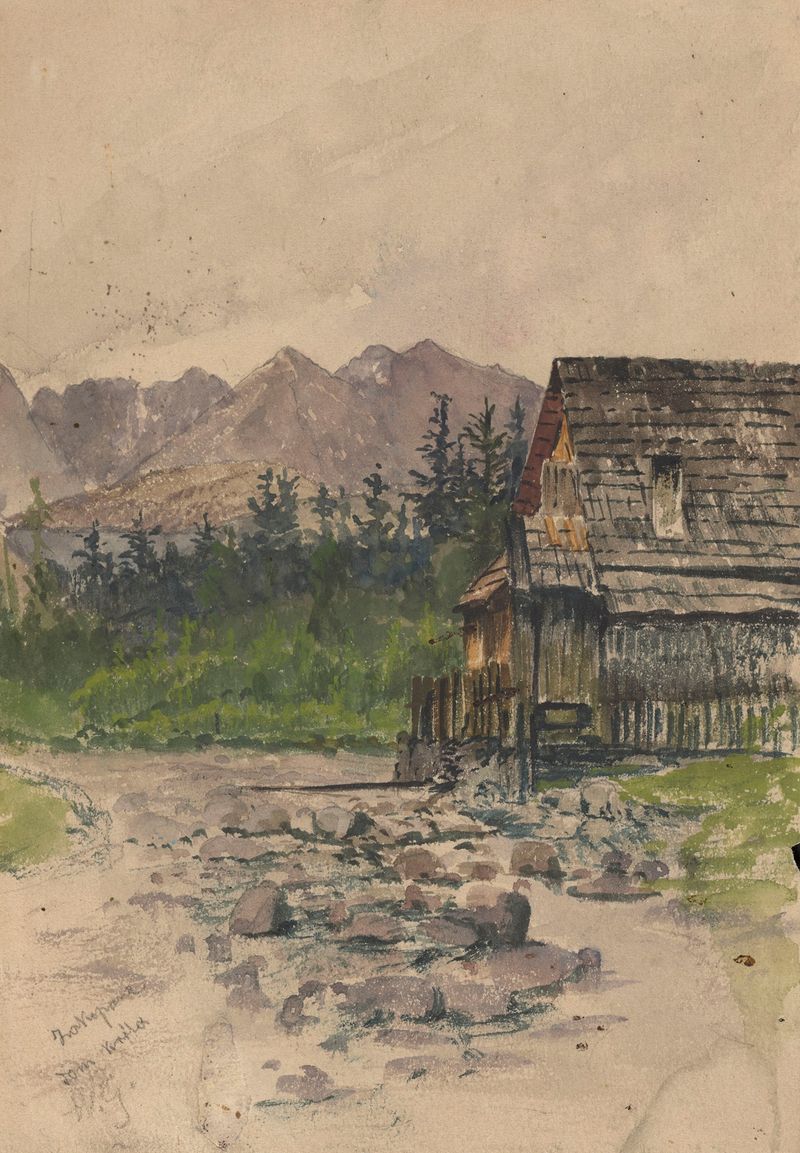
Landscape of the Tatra Mountains
Wojciech Gerson
Fair Weather in the Pieniny Mountains
Wojciech Gerson

Rockslide in the White Water Valley in the Tatra Mountains
Wojciech Gerson

Graveyard in the mountains
Wojciech Gerson

Mountain Landscape
Wojciech Gerson





