
Sudak 6 — History & Facts
This sentiment echoes in a world where chaos often overshadows clarity. In Sudak 6, the delicate balance of hues invites a contemplation of honesty in perception and expression. Focus your gaze on the subtle interplay of blues and greens, where each stroke of the brush seems to whisper secrets from the landscape. Look to the horizon, where the sea meets the sky in a soft embrace, the calmness punctuated by slight undulations of the water.
Notice how the artist captures the essence of the moment with soft brushwork, as light dances across the surface, evoking a sense of serene introspection. The layers of color build a meditative atmosphere, drawing you into a tranquil space that feels both infinite and intimate. Beneath the seemingly peaceful surface lies a poignant contrast between the vivid natural world and the quiet solitude evoked by the solitary structure in the foreground. This juxtaposition suggests a deeper narrative of isolation amid beauty, raising questions about the human experience within nature’s vastness.
Each element, from the shadows cast by the soft evening light to the whispering textures of the landscape, harmonizes to reveal an emotional landscape that is as complex as it is serene. Jan Ciągliński painted Sudak 6 in 1904 during a period when he was deeply influenced by his explorations of naturalistic and impressionistic styles. At this time, he was living in Paris, where he imbibed the transformative artistic currents of the era. The world of art was evolving rapidly, with artists seeking new ways to express the interplay of light, color, and emotion, and Ciągliński’s work reflects this shift as he sought to capture the essence of truth through vibrant yet meditative landscapes.
More Artworks by Jan Ciągliński
Browse all →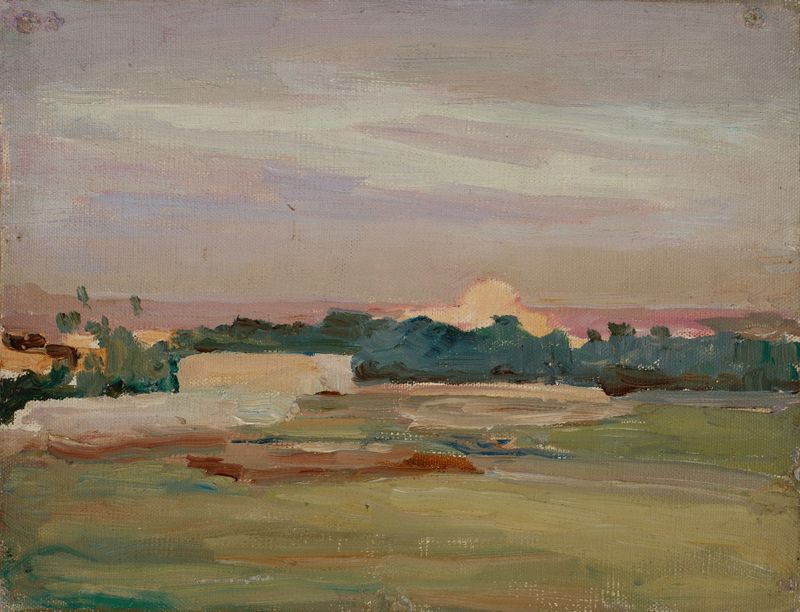
The Sirocco
Jan Ciągliński
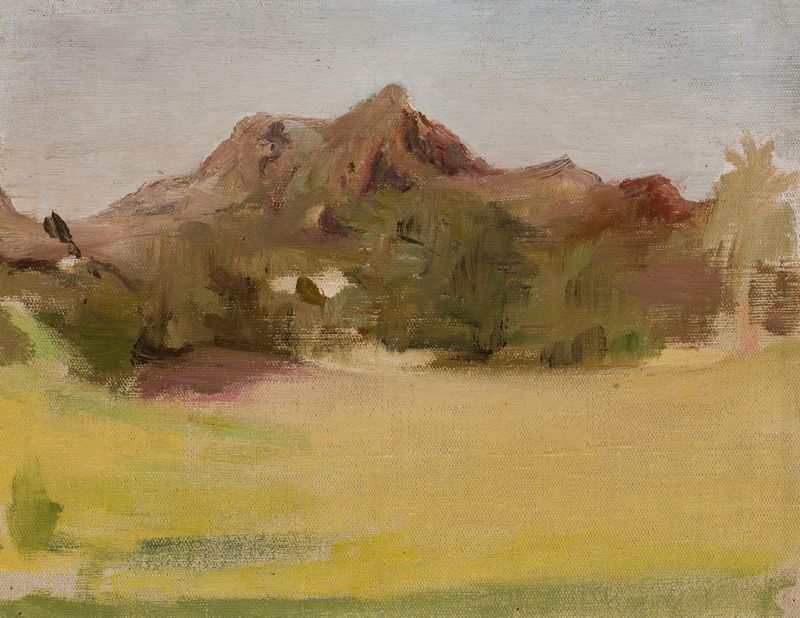
Mountain landscape. From the journey to India
Jan Ciągliński
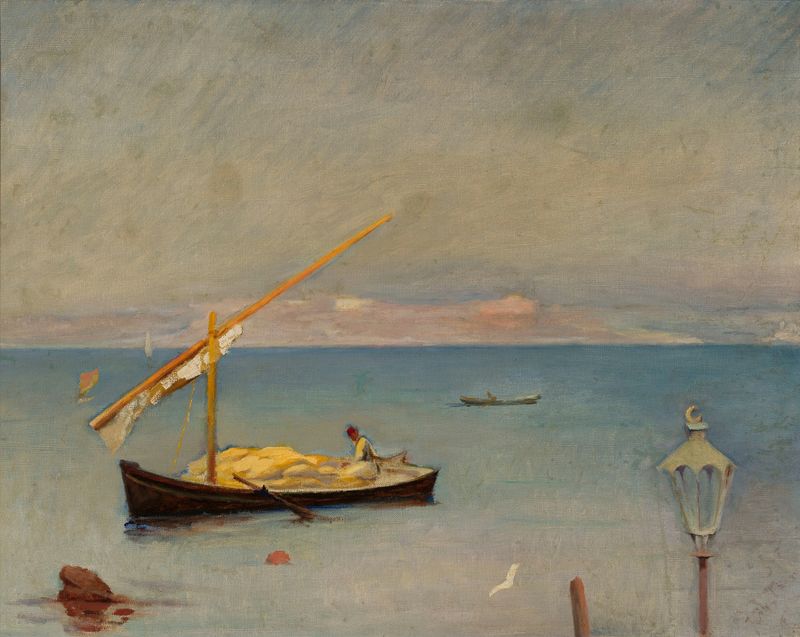
At Bosporus
Jan Ciągliński
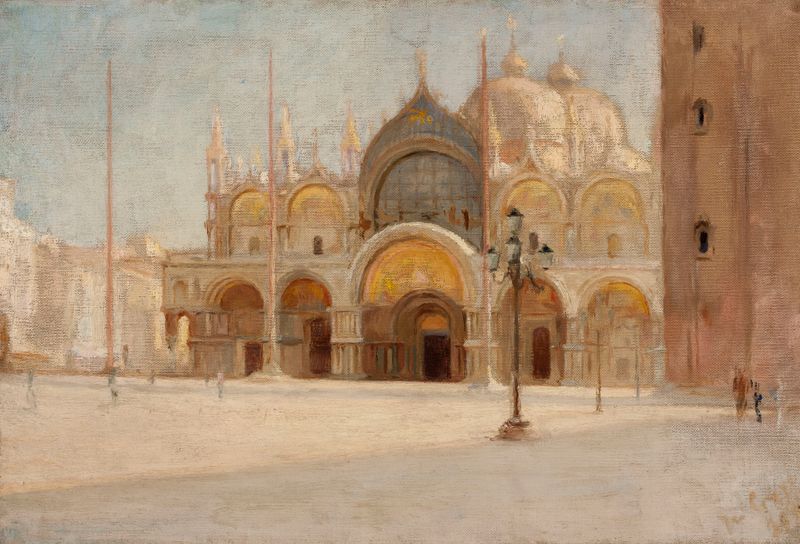
St Mark’s Square in Venice
Jan Ciągliński
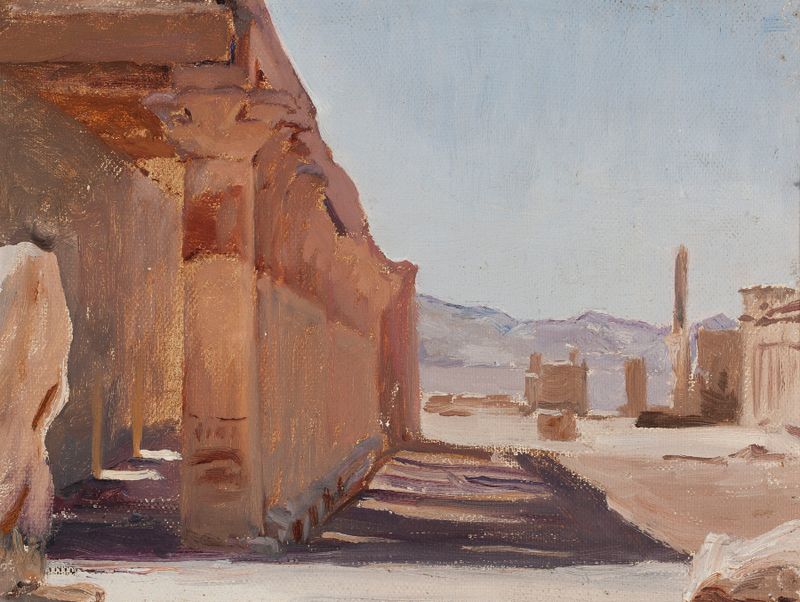
Temple. From the journey to Egypt
Jan Ciągliński
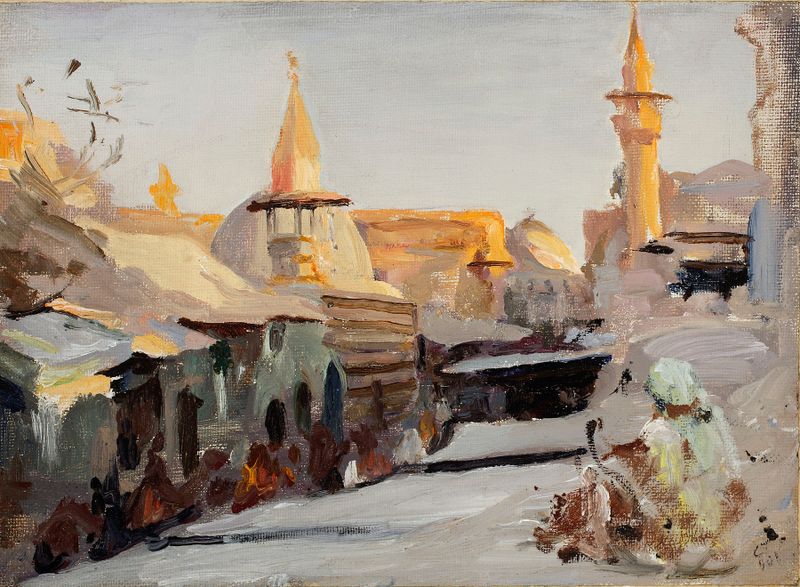
Street in Damascus. From the journey to Palestine
Jan Ciągliński
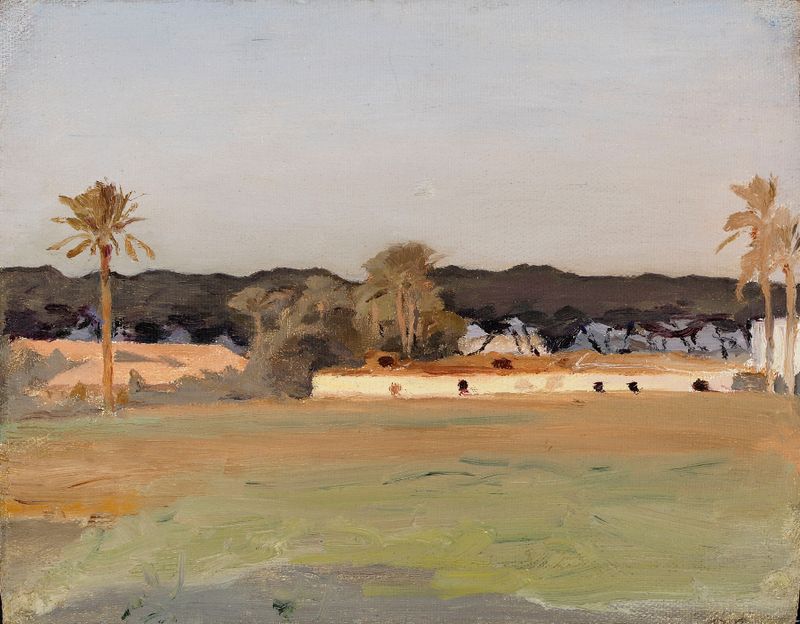
Evening. From the journey to Egypt
Jan Ciągliński
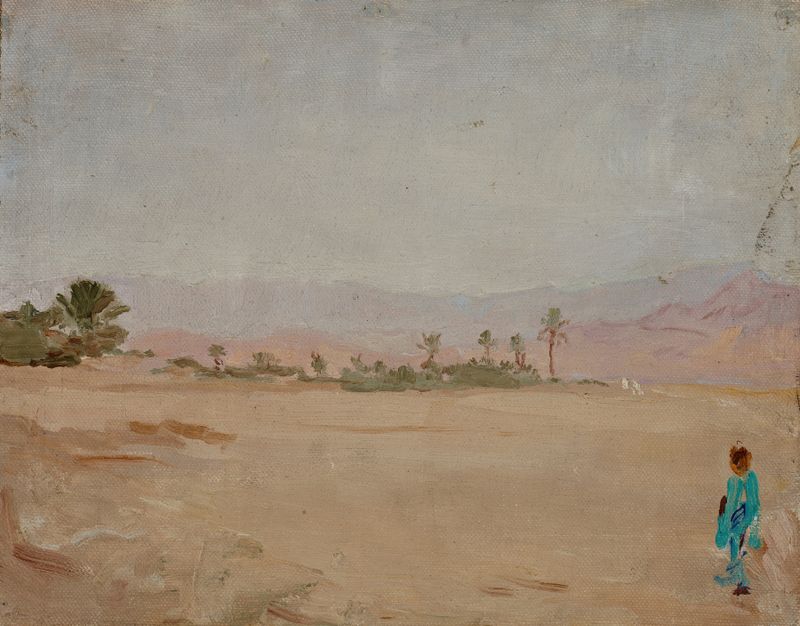
Sahara (Desert)
Jan Ciągliński
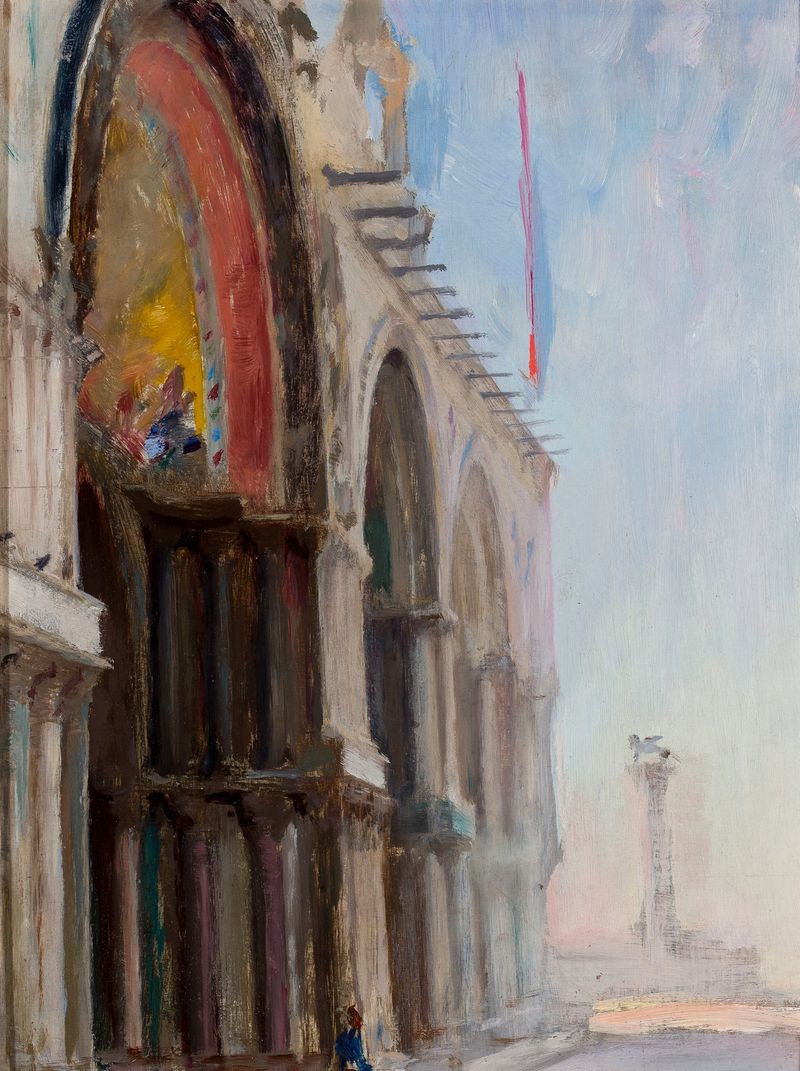
Venice – San Marco. From the journey to Italy
Jan Ciągliński
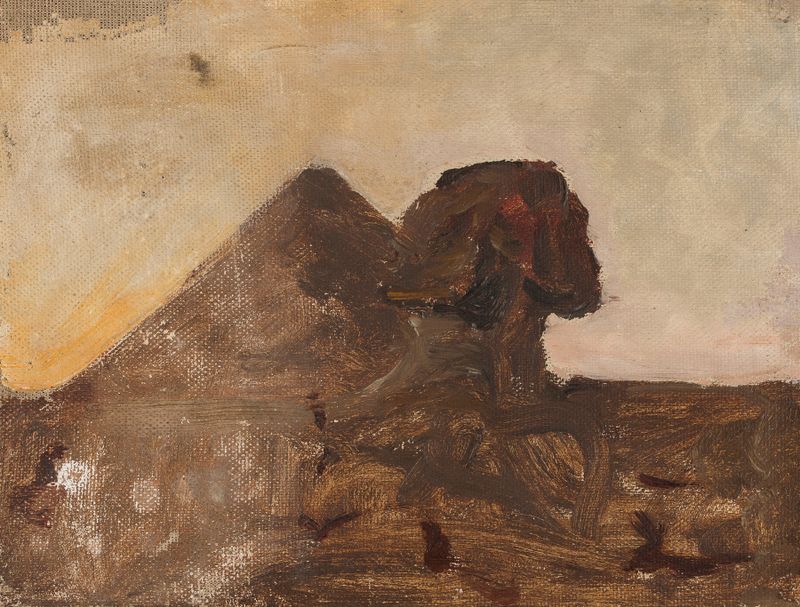
Evening in the desert – Sphinx and pyramid. From the journey to Egypt
Jan Ciągliński





