
Summer — History & Facts
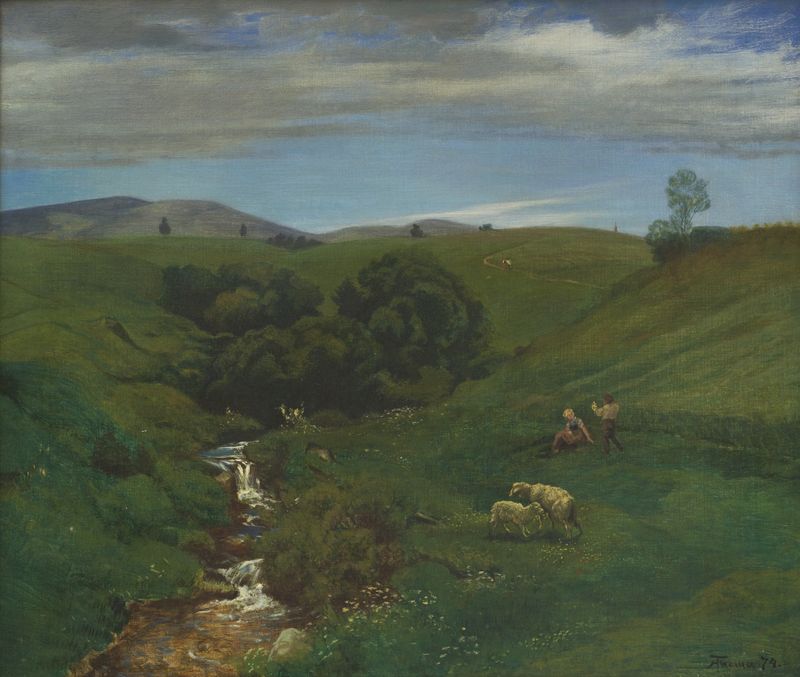
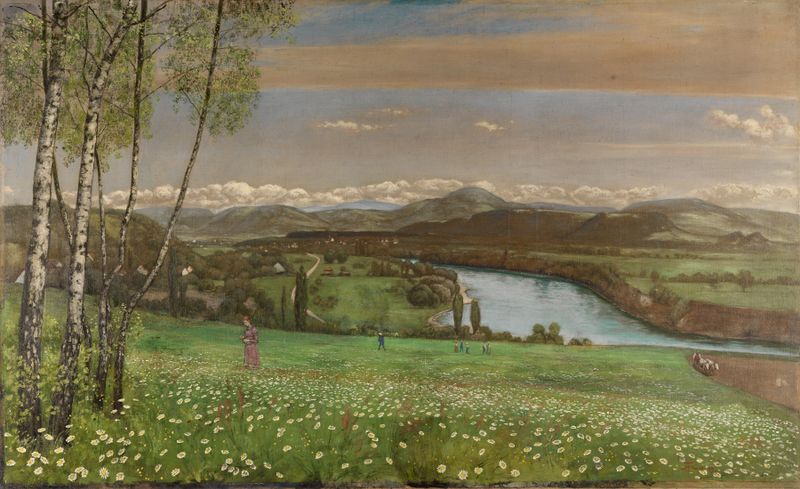
In the realm of art, transformation emerges not only through vibrant strokes of paint but also through the stillness that envelops the viewer. Focus on the golden hues that wash over the landscape, capturing the essence of a sun-drenched summer day. The viewer’s eye is drawn first to the radiant light spilling across the fields, illuminating the rich greens and ochres that embody life’s abundance. Notice how the gentle curve of the hills leads your gaze toward the distant horizon, suggesting a journey beyond the painting's confines.
Each brushstroke hints at the warmth of the season, while soft, rhythmic patterns evoke a tranquil harmony—a celebration of nature's beauty. Beneath this idyllic surface lies a deeper narrative of change. The lushness of summer symbolizes both prosperity and the fleeting nature of time, reminding us that such beauty is temporary. The contrasting elements of light and shadow create an emotional tension, suggesting both the joy of the present and the inevitable approach of autumn's chill.
Moreover, the figures scattered throughout the pastoral scene hint at a communion with nature, reflecting humanity's relationship with the cycles of life. In 1872, Hans Thoma painted this work during a period of personal evolution and a burgeoning interest in the German Romantic movement. Living in the Black Forest region, he sought to capture the spiritual essence of the natural world, influenced by the ideals of nature as a transformative force. This painting is not only a reflection of his artistic journey but also a representation of a society increasingly aware of its connection to the environment amid the industrial changes sweeping Europe.
More Artworks by Hans Thoma
Browse all →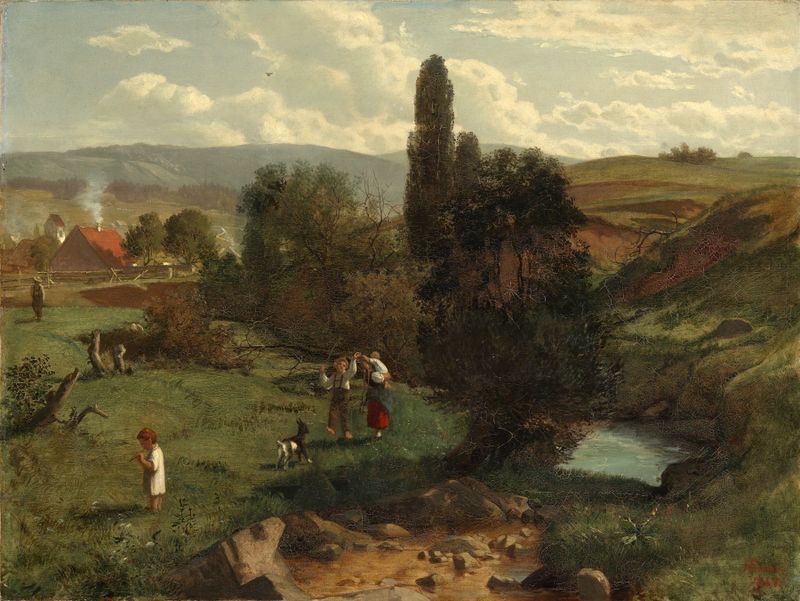
Schwarzwaldlandschaft
Hans Thoma
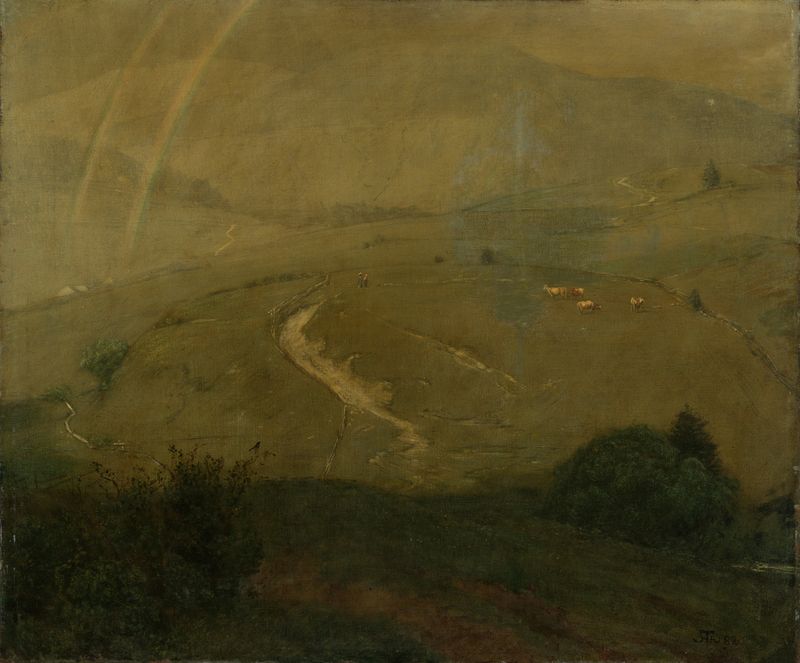
Regen im Schwarzwald
Hans Thoma
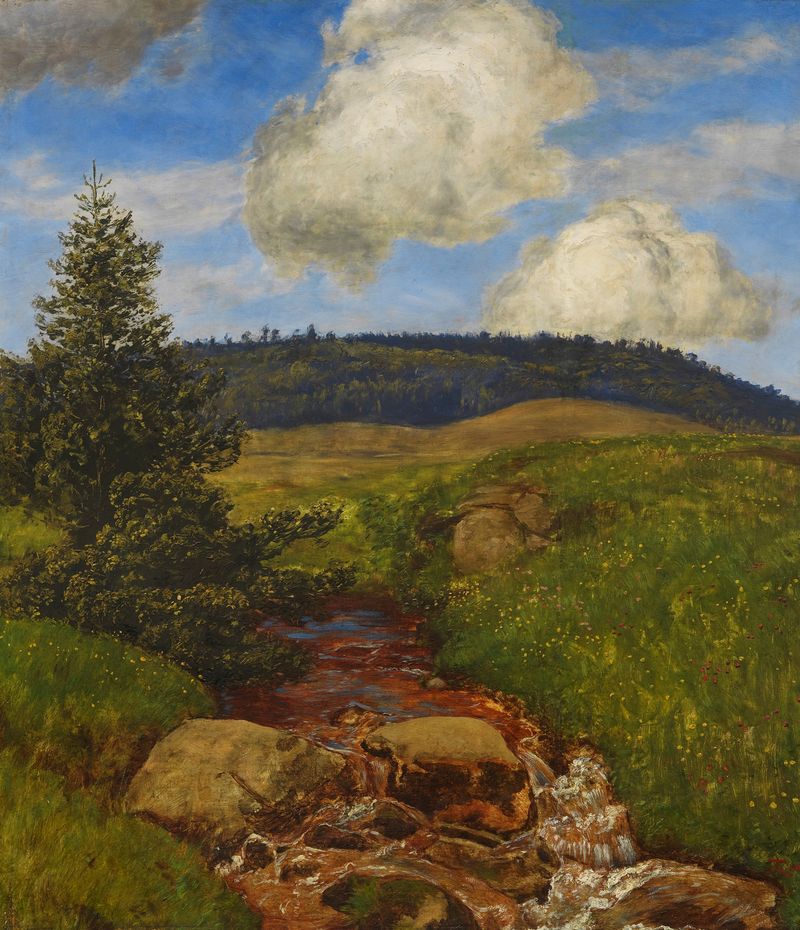
Schwarzwaldbach
Hans Thoma
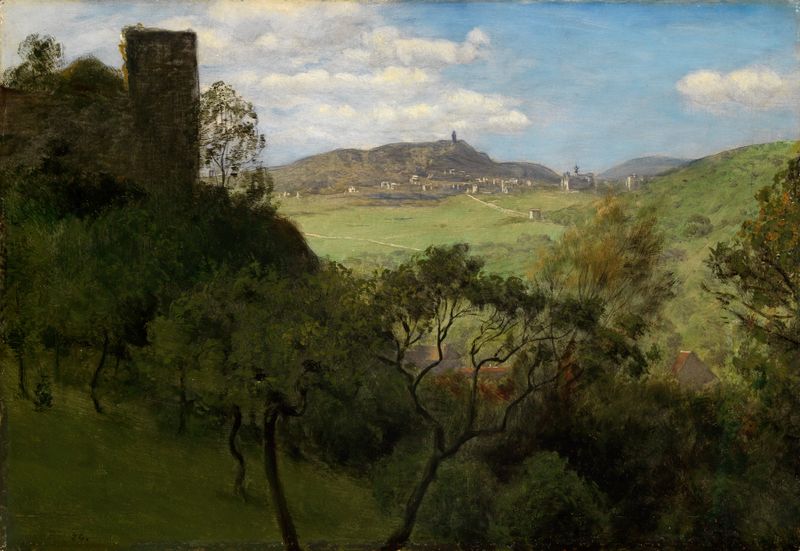
Blick auf Falkenstein im Taunus
Hans Thoma
Black Forest Meadow near Bernau
Hans Thoma
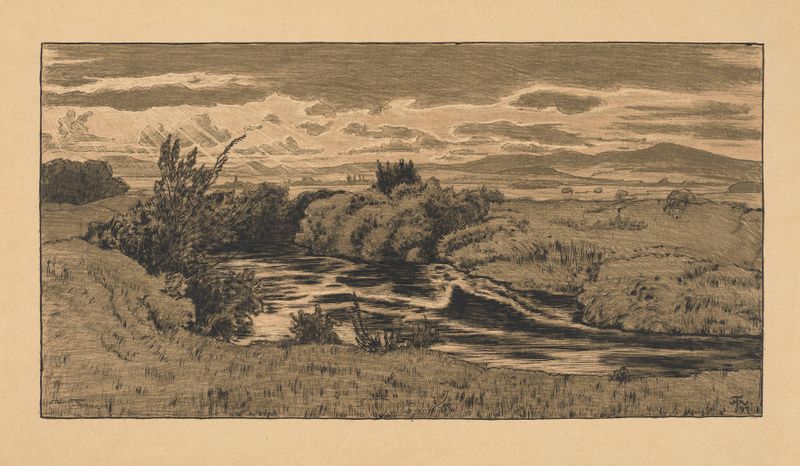
Evening by the Nidda River
Hans Thoma
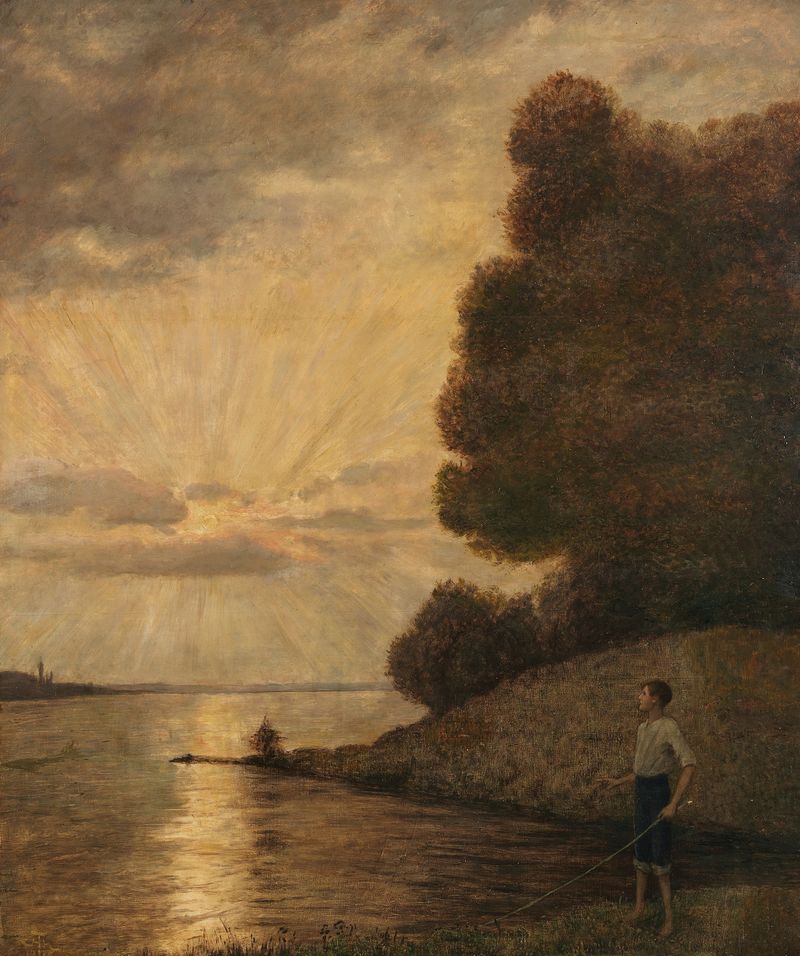
Sonnenuntergang am Oberrhein
Hans Thoma
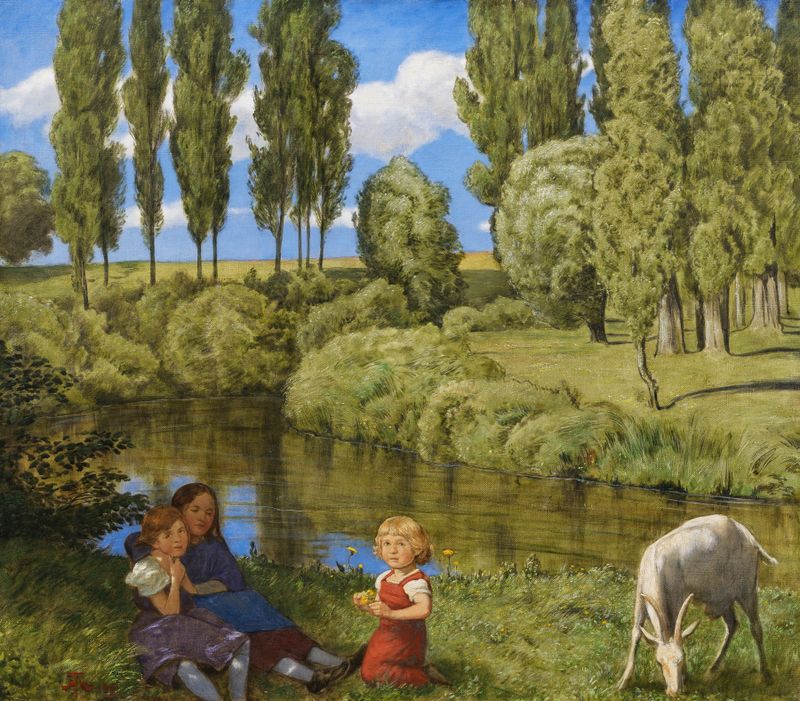
Am Stillen Bach
Hans Thoma
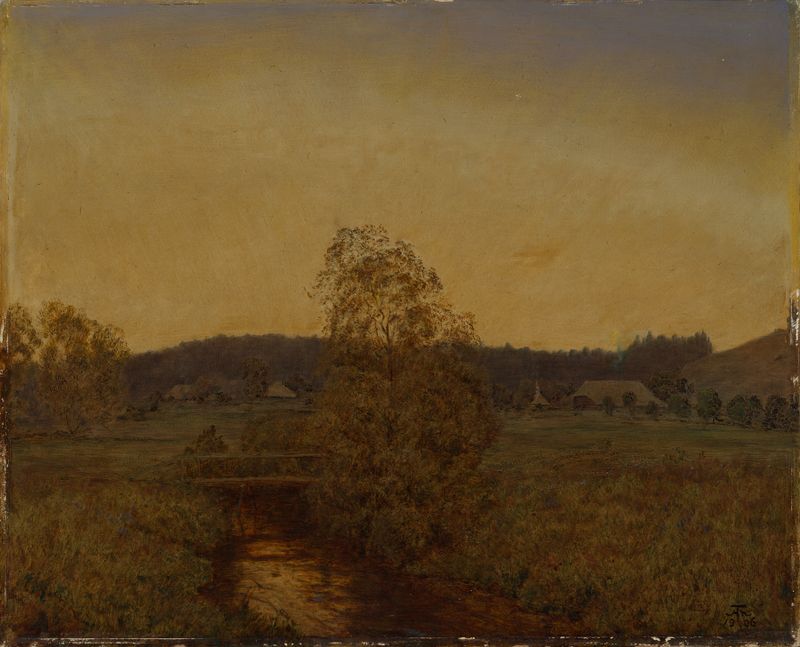
Der Abendstern
Hans Thoma
Das Rheintal bei Säckingen
Hans Thoma





