Summer — History & Facts
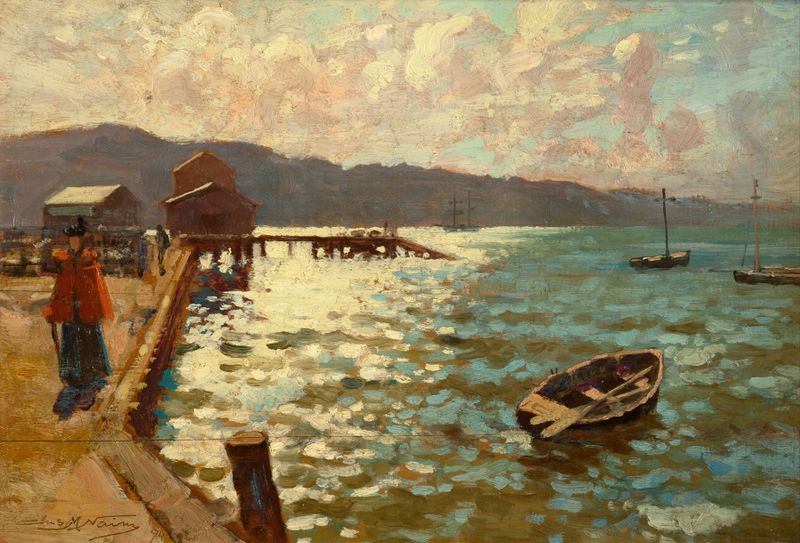
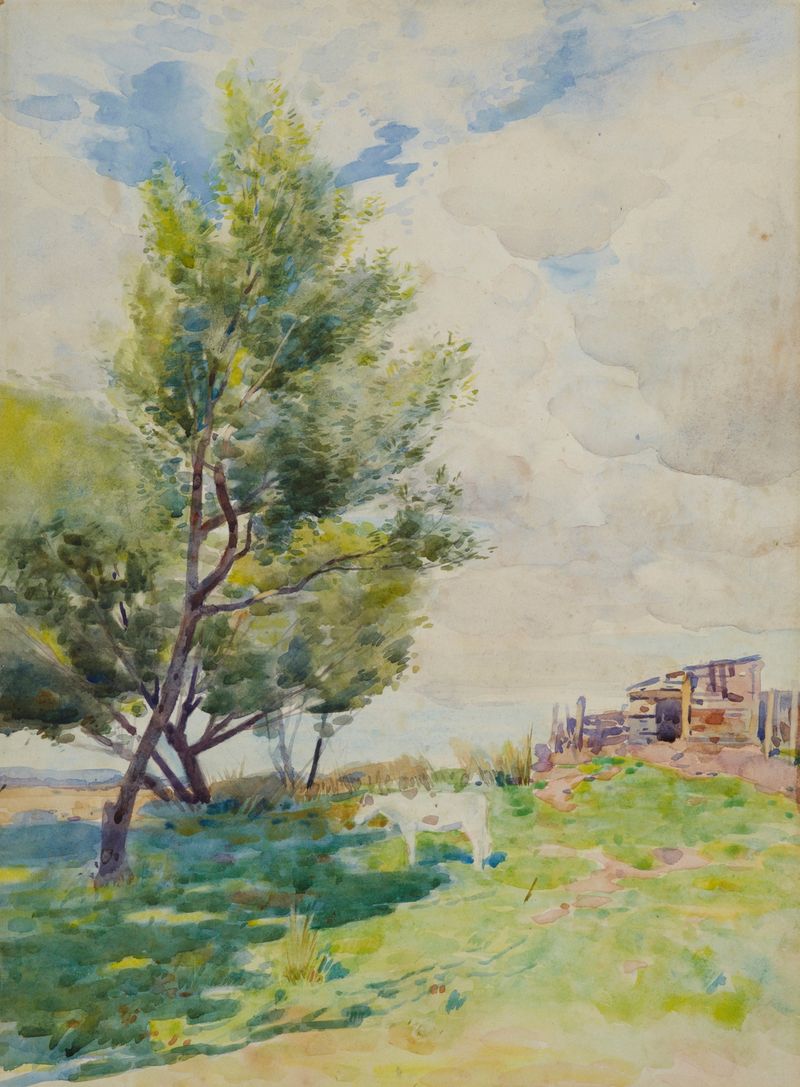
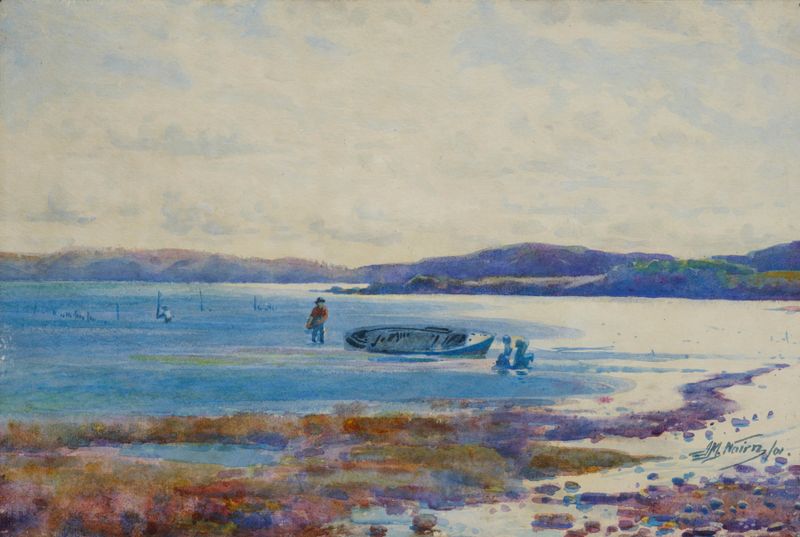
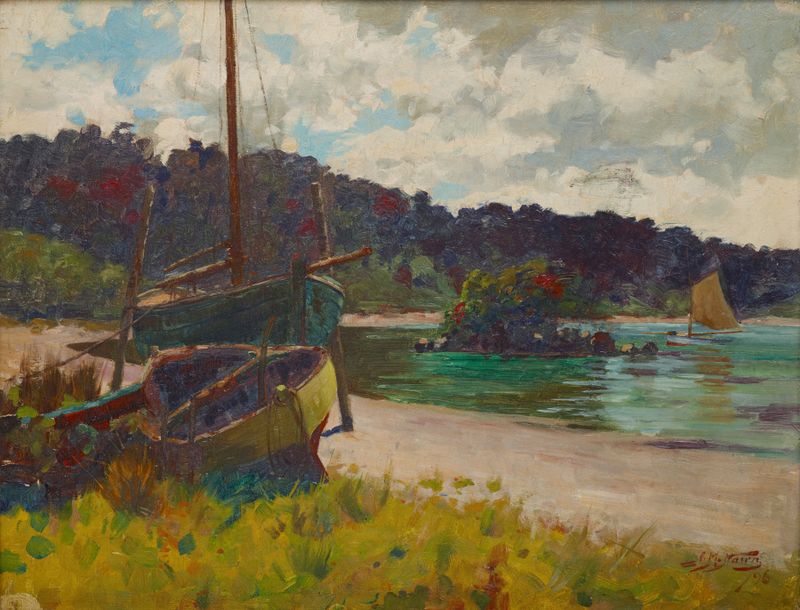
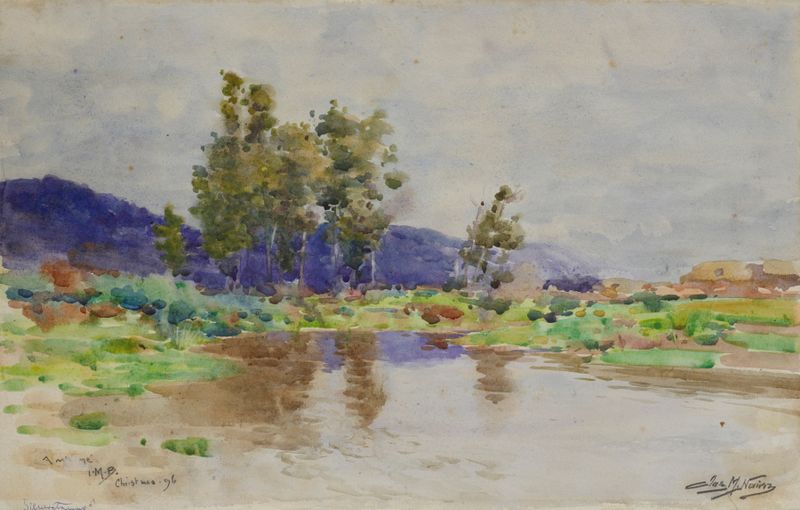
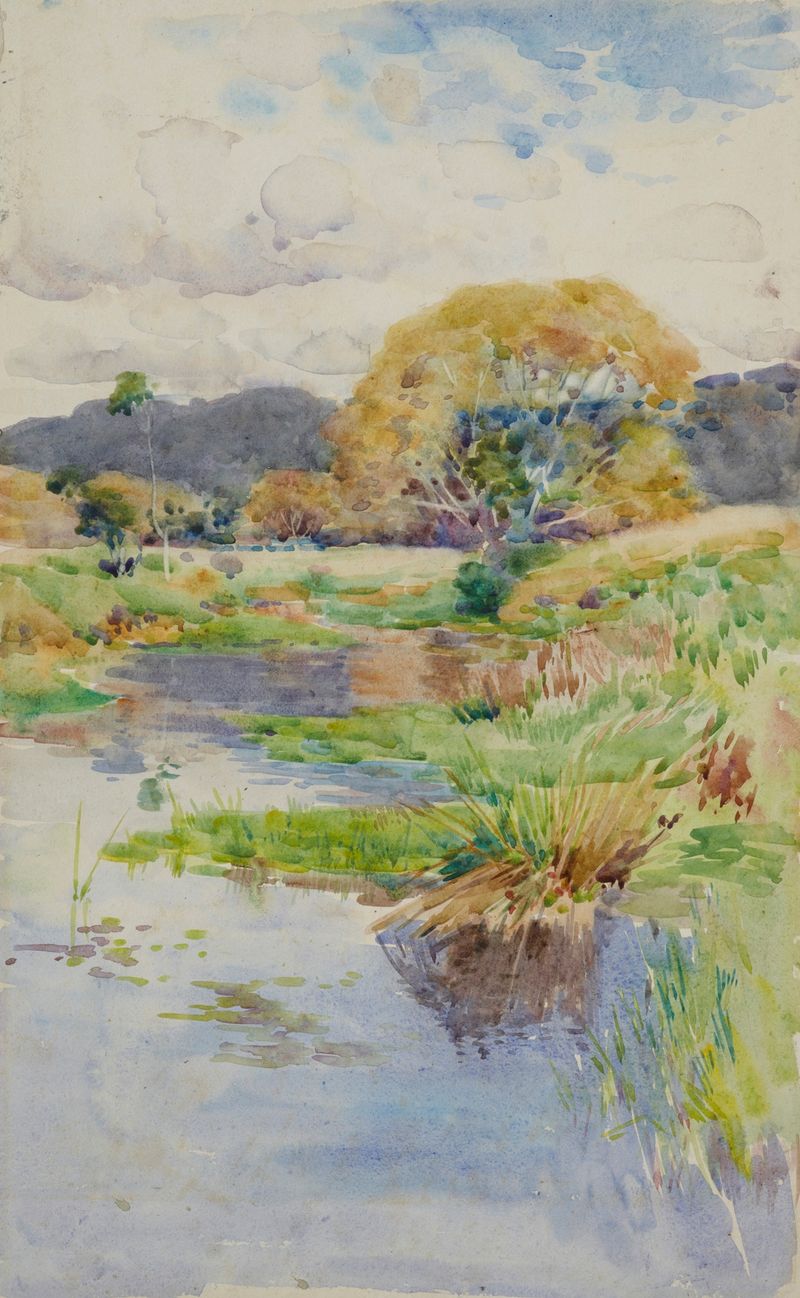
Can paint confess what words never could? In Summer, the canvas blooms with the essence of beauty, an invitation to bask in the warmth of nature's vibrant serenade. Look closely at the soft palette of greens and yellows that wash over the landscape; they seem to whisper of sunlight streaming through lush foliage. Focus on the gentle ripples of the water, where the reflection captures the undulating dance of nearby trees. Notice how the brushstrokes blend effortlessly, creating a dreamy haze that envelops the scene and evokes a deep sense of tranquility. Within this idyllic portrayal lies an interplay of light and shadow, hinting at the transience of summer’s splendor.
The contrast between the bright, sunlit areas and the cooler shadows suggests an underlying tension—the fleeting nature of beauty and time. The serene figures nestled in the background, perhaps lost in thought or conversation, add a hint of humanity, connecting us to the simplicity of life’s ephemeral moments. In 1898, James Nairn created this work while immersed in the burgeoning Impressionist movement in Scotland. Living in Glasgow during a time of artistic exploration and communal engagement, he sought to capture the emotive qualities of light, nature, and personal experience.
Summer reflects this pursuit, a testament to his commitment to portraying the intricate relationship between the viewer and the natural world.