Sunburst in the Riesengebirge — History & Analysis
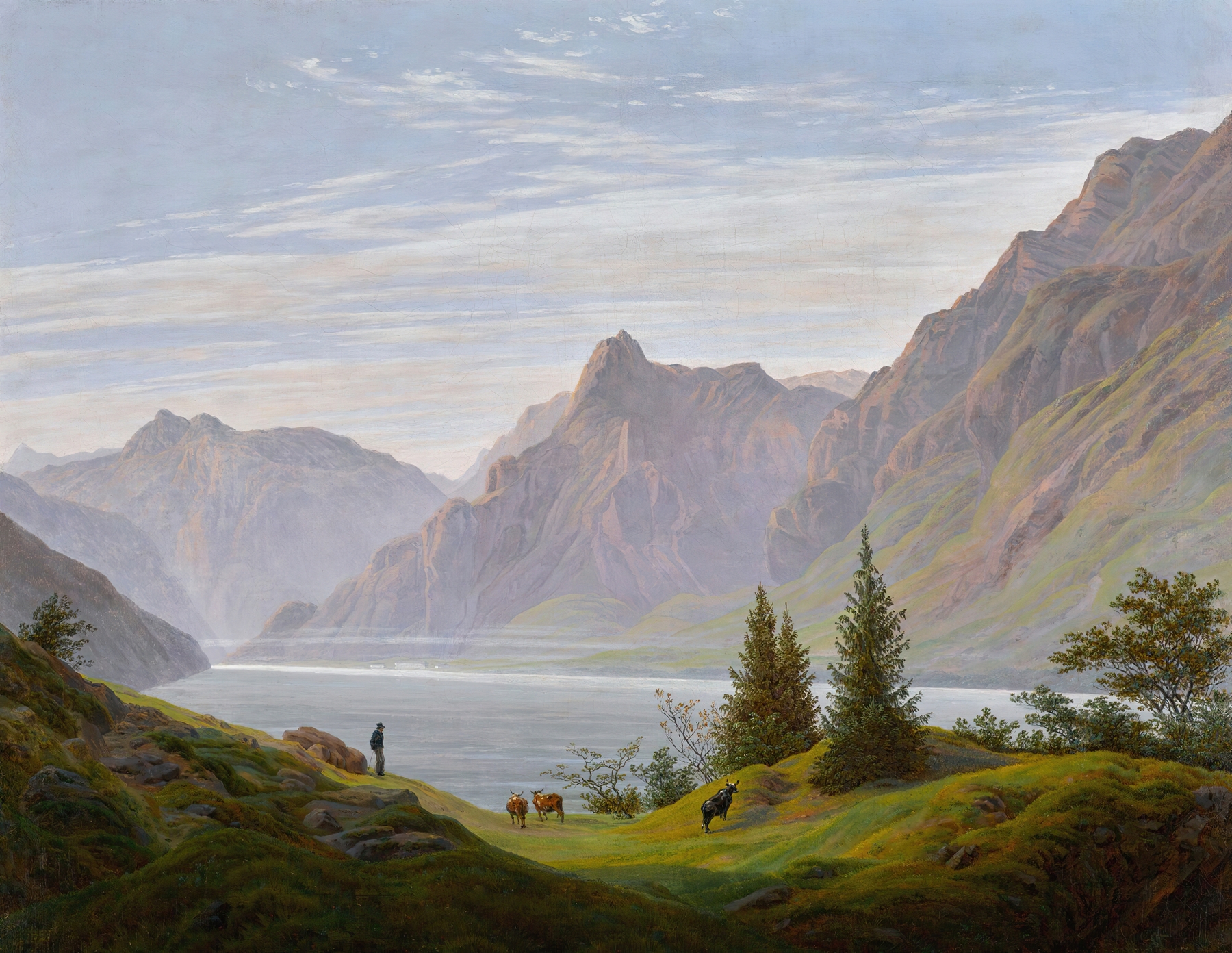
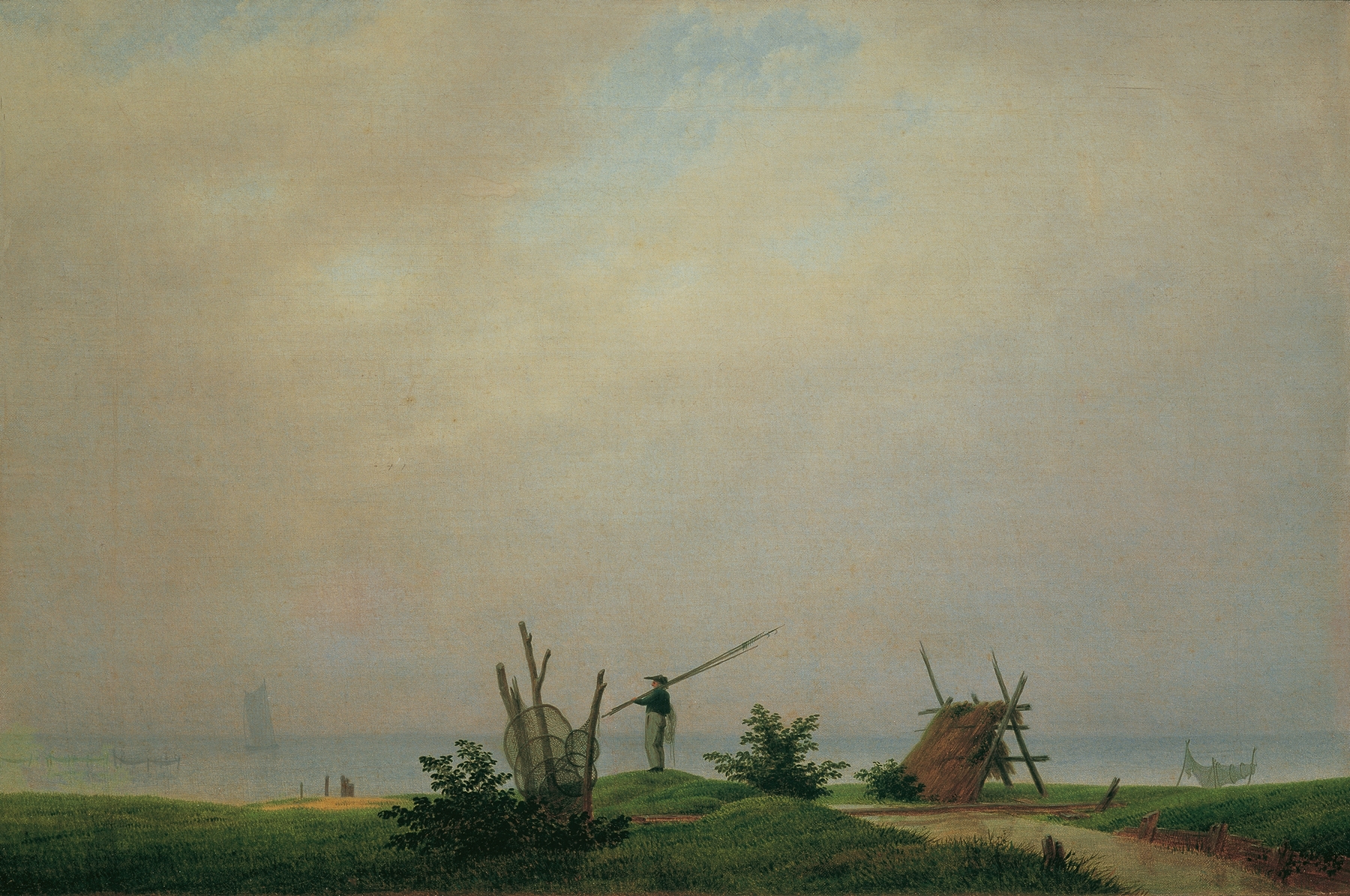
“The canvas doesn’t lie — it simply waits.” In the stillness of solitude, its silence echoes the weight of loneliness, revealing the heart's unspoken yearnings and the isolation of the soul within nature's embrace. In Sunburst in the Riesengebirge, let your eyes first wander to the luminous sky, where vibrant rays of gold burst forth from behind majestic mountains. Notice how the interplay of light and shadow creates a striking contrast, as the deep blues of twilight yield to the warmth of dawn. The jagged peaks are softened by the ethereal glow, guiding your gaze downward where the landscape meets a tranquil expanse of water, reflecting the celestial spectacle above.
Yet it is the subtle details that breathe profound meaning into the scene. The distant mountains, towering yet unattainable, symbolize the isolation that often accompanies grandeur. The sun, a solitary orb breaking through the clouds, mirrors the quest for hope amidst despair.
This painting doesn’t merely depict nature; it encapsulates the internal struggle of an individual seeking connection in a world overflowing with beauty yet tinged by solitude. In 1835, Friedrich painted this piece during a time of personal contemplation and introspection, as he grappled with his own feelings of isolation and the changing tides of Romanticism in art. Living in Germany, where nature served as both a muse and a mirror to the soul, he captured the essence of human emotion entwined with the landscape, reflecting the broader shifts in society and the search for meaning within the sublime.