
Sunrise — History & Facts
Can beauty exist without sorrow? In the mesmerizing glow of dawn, Sunrise captures the delicate balance between light and shadow, inviting viewers to ponder the complexities of existence. Look to the horizon, where soft hues of gold and pink blend seamlessly into the tranquil sky. Notice how the light gently caresses the still waters below, creating a mirror-like surface that reflects both the awakening day and the silent depth beneath. The sun, though barely peeking above the edge, casts a warm, golden aura across the landscape, illuminating the silhouettes of trees and distant hills.
Lorrain employs a masterful technique of chiaroscuro, contrasting the vivid brightness of the sunrise with the darkened forms of nature, evoking a sense of anticipation and tranquil beauty. Yet, beneath this serene façade lies an undercurrent of madness, as the colors blend in a chaotic harmony that hints at the tumultuous emotions of the human spirit. The stillness of the scene, juxtaposed with the vibrant potential of a new day, creates a tension that suggests both hope and despair. It is as if the landscape itself is caught in a moment of awakening, teetering on the edge of joy and melancholy, where each brushstroke questions whether such beauty is a fleeting illusion or a deeper anguish waiting to be unveiled. Painted in 1631, during a period when Lorrain was entrenched in the burgeoning Baroque movement in Rome, Sunrise reflects his evolving mastery of light and atmosphere.
At this time, the artist was exploring the relationship between nature and emotion, mirroring the broader shifts in European art as artists began to explore more personal and introspective themes. This work represents not only Lorrain's technical prowess but also his deep engagement with the complexities of human experience amid the beauty of the natural world.
More Artworks by Claude Lorrain
Browse all →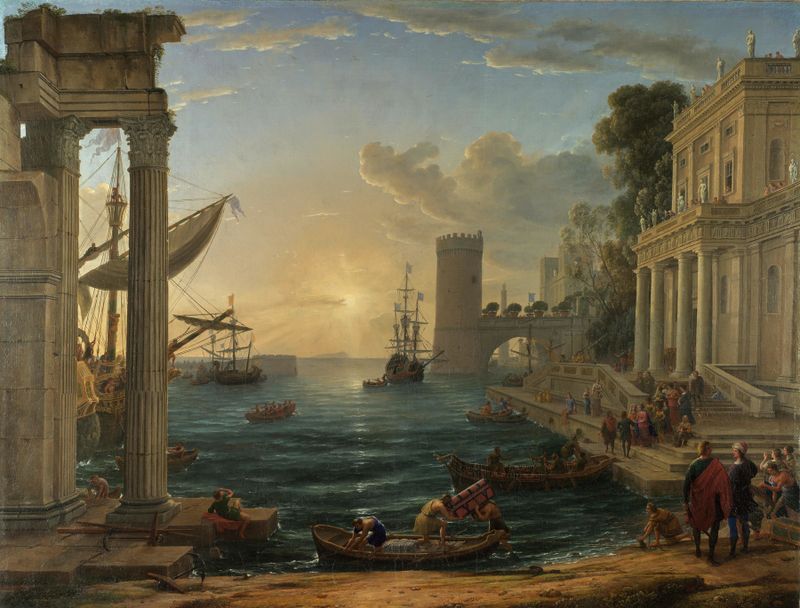
The Embarkation of the Queen of Sheba
Claude Lorrain
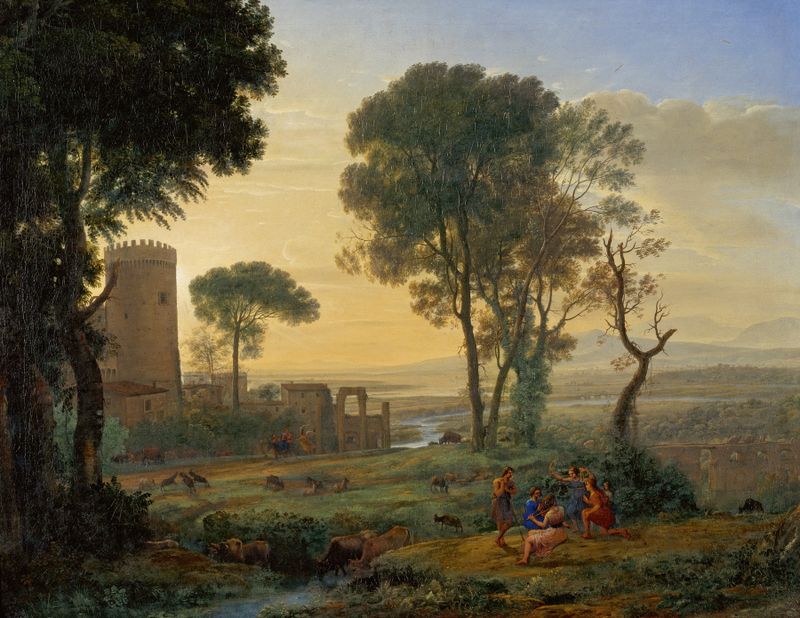
Landscape with the Flight into Egypt
Claude Lorrain
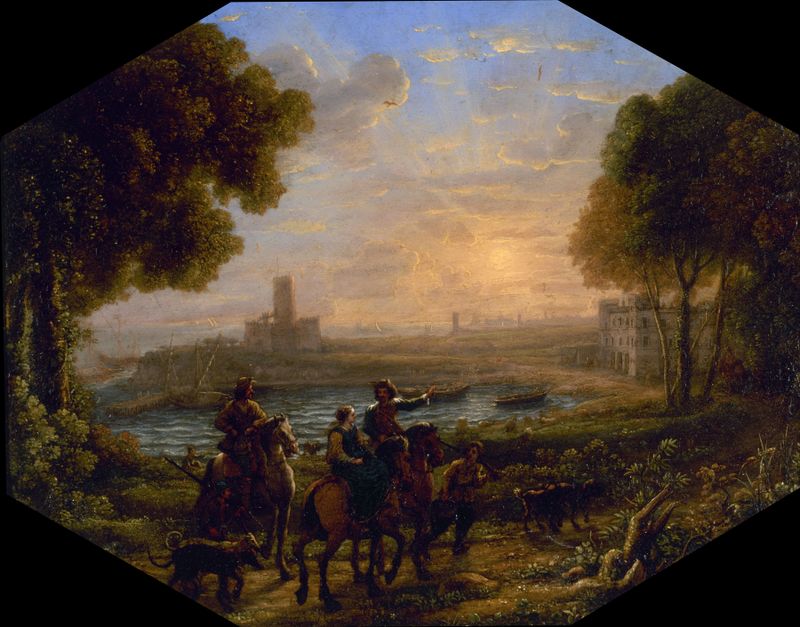
Paysage avec le port de Santa Marinella
Claude Lorrain
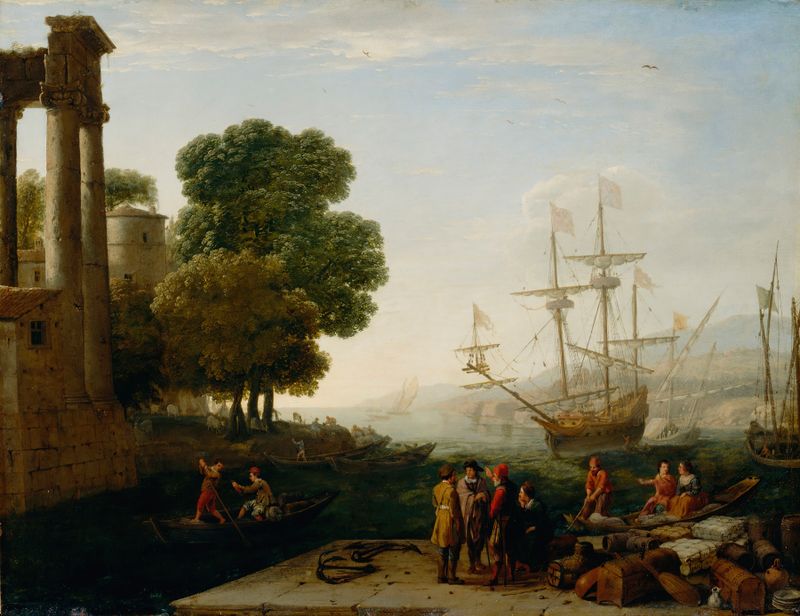
A Seaport at Sunset
Claude Lorrain
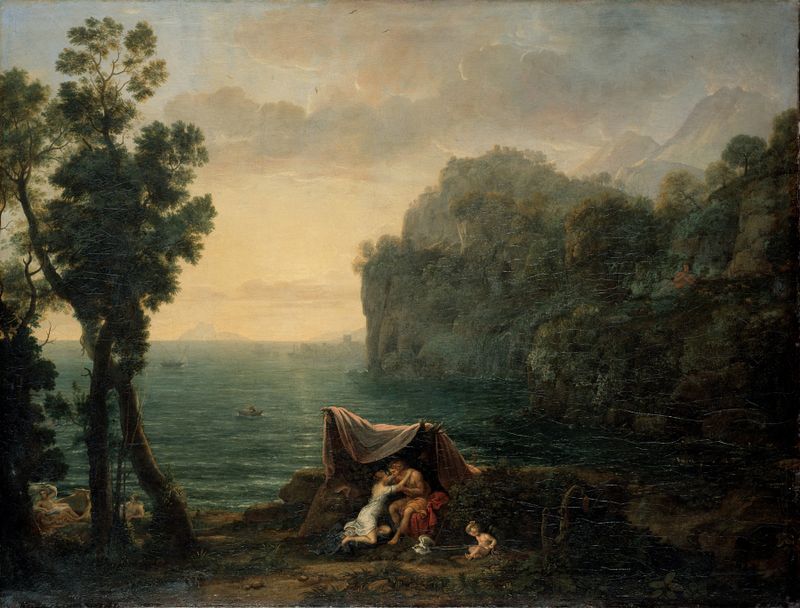
Landscape with Acis and Galatea
Claude Lorrain
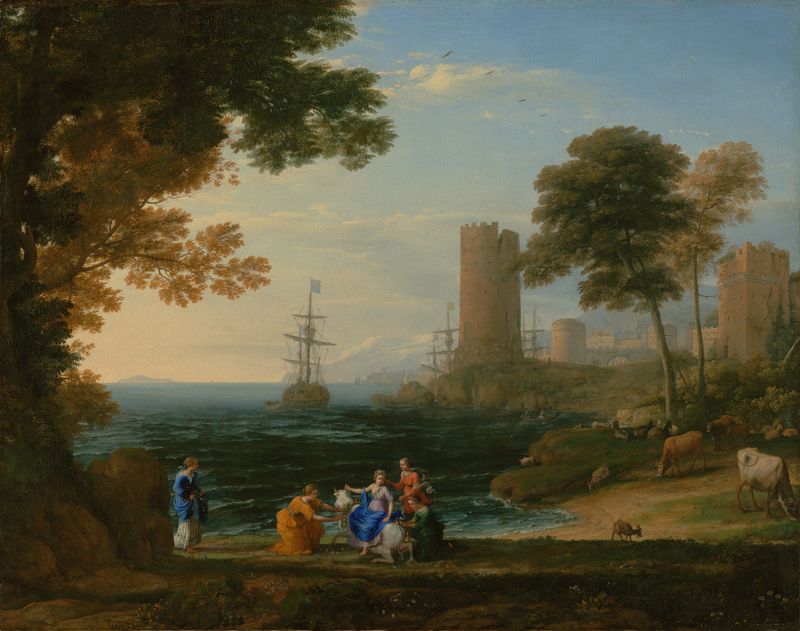
Coast View with the Abduction of Europa
Claude Lorrain
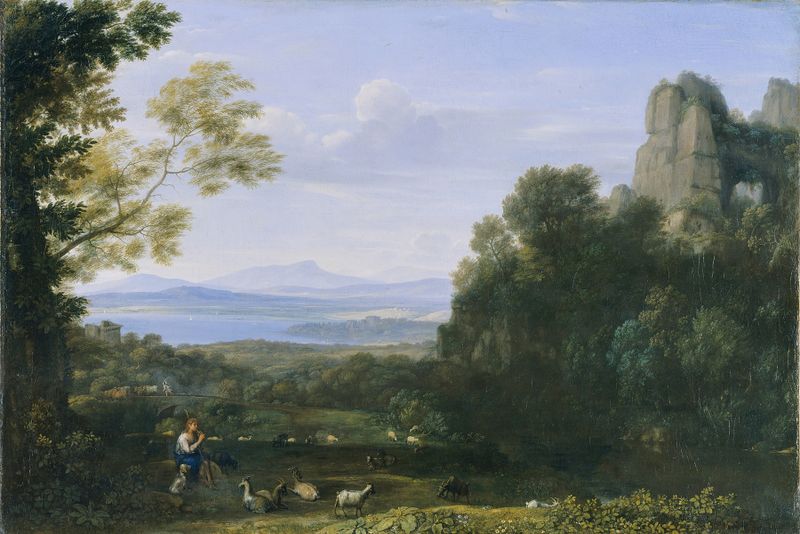
Landscape with Apollo and Mercury
Claude Lorrain
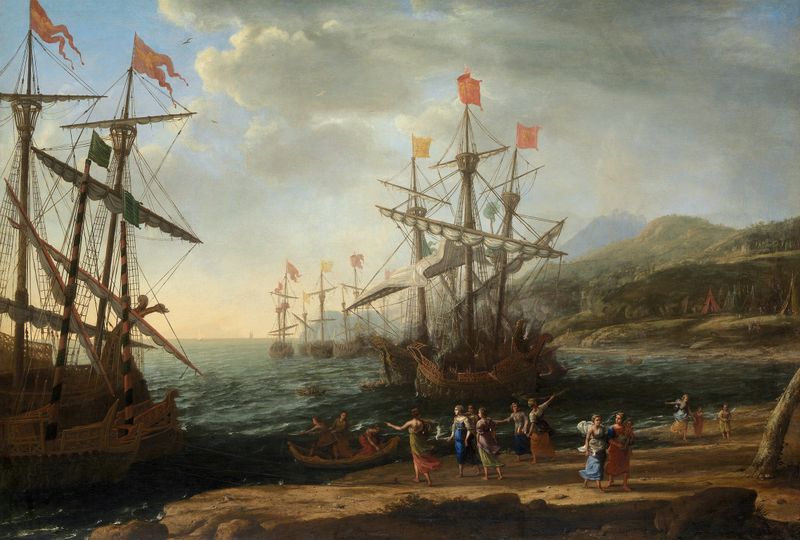
The Trojan Women Setting Fire to Their Fleet
Claude Lorrain
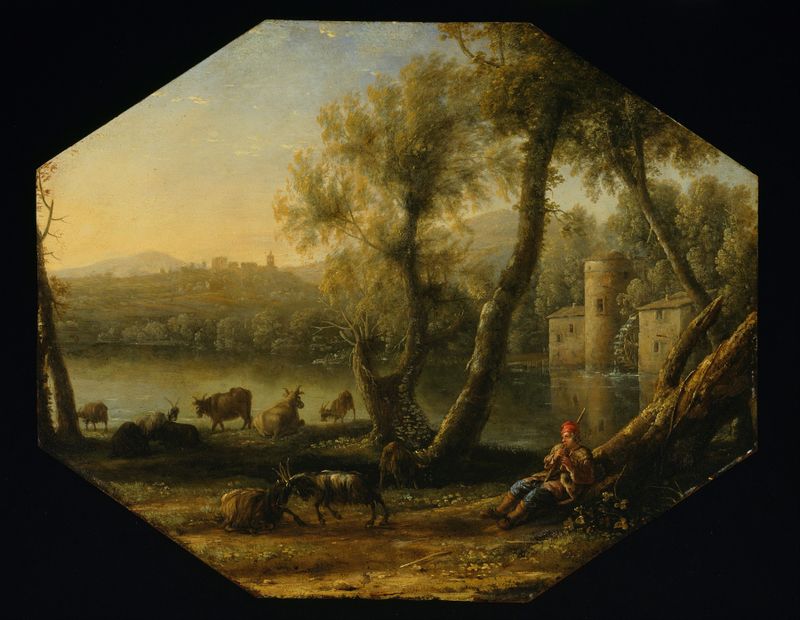
Pastoral landscape
Claude Lorrain
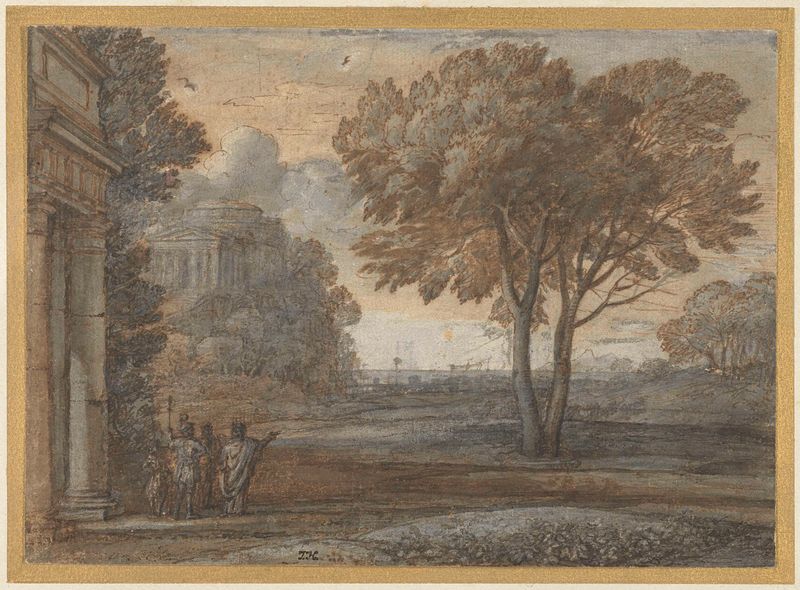
Aeneas op Delos
Claude Lorrain





