
Sunset near Arbonne — History & Facts
In the quiet recesses of our lives, moments linger, whispering of the destinies intertwined with nature. What does it mean to witness the world dissolve into twilight, each hue a fleeting promise of what was and what could be? Look closely at the horizon, where the sun dips low, a molten orb casting a warm glow over the landscape. The vibrant oranges and soft purples bleed into each other, creating a sense of harmony and anticipation.
Notice how the trees, tall and resilient, stand silhouetted against this celestial canvas, their dark forms a counterpoint to the ethereal light. The composition draws the eye toward the interplay of shadow and illumination, evoking a profound sense of transition. Within this moment lies an exploration of fate and time. The tranquil water reflects both the fiery sky and the looming darkness, symbolizing the duality of existence—hope and despair, promise and uncertainty.
Each brushstroke conveys not just light but also emotion, the impermanence of daylight mirroring the ephemerality of life itself. The subtle movement of clouds hints at the inevitable passage of time, urging viewers to contemplate their own narratives within this serene yet powerful tableau. In the mid-19th century, Rousseau painted this piece during a transformative period for landscape art, situated in Barbizon, France. Here, he aligned himself with the emerging realist movement, seeking to capture the beauty of nature with sincerity and emotion.
As he grappled with personal and artistic challenges, Sunset near Arbonne became a reflection of not only his mastery of light but also his connection to the world’s transient beauty.
More Artworks by Théodore Rousseau
Browse all →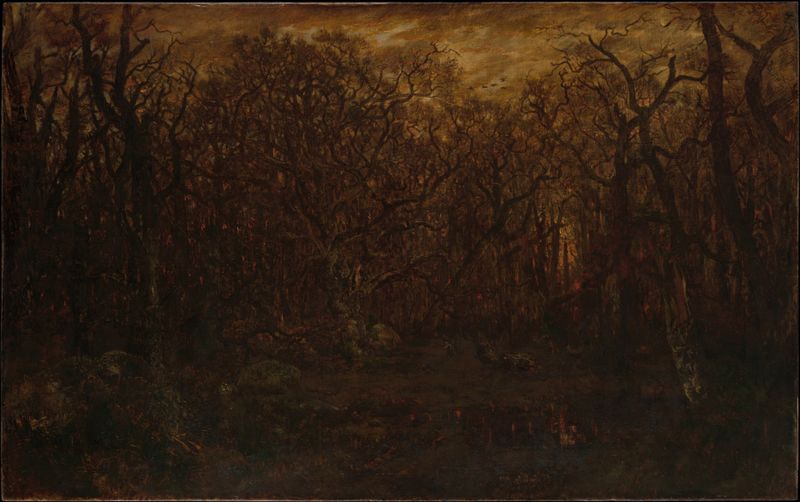
The Forest in Winter at Sunset
Théodore Rousseau
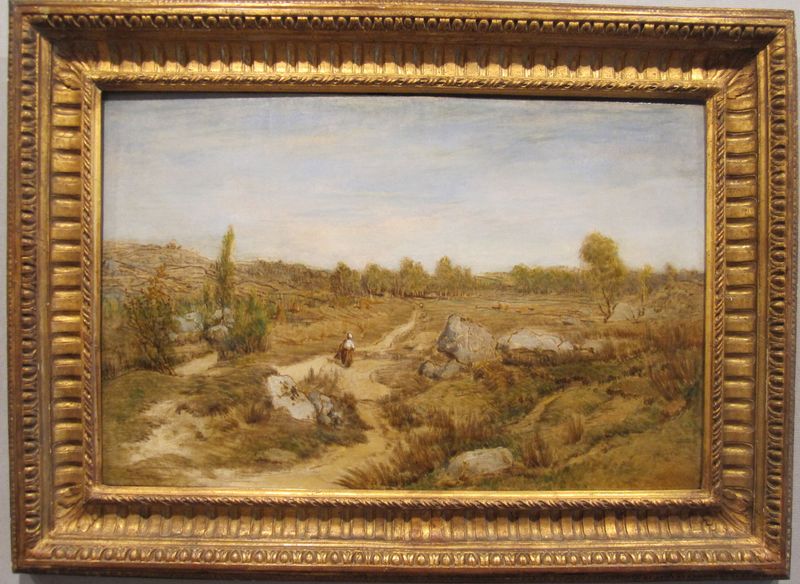
Valley of the Rouars in the Gorges d’Apremont
Théodore Rousseau
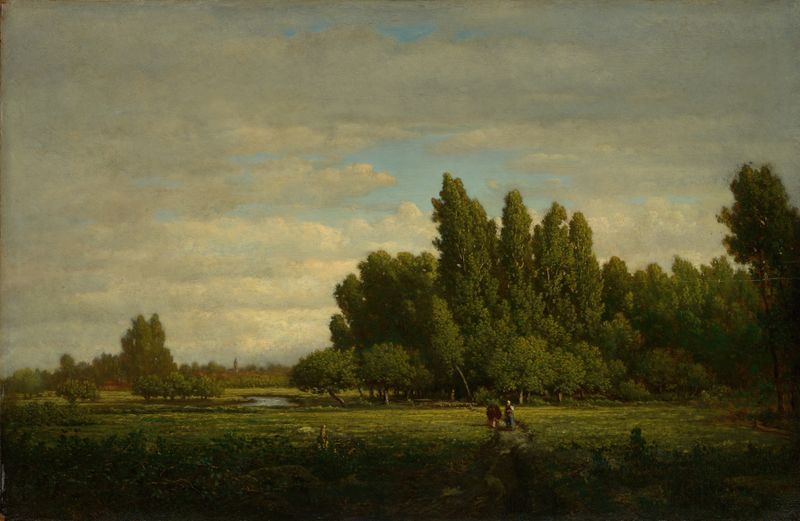
A Meadow Bordered by Trees
Théodore Rousseau
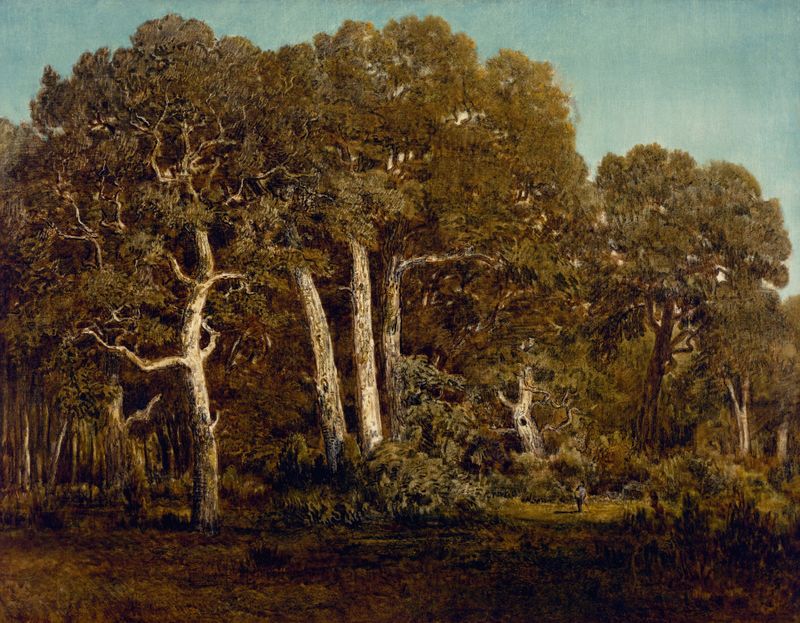
The Great Oaks of Old Bas-Bréau
Théodore Rousseau
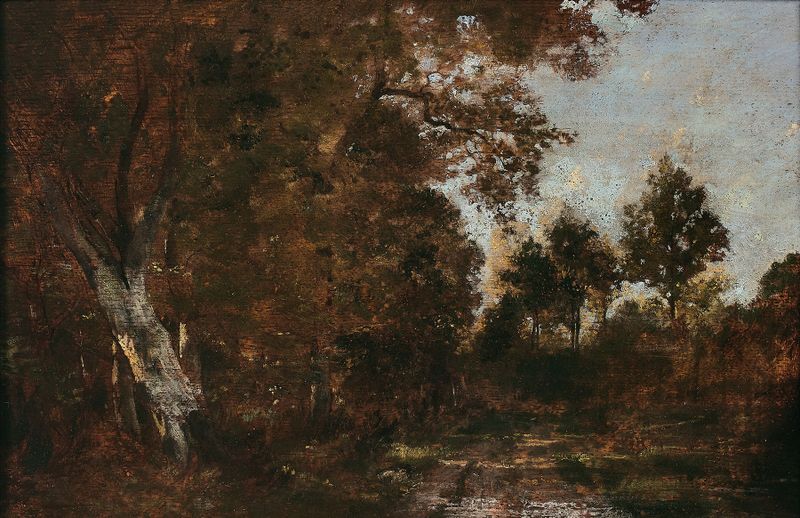
Paysage de sous-bois
Théodore Rousseau
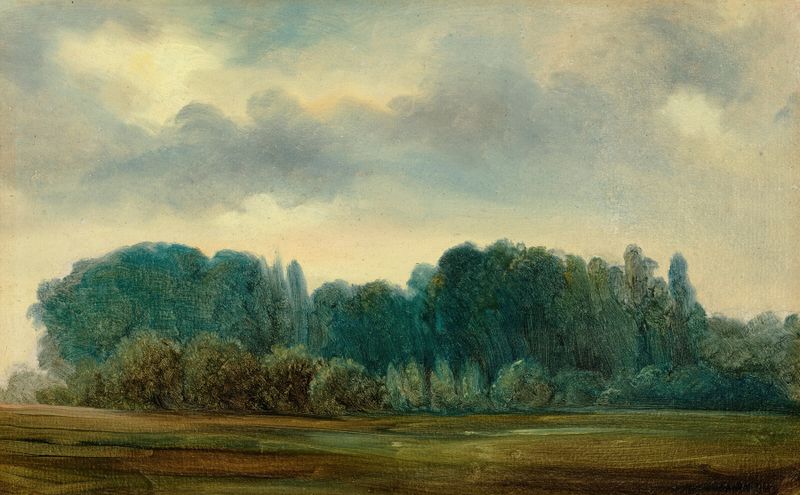
Paysage
Théodore Rousseau
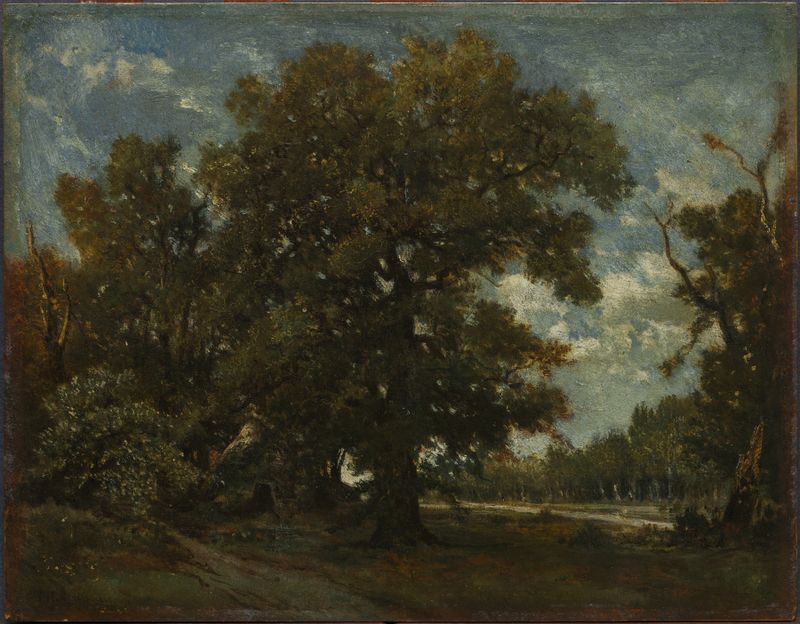
The Oak Tree
Théodore Rousseau
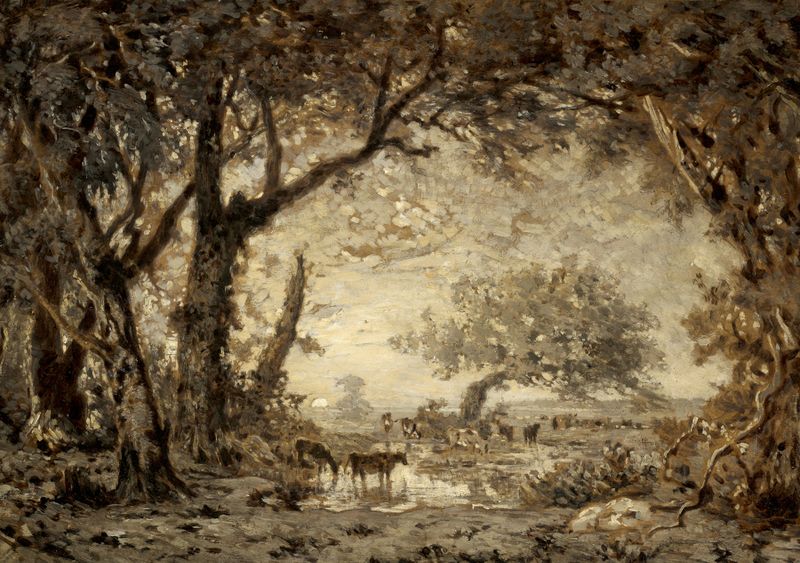
Sunset from the Forest of Fontainebleau
Théodore Rousseau
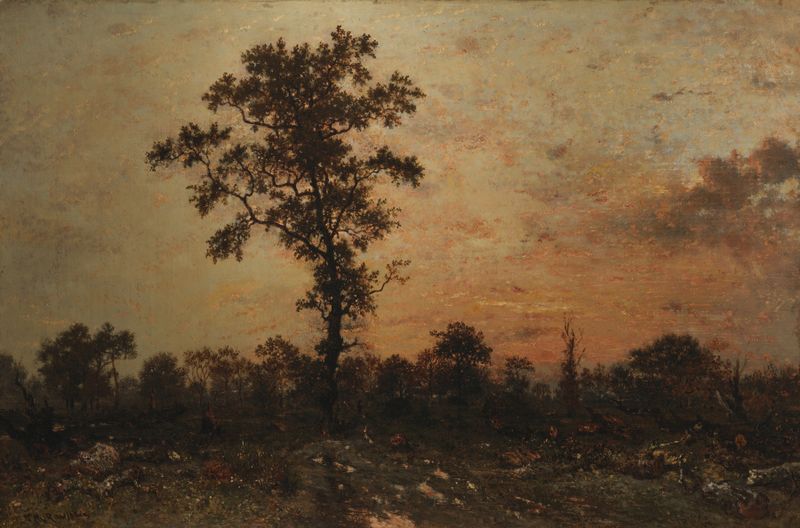
Edge of the Forest, Sun Setting
Théodore Rousseau
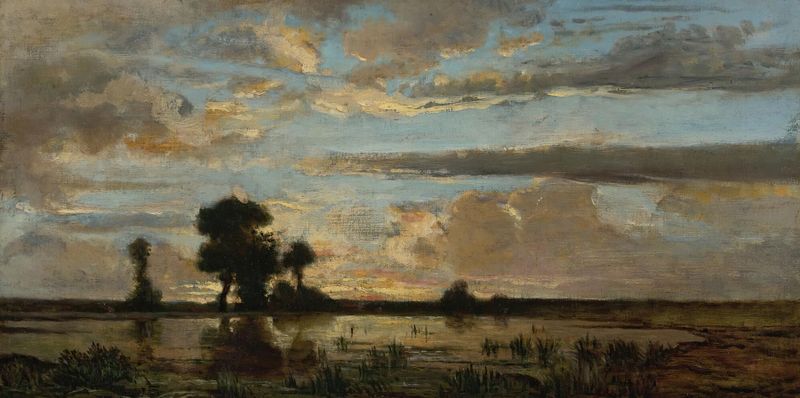
Soleil Couchant
Théodore Rousseau





