
Sunshine — History & Facts
In a world painted with hues, the very essence of color whispers stories untold, inviting us to engage with its vibrancy. Look to the center of the canvas, where a burst of golden yellow radiates as if the sun itself has taken residence upon the surface. Notice how the artist deftly blends warm shades, allowing them to flow seamlessly into cooler blues and greens at the periphery, creating a harmonious tension. The composition, balanced yet dynamic, draws the eye in a dance across the canvas, evoking the feeling of warmth and light as it spills into the surrounding space. Beneath this radiant facade lies a subtle tension between light and shadow, joy and contemplation.
The interplay of colors can be seen as an allegory for hope amidst darkness, as if each stroke captures fleeting moments of happiness that are constantly in flux. In this delicate balance, one might sense the artist's exploration of the ephemeral nature of existence, urging viewers to reflect on their own experiences of light and shade in life. In 1838, Frank Howard created Sunshine during a period when Romanticism was flourishing, emphasizing emotion and nature's beauty. This canvas reflects his deep engagement with the changing perceptions of color and light characteristic of the era.
Amidst a backdrop of societal shifts and the evolving art world, Howard's work emerged, capturing not just a visual moment, but an emotional landscape that resonates with viewers even today.
More Artworks by Frank Howard
Browse all →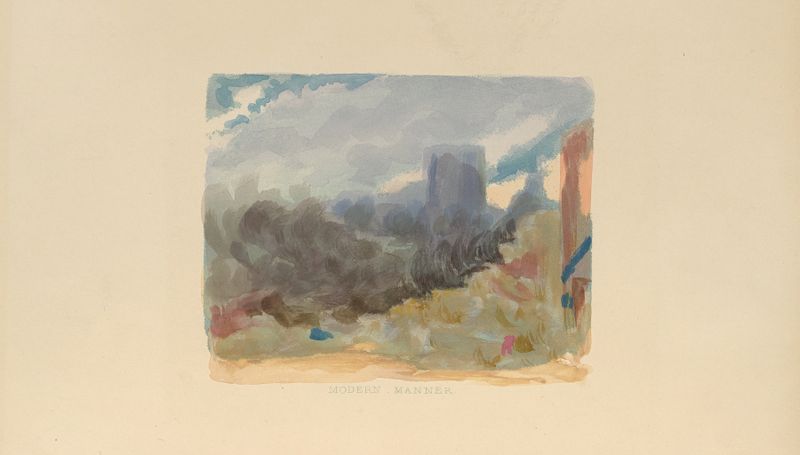
Modern Manner
Frank Howard

Sunset
Frank Howard
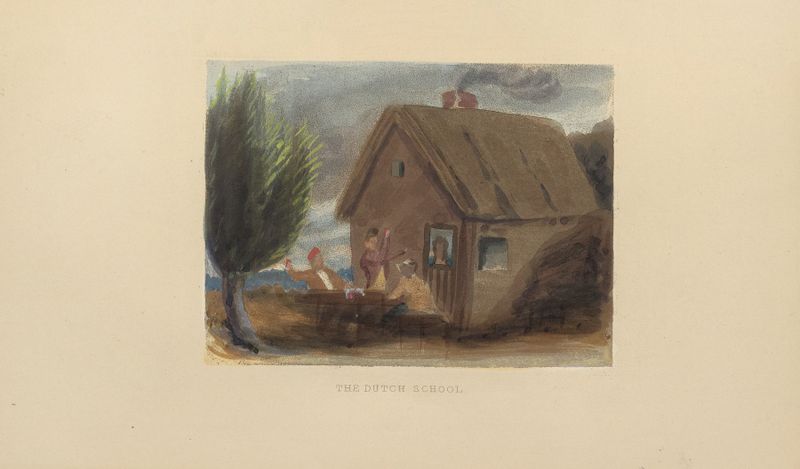
The Dutch School
Frank Howard

Ostade’s Principle
Frank Howard

Another Principle of Turner
Frank Howard
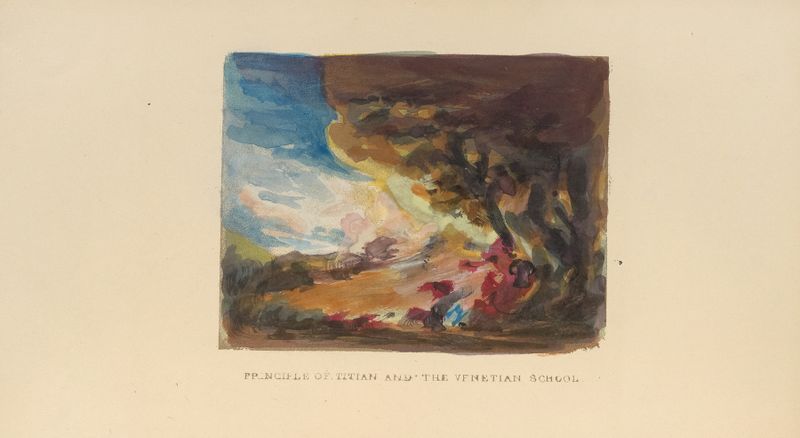
Principle of Titian and the Venetian School
Frank Howard
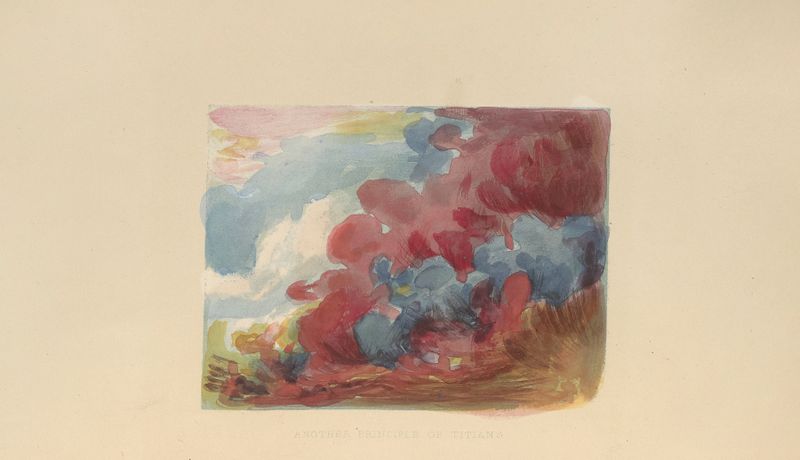
Another Principle of Titian
Frank Howard
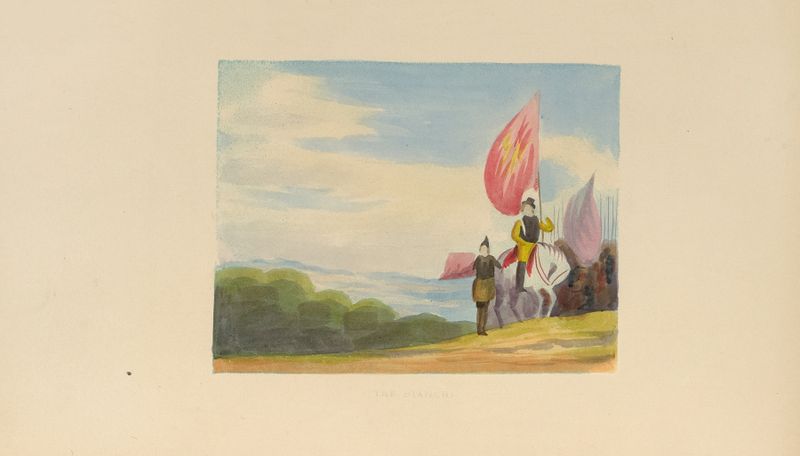
The Bianchi
Frank Howard
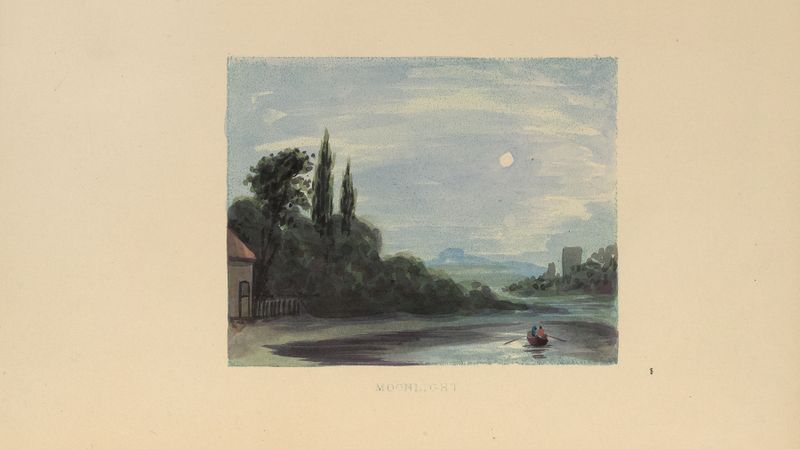
Moonlight
Frank Howard
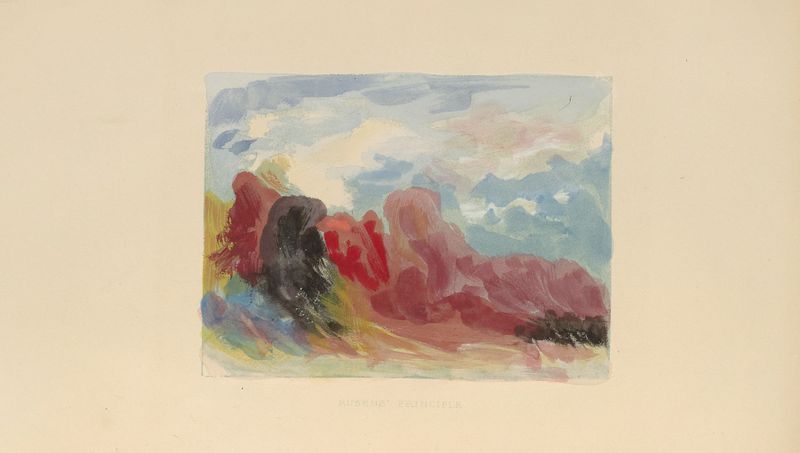
Ruben’s Principle
Frank Howard





