
Susanna and the Elders — History & Facts
What first seizes the eye in Susanna and the Elders is not the biblical drama but a palace so fantastical it seems conjured from a dream of Renaissance grandeur. The architecture towers and sprawls, its creamy arcades and red accents stacked in improbable layers, drawing the viewer into a world where every detail is a feast for the senses. In the foreground, a lush carpet of grass and flowers frames a quiet moment: Susanna, attended by her maids, is caught in a scene of uneasy leisure, her body language tense even as she sits.
The artist leads us from the intimacy of this garden, up the steps, and into the teeming life of the palace, where crowds gather in tiny, jewel-like groups, each absorbed in their own affairs. The sky swirls overhead, its restless energy echoing the tension below. Painted in 1526, this work belongs to a moment in early sixteenth-century Germany when artists like Albrecht Altdorfer reveled in storytelling through landscape and architecture as much as through the human figure. Such paintings were often commissioned by wealthy burghers or civic leaders eager to display both piety and sophistication, and they delighted in settings that blended the biblical past with the marvels of their own age.
The story of Susanna, a paragon of virtue threatened by corrupt elders, was a favored subject, but here the drama is almost secondary to the sheer invention of the setting. History has kept few traces of this particular painting’s journey, but its place in the bavarikon.de collection today invites us to linger over every turret, every patterned garment, and to imagine the world that dreamed it into being.
More Artworks by Albrecht Altdorfer

Landscape with Two Pines
Albrecht Altdorfer
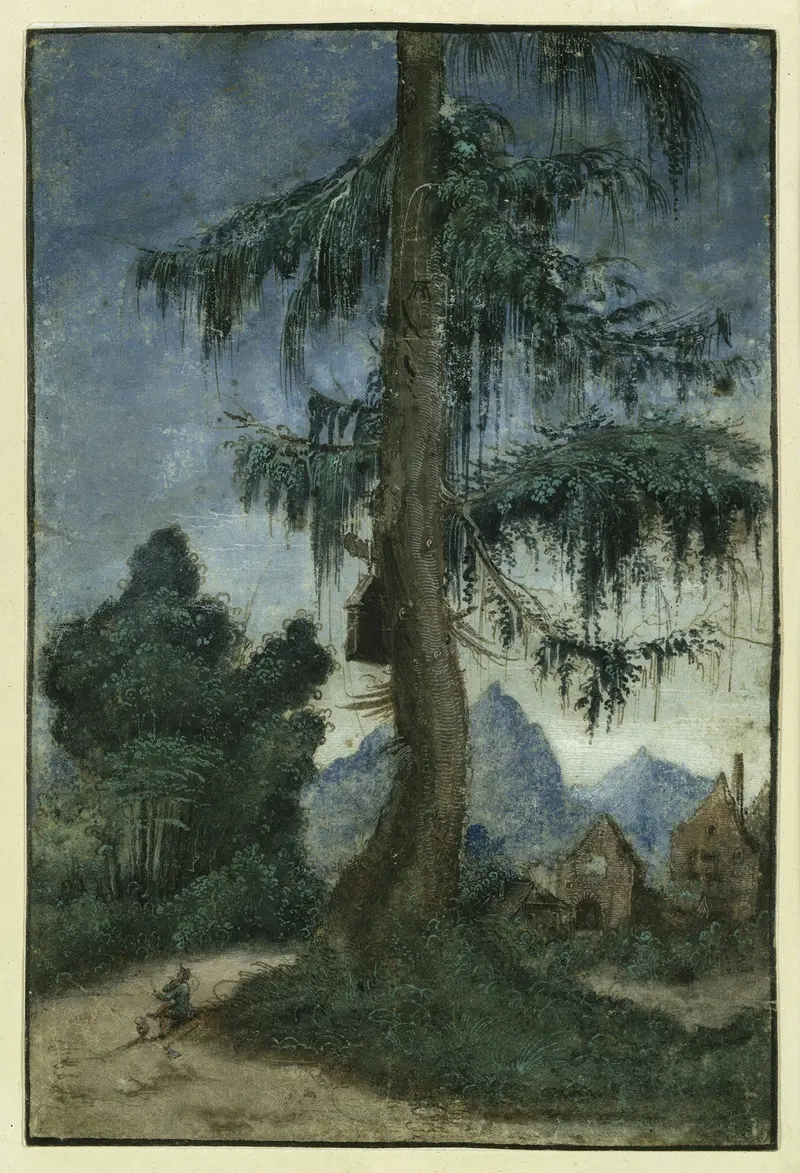
Landscape with spruce
Albrecht Altdorfer
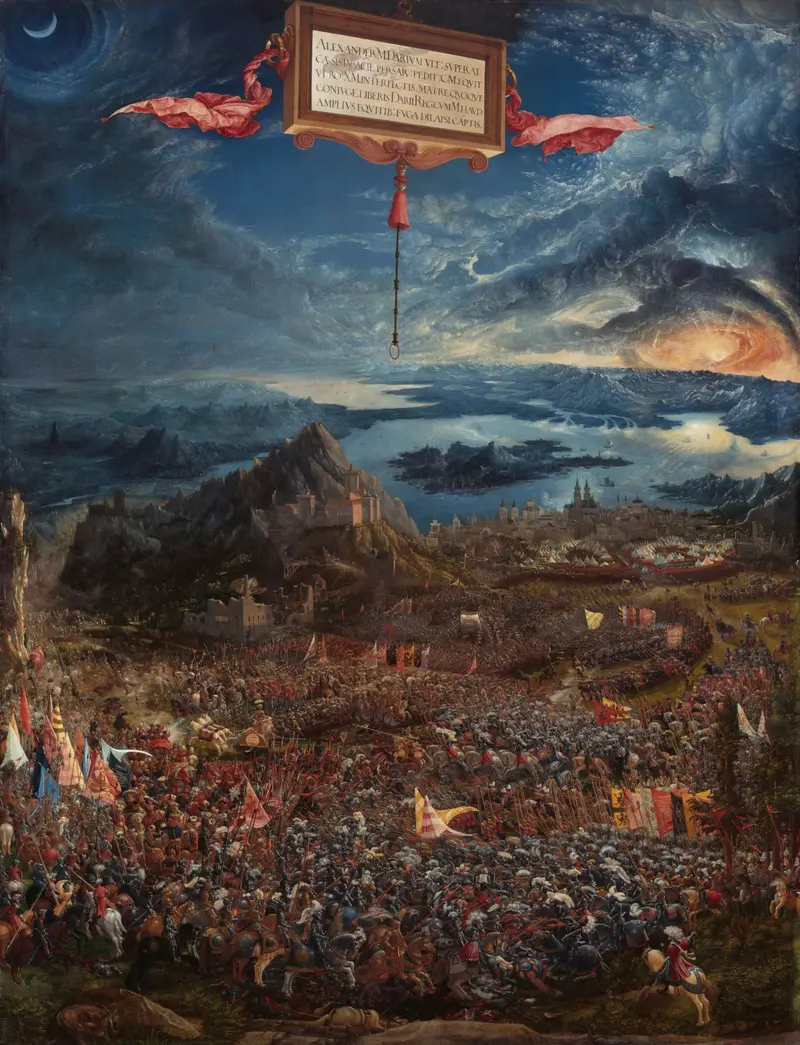
The Battle of Alexander at Issus
Albrecht Altdorfer
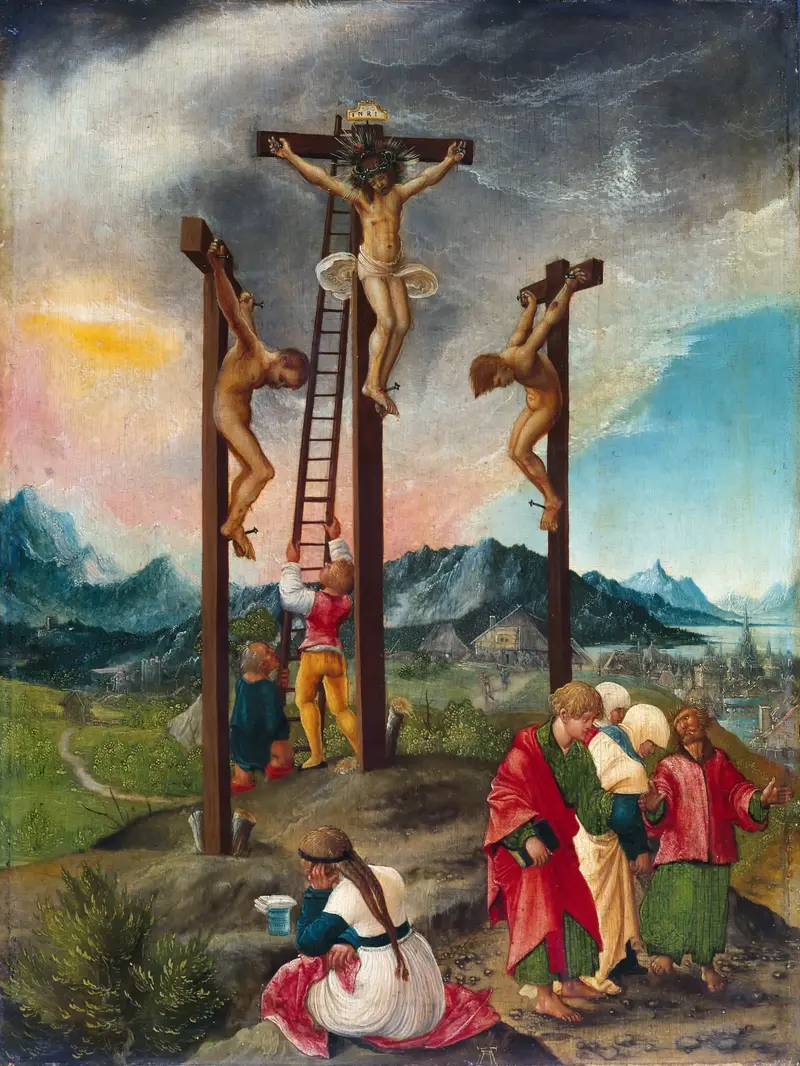
Christ on the Cross between the Two Thieves
Albrecht Altdorfer
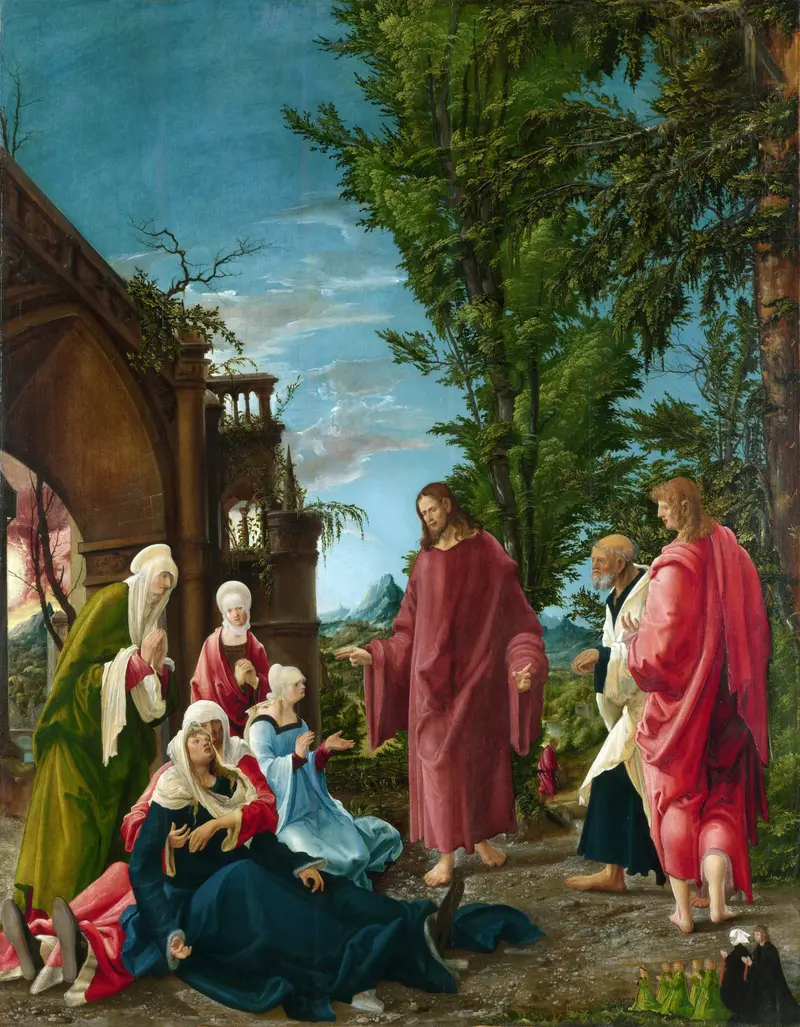
Christ Taking Leave of his Mother
Albrecht Altdorfer
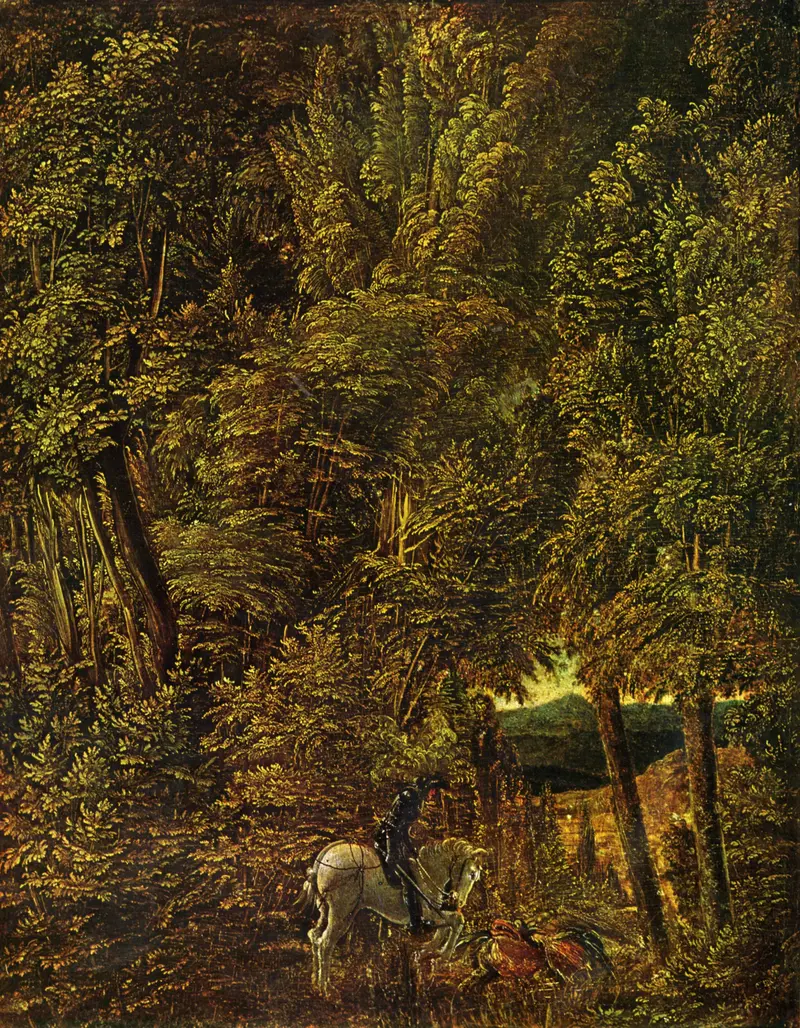
Countryside of Wood With Saint George Fighting the Dragon
Albrecht Altdorfer
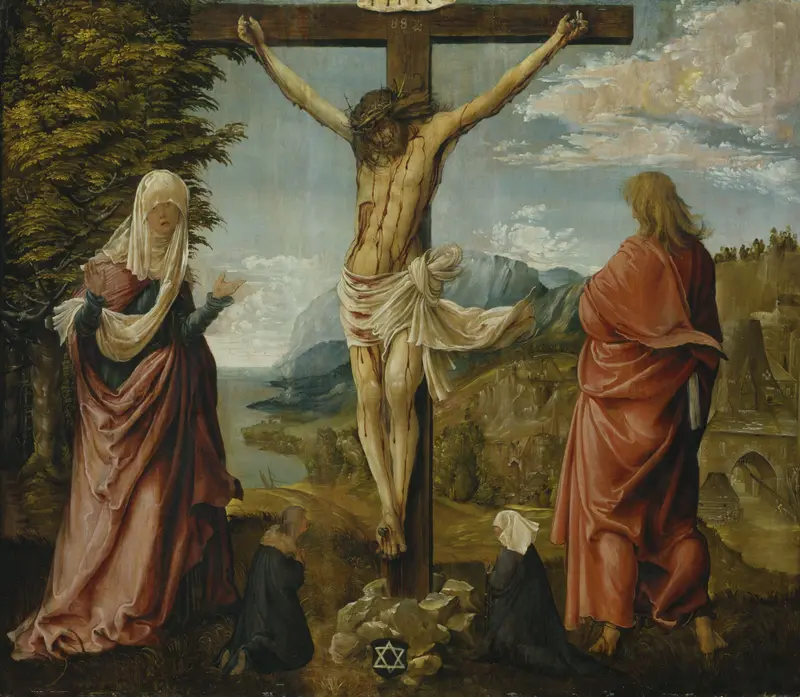
Crucifixion with Mary and John
Albrecht Altdorfer
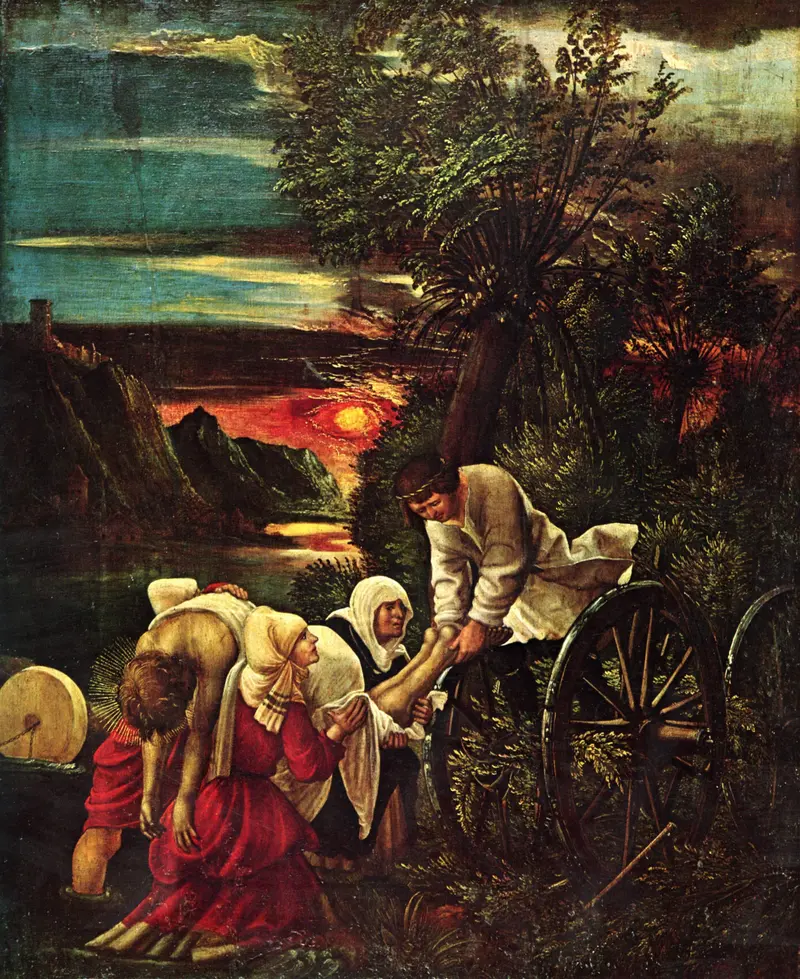
Finding of the Body of Saint Florian
Albrecht Altdorfer
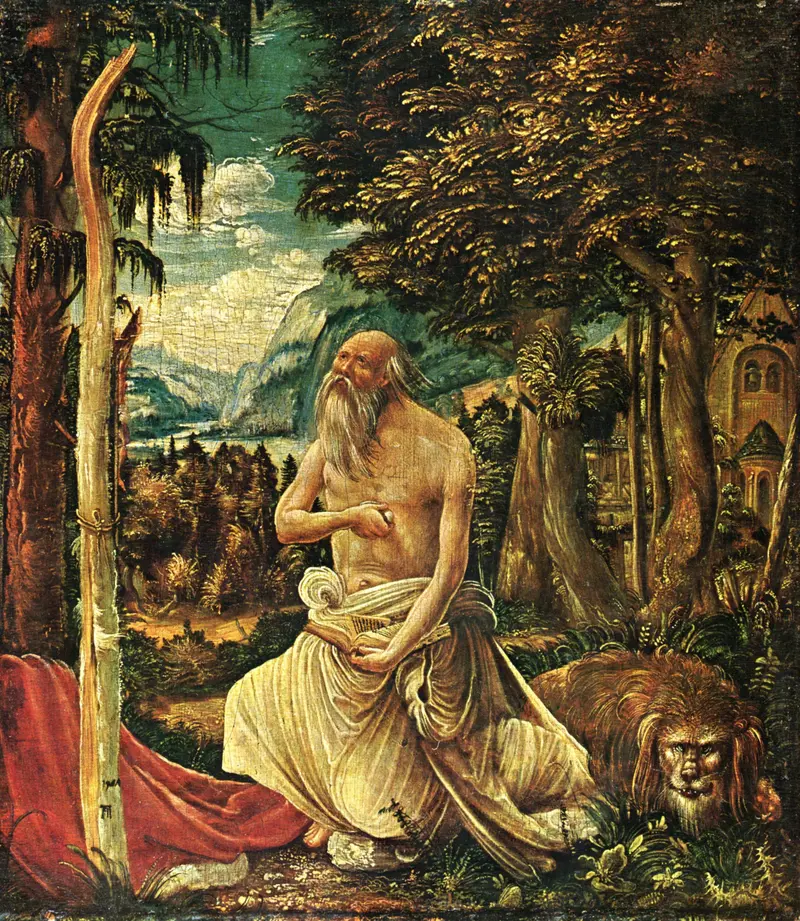
Penitent Hieronymus
Albrecht Altdorfer
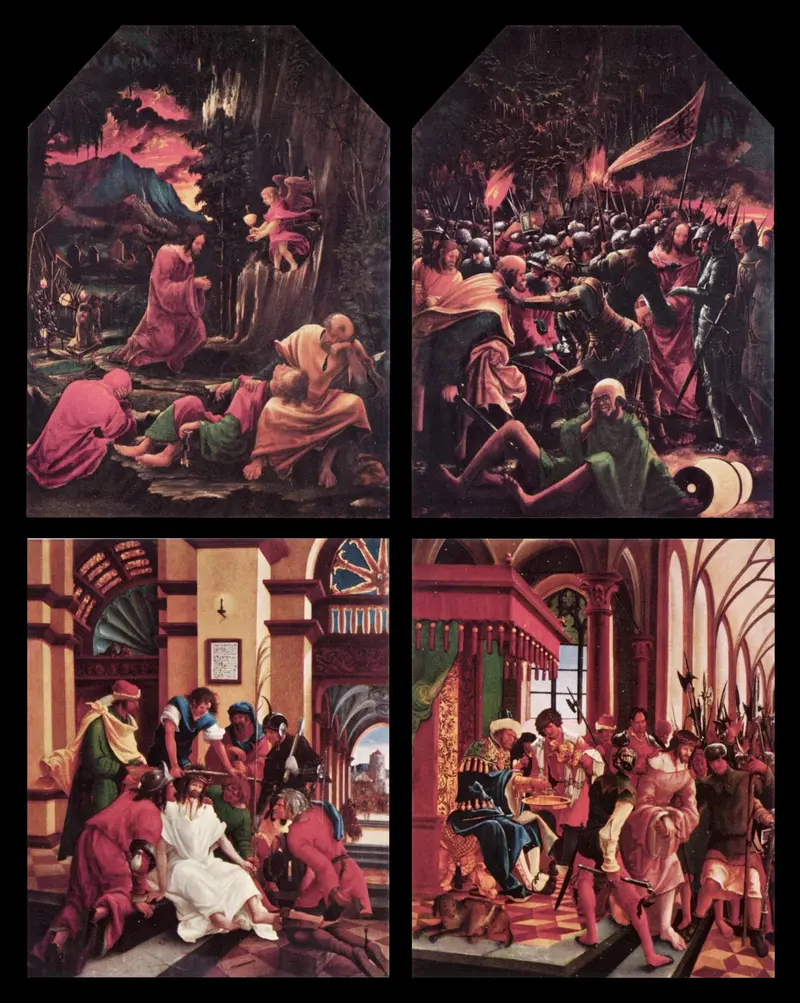
Pilate Washing His Hands by Altdorfer
Albrecht Altdorfer





