
Tabernacle in St James’s church, Louvain — History & Facts
Within the silence of St. James’s Church, Louvain, a solemn tabernacle stands, cradling sacred memories and unspoken prayers. It is not merely a structure; it is a keeper of time, a vessel for faith, and a reflection of spirituality rendered in wood and gold. Focus on the intricate details of the tabernacle, where gold leaf glistens beneath the soft illumination of candlelight.
Notice the delicate carvings that weave stories into the wood, guiding your gaze along the ornate lines and figures that seem to breathe with life. Each brush stroke is a deliberate choice, the lush colors of deep reds and vibrant blues contrasting sharply against the earthy tones, evoking both reverence and warmth. Beyond the striking aesthetics lies a narrative of faith and memory. The juxtaposition of light and shadow plays out across its surface, suggesting the eternal dance between hope and despair.
Hidden in the carvings are echoes of the community that built this sacred space, their devotion captured in every curve and angle. The tabernacle embodies the tension between the divine and the mundane, a sanctuary that reflects the turmoil of those who seek solace within its walls. François Stroobant painted this work between 1852 and 1878, at a time when the religious fervor in Belgium was palpable. As the country faced social and political changes, the artist channeled his understanding of faith into this representation of a church artifact.
Stroobant’s work arose amidst the Romantic movement, where artists sought to express deeper emotional truths, and this tabernacle serves as a testament to the enduring connection between art and spirituality in a rapidly changing world.
More Artworks by François Stroobant
Browse all →
Interior of the church of Notre Dame du Sablon at Brussels
François Stroobant
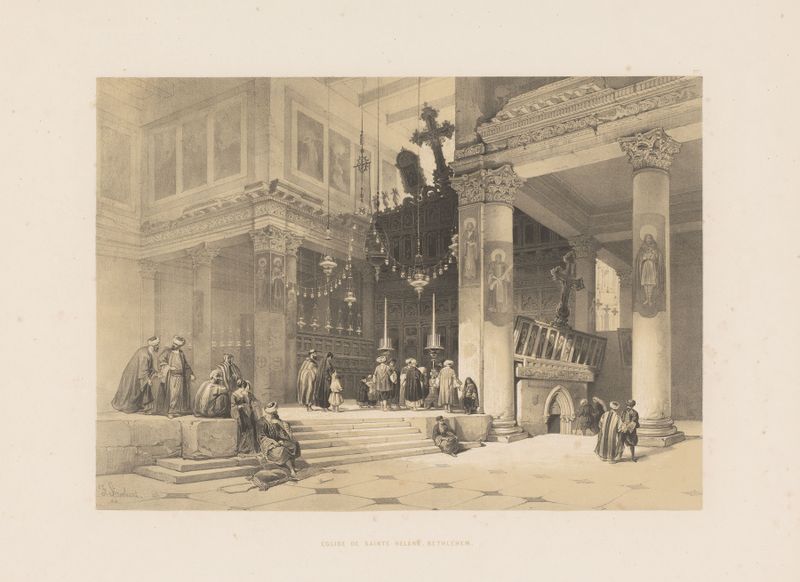
Église de sainte Hélène. Bethléhem
François Stroobant
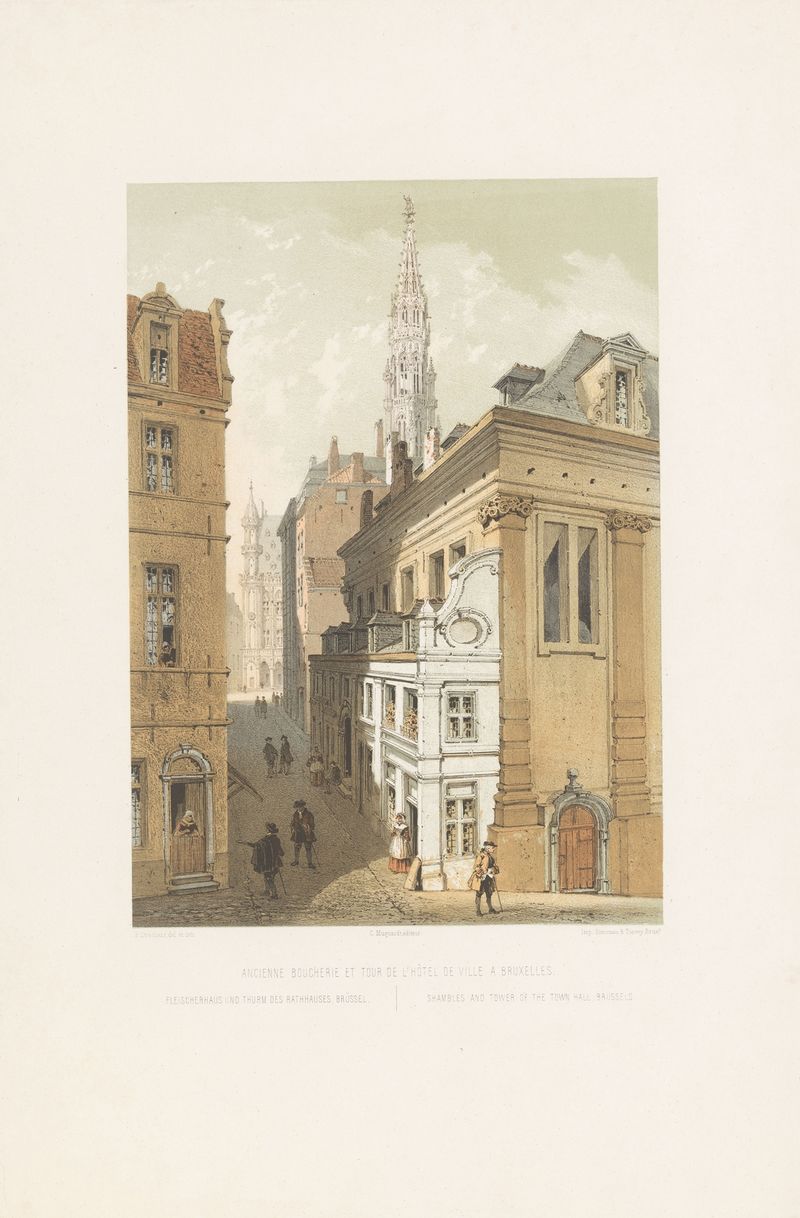
Shambles and tower of the town hall, Brussels
François Stroobant

Intérieur de l’église Grecque du Saint-Sépulcre
François Stroobant
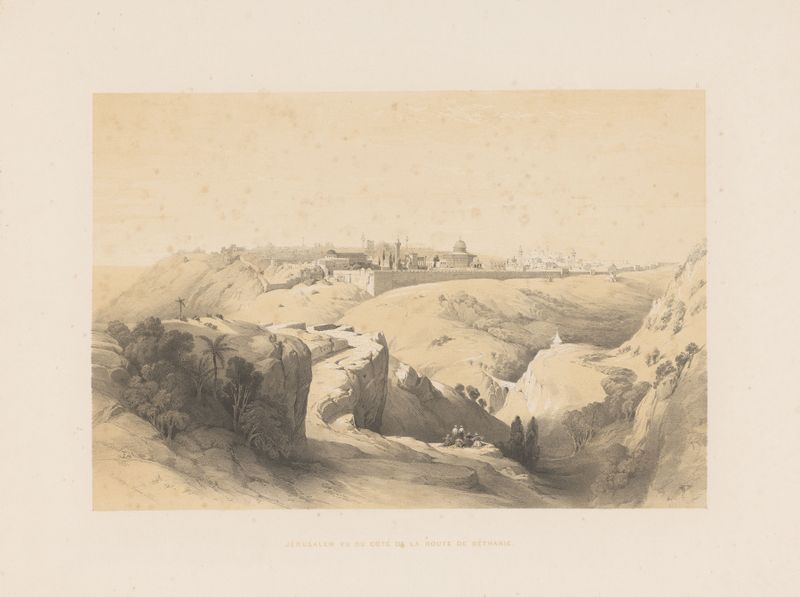
Jérusalem vu du coté de la route de Béthanie
François Stroobant

Le tabernacle du Saint-Sépulcre
François Stroobant

Town hall Brussels
François Stroobant

Fontaine de Jacob à Sichem
François Stroobant
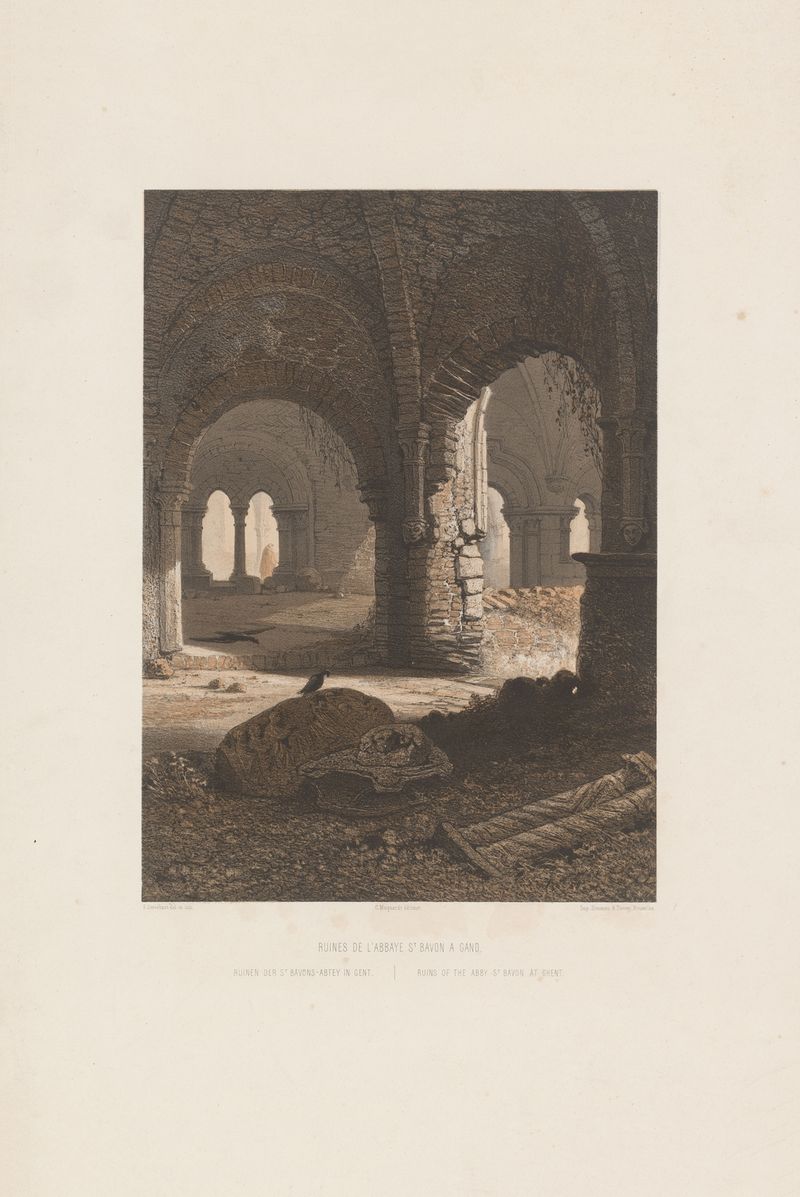
Ruins of the abby St Bavon at Ghent
François Stroobant

Vue de Naplouse
François Stroobant
More Religious Art
Browse all →
The Return of the Prodigal Son
Rembrandt van Rijn

The Garden of Earthly Delights
El Bosco

Count Orgaz’ funeral
El Greco

The Hundred Guilder Print: the central piece with Christ preaching, the plate arched
Rembrandt van Rijn

The Descent from the Cross
Rogier van der Weyden

The return of the prodigal son
Rembrandt van Rijn