
Tabernakel met patroon van cherubs — History & Facts
In the intricate dance of color and form, one discovers the sublime transcendence that art can achieve. The harmony of the divine and the earthly beckons us to explore deeper meanings hidden within the brushstrokes. Look to the top of the canvas where cherubic figures frolic amidst a swirling tapestry of gold and azure. Their playful gestures and serene expressions suggest a celestial joy, inviting viewers to share in their ethereal realm.
The meticulous detailing of each cherub, rendered in warm tones, creates a striking contrast against the cool, shadowy background, emphasizing their otherworldly nature. The composition's symmetry not only draws the eye but also imparts a sense of order amid the divine chaos. Beyond the surface beauty lies a rich interplay of themes: the juxtaposition of innocence and spirituality, the tension between the mortal observer and the celestial beings, and the invitation to ascend toward the sacred. Each cherub serves as a reminder of the divine presence in everyday life while also representing the fragility of human existence.
The intricate patterns wrapping around the tabernacle tell a story of devotion and aspiration, urging us toward a sense of grace. Created between 1523 and 1526, this work emerged during a period when Cranach was deeply engaged with the Reformation's ideas. Working in Wittenberg, he navigated the shifting currents of religious thought, simultaneously aligning himself with the emerging Protestant ideals while retaining the rich visual language of the past. The combination of these influences speaks to his mastery as an artist, capturing not just the beauty of the divine but also the evolving spirit of his time.
More Artworks by Lucas Cranach (I)
Browse all →
Oordeel van Paris
Lucas Cranach (I)
Portret van Martin Luther als Augustijner monnik
Lucas Cranach (I)
Verzoeking van Antonius met aanval door demonen
Lucas Cranach (I)

Christus en de Samaritaanse vrouw
Lucas Cranach (I)

Duits toernooi met twee edelmannen als ridders te paard
Lucas Cranach (I)
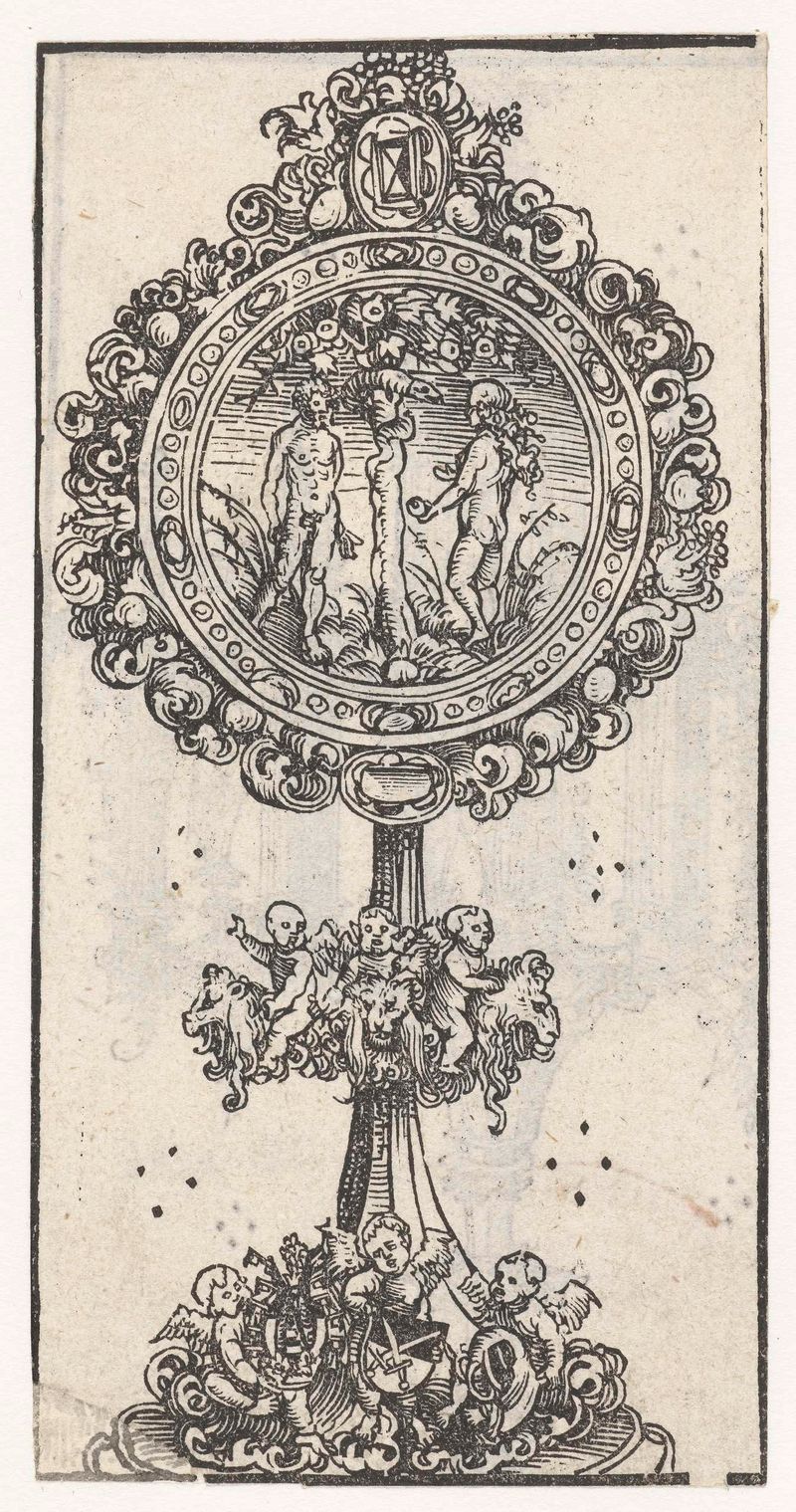
Reliekhouder met de verzoeking van Adam en Eva
Lucas Cranach (I)

Intocht van Christus in Jerusalem
Lucas Cranach (I)
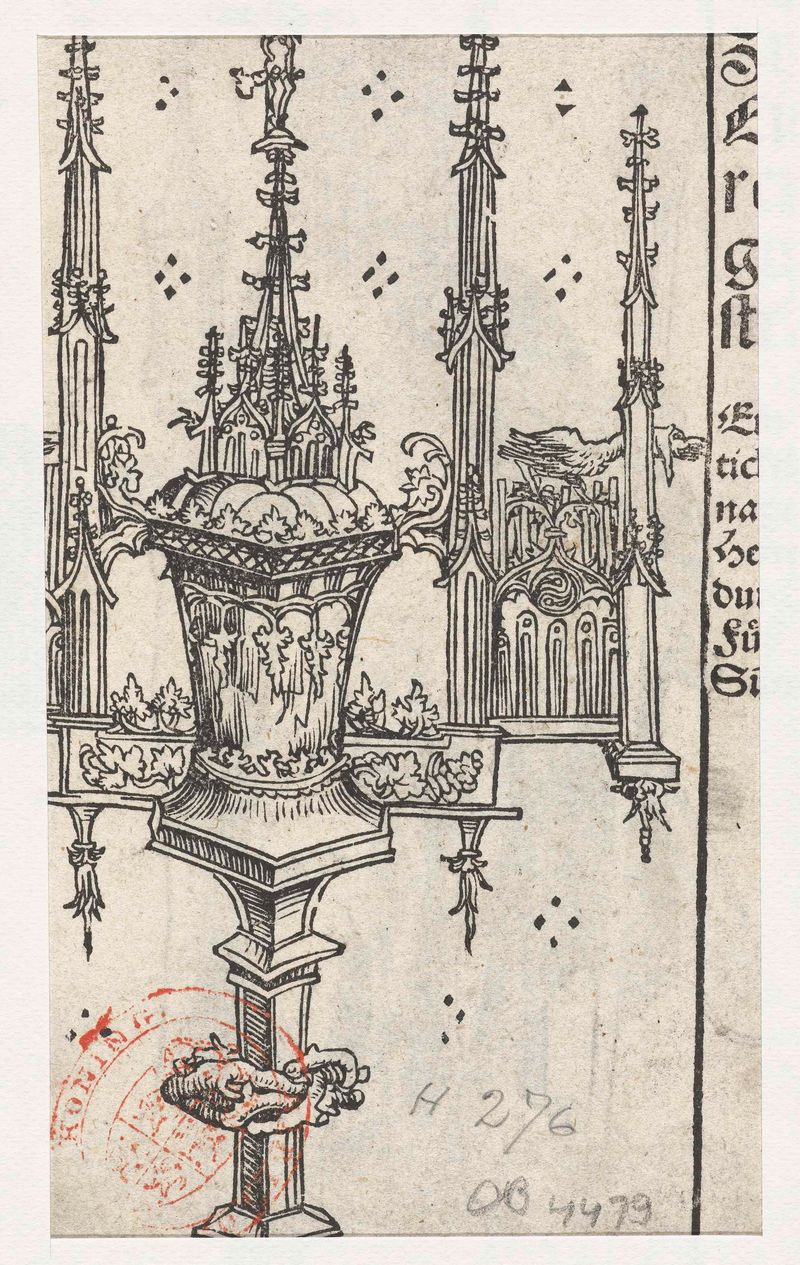
Monstrans met vogel (pelikaan)
Lucas Cranach (I)
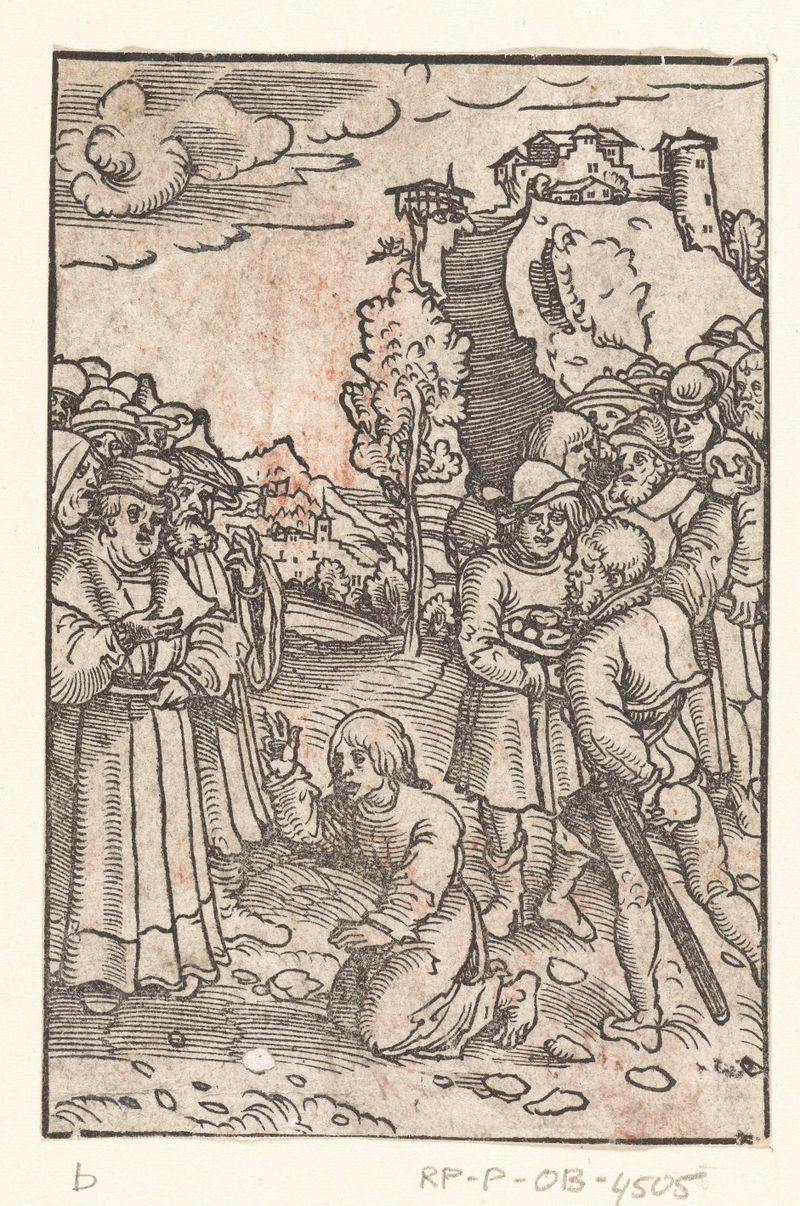
Steniging van Stefanus
Lucas Cranach (I)
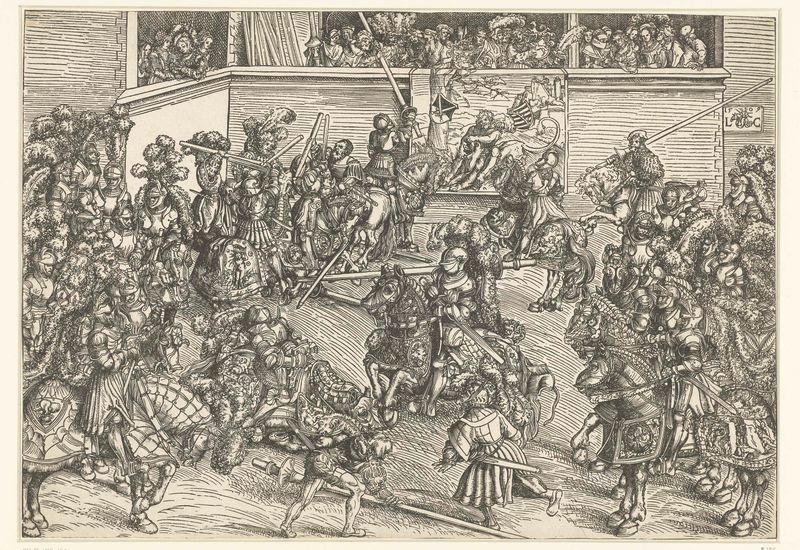
Toernooi van het keurvorstelijk hof van Saksen met wandtapijt Simson doodt de leeuw
Lucas Cranach (I)
More Religious Art
Browse all →
The Return of the Prodigal Son
Rembrandt van Rijn

The Garden of Earthly Delights
El Bosco

Count Orgaz’ funeral
El Greco

The Hundred Guilder Print: the central piece with Christ preaching, the plate arched
Rembrandt van Rijn

The Descent from the Cross
Rogier van der Weyden

The return of the prodigal son
Rembrandt van Rijn