
Takaido no yudachi — History & Facts
In the gentle embrace of twilight, reflections ripple through the rain-soaked landscape, capturing a fleeting moment suspended between the real and the ethereal. Here, stillness coexists with the soft patter of drops, creating a dialogue between nature and the observer. Look to the center, where delicate brushstrokes form an intricate tapestry of raindrops cascading down the vibrant greenery. Focus on the reflections in the puddles, mirroring the serene silhouettes of trees and distant hills.
The masterful use of color—deep blues and soft grays—evokes a palpable sense of calm, while the layered textures invite you to explore the depth of each droplet, each hue. Beneath the surface, tensions arise between solitude and the connectedness of nature. The quiet beauty of the rain hints at an emotional introspection, suggesting a moment of contemplation for anyone who wanders into this scene. Additionally, the play of light and shadow in the artwork illustrates the transient nature of life, revealing how moments, much like rain, can be both refreshing and fleeting. Takahashi Hiroaki created this piece during the early 20th century, a time when Japanese printmaking was experiencing a renaissance influenced by Western techniques.
Living in an era of change, Hiroaki sought to capture the essence of traditional Japanese aesthetics while embracing modernization, positioning Takaido no yudachi as a bridge between two worlds, reflecting both cultural heritage and contemporary artistic evolution.
More Artworks by Takahashi Hiroaki
Browse all →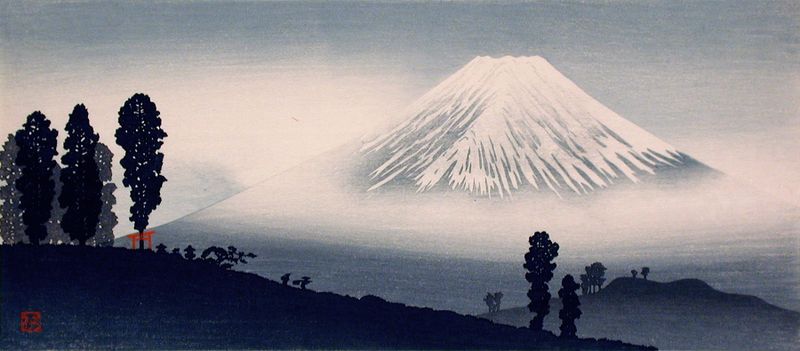
Mount Fuji
Takahashi Hiroaki

Mount Fuji seen near Tamaho, Dawn
Takahashi Hiroaki
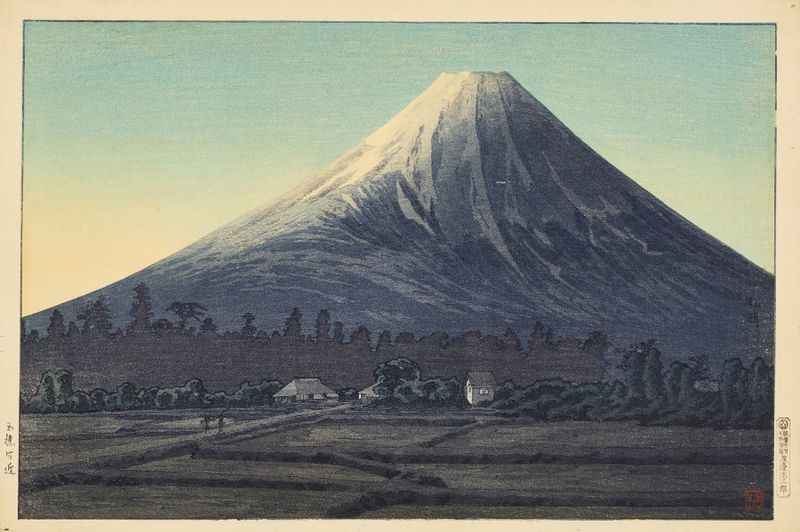
Mount Fuji seen near Tamaho, day
Takahashi Hiroaki
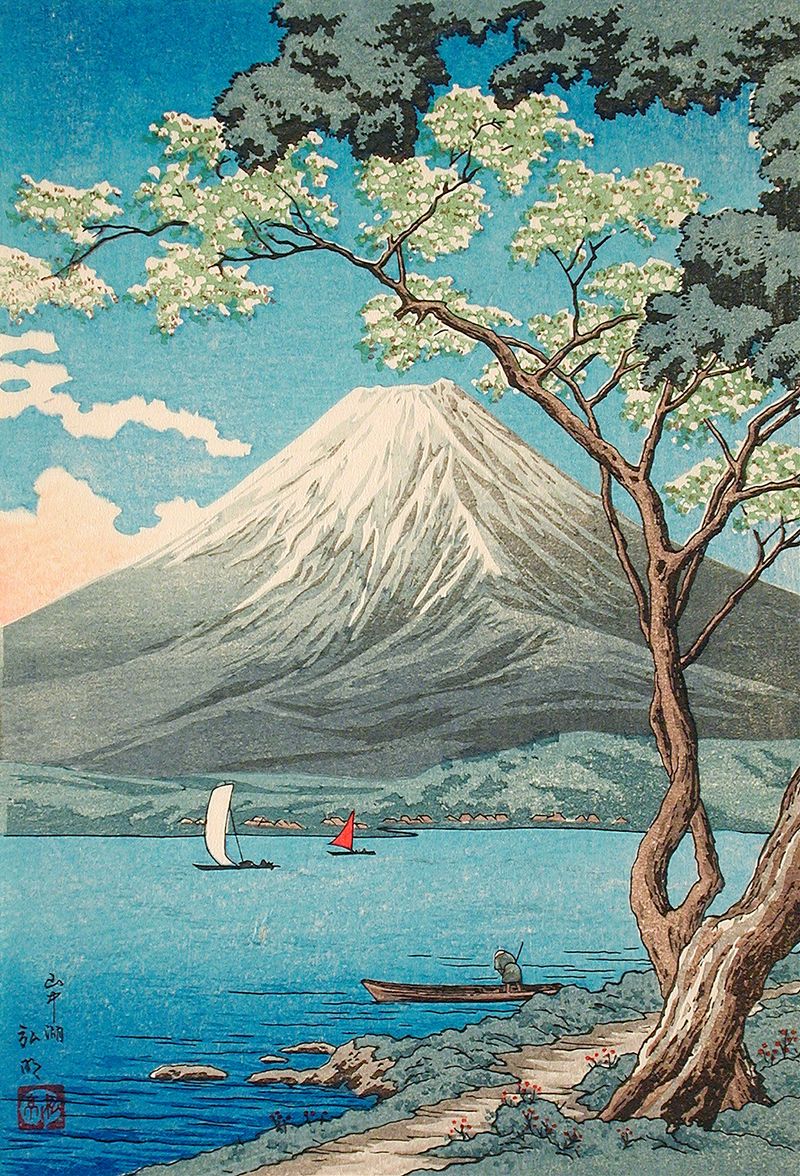
Mount Fuji from Lake Yamanaka
Takahashi Hiroaki

Mt. Fuji from Tagonoura, Snow Scene
Takahashi Hiroaki

Egoda no tsuki
Takahashi Hiroaki
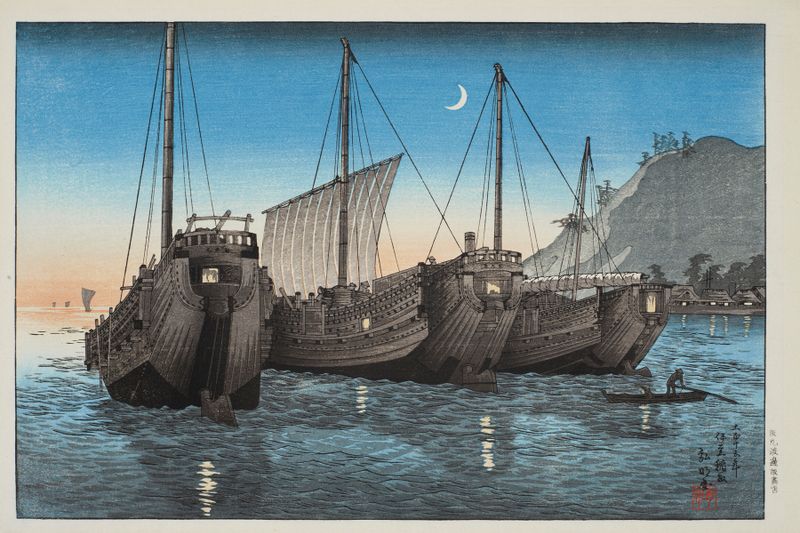
Junks in Inatori Bay, Izu
Takahashi Hiroaki

Izumibashi no ame
Takahashi Hiroaki
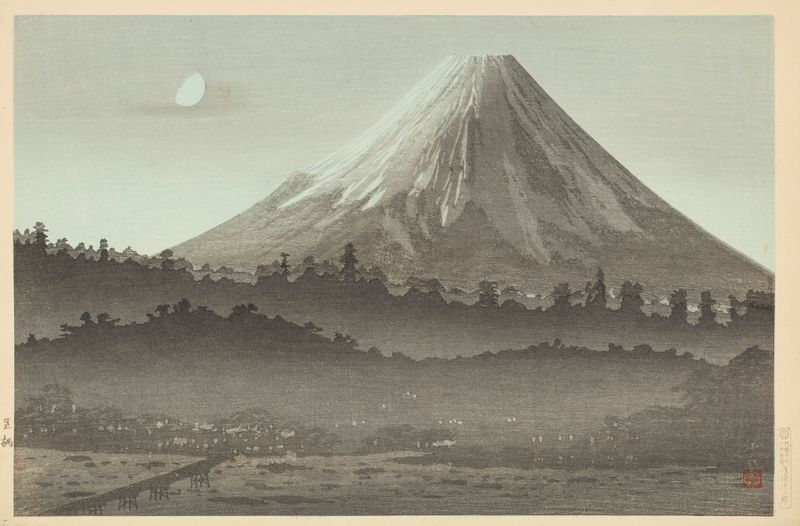
Mount Fuji seen near Tamaho, Night
Takahashi Hiroaki

Fishing nets at Tsukuda
Takahashi Hiroaki





